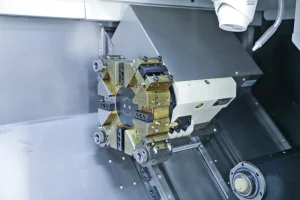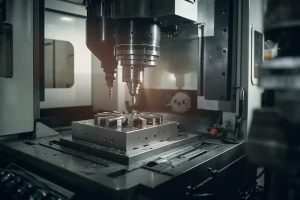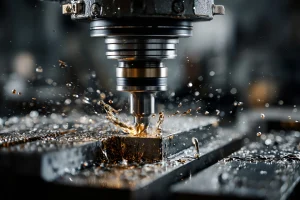

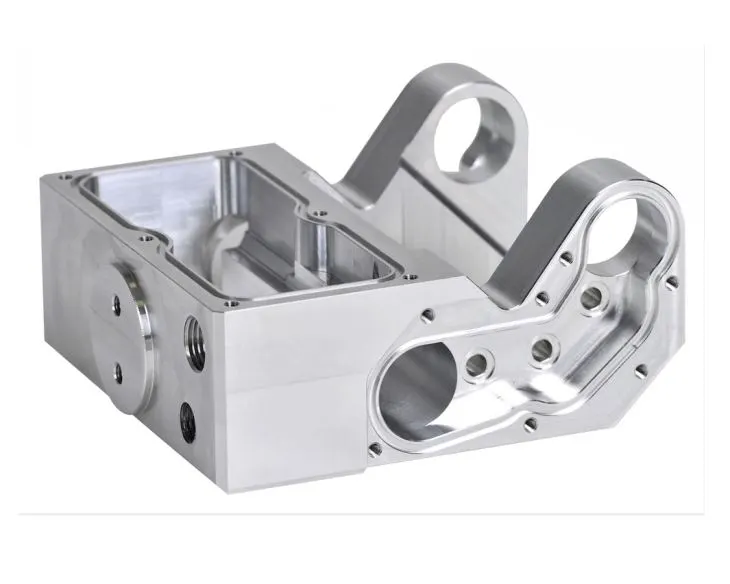
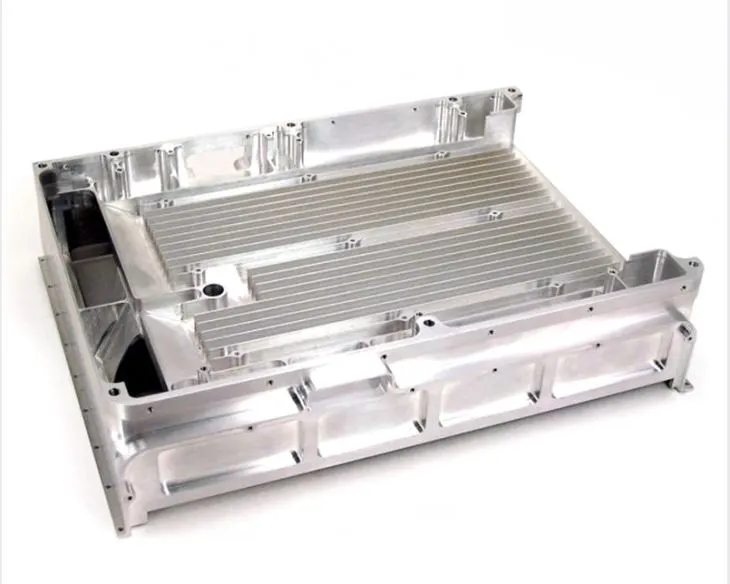
Le traitement des pièces matérielles non standard fait référence au matériel fabriqué sur mesure selon les exigences spécifiques du client. (comme une taille non standard, forme, ou fonction) that does not adhere to general national or industry standards. These parts are widely used in machinery manufacturing, equipment maintenance, automation equipment, luminaires, électronique, et d'autres domaines. They are characterized by a high degree of customization, small batch sizes, and widely varying precision requirements. The following details:
Cost Structure
- Direct Costs:
- Material costs (40%-60%)
- Processing fees (equipment depreciation, electricity, usure des outils)
- Surface treatment fees
- Indirect Costs:
- Programming and debugging time (non-standard parts often require multiple trial cuts)
- Testing costs
- Logistics expenses
Optimization Strategies
- Material Nesting: Use CAD nesting software to improve sheet material utilization (par ex., compact part arrangement during laser cutting).
- Process Consolidation: If CNC turning and milling can be completed in a single setup, the errors and time lost from multiple setups can be avoided.
- Tiered Pricing: Small orders (≤100 pieces) are charged per piece, while large orders (≥1000 pieces) can be stamped and molded to reduce unit prices.
Project Management
- Creating a custom parts archive: Recording processing techniques, mold drawings, and inspection data facilitates rapid replication for subsequent orders.
- Customer Communication: Confirm design changes in advance to avoid rework after processing (par ex., a temporary increase in aperture requires reprogramming).