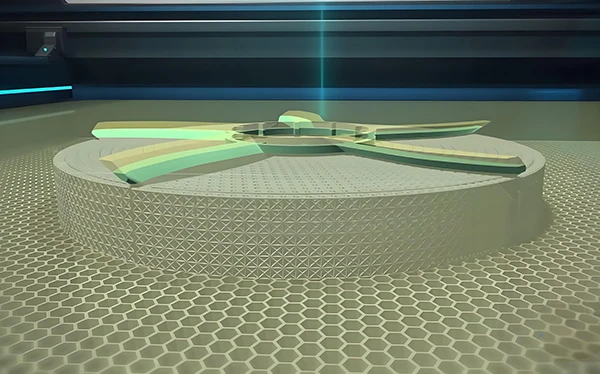
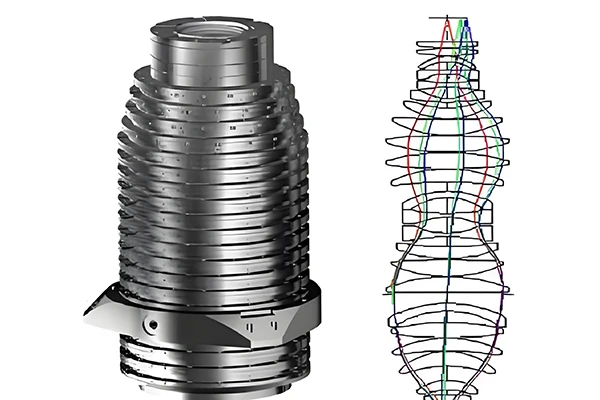
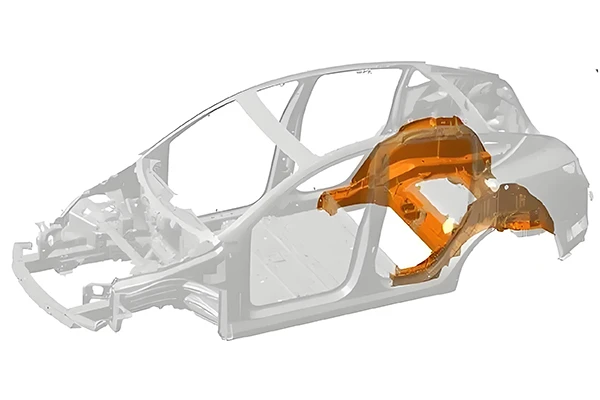
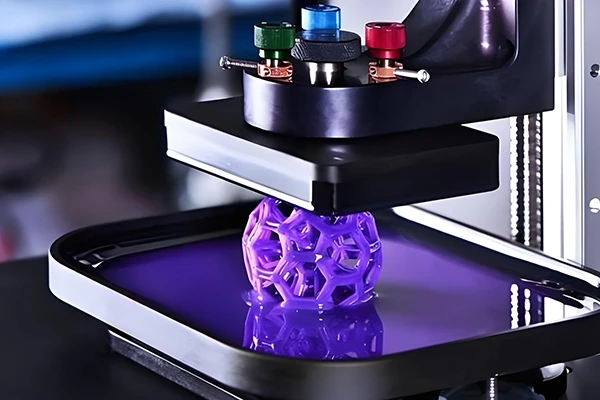
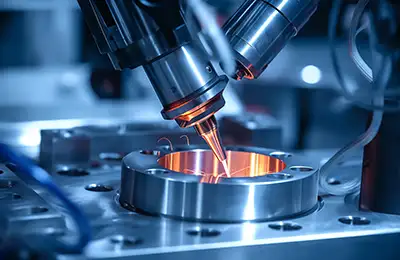
The core of SLA technology lies in photopolymerization reaction. Liquid photosensitive resin will polymerize under specific wavelengths of ultraviolet or laser irradiation, Quickly solidifies.
Tous les téléchargements sont sécurisés et confidentiels
Haute précision
Bonne qualité de surface
Faster molding speed
Why choose Rapidefficient Stereolithography
Our stereolithography part capabilities
Choose Rapidefficient Stereolithography, Because of its high precision, grande vitesse, high surface quality, Able to meet complex design requirements with controllable costs.
Soumettez vos plans d'ingénierie pour des commentaires techniques rapides et une budgétisation
Stéréolithmicromographie (ANS) is a 3D printing technology based on the principle of photopolymerization, Also known as light-curing molding technology or liquid bath photopolymerization method. SLA cures liquid photosensitive resin layer by layer using ultraviolet light or lasers, Form the desired three-dimensional structure.
Main materials: The materials used in SLA technology mainly include light-cured acrylic resin and epoxy resin, These materials have different mechanical properties and application characteristics.
optional materials: In addition to standard resin, There are also rubber materials, Wax substitutes and more, Suitable for different application needs.
Rapidefficient stereolithography processing specializes in projects
Complex part prototyping
Able to quickly produce prototypes of complex-shaped parts, Haute précision, Help product design verification. such as early models of auto parts.
Small batch customized production
Suitable for small batch personalized product production, faible coût, short cycle. Such as customized electronic product casings.
Medical model production
High-precision production of human organ models, etc., Assisted medical diagnosis and surgical planning. Such as cardiac models for preoperative analysis.
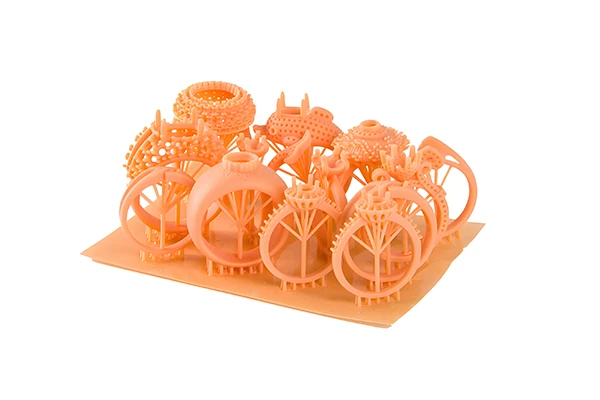
Jewelry Design and Manufacturing
Precise presentation of complex jewelry designs, high surface quality. Such as unique shape necklace pendant.
Educational teaching model
Provide intuitive three-dimensional models for teaching, Enhance learning effect. Par exemple, molecular structure models are used in chemistry teaching.
Industrial design verification
Quickly verify industrial design solutions, Easy to modify. Such as design verification of new lamp housings.
100+
CNC Lathe
ISO
9001:2015Certification
20K +
Production de pièces CNC par mois
150+
Matériaux d'usinage CNC
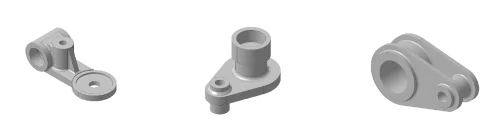
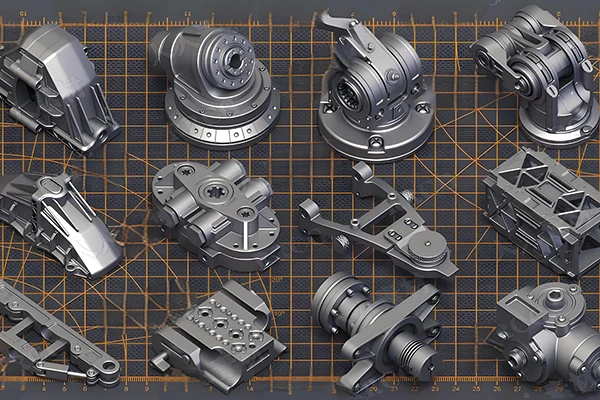
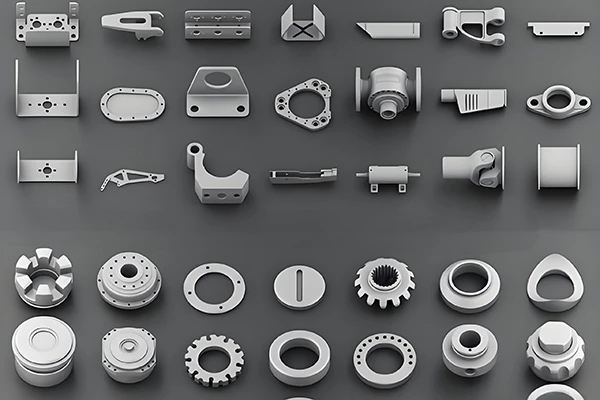
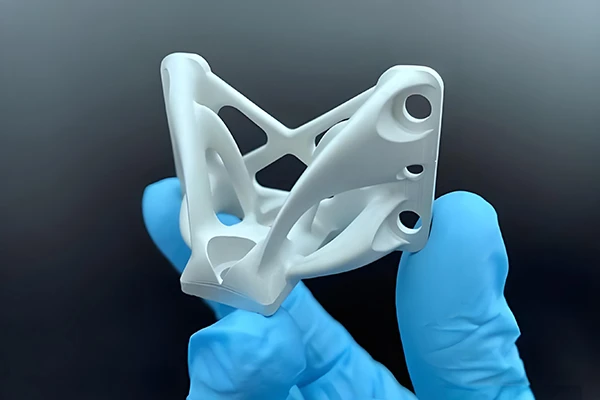
Display of stereolithography processed parts
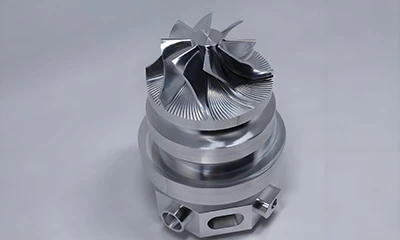
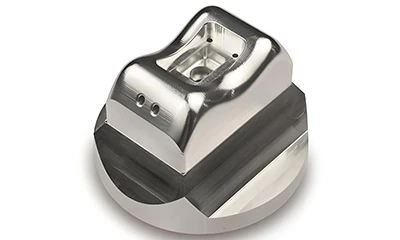
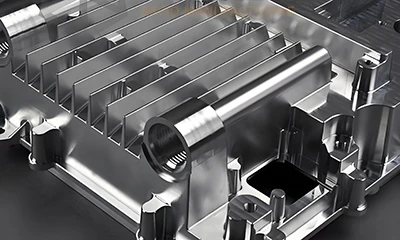
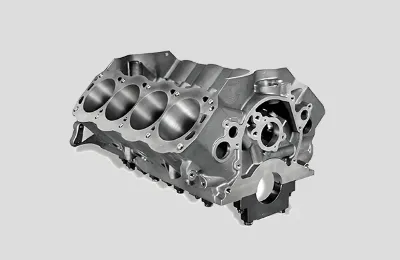
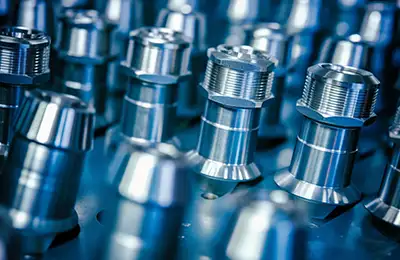
Stereolithography Parts Display, Every piece is carefully crafted, Represent complex designs with high precision, surface lisse, Showing the perfect integration of technology and art.
Key advantages of stereolithography
High precision molding
Ability to accurately render complex designs, Achieve micron-level precision, For fine structures such as tiny parts, Jewelry and other items can be accurately shaped.
Excellent surface quality
The printed parts have high surface smoothness, Achieve better appearance without excessive post-processing, Suitable for applications with high appearance requirements.
Materials have wide applicability
Various types of photosensitive resin materials can be used, include transparency, Flexible, Casting and other special resins, Meet different functional needs.
A quick guide to processing parts using stereolithography
Design preparation
1. Design parts using professional 3D modeling software, Ensure model accuracy and completeness. Consider the function of the part, taille, Structural and other factors, Carry out reasonable design optimization. 2. Check the model for errors or unreasonable structures, such as self-intersection, Suspended parts, etc., Repair in time.
Choose equipment and materials
1. Select the appropriate stereolithography equipment according to the requirements of the part, Consider the accuracy of your equipment, Print size, Speed and other parameters. 2. Choose the right photosensitive resin material, Different materials have different performance characteristics, comme la dureté, dureté, Transparency etc.
Slicing and parameter settings
1. Import 3D models into slicing software, Perform slicing, Set appropriate layer thickness, Exposure time and other parameters. 2. Optimize parameters to balance print quality and time, Thinner layer thickness usually improves accuracy but increases print time.
Printing process
1. Pour photosensitive resin into printer trough, Start the device to start printing. 2. Observe the printing process, Ensure equipment is functioning properly, Deal with possible problems promptly, Such as resin leakage, Uneven curing, etc..
Post-traitement
1. After printing is completed, Remove the part from the build platform, Remove support structures (if any). 2. perform cleaning, Remove uncured resin. Solvents such as alcohol can be used for cleaning. 3. Post-cure as needed, Improve part strength and stability.
Contrôle qualité
1. Check the dimensional accuracy of parts, qualité de surface, Structural integrity, etc.. 2. Utiliser des outils de mesure, Tools such as microscopes for measurement and observation, Ensure parts meet design requirements.
De l'idée au produit
Que vous ayez besoin d'un petit nombre de pièces ou 10000 Plusieurs objets de production qui sont finalement mis en service, L'usinage CNC est une méthode de fabrication idéale. Voici les services CNC personnalisés que nous lançons.
Fabrication efficace
By Rapidefficient, Vous pouvez compléter la fabrication de produits en peu de temps, afin de pouvoir entrer rapidement sur le marché.
Coût en temps réel
Rétroaction instantanée du processus
Qualité supérieure
Livraison rapide
Production de masse
La fabrication efficace des moisissures est un moyen rentable, Capable de combler l'écart entre la production d'échantillons et la production de masse. Laissez rapidement vos produits occuper le marché.
Contrôles de contrôle
Normes de haute qualité
Livraison rapide
Testez le marché avant d'investir
Production personnalisée
Pour les projets personnalisés, Notre équipe professionnelle vous aidera à obtenir les meilleurs produits en termes de qualité et d'efficacité.
Ingénieur d'optimisation des processus senior
Chef de projet dédié
Premier lot de tests
Assurer une qualité cohérente en tout temps
Faites vos pièces maintenant
Démarrer l'opération de production
Toutes les informations et les matériaux téléchargés sont sécurisés et confidentiels
Frequently asked questions about stereolithography processing parts that you need to know
Accuracy deviation
Raison: Equipment accuracy is insufficient, material shrinkage, Improper slicing parameter settings, etc.. Performance: Part size does not match design size, Rough surface, etc..
Solution Choose high-precision equipment, and perform regular calibration and maintenance. Understand the shrinkage characteristics of materials, Compensate at design time. Optimize slicing parameters, If the layer thickness is reduced, Adjust exposure time, etc..
Déformation
Raison: Material shrinks unevenly, Temperature changes during printing, Unreasonable support structure design, etc.. Performance: Parts bend, distortion, Warping, etc..
Solution Optimize support structure design, allowing it to support the part evenly, Reduce deformation. Control printing environment temperature, Avoid excessive temperature changes. Choose materials with low shrinkage.
Delamination and cracking
raison: Poor bonding between layers, Poor material performance, Unreasonable printing parameters, etc.. Performance: Delamination appears on the surface of the part, Will crack in severe cases.
Solution Adjust printing parameters, If you increase the exposure time, Improve bonding strength between layers. Choose good quality, Materials with stable performance. Post-process parts, Such as heating and curing, etc., Improve bonding between layers.
Support structures are difficult to remove
Raison: The support structure design is unreasonable, The material is highly sticky, etc.. Performance: When removing support structures, Easily damaged parts or residual support material.
Solution Proper design of support structures, make it easy to remove. Choose the right support material, Reduce material viscosity. When removing support structures, Use appropriate tools and methods, Handle with caution.
Printing failed
Raison: Equipment failure, Material problem, Parameter setting errors, etc.. Performance: Printing process interrupted, Part cannot be completely formed.
Solution Check if the device is functioning properly, Troubleshoot promptly. Ensure material quality is up to standard, Avoid using expired or contaminated materials. Double check parameter settings, Make sure it’s correct. If printing fails, Analyze the cause and adjust the parameters before printing again.
Domaines d'application de l'usinage CNC
Nos services d'usinage CNC ont été félicités par des clients mondiaux de différents domaines, Nous fournissons des composants d'usinage CNC à une variété d'industries, Couvre les éléments suivants et plus.
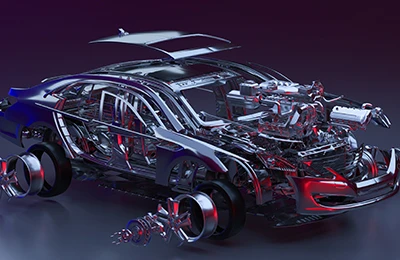
Voiture
Pièces de grande taille, Comme les pare-chocs ABS usinés CNC, Cuteau d'instruments PC / ABS et pièces automobiles de précision, Réflecteur par exemple, lentille, Assemblage du volant, moteur, transmission.
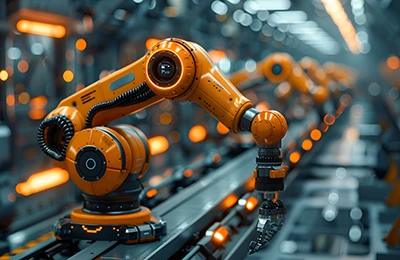
Pièces de robot pour l'industrie de la robotique et de l'automatisation, actuateur, effecteur final, Moteur, Équipement de contrôle automatique, Luminaires et boîtiers.
Plaque d'os en acier inoxydable ou en titane, prothèse, équipement respiratoire, dispositif portable, équipement de diagnostic, modèle anatomique, Composants pour les besoins médicaux tels que les instruments chirurgicaux.
Produits de consommation, comme les boîtiers d'équipement électronique, bouton, poignée, Bouton, changer, Appareils numériques portables, Produits de cuisine, équipement sportif.
Nouvelles composantes de l'industrie de l'énergie, par exemple. échangeur de chaleur, soupape, pipeline, Pompes et accessoires, Composants hydrauliques, Composants de la batterie, composants du panneau solaire, Cadre et roue.
Logement électronique, tapis roulant, attache, connecteur, Composants du générateur, luminaires, Pièces de machines et d'outils pour les machines industrielles.
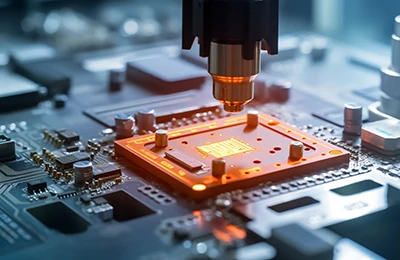
Les modèles réels peuvent être créés en fonction des exigences de semi-conducteurs, Modèles d'ingénierie et autres équipements expérimentaux, Nous travaillons avec des universités du monde.