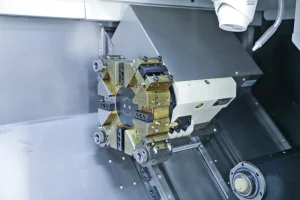
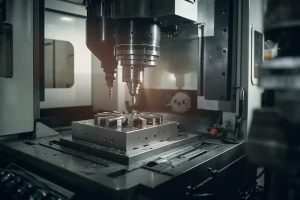
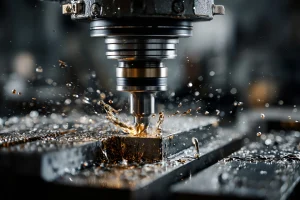
פְּלִיז, כסגסוגת של נחושת ואבץ, is highly favored in the field of CNC machining due to its excellent mechanical properties, עמידות בפני קורוזיה, מְשִׁיכוּת, conductivity and even sound absorption. This article will introduce in detail the performance of several common brass types in CNC machining and conduct a comparative analysis.
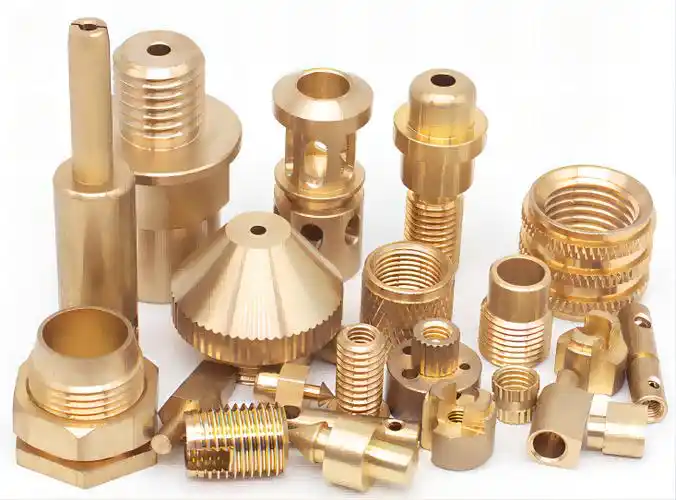
Advantages of Brass CNC Machining
עיבוד מהיר: Brass has an extremely high machinability and is known as “100% יכולת עיבוד”. The shear resistance and high tensile strength of this alloy help to increase the processing speed, which is 5% אֶל 20% faster than other metal CNC machining.
Precision machining and dimensional stability: Brass parts maintain their original dimensions due to their low deformation coefficient and strong impact resistance, making them suitable for products that require strict tolerances.
High compatibility between workpieces and tools: Brass CNC machining produces less chips and low tool wear, and is compatible with a variety of CNC machining tools, improving machining efficiency.
Availability of multiple material grades: Brass can be alloyed with a variety of metals to create alloys with special properties that are suitable for a variety of applications.
Higher productivity and profits: Brass CNC machining is fast and accurate, improves efficiency, reduces tool replacement costs, and increases productivity and profits.
Environmental protection: Brass CNC machining does not produce toxic gases, and the material can be 100% recycled, making it an environmentally friendly processing method.
Comparison of different brass types
C360 (free-cutting brass)
יתרונות:
Excellent machining properties due to high lead content.
עמידות בפני קורוזיה טובה.
High ductility and easy to form.
Suitable for various industrial uses requiring precision machining.
חסרונות:
Potential health and environmental risks due to high lead content.
Not suitable for applications requiring high strength and hardness.
C260 (Cartridge Brass)
יתרונות:
Excellent corrosion resistance.
High ductility.
Good machinability.
Strength due to lead and iron additions.
Reliable and cost-effective for a wide range of industrial applications.
חסרונות:
Potential health and environmental risks due to lead content.
Not suitable for applications requiring high strength and hardness.
C353 (Engraver’s Brass)
יתרונות:
Good strength.
יכולת עיבוד מעולה.
Excellent resistance.
חסרונות:
Not suitable for welding.
Moderate hot and cold working properties.
C464 (Navy Brass)
יתרונות:
Known for its incredible corrosion resistance due to the addition of tin.
Good corrosion resistance and strength.
Can be hot worked.
Fairly machinability compared to C360.
חסרונות:
Causes structural cracks on the alloy surface.
Prone to dezincification over time.
Design and processing tips
Consider the processing process: Brass is soft and easy to process, but the maximum cutting depth and minimum radius need to be considered.
Choose the right alloy: Choose high-strength or easy-to-process alloys according to application requirements.
Avoid sharp edges and corners: Brass is prone to deformation or cracking at stress concentrations, so it is recommended to design with rounded corners.
Consider surface treatment: Brass can be treated with a variety of surface treatments, such as polishing, התזת חול, ריסוס, ציפוי אלקטרוני, וכו', which affect the final size and tolerance.
Consider the intended application: Design according to the intended use of the part, such as adding ribs or fillets when subjected to high loads.
When choosing brass CNC machining, it is necessary to decide the most suitable brass model based on the specific application requirements, תקציב עלויות וקושי בעיבוד. לְדוּגמָה, עבור יישומים הדורשים עמידות גבוהה בפני קורוזיה, C464 brass may be the best choice; בעוד עבור יישומים רגישים לעלות עם דרישות עמידות נמוכה בפני קורוזיה, C260 or C360 brass may be more suitable. Understanding the characteristics and limitations of each brass can help manufacturers choose the most suitable material to achieve the best processing results and cost-effectiveness.