
בתחום הייצור המכני, CNC (בקרה מספרית מחשב) עיבוד שבבי היא כבר לא מילה לא מוכרת. It represents a modern manufacturing method with high precision, יעילות גבוהה, וגמישות גבוהה, revolutionizing the face of traditional machining. כָּך, how exactly does CNC machining work? Why has it become an indispensable core technology in modern industry? This article will delve into the industry knowledge of CNC machining, revealing the technical logic and application value behind it.
The Essence of CNC Machining: Precision Manufacturing Driven by Digital Commands
בבסיסו, CNC machining lies in the transformation of design drawings, typically CAD models, into machine-recognizable G-code through CAM software. These codes precisely control the tool path, rotational speed, feed rate and other parameters of the machine tool, driving the machine tool spindle and worktable to move in coordinated movement in three-dimensional space, thereby cutting complex shapes on workpieces such as metals, פלסטיק, וחומרים מרוכבים. Its core advantages are:
1. דיוק ועקביות: Micron-level (מיקרומטר) accuracy can be easily achieved, with a high degree of consistency in mass production, far from being comparable to traditional manual operations.
2. גיאומטריה מורכבת: Easily control geometries such as complex surfaces, חללים, and special-shaped holes that are difficult to achieve with traditional machine tools.
3. High Efficiency and Automation: Once the program is validated, it can operate unattended for extended periods, especially suitable for high-volume production.
4. גמישות גבוהה: Changing products only need to change the program and fixture, and the switching is quick to adapt to the needs of multi-variety and small-batch production.
Core equipment: CNC machine tool family
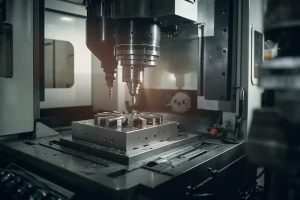
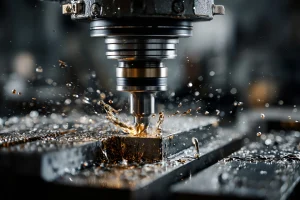
מכונת כרסום CNC: Rotating tool cutting workpieces, good at machining planes, חריצים, קווי מתאר, and complex 3D surfaces (mold cavities). Vertical and horizontal are the main forms.
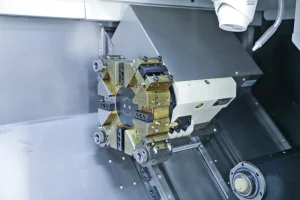
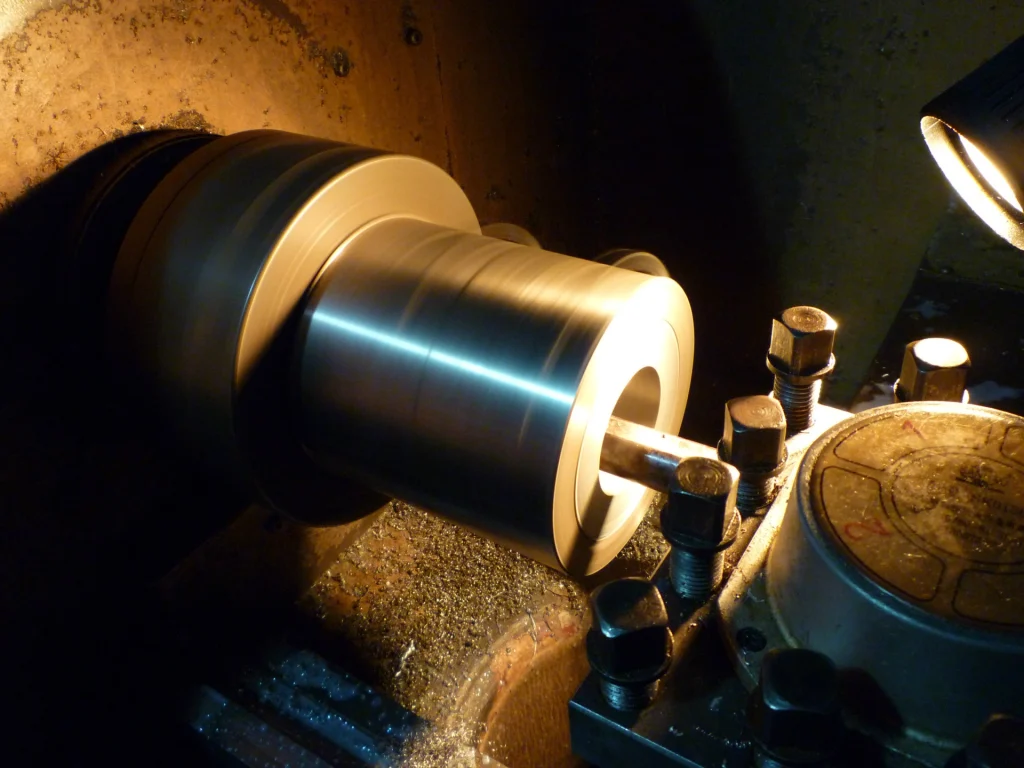
מחרטת CNC: Workpiece rotation, fixed tool cutting, specializing in rotary body parts (פירים, discs, שרוולים). Precision turning is the core competency.
Machining Center: ה “upgraded version” of CNC milling machine, equipped with automatic tool changer and tool magazine, can complete various processes such as milling, הִתעַמְלוּת, מְשַׁעֲמֵם, and tapping in one clamping, with excellent efficiency and ability.
Multi-axis machine tool: More than 3 axes linkage (כְּגוֹן 4 axis and 5 צירים), the tool or workpiece can move in more directions, realize efficient and high-precision machining of complex space surfaces, and reduce the number of clamping.
Special CNC: CNC grinding machines, CNC wire cutting, CNC laser cutting, CNC waterjet cutting, וכו', to meet specific process needs.
Industry Core Knowledge: In-depth understanding of processes and materials
1. Material Properties Are Fundamental:
מתכות: אֲלוּמִינְיוּם (easy to machine, קַל מִשְׁקָל), פְּלָדָה (חוזק גבוה, but difficult to cut), נירוסטה (קשיחות טובה, easy to stick to knives), סגסוגת טיטניום (extremely strong, poor thermal conduction, difficult to process), copper and its alloys (good conductivity and thermal conductivity).
פלסטיק: פלסטיקה הנדסית (POM, ניילון, לְהָצִיץ, וכו') and general-purpose plastics (ABS, עמ', PE, וכו'), pay attention to their thermal deformation, קְשִׁיחוּת, and toughness.
חומרים מרוכבים: carbon fiber, glass fiber reinforced materials, וכו', קשיות גבוהה, anisotropy, easy to delaminate, serious wear on the tool.
Key Points: Deeply understand the hardness, כּוֹחַ, מְשִׁיכוּת, thermal conductivity, התנגדות ללבוש, and cutting properties of different materials, directly determining tool selection, פרמטרי חיתוך (rotational speed, feed, עומק חיתוך), and cooling lubrication strategies.
2. Tool Selection and Application:
חוֹמֶר: פלדה במהירות גבוהה, קרביד, coated carbide, ceramic, cubic boron nitride, diamond (PCD).
Types: face mills, end mills (flat bottom cutters, ball nose cutters, round nose cutters), תרגילים, reamers, taps, חותכים משעממים, turning inserts (various shapes).
Core parameters: Tool diameter, number of teeth, helix angle, edge length, coating type (פַּח, TiAlN, TiCN, וכו. to improve wear and heat resistance).
Key points: “A good horse with a good saddle”. Tools are selected precisely according to the material, type of machining (roughing/finishing), machine power rigidity, and desired surface finish. Monitoring tool wear and timely replacement are key to ensuring quality and efficiency.
3. Cutting Parameter Optimization:
Spindle Speed: A determinant of the speed of the tool line.
Cutting Feed Speed: The speed at which the tool moves in the direction of cut.
Depth of Cut: The depth at which a single pass cuts into the material.
Key points: Parameter settings need to achieve the best balance between efficiency (material removal rate), tool life, machining quality (surface roughness, דיוק ממדי), machine load and vibration. This requires extensive experience or with the help of cutting databases, simulation software.
4. Jigs and Clamps:
עִקָרוֹן: Accurate positioning, reliable clamping, good rigidity, convenient operation, and avoidance of interference.
Types: vise, platen, three/four jaw chuck, special clamp, vacuum suction cup, modular clamp system (לְמָשָׁל. zero point positioning).
Key Points: Clamping is the primary link to ensure machining accuracy. The impact of workpiece rigidity, processing force, and thermal deformation should be considered. Fast, precise and reliable clamping is the cornerstone of efficient production.
5. תכנות וסימולציה:
CAM software: מאסטרקאם, UG NX, PowerMill, Fusion 360, וכו. are the core tools. G-code generation from model import, תכנון תהליכים, toolpath generation, collision checking, ואחרי עיבוד.
G-code/M-code: Machine control language. Understanding common instructions is the foundation for debugging and optimization.
Simulation Verification: Simulate the machining process in a virtual environment, check the rationality of the tool path, whether there is a collision, and calculate the machining time, greatly reducing the actual trial and error cost.
Key Points: Programming levels directly impact machining efficiency, אֵיכוּת, ובטיחות. Good programmers need to be proficient in processes, machine performance, and software operation.
Application Areas of CNC Machining: Ubiquitous precision manufacturing
תעופה וחלל: Engine blades, structural parts, ציוד נחיתה (דיוק גבוה, חוזק גבוה, משטחים מורכבים).
תעשיית הרכב: Engine block cylinder head, transmission housing, חלקי שלדה, תבניות.
מכשירים רפואיים: Artificial joints, מכשירים כירורגיים, dental prosthetics (high biocompatibility, extreme precision).
ייצור עובש: Injection molds, die-casting molds, stamping molds (complex cavities, high surface quality).
אֶלֶקטרוֹנִיקָה: Phone/computer cases, גופי קירור, precision connectors.
Energy equipment: להבי טורבינה, שסתומים, pump bodies.
Precision instruments: Optical device holders, sensor housings.
Industry Trends and Challenges
Higher efficiency: High-speed cutting, high-feed machining, and composite machining (turning-milling) technologies are popular.
Higher accuracy and intelligence: Online measurement compensation, שליטה אדפטיבית, תחזוקה חזויה, AI optimization process.
אוטומציה וגמישות: Integrate with robots, AGVs, and automated warehousing systems to create flexible manufacturing units and smart factories.
Additive and subtractive fusion: Hybrid manufacturing (3הדפסה D + עיבוד CNC) solves the problem of complex structural manufacturing.
קיימות: Dry cutting, micro-lubrication technology, energy-efficient machine tool applications.
Talent Challenge: The demand for high-level CNC programming, תַהֲלִיך, מִבצָע, and maintenance compound talents continues to be strong.
מַסְקָנָה: The cornerstone of the future of intelligent manufacturing
CNC machining is the “precision hand” ו “efficiency engine” of modern manufacturing, and it is deeply integrated into almost all industrial fields. Mastering material characteristics, being proficient in tool application, optimizing process parameters, designing reliable tooling, and making good use of programming and simulation are the core competitiveness of CNC machining practitioners. With the advancement of the wave of Industry 4.0, CNC technology is evolving in the direction of smarter, more integrated, more efficient and greener, and continues to provide strong technical support for “Made in China” and even the global manufacturing industry. Only by understanding its core knowledge can we harness the power of precision manufacturing and remain invincible in the fierce market competition.
Which CNC equipment do you come into contact with the most? Have you encountered any particularly difficult challenges in material selection or tool application? Feel free to share your industry experience in the comment area!