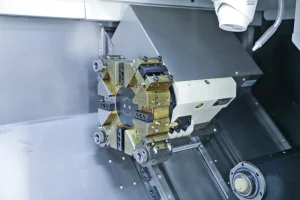

בייצור מודרני, both עיבוד CNC ו עיבוד מדוייק are essential processes. בעוד שלעתים קרובות הם חופפים, they serve different purposes and involve distinct techniques. במאמר זה, we’ll explore the key differences between CNC machining and precision machining, including their functions, כְּלֵי עֲבוֹדָה, ויישומים.
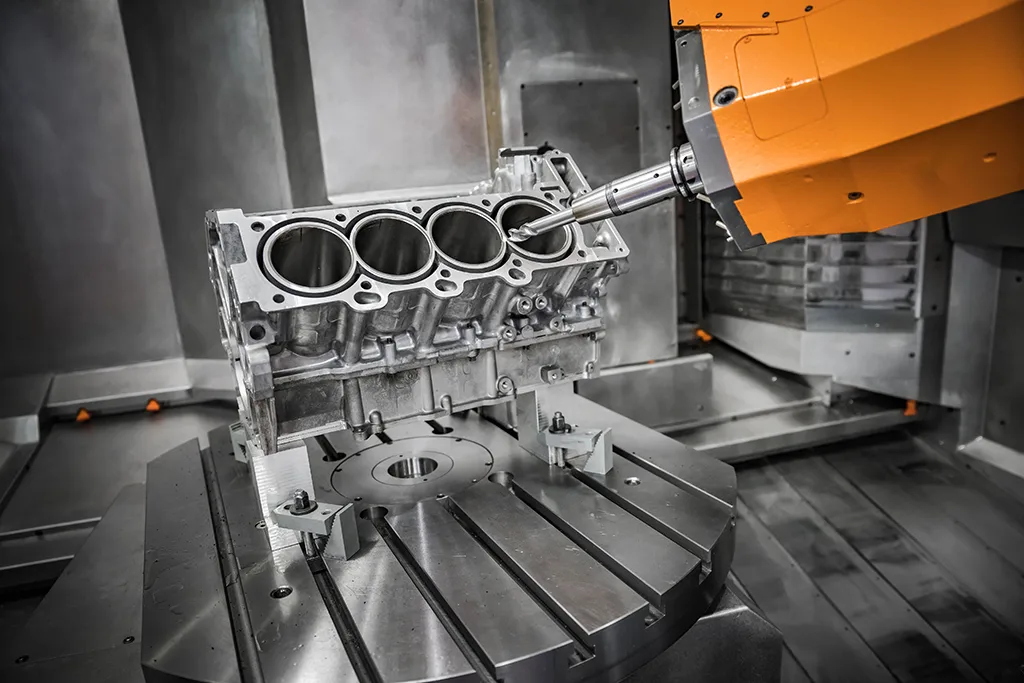
1. הבנת עיבוד CNC
CNC (בקרה מספרית מחשב) machining is a manufacturing process where machines are controlled by computer software. CNC machines include lathes, טחנות, and routers that cut, לִקְדוֹחַ, or shape materials with a high degree of accuracy. The operator inputs the design into the software, and the machine follows those instructions exactly. This automation reduces the chance of human error.
CNC machining can produce both simple and complex parts. The process is highly efficient and can run continuously, making it ideal for high-volume production. Because CNC machines follow digital commands, they produce identical parts every time.
בקיצור, CNC machining is all about automation, מְהִירוּת, and consistent accuracy.
2. מהו עיבוד שבבי מדויק?
Precision machining refers to the process of making parts that meet extremely tight tolerances. This means the final product closely matches the exact specifications of the design, often down to microns. Precision machining is critical for industries like aerospace, רְפוּאִי, ואלקטרוניקה, where even the slightest deviation can lead to failure.
Unlike CNC machining, which focuses on automation, precision machining prioritizes accuracy and detail. Both manual and automated machines can be used in precision machining, depending on the complexity and requirements of the part. Precision machining often uses CNC equipment, but it can also involve traditional tools like grinders and lathes.
לסיכום, precision machining focuses on creating highly accurate parts, regardless of the tools used.
3. CNC Machining vs. עיבוד שבבי מדויק: The Main Difference
The key difference between CNC machining and precision machining lies in their focus. CNC machining refers to the process itself—how machines are controlled through software to automate production. עיבוד שבבי מדויק, מִצַד שֵׁנִי, is more about the quality of the output. It ensures that the parts meet tight tolerances and exact specifications.
In many cases, CNC machining is used within precision machining. לְדוּגמָה, manufacturers may use CNC machines to produce highly precise components for medical devices or aerospace parts. אוּלָם, not all CNC machining requires precision. לִפְעָמִים, CNC machines are used for parts that don’t demand such strict accuracy.
To put it simply, CNC machining is a method, while precision machining is a standard of accuracy.
4. Tools Used in CNC Machining and Precision Machining
Both CNC machining and precision machining use advanced equipment, but the focus differs. CNC machining heavily relies on computer-controlled machines like CNC mills, נתבים, ומחרטות. These machines operate automatically and with high speed. They are programmed to follow exact paths and instructions, ensuring consistency in every part produced.
עיבוד שבבי מדויק, מִצַד שֵׁנִי, may use a wider range of tools. CNC machines are often part of precision machining, but other equipment like grinders, electrical discharge machines (EDM), and manual lathes may also be used. These tools allow for even finer adjustments when accuracy is essential.
בקיצור, CNC machines are the primary tools in CNC machining, while precision machining utilizes both CNC and manual tools depending on the need for accuracy.
5. Applications of CNC Machining and Precision Machining
CNC machining is commonly used in industries that require high-volume production. רכב, אֶלֶקטרוֹנִיקָה, and consumer goods manufacturers rely on CNC machines for quick and consistent production. These industries benefit from the speed and automation of CNC machines, especially when producing large quantities of the same part.
עיבוד שבבי מדויק, מִצַד שֵׁנִי, is often used in industries where quality is critical. תעופה וחלל, רְפוּאִי, and defense sectors rely heavily on precision machining to produce parts that meet strict standards. לְמָשָׁל, medical implants or aircraft components must be extremely accurate to ensure safety and performance.
While CNC machining can be part of precision machining, not all CNC processes need to meet the high tolerances required in precision machining.
6. עלות ויעילות
CNC machining is generally more efficient for high-volume production. לאחר שתכנת, מכונות CNC יכולות לפעול ברציפות, producing parts quickly and consistently. This makes CNC machining a cost-effective solution for manufacturers who need large quantities of parts in a short period.
עיבוד שבבי מדויק, אוּלָם, tends to focus more on quality than speed. The process often takes more time to ensure that each part meets the required tolerances. This attention to detail can make precision machining more expensive, especially for small batches of parts. אוּלָם, for industries where accuracy is essential, the higher cost is worth it.
לסיכום, CNC machining excels in efficiency and cost for mass production, while precision machining prioritizes quality and accuracy, often at a higher cost.
מַסְקָנָה
CNC machining and precision machining serve different roles in manufacturing. CNC machining automates the process, focusing on speed and consistency, while precision machining emphasizes the quality and accuracy of the final product. In many cases, CNC machining is a key tool within precision machining, but not all CNC processes require the tight tolerances of precision work.
Understanding the differences between these two processes helps manufacturers choose the right method based on their production needs. Whether it’s mass production with CNC machining or highly accurate part creation with precision machining, both play critical roles in today’s industrial landscape.