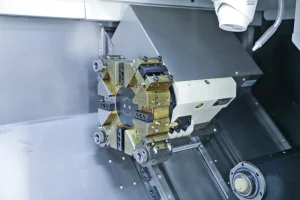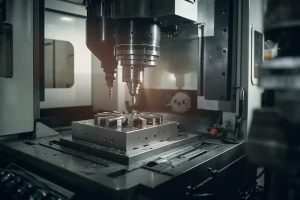

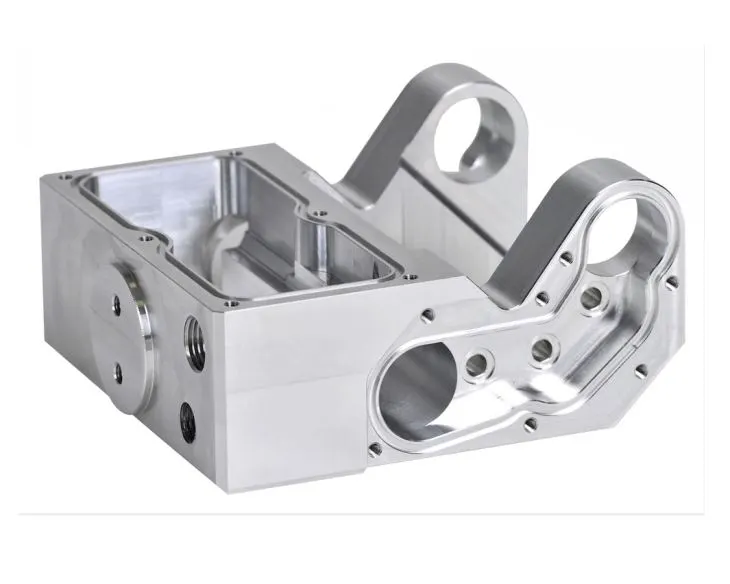
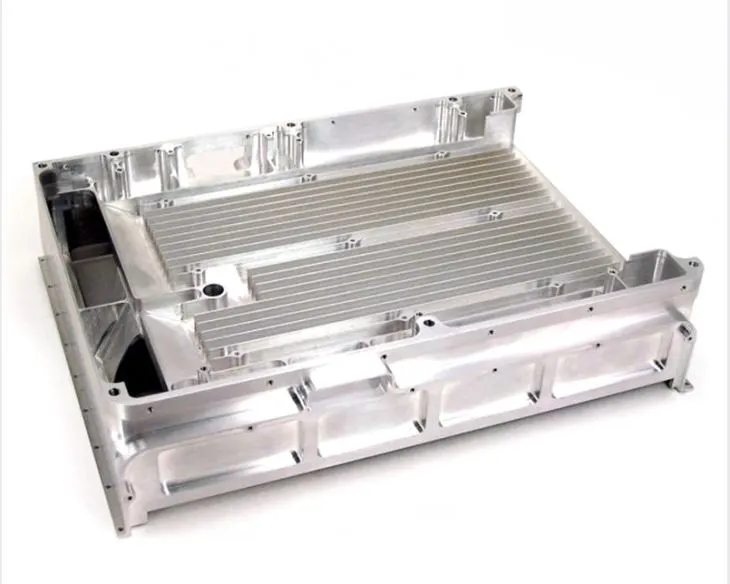
El procesamiento de piezas de hardware no estándar se refiere al hardware hecho a medida a requisitos específicos del cliente (como un tamaño no estándar, forma, o función) that does not adhere to general national or industry standards. These parts are widely used in machinery manufacturing, equipment maintenance, automation equipment, accesorios, electrónica, y otros campos. They are characterized by a high degree of customization, small batch sizes, and widely varying precision requirements. The following details:
Cost Structure
- Direct Costs:
- Material costs (40%-60%)
- Processing fees (equipment depreciation, electricity, desgaste de herramientas)
- Surface treatment fees
- Indirect Costs:
- Programming and debugging time (non-standard parts often require multiple trial cuts)
- Testing costs
- Logistics expenses
Optimization Strategies
- Material Nesting: Use CAD nesting software to improve sheet material utilization (P.EJ., compact part arrangement during laser cutting).
- Process Consolidation: If CNC turning and milling can be completed in a single setup, the errors and time lost from multiple setups can be avoided.
- Tiered Pricing: Small orders (≤100 pieces) are charged per piece, while large orders (≥1000 pieces) can be stamped and molded to reduce unit prices.
Project Management
- Creating a custom parts archive: Recording processing techniques, mold drawings, and inspection data facilitates rapid replication for subsequent orders.
- Customer Communication: Confirm design changes in advance to avoid rework after processing (P.EJ., a temporary increase in aperture requires reprogramming).