
Введение
ЧПУ (Компьютерное числовое управление) Механическая обработка произвела революцию в обрабатывающей промышленности, обеспечив точность и эффективность обработки металлов.. One of the critical aspects of CNC machining is metal surface treatment, which enhances the durability, появление, and functionality of the finished product. Surface treatment processes can improve the wear resistance, коррозионная стойкость, and aesthetic qualities of metal parts. В этой статье, we will explore 12 commonly used methods for CNC machining metal surface treatment and their applications.
1. What is CNC Machining Metal Surface Treatment?
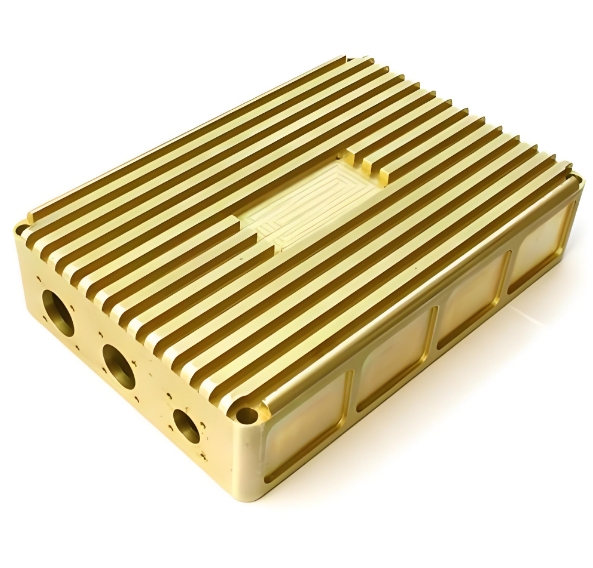
CNC machining metal surface treatment refers to a series of processes that are applied to metal parts after they have been machined using CNC equipment. These treatments are designed to alter the surface characteristics of the metal to achieve desired properties such as enhanced corrosion resistance, better aesthetic appearance, increased hardness, and improved wear resistance. Some methods focus on coating the metal, while others alter the metal’s surface structure at the microscopic level.
2. An Overview of Common Surface Treatment Methods
There are several methods available for CNC machining metal surface treatment, each offering different benefits and applications. Below, we will delve into the most common treatments used in the industry.
3. Метод 1: Анодирование
Anodizing is an electrolytic process used to increase the thickness of the natural oxide layer on the surface of metal parts, particularly aluminum. This process not only enhances the metal’s resistance to corrosion but also offers an attractive matte or glossy finish. Anodized surfaces are harder and more durable, making anodizing one of the most popular treatments for aluminum and other non-ferrous metals.
Преимущества:
- Increases corrosion resistance
- Hardens the surface
- Available in various colors and finishes
4. Метод 2: Гальваника
Electroplating involves the deposition of a thin layer of metal onto the surface of a workpiece using an electric current. This method is commonly used to enhance the appearance, твердость, and corrosion resistance of the metal surface. Common electroplated metals include gold, silver, никель, and chromium.
Преимущества:
- Enhances appearance
- Улучшает коррозионную стойкость
- Увеличивает твердость поверхности
5. Метод 3: Powder Coating
Powder coating is a dry finishing process in which a powdered coating is applied to a metal surface and then cured using heat. The coating forms a hard, durable finish that is highly resistant to abrasion, коррозия, and fading. Powder coating is commonly used for metal parts that require a smooth and protective finish.
Преимущества:
- High resistance to scratching, chipping, and fading
- Environmentally friendly
- Available in a wide range of colors
6. Метод 4: Полировка
Polishing is a mechanical process used to smooth a metal surface and remove imperfections, resulting in a glossy, reflective finish. Polishing is often used in conjunction with other surface treatments to improve both the appearance and the functional properties of metal parts.
Преимущества:
- Improves aesthetic appearance
- Removes imperfections and burrs
- Increases surface smoothness
7. Метод 5: Пескоструйная обработка
Пескоструйная обработка, or abrasive blasting, involves propelling sand or other abrasives at high pressure to clean, гладкий, or texture a metal surface. It is commonly used to prepare surfaces for further treatments, remove rust, or create a roughened texture for better adhesion of coatings.
Преимущества:
- Cleans and roughens surfaces
- Prepares surfaces for further treatments
- Removes oxidation and rust
8. Метод 6: Chemical Conversion Coating
Chemical conversion coating is a process that uses chemicals to form a protective layer on a metal surface. This treatment is often applied to aluminum and zinc alloys to increase corrosion resistance and improve the surface’s adhesion properties. Common types of chemical conversion coatings include chromate and phosphate coatings.
Преимущества:
- Increases corrosion resistance
- Improves paint adhesion
- Provides a good base for further coatings
9. Метод 7: Galvanizing
Galvanizing is the process of applying a layer of zinc to steel or iron to protect it from corrosion. This is achieved through hot-dip galvanizing, where the metal is submerged in molten zinc, or by electro-galvanizing, where the zinc is applied using electroplating.
Преимущества:
- Highly effective corrosion resistance
- Long-lasting protection
- Commonly used in outdoor and heavy-duty applications
10. Метод 8: Phosphating
Phosphating is a chemical treatment that creates a layer of phosphate crystals on the metal surface. This process is commonly applied to steel and iron parts to improve corrosion resistance and create a foundation for further coatings such as paint or lubricants.
Преимущества:
- Increases corrosion resistance
- Enhances paint adhesion
- Provides a non-reflective finish
11. Метод 9: ПВД (Физическое осаждение из паровой фазы) Coating
PVD coating involves the deposition of a thin layer of metal onto a workpiece using a vacuum process. This method is commonly used for decorative finishes or for enhancing the surface hardness of metal components. PVD coatings are often used on cutting tools, медицинское оборудование, and automotive parts.
Преимущества:
- Provides a durable, wear-resistant surface
- Available in various finishes
- Offers aesthetic enhancement and functional properties
12. Метод 10: E-Coating (Electrocoating)
E-coating is an electrochemical process used to apply a coating of paint to metal parts. The parts are submerged in a liquid bath, and an electrical current is used to deposit the paint onto the surface. E-coating is commonly used in the automotive and appliance industries for both corrosion protection and aesthetic purposes.
Преимущества:
- Even and uniform coating
- High resistance to corrosion
- Environmentally friendly and cost-effective
13. Метод 11: Laser Surface Hardening
Laser surface hardening uses a high-powered laser beam to heat a metal surface, causing it to harden. This process is commonly used for tools and components that experience high stress and wear. The laser selectively hardens specific areas of the part, improving its resistance to abrasion and fatigue.
Преимущества:
- Selectively hardens specific areas
- Increases wear resistance
- Suitable for high-performance applications
14. Метод 12: Shot Peening
Shot peening is a mechanical process in which small spherical media (typically steel shot or glass beads) are bombarded onto the surface of the metal part. This treatment creates compressive stresses that enhance the fatigue strength of the metal and reduce the risk of cracks and fractures.
Преимущества:
- Increases fatigue strength
- Reduces the likelihood of surface cracking
- Improves component durability
Заключение
CNC machining metal surface treatments play a crucial role in improving the functionality and lifespan of metal parts. Whether it’s increasing corrosion resistance, enhancing surface hardness, or improving aesthetic qualities, there is a surface treatment method to suit every need. By understanding these 12 common methods, manufacturers can select the right treatment for their specific applications, ensuring that the end product meets the required performance standards.