
Введение
Material selection is one of the most critical decisions when manufacturing drone components using CNC machining. The right material directly affects strength, масса, долговечность, обрабатываемость, and overall cost. Engineers and product designers must balance performance requirements with manufacturing feasibility to achieve optimal results.
This guide explains the five most commonly used materials for CNC-machined drone parts and how to choose the best option for your project.
1. Aerospace Aluminum Alloys
Aluminum alloys are among the most popular materials for drone components due to their excellent strength-to-weight ratio and machinability.
Преимущества
- Lightweight yet strong
- Устойчивость к коррозии
- Хорошая теплопроводность
- Heat-treatable for improved performance
Machining Tips
- Use sharp cutting tools to reduce vibration
- Apply high-speed machining for smoother finishes
- Ensure rigid fixturing for precision
Typical Applications: рамки, скобки, корпуса, structural components
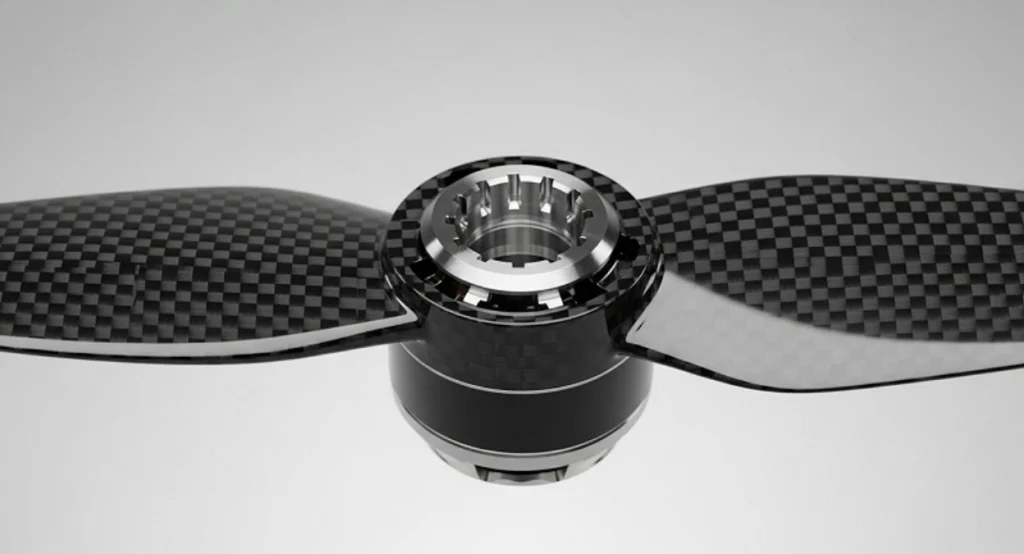
2. Carbon Fiber Composites
Carbon fiber is ideal for high-performance drones where weight reduction is critical without sacrificing strength.
Преимущества
- Extremely high stiffness-to-weight ratio
- Excellent fatigue resistance
- Strong corrosion resistance
Machining Tips
- Use diamond-coated or carbide tools
- Implement dust extraction systems
- Control feed rates to avoid delamination
Typical Applications: arms, shells, propeller structures, lightweight frames
3. Titanium Alloys
Titanium is used in high-stress drone components requiring maximum strength and durability.
Преимущества
- Outstanding strength and toughness
- High corrosion resistance
- Stable performance in harsh environments
Machining Tips
- Low cutting speeds reduce heat buildup
- Use high-toughness tools
- Apply high-pressure coolant systems
Typical Applications: load-bearing connectors, motor mounts, high-stress structural parts
4. Инженерные пластмассы (ПЭК, АБС, и т. д.)
Engineering plastics are widely used for non-structural components due to their lightweight and cost efficiency.
Преимущества
- Легкий
- Electrical insulation properties
- Lower cost than metals
- Easy machinability
Machining Tips
- Control temperature to prevent deformation
- Adjust cutting speed and cooling carefully
Typical Applications: battery housings, covers, protective shells, insulation components
5. High-Strength Stainless Steel (например, 17-4PH)
For drone parts that must withstand heavy loads or wear, stainless steel is a reliable choice.
Преимущества
- Extremely high strength
- Отличная износостойкость
- Длительный срок службы
Machining Tips
- Use slower cutting speeds
- Ensure sufficient coolant
- Select wear-resistant tools
Typical Applications: валы, fasteners, pins, части трансмиссии
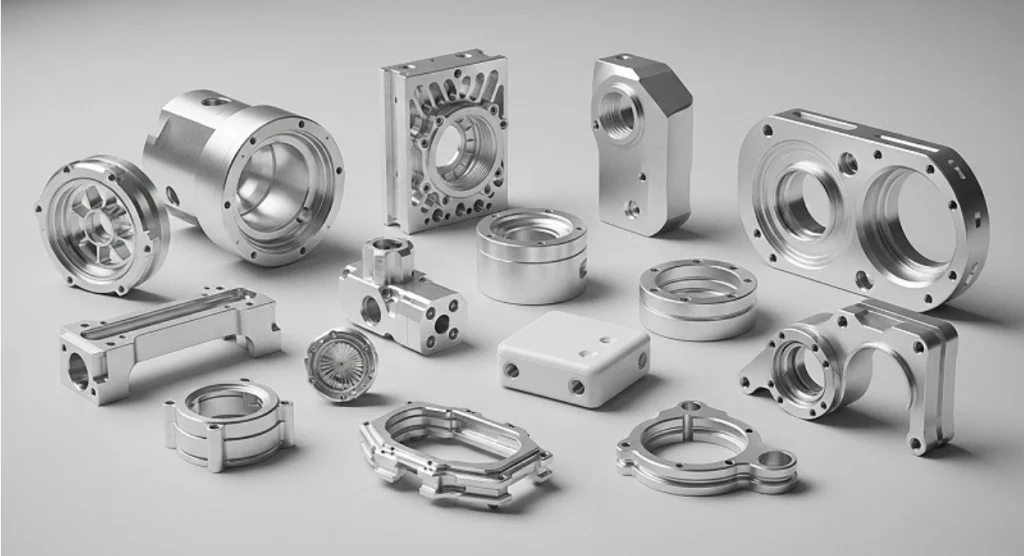
How to Choose the Right Material for CNC Drone Parts
When selecting materials, consider these key factors:
- Mechanical strength requirements
- Weight limitations
- Условия окружающей среды (нагревать, коррозия, вибрация)
- Machining complexity
- Production cost and lead time
The best material is not always the strongest or lightest—it’s the one that best balances performance, manufacturability, and budget.
Заключение
Choosing the right material is essential for producing high-quality CNC-machined drone components. Алюминий, углеродное волокно, титан, engineering plastics, and stainless steel each offer unique advantages. Understanding their properties and machining requirements allows manufacturers to optimize both performance and cost efficiency.
О RapidEfficient
RapidEfficient специализируется на высокоточной обработке на станках с ЧПУ. 18 многолетний опыт.
Ее продукция служит отраслям промышленности, включая медицину., коммуникации, оптика, дроны, интеллектуальная робототехника, автомобильный, и части офисной автоматизации.
Обрабатывающие центры с ЧПУ компании оснащены четырехосным, пятиосный, и многорычажные станки, и оснащены прецизионными проекторами, координатно-измерительные машины (ШМ), спектрометры, и другое современное инспекционное оборудование.
Точность обработки может достигать 0.01 мм, и точность тестирования может достигать 0.001 мм.