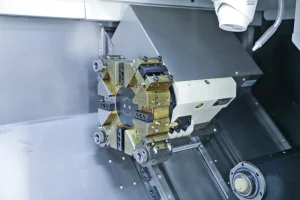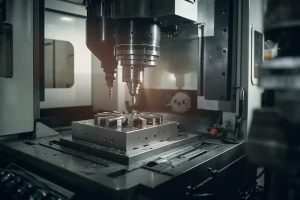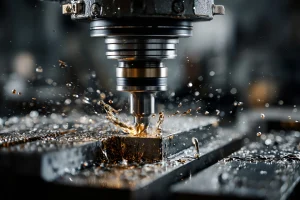

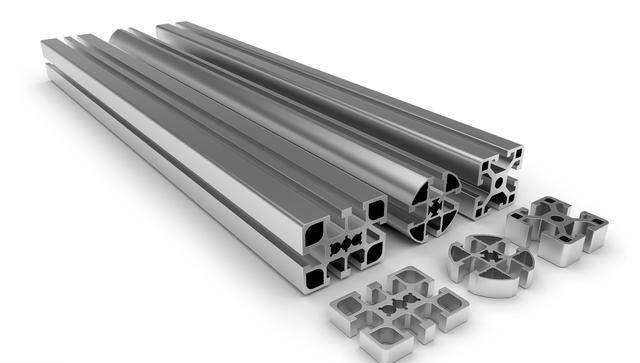
Промышленные алюминиевые профили в настоящее время широко используются в самых разных областях., например, в домашних дверях и окнах, automobiles and airplanes, and precision parts for automated equipment. With the prospect of increasing demand, many manufacturers are naturally concerned with cost and resource utilization. Improving the yield rate of aluminum extrusions has become a top priority. While there are many ways to improve production efficiency, quality products are our primary goal. RapidЭффективный, with many years of experience in precision machining of aluminum extrusion parts, provides two specific solutions for improving the yield rate of aluminum extrusions.
1. The Relationship between Temperature Control and Improving Effective Output
Вообще говоря, if there is no unscheduled downtime, maximum effective output is primarily determined by extrusion speed. Однако, extrusion speed is constrained by four factors, three of which are fixed and one of which is variable.
- Extrusion Pressure: High extrusion pressure allows for smooth extrusion even when the ingot temperature is low.
- Die Design: During aluminum extrusion, friction between the metal and the die wall typically raises the surface temperature of the passing aluminum alloy by 35 к 62 degrees Celsius.
- Alloy Characteristics: The extruded alloy properties limit extrusion speed, and the profile outlet temperature generally should not exceed 540°C to maintain surface quality.
- Temperature Control: Precise temperature management helps prevent sticking, gravure, micro-cracks, and tears.
2. Mold Manufacturing Recommendations
Aluminum alloys are relatively soft, expensive, and prone to breakage. Due to their characteristics and the need for subsequent processing such as engraving, wire drawing, анодирование, штамповка, and turning, the following recommendations help reduce defects:
- Punching Order: Perform punching later in the process if possible. For products with many punches, consider adding an additional process stage.
- Cutting Edges: Use slow wire cutters to prevent burrs and irregular blanking. Recommended punch material: SKD11; avoid lower-quality punches such as D2.
- Edge Clearance: Allow approximately 10% clearance behind edge material as a recommended value. Recommended blade depth: ~2 mm; taper: ~0.8–1° (adjust based on profile characteristics).
- Гибка & Folding: Avoid creating deep crease lines; if necessary, make creases shallower and smaller.
- Post-Anodizing Stamped Parts: Leave a 0.2–0.3 mm gap during 180° flattening to allow acid flow. Install a stop block and calibrate the die higher than the die.
- Bending Aluminum Profiles: Use PE protective film for rollers; polished or hard-chrome plated forming blocks are recommended to reduce punctures and crushing.
3. Stamping Process Recommendations
Aluminum is soft and easily damaged during stamping. To ensure optimal results and reduce defect rates:
- Implement 7S procedures; keep countertops, assembly lines, and packaging materials free of sharp objects and debris.
- Clean aluminum shavings from pusher blocks daily to prevent mold damage.
- Repair molds promptly if burrs or defects appear.
- For products with many punching holes, clean mold surfaces after each cycle.
- Apply platen oil to reduce heat and ensure smoother blanking.
О RapidEfficient
RapidEfficient специализируется на высокоточной обработке на станках с ЧПУ. 18 многолетний опыт. Ее продукция охватывает медицинские, коммуникации, оптика, дроны, умные роботы, автомобильный, и части офисной автоматизации.
Обрабатывающие центры с ЧПУ компании включают четырехосные, пятиосный, и рычажные станки, и оснащены прецизионными проекторами, трехкоординатные измерительные машины, спектрометры, и другое точное испытательное оборудование.
- Machining accuracy: до 0.01 мм
- Testing accuracy: до 0.001 мм