
1. Introduction to Thread Machining
Thread machining is a vital process in modern manufacturing, utilized to produce helical threads on cylindrical or conical surfaces. Threads are essential for creating mechanical fasteners such as bolts, винты, and nuts. The process of machining threads is complex and requires precision, as threads must meet specific tolerances to ensure proper functionality in their respective applications.
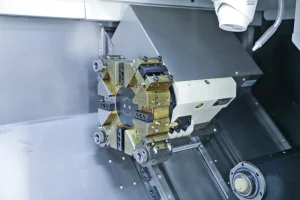
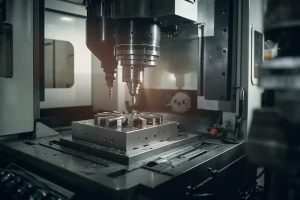
Thread machining is typically carried out using specialized machinery such as lathes, станки с ЧПУ, and thread grinders. The method used depends on factors like material type, required precision, thread size, and the production volume.
В этом руководстве, we will explore the most common thread machining methods, their applications, advantages, and limitations. Understanding these techniques will help manufacturers select the most suitable method for their needs.
2. Common Thread Machining Methods
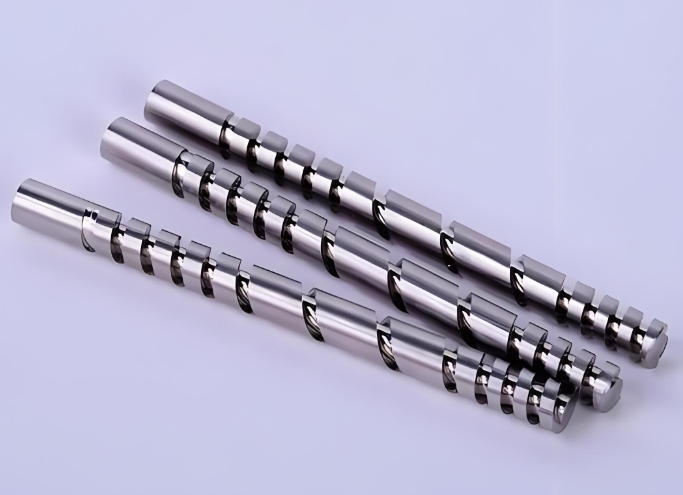
There are several thread machining methods, each with unique characteristics and advantages. The choice of method depends on various factors, including the type of material, required precision, и экономическая эффективность.
Thread Cutting
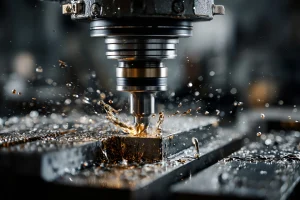
Thread cutting is one of the oldest and most widely used methods of thread machining. It involves the use of a single-point cutting tool to cut threads on a workpiece. The tool gradually removes material from the surface of the workpiece, creating a helical groove.
Приложения:
Thread cutting is commonly used in applications where threads need to be cut into materials like steel, алюминий, или латунь. It is ideal for producing threads on external and internal surfaces.
Преимущества:
- Provides high precision and accuracy
- Suitable for producing various thread sizes and pitches
- Capable of cutting threads on both external and internal surfaces
Ограничения:
- Slow process, not suitable for high-volume production
- Higher tooling costs compared to other methods
- Requires frequent tool changes and maintenance
Thread Rolling
Thread rolling is a cold-forming process where a blank workpiece is fed between two rotating dies with matching thread profiles. As the workpiece passes through the dies, it is compressed, and threads are formed on its surface. This method does not remove material, making it highly efficient.
Приложения:
Thread rolling is commonly used in high-volume production of fasteners such as bolts, винты, and nuts. It is particularly useful for producing strong, durable threads.
Преимущества:
- High production efficiency and faster than thread cutting
- Creates threads with better surface finishes and higher strength due to work hardening
- Low tool wear and no material wastage
Ограничения:
- Not suitable for all materials (works best with ductile metals)
- Limited to producing external threads
- Requires precise setup and alignment of dies
Thread Forming
Thread forming is similar to thread rolling, but instead of using dies, the thread is formed by a rotating tool that displaces material to create the thread shape. This process can be done using rotary tools like taps and dies.
Приложения:
Thread forming is often used for producing threads in softer metals or materials that are not suitable for cutting. It is ideal for high-precision applications where thread integrity is critical.
Преимущества:
- Does not generate chips, which reduces waste and tooling costs
- Provides excellent surface finish and dimensional accuracy
- High productivity for certain materials
Ограничения:
- Limited to softer metals and materials
- Requires a specific machine setup for each thread size
Thread Grinding
Thread grinding is a precision process used to create extremely fine threads. It involves using a grinding wheel with a specific profile to grind the threads into the workpiece. This method is typically used for producing threads with very fine tolerances and high surface finish requirements.
Приложения:
Thread grinding is used when threads need to be made with very high accuracy, such as in aerospace and automotive applications. It is also used for producing threads on hardened materials.
Преимущества:
- Achieves extremely high precision and surface finish
- Can be used on hardened materials
- Capable of producing threads with minimal defects
Ограничения:
- High tool wear and slower process compared to other methods
- Expensive machinery and tooling
- Suitable for low-volume, high-precision applications only
3. Comparison of Thread Machining Methods
| Метод | Suitable Materials | Скорость производства | Precision Level | Tooling Cost | Typical Applications |
| Thread Cutting | Сталь, Алюминий, Латунь | Slow | Высокий | Moderate | Low to medium volume production |
| Thread Rolling | Ductile metals (сталь, алюминий) | Fast | Medium | Low | High-volume fastener production |
| Thread Forming | Soft metals | Moderate | Высокий | Moderate | High-precision applications |
| Thread Grinding | Hardened metals | Slow | Very High | Высокий | Low-volume, high-precision applications |
4. Factors Affecting Thread Machining
The choice of thread machining method is influenced by several factors:
Свойства материала: Some materials are more suitable for certain types of thread machining. Например, thread rolling is ideal for ductile metals, while thread grinding is used for hardened materials.
Объем производства: High-volume production often favors methods like thread rolling due to their speed and efficiency, whereas low-volume applications may use thread cutting or grinding for higher precision.
Требования к точности: Some applications demand very high thread accuracy, making methods like thread grinding or thread cutting more suitable than thread rolling or forming.
Соображения стоимости: Thread rolling and forming tend to be more cost-effective for high-volume production, while thread cutting and grinding may be better suited for low-volume, high-precision jobs despite their higher costs.
5. Applications of Thread Machining
Thread machining is widely used across many industries, включая:
- Автомобильная промышленность: For producing bolts, винты, nuts, and other fasteners used in engine assemblies, chassis, and vehicle components.
- Аэрокосмическая промышленность: For creating threads on parts that require extremely high precision, such as turbine components, fasteners, and structural elements.
- Electronics and Electrical: Threaded components are crucial in connectors, switches, and various electrical housings.
- Медицинское оборудование: Some medical implants and equipment require precision threads for assembly or operation.
6. Advantages and Limitations of Each Method
Each thread machining method has its advantages and limitations, and the choice depends on the specific needs of the application.
- Thread Cutting offers high precision but is slower and costlier.
- Thread Rolling is fast and cost-effective for high-volume production but is limited to certain materials.
- Thread Forming provides excellent surface finish with minimal waste but is limited to specific materials.
- Thread Grinding offers the highest precision but is slow and costly, making it suitable for low-volume, high-precision applications.
7. Заключение
В заключение, selecting the right thread machining method is essential to achieving the desired precision, эффективность, and cost-effectiveness for specific applications. Thread cutting, rolling, forming, and grinding all offer distinct advantages and limitations depending on the material, объем производства, and precision requirements. By understanding these methods, manufacturers can make informed decisions to optimize their production processes and meet the demands of their industries.