
Нержавеющая сталь широко используется в различных отраслях промышленности благодаря своей превосходной коррозионной стойкости и долговечности.. Among the many types of stainless steel, 304 и 316 нержавеющая сталь are two of the most popular and commonly used. Understanding the differences between them is crucial for making appropriate material selections in different applications.
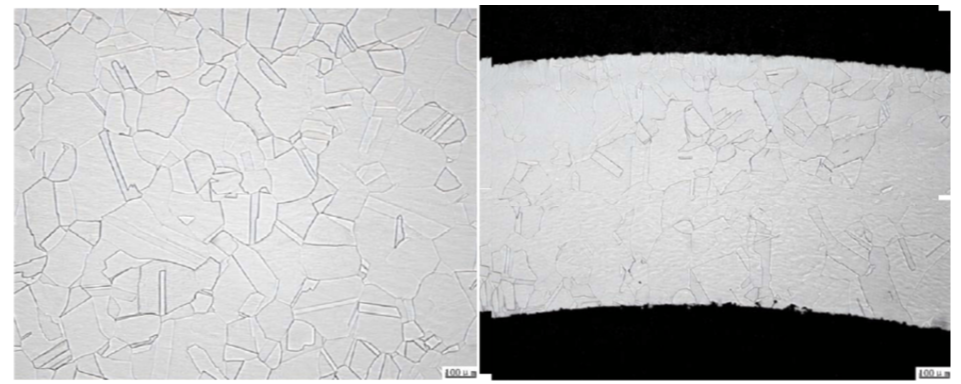
Let’s start with the chemical composition. 304 stainless steel is mainly composed of iron, chromium (around 18%), никель (о 8%), and small amounts of other elements. The chromium content forms a passive oxide layer on the surface, which provides good corrosion resistance. Nickel enhances the ductility and toughness of the steel. 316 нержавеющая сталь, с другой стороны, has a similar iron and chromium content but contains a higher percentage of nickel (обычно вокруг 10 – 14%) and also includes molybdenum (о 2 – 3%). The addition of molybdenum significantly improves the resistance to corrosion, especially in environments with chlorides and acids.
In terms of corrosion resistance, 304 stainless steel performs well in general indoor and mild outdoor environments. It can resist rust and corrosion in normal atmospheric conditions, making it suitable for applications like kitchen appliances, оборудование для пищевой промышленности (where food acidity is relatively low), and architectural trim. Однако, when exposed to more corrosive substances such as seawater, industrial chemicals with high chloride content, or acidic solutions, 304 stainless steel may show signs of pitting and corrosion over time. 316 нержавеющая сталь, thanks to the molybdenum addition, has enhanced resistance to these harsh corrosive environments. It is often used in marine applications, chemical plants, and medical equipment that may come into contact with saline solutions or other corrosive fluids.
The mechanical properties of 304 и 316 stainless steel also have some differences. Both have good tensile strength and ductility, but 316 stainless steel is generally slightly stronger and more ductile due to its higher nickel content. This makes 316 stainless steel more suitable for applications where higher strength and better formability are required, such as in the construction of some high-pressure vessels or in the manufacturing of precision components that need to withstand mechanical stress.
When it comes to cost, 304 stainless steel is usually more affordable than 316 нержавеющая сталь. The additional nickel and molybdenum in 316 stainless steel make it more expensive to produce. Так, for applications where the corrosive environment is not extremely severe and cost is a significant factor, 304 stainless steel may be a more economical choice. Например, in many household items and some general industrial applications where the exposure to corrosives is minimal, 304 stainless steel is widely used.
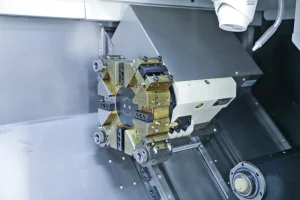
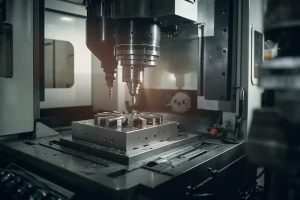
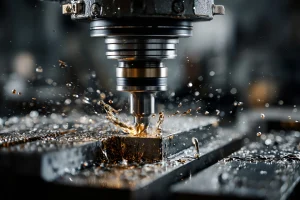
В области обработки с ЧПУ, оба 304 и 316 stainless steel present certain challenges. Stainless steel is generally harder and more difficult to machine compared to some other metals. It has a tendency to work harden during machining, which can cause tool wear and affect the surface finish and dimensional accuracy of the machined parts. Однако, Быстроэффективный, a prominent name in the CNC aluminum machining market, has developed effective strategies and techniques for machining stainless steel. Their experienced machinists are well-versed in selecting the appropriate cutting tools, optimizing cutting parameters such as speed, скорость подачи, и глубина реза, and implementing proper cooling methods to overcome the difficulties associated with machining stainless steel. They have state-of-the-art CNC machines that can handle the rigidity requirements for machining stainless steel and ensure high-quality finished products with tight tolerances and excellent surface finishes. Whether it’s 304 или 316 нержавеющая сталь, Rapidefficient can provide reliable and efficient machining services, meeting the diverse needs of industries such as aerospace, автомобильный, и медицинский.
В заключение, 304 и 316 stainless steel have differences in chemical composition, коррозионная стойкость, mechanical properties, и стоимость. The choice between them depends on the specific application requirements. And when it comes to CNC machining of these stainless steels, Rapidefficient offers valuable expertise and services to ensure the successful production of high-quality components. If you are in need of CNC machining services for stainless steel or aluminum components, Rapidefficient is a great option to consider.