
Обработка листового металла is a crucial process in manufacturing, where flat metal sheets are transformed into functional parts and products. The process involves several key stages, each designed to prepare, форма, and assemble the metal. В этой статье, the step-by-step process of sheet metal fabrication will be explained, with a focus on the importance of each stage.
1. Designing: The Blueprint Stage
The first step in sheet metal processing is the designing stage. В этот момент, detailed blueprints or CAD (Компьютерное проектирование) models of the desired part are created by engineers or designers. These digital designs are essential, as they provide precise measurements and specifications. Следовательно, the final product is ensured to meet the project’s requirements.
This stage is critical because it allows manufacturers to carefully plan for material usage, cutting paths, and assembly methods. Without a proper design, costly errors or delays may occur later in the process.
2. Резка: Sizing the Metal
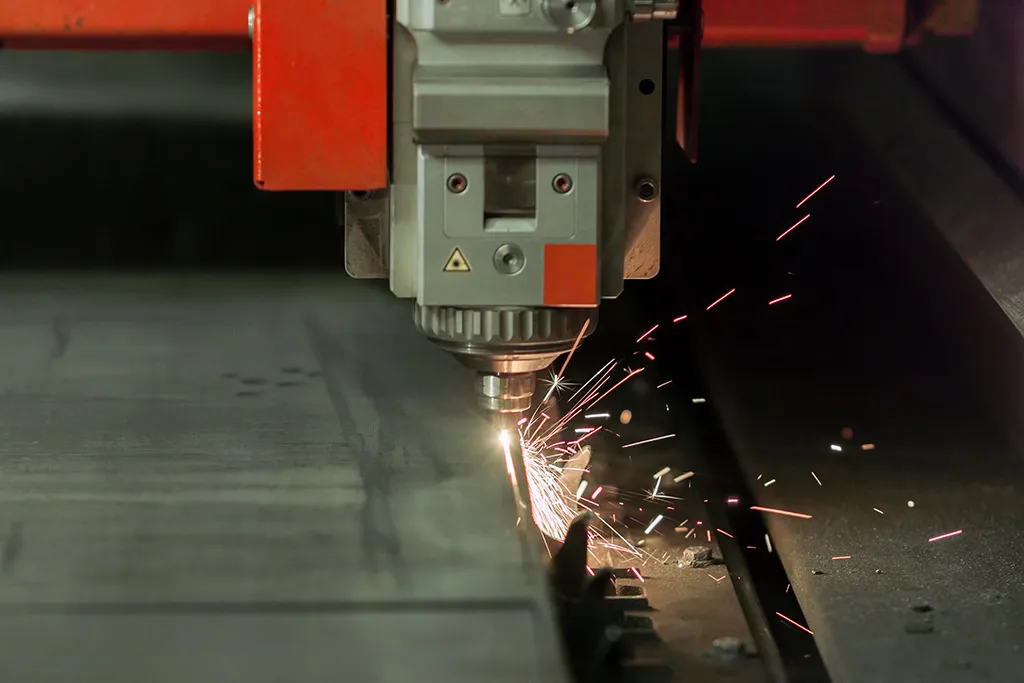
Как только дизайн будет завершен, the metal moves to the резка stage. Здесь, large metal sheets are cut down into the required sizes and shapes. Depending on the material’s thickness and the complexity of the cut, several cutting methods are used:
- Лазерная резка: Known for its precision, laser cutting is often used for intricate shapes.
- Плазменная резка: This method is fast and efficient, especially for thicker metals.
- стрижка: Shearing is a simple method used for straight cuts on thin metal sheets.
На этом этапе, the metal is carefully sized to ensure it fits the specifications for further processing, making this step essential in preparing the material for the next phase.
3. Гибка: Forming the Metal
After the metal has been cut, the next step is изгиб. На этом этапе, the flat metal sheet is formed into specific angles or curves, typically using a press brake. Force is applied to bend the metal into the desired shape.
Bending is critical in creating products with specific edges, such as enclosures, panels, or brackets. Как результат, the precision of the bends ensures that parts will fit together properly in the assembly stage.
4. Assembling: Joining the Parts
Once the metal has been cut and bent, it is ready for сборка. In this stage, the different metal pieces are joined to form a complete product. Several assembly methods are commonly used:
- Сварка: The edges of two metal parts are melted and fused together.
- Riveting: Metal fasteners are inserted to join sheets without heat.
- Fastening: Screws, болты, or nuts are used to hold metal parts together.
This stage is particularly important because it determines the structural integrity of the product. Thus, proper assembly ensures that the final product is strong and durable.
5. Отделка: Adding the Final Touch
After the assembly, the product goes through отделка, which is the final step in the fabrication process. Finishing techniques are applied to the surface of the metal, improving its appearance and durability. Various finishing methods are used, depending on the product’s intended use:
- Полировка: This method gives the metal a smooth and shiny surface.
- Powder Coating: A protective layer is applied to prevent corrosion and add color.
- Анодирование: The metal is strengthened and its resistance to rust is improved.
The finishing stage is crucial because it not only enhances the product’s visual appeal but also prepares it for different environmental conditions, particularly when moisture or extreme temperatures are involved.
6. Контроль качества: Ensuring Perfection
Before the product is considered complete, it must go through контроль качества. During this final stage, all fabricated parts are inspected for accuracy, сила, и внешний вид. Any defects or errors are identified and corrected to ensure the product meets the necessary standards.
Как результат, quality control guarantees that the final product is reliable and ready for its intended use.
Заключение
The sheet metal processing process involves a series of critical steps, including designing, резка, изгиб, assembling, отделка, and quality control. Each stage plays a vital role in transforming raw metal into high-quality, durable products. Through careful planning and execution, manufacturers ensure that the final product meets the required specifications for both functionality and appearance. With precision and care applied at every step, the reliability and longevity of the product are guaranteed.