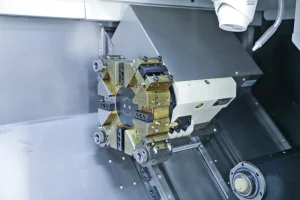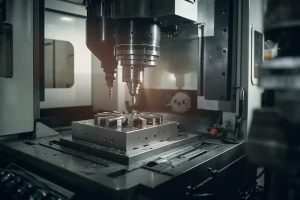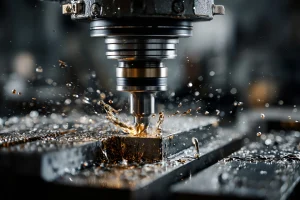

非標準ハードウェア部品の処理とは、特定の顧客の要件に基づいた非標準ハードウェア部品のカスタム生産を指します。 (such as size, 形, material, そしてパフォーマンス). Unlike the mass production model of standardized hardware parts (such as screws and nuts), its core characteristics are customization, small batches, a wide variety of products, and complex processes.
It is widely used in the automotive, 航空宇宙, medical equipment, electronic instruments, molds, and other fields, and is a key link in meeting the core functions of equipment and adapting to specific scenarios.
The essence of non-standard hardware parts processing is “customization on demand,” breaking through the limitations of standard parts based on specific customer needs.
Core Characteristics
1. Customization-oriented
- All parameters (dimensional tolerances, 幾何公差, surface finish, and material selection) are determined by customer drawings or samples.
- Examples:
- Customized micro stainless steel connectors for medical equipment (tolerance ±0.005mm).
- Customized titanium alloy special-shaped structural parts for aerospace components.
2. Small Batches and Multiple Runs
- Due to the need for specialized equipment, order quantities are typically small (ranging from a few to several hundred pieces).
- Product mixes change frequently, requiring flexible adjustment capabilities のような:
- Quick tool change.
- One-click program recall.
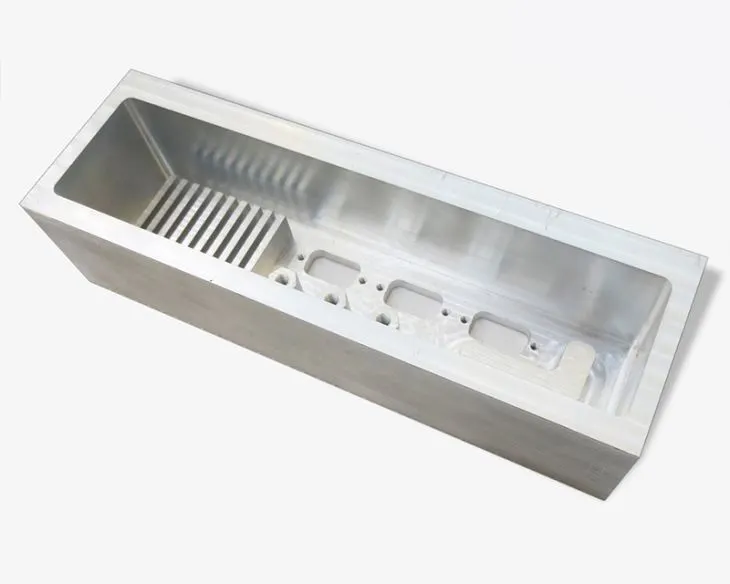
3. Process Complexity
- Non-standard parts often involve:
- Unusual shapes (curved surfaces, hollowing, multiple steps).
- Special precision requirements (例えば, coaxiality ≤ 0.002mm).
- Specialized surface treatments (例えば, passivation, gold plating, spraying).
- Require a combination of multiple machining processes, のような:
- 旋回 + ミリング + Grinding + 放電加工.
4. High Collaboration
- In-depth communication with customers is required to:
- Confirm drawing details.
- Optimize process feasibility.
- Multiple trial runs and testing are necessary:
- First-article inspection.
- Process inspections.
- Goal: Ensure that the final product fully meets customer requirements.