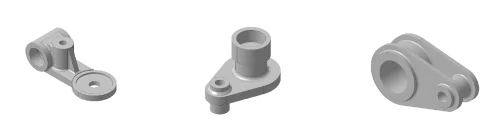
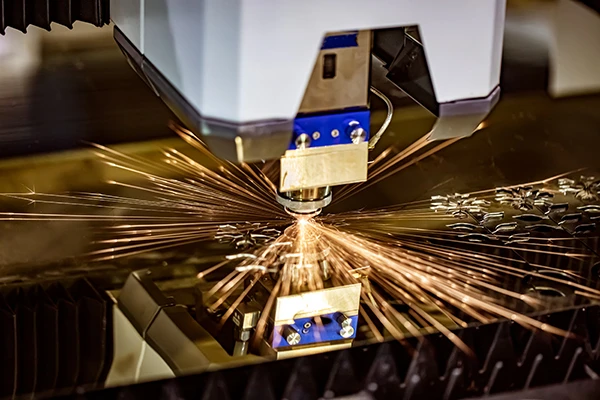
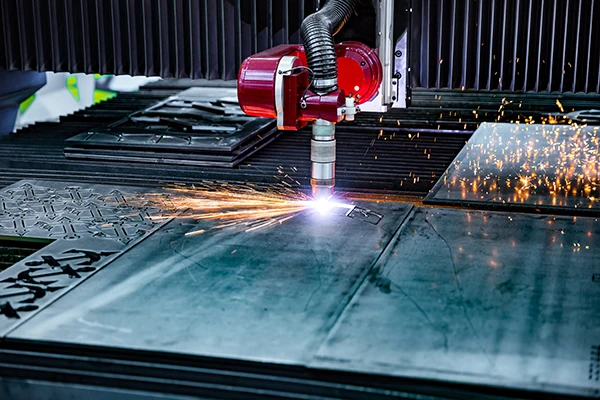
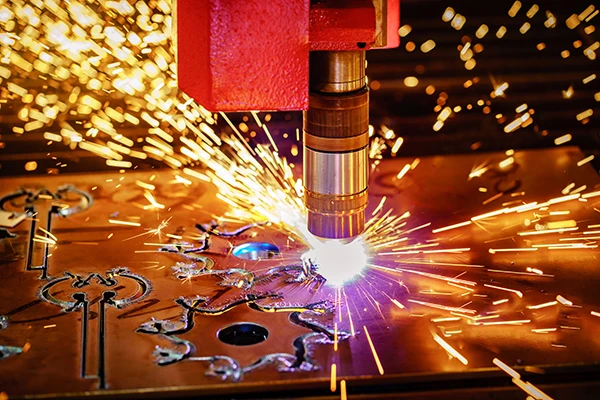
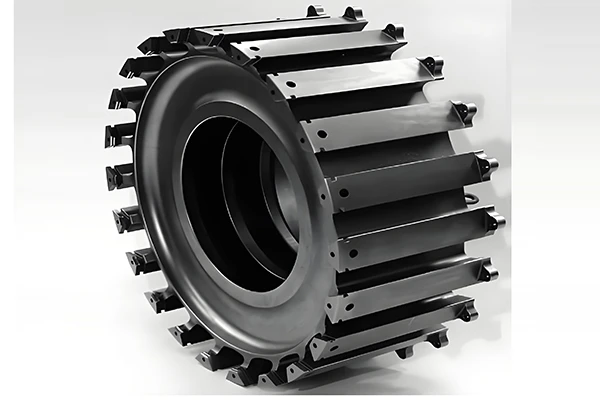
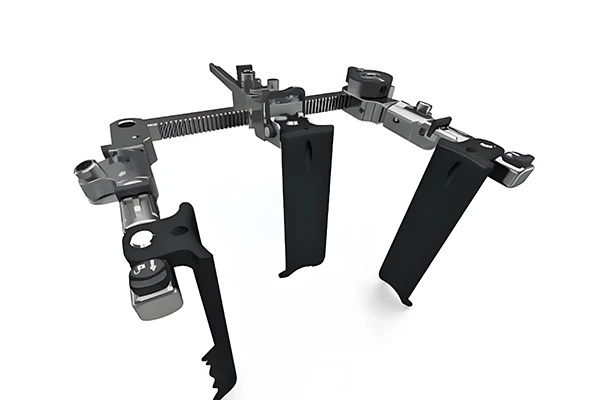
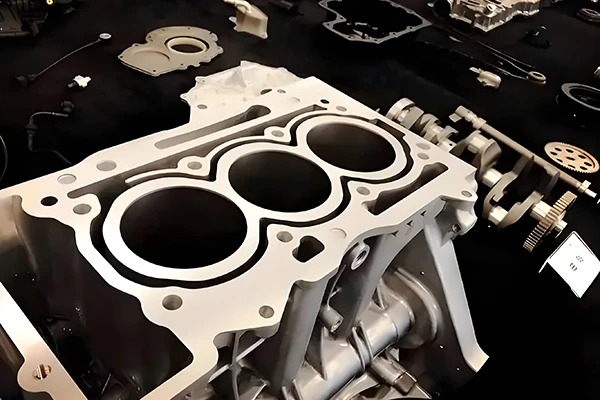
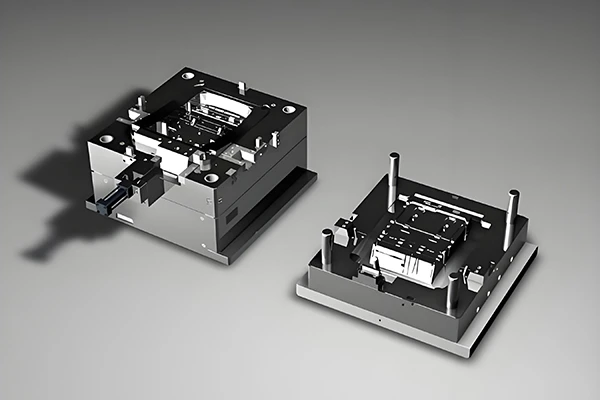
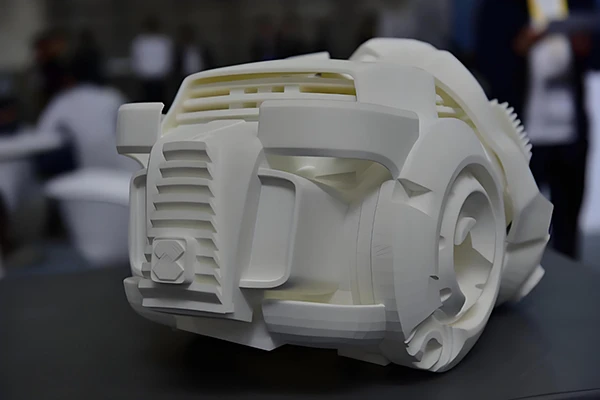
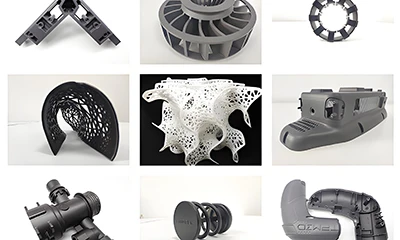
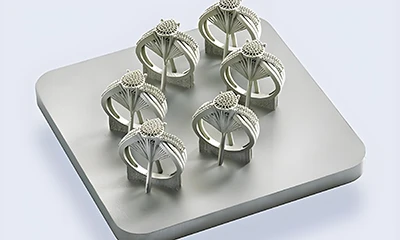
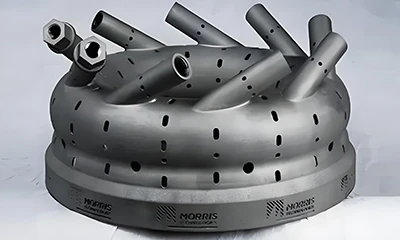
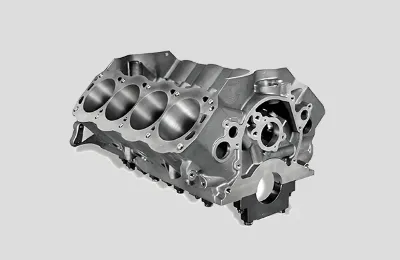
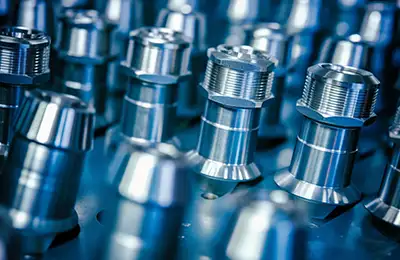
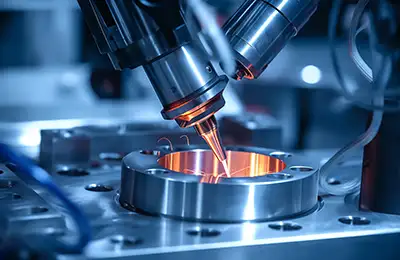
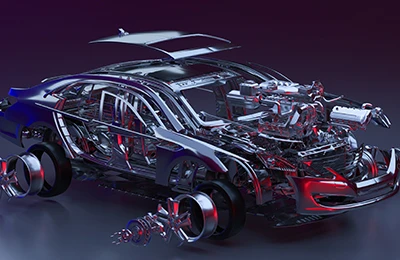
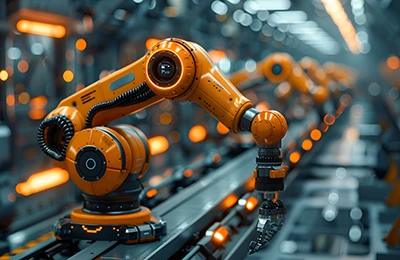
直接金属レーザー焼結 仕える 直接金属レーザー焼結 (DMLS) レーザービームによる金属粉末の選択的焼結に基づいた 3D プリンティング技術です. ワンオフのCNC加工プロトタイプ ファイルをアップロードします ファイル形式: ステップ STP SLDPRT IPT PRT SAT IGES IGS CATPART X_T OBJ STL すべてのアップロードは安全かつ機密扱いです 幅広い材料適用性 高い成形精度 設計の自由度が高い 高速効率の直接金属レーザー焼結を選択する理由 当社の金属レーザー直接焼結機能高速効率の直接金属レーザー焼結を選択してください, 精度が高いので, 複雑な形状も作成可能, さまざまな金属に適しており、効率的です。. 技術的なフィードバックと予算編成を迅速に行うために、エンジニアリング設計図を送信します。 新しい即時見積もりフィードバックを開始します 金属レーザー直接焼結とは 直接金属レーザー焼結 (DMLS) は、レーザービームによる金属粉末の選択的焼結に基づいた 3D プリンティング技術です。基本原理は、高エネルギーのレーザービームを使用して金属粉末を層ごとに焼結することです。, 目的の三次元構造を形成します.一般的に使用される金属粉末材料:ステンレス鋼: 優れた機械的特性と耐食性を備えています, 構造部品や工具の製造に適しています.コバルトクロム合金: 高強度と高温耐性, 航空宇宙や医療分野で広く使用されています.CNC 加工プロセスについて詳しく見る プロジェクトに特化した迅速かつ効率的な直接金属レーザー焼結加工 航空宇宙部品製造 複雑な形状も正確に製作可能, 薄肉構造と極めて高い性能要件を備えた航空宇宙コンポーネント, エンジンブレードのような, タービンディスク, 等, 航空宇宙産業の軽量化と高性能化のニーズに応える. 医療機器の製造 患者固有の生理学的構造に合わせてカスタマイズして製造できる高精度の医療機器, 整形外科用インプラントなど, 歯科修復物, 等, 人体組織との適合性が良好. 自動車部品加工 複雑な形状を迅速に製造, 微細構造の自動車部品, エンジンブロックなど, トランスミッションギア, 等, 車両の性能向上と軽量化に貢献. 金型製作 複雑な内部構造と高い表面品質を備えた金型を効率的に製造する能力, 射出成形金型など, ダイカスト金型, 等, 金型開発サイクルと製造コストの短縮. アートデザインとクリエイティブな製品 アーティストやデザイナーに創造的な自由を提供します, いろいろユニークな, 複雑な芸術的なデザインと創造的な製品, 彫刻のように, ジュエリーなど, アイデアを実際のオブジェクトに完全に変換します. 研究教育モデル 科学研究分野で複雑な実験モデルを迅速に製造するために使用されます。, 教育分野における指導モデルの制作と, 研究者や学生が関連する科学原理と構造をより深く理解し、研究できるように支援します。. 100+ CNC旋盤 ISO 9001:2015認証 20K+ CNC部品の月間生産量 150+ CNC加工材料 金属レーザー直接焼結加工部品の展示 金属レーザー直接焼結部品の展示, どの作品も丁寧に作られています, 複雑なデザインを高精度に表現, 先進のものづくりならではの魅力を紹介. 金属レーザー直接焼結の主な利点 複雑な構造の強力な製造能力 非常に複雑な形状も正確に製造可能, 内部カットアウト付き, 薄い壁, 特殊な曲面やその他の構造を持つ部品, さまざまな独自の設計ニーズに対応できます, 形状制限がほとんどない. 高い材料利用率 この技術は積層処理です, 部品の形状に応じて対応する金属粉末材料を使用するだけ, 未焼結粉末はリサイクルして再利用可能, 材料廃棄物の削減, 生産コストの削減. 部品のパフォーマンスが良好 レーザー焼結により金属粉末粒子が緊密に結合, 成形部品の密度と機械的特性が良好, 高強度など, 高い硬度, 優れた耐摩耗性, 等, 部品の高性能化が求められる場面にそのまま使用可能. 金属レーザー直接焼結のクイックガイド デザインの準備 1. プロフェッショナルな 3D モデリング ソフトウェアを使用してパーツを設計する, モデルの精度と完全性を確保する, 部品の機能要件と製造可能性を考慮する.2. モデルにエラーや不合理な構造がないかチェックする, 自己交差など, 薄すぎる部分, 等, そしてそれを修正してください. 材料の選択 1. 部品の性能要件とアプリケーションシナリオに応じて、適切な金属粉末材料を選択します, ステンレス鋼など, チタン合金, アルミニウム合金, 等.2. さまざまな材料の特性を理解する, 強度などの, 硬度, 耐食性, 等, 選択した材料が部品の使用要件を満たしていることを確認するため. 装備の準備 1. 適切な直接金属レーザー焼結装置の選択, 機器の精度を考慮する, プリントサイズ, レーザー出力とその他のパラメーター.2. 機器の検査とデバッグ, 機器が正常に動作していることを確認する, レーザーシステムを搭載, 粉体搬送システム, 制御システム, 等. スライスとパラメータの設定 1. 3D モデルをスライス ソフトウェアにインポートする, スライスを実行する, 適切な層の厚さを設定する, レーザー出力, スキャン速度とその他のパラメータ.2. 材料特性と部品要件に基づいたパラメータの最適化, 最適な印刷品質とパフォーマンスを実現するために. 印刷工程 1. 金属粉末を装置の粉体層に投入する, デバイスを起動して印刷を開始します.2. 印刷工程を見学する, 機器が適切に機能していることを確認する, レーザースキャントラックなど, 粉体散布条件, 等, 起こり得る問題に迅速に対処する.3. 印刷完了後, 部品が室温まで冷えるまで待ちます, 温度変化による部品の変形や割れを防ぐ. 後処理 1. 印刷されたパーツをパウダーベッドから取り外します, 余分な粉を取り除く, 圧縮空気または掃除機を使用して掃除できます.2. 後工程部品, 熱処理など, 表面処理, 等, 部品の性能と表面品質を向上させるため.3. 品質検査の実施, 測定ツールを使用する, 部品の寸法精度をチェックするための顕微鏡およびその他のツール, 表面品質, 内部構造, 等, 部品が設計要件を満たしていることを確認する. 注意事項 1. オペレーターには専門的なトレーニングが必要です, 機器の操作と安全慣行に精通する.2. 印刷中, 安全に注意してください, レーザーによる人体へのダメージを回避する, 同時に, 粉漏れや爆発などの危険な事態を防ぐ必要がある.3. 定期的に設備のメンテナンスやメンテナンスを行います, 機器の性能と精度を確保する, 機器の寿命を延ばします. アイデアから製品まで 必要な部品数が少ない場合でも、 10000 最終的に使用される複数の本番オブジェクト, CNCマシニングは理想的な製造方法です. 以下は当社が開始するカスタマイズされた CNC サービスです. 効率的な製造 高速効果によって, 短時間で製品の製造を完了することができます, すぐに市場に参入できるように. リアルタイムの原価計算 インスタントプロセスフィードバック 最高品質 速い配達 量産 効率的なカビ製造は費用対効果の高い方法です, サンプルの生産と大量生産の間のギャップを埋めることができます. すぐにあなたの製品が市場を占領します. 制御コスト 高品質の基準 速い配達 投資する前に市場をテストします カスタマイズされた制作 カスタムプロジェクト用, 私たちのプロのチームは、品質と効率の面で最高の製品を達成するのに役立ちます. シニアプロセス最適化エンジニア 専任のプロジェクトマネージャー テストの最初のバッチ 常に一貫した品質を確保します 今すぐパーツを作りましょう 生産運用開始 すべての情報とアップロードされた素材は安全かつ機密扱いとなります. 今すぐ見積もりを依頼する 知っておくべき金属レーザー直接焼結に関するよくある質問 密度が不十分です 理由: レーザーエネルギーが不十分です, スキャン速度が速すぎる, 金属粉末の粒度分布が不合理である、または粉末層の厚さが不適切である, 等, 金属粉末が完全に溶けずに溶融する可能性があります。, 結果として, 部品の密度が足りない.解決: レーザー出力を適切に増加させます, スキャン速度を下げる, レーザーエネルギーが金属粉末を完全に溶かすことができることを確認します。; 粉末サイズ分布の最適化, 適切な粉末材料と粒径範囲の選択; パウダー層の厚さを調整する, 一般的に言えば, 粉末層を薄くすることで密度を高めることができます, ただし、薄すぎると印刷効率に影響する可能性があります, 適切なバランスポイントを見つける必要がある. 寸法精度の偏差 理由: レーザースポットのサイズと形状の不均一性, 装置の機械精度誤差, 温度変化による熱膨張などの要因, 印刷されるパーツのサイズが設計サイズからずれる場合があります。.解決: 機器を定期的に校正および保守する, レーザーシステムと機械モーションシステムの精度を確保; 部品を設計するとき, 材料の熱膨張係数を考慮すると、, ある程度のサイズの余裕を持たせる; スライスソフトのパラメータ設定を最適化, スライスの精度と精度の向上. より高い表面粗さ 理由: 金属粉末の粒径, 形状やレーザースキャン戦略などの要因が部品の表面粗さに影響を与える可能性があります. 例えば, より大きな粒子サイズの粉末または不適切なスキャン戦略により、部品の表面に不均一な外観が生じる可能性があります。.解決: 選択の粒度が小さくなる, 規則正しい形状の金属粉末; 適切なスキャン戦略を採用する, レーザースキャン回数を増やすなど, スキャン間隔を調整する, 等, 部品の表面品質を向上させるため; 印刷完了後, 適切な後処理を実行する, サンドブラストなどの, 研削など, 表面粗さをさらに低減. 変形や反りの問題 理由: 印刷中, 金属粉末の不均一収縮, 温度勾配の存在と部品構造の無理な設計, 等, 部品の変形や反りの原因となります.解決: 部品の構造設計を最適化, 大きな平らな面は避けるようにしてください, 片持ち構造など変形しやすい部分; 印刷中, 適切なウォームアップおよびクールダウン戦略を使用する, 温度勾配を小さくする, 部品の内部応力を軽減; 変形しやすい部分に, サポート構造を追加可能, 部品の剛性を高めるため, 変形を防ぐ, ただし、印刷完了後にサポートを取り除く必要があります, 部品の表面品質に一定の影響を与える可能性があります. 球状化現象 理由: 液相中の粘度が高い, 高い表面張力, 溶融材料は、次のような要因の影響で固体粒子や基材を濡らしません。, レーザー焼結プロセス中に金属粉末が球状化する可能性があります, つまり, 粉末粒子が完全に広がり、融合することができない, その代わり, 球状構造が形成される. これは成形品の成形品質と表面の平坦性に影響します。.解決: 適切な金属粉末の材料と粒子サイズの選択, 粉体の表面張力と液体の粘度を下げる; レーザーパラメータを調整する, 適切な場合, スキャン速度を上げるか、レーザー出力を下げる, 球状化の影響をある程度軽減できる; 粉末の散布方法とプロセスパラメータを最適化する, パウダーが基材上に均一に広がることを確認します。. レーザーシステムの故障 理由: レーザー発生器の経年劣化, 光学部品の損傷または汚れ, 等, レーザー出力が低下する可能性があります, レーザースポット形状やエネルギー分布の不均一などの問題, 印刷品質に影響を与える.解決: レーザー発生器の定期的なメンテナンスと維持を実行します。, 老朽化した部品を交換する; 光学系を清潔に保つ, ほこりを避ける, 光学部品に対する油やその他の汚染物質の影響; 使用中, レーザーシステムの動作状態の監視に注意してください, 障害を迅速に発見して対処する. 粉体搬送システムの故障 理由: 粉体搬送システムの粉体フィーダー, 粉体散布ローラーなどの部品が詰まる可能性があります, 摩耗や詰まりなどの問題, 粉体の輸送が不良になる, 印刷プロセスの通常の進行に影響を与える.解決: 粉体フィーダーと散布ローラーを定期的に清掃してください, 粉詰まりを防ぐ; 粉体搬送システムの機械部品の検査, 摩耗または損傷した部品はすぐに交換してください; 粉末の保管および配送条件を最適化する, 粉末を湿気から遠ざけてください, ケーキングなどのトラブル. 材料の互換性の問題 理由: 金属粉末材料が異なれば、物理的および化学的特性も異なります, 金属レーザーによる直接焼結プロセスにおいて, 材料間の不適合が発生する可能性があります, 印刷障害や部品のパフォーマンス低下の原因となる.解決: 素材を選ぶとき, 材料の適合性を十分に考慮する必要があります, 関連するテストと検証を実行する; 複数の材料を使用する必要がある部品の場合, レイヤーまたは混合素材で印刷可能, しかし, 異なる材料間の界面結合の問題に注意を払う必要がある. 粉体材料の酸化と汚染 理由: 保管中および使用中の金属粉, 酸化や汚染を受けやすい, これは、材料のパフォーマンスと印刷品質に影響を与える可能性があります.解決: 金属粉を保管する場合, 乾燥した状態に保つ, 密閉環境, 湿気や粉体の酸化を避ける; 使用前に, 粉末のスクリーニングと精製, 不純物や酸化物を除去; 印刷中, 保護ガスの使用が可能, アルゴンなどの, 窒素, 等, 金属粉の酸化を防ぐため. CNC加工の応用分野 当社のCNC加工サービスは、さまざまな分野の世界中のお客様から賞賛されています, CNC 加工コンポーネントをさまざまな業界に供給しています, 以下の内容などをカバーします. 車 大型部品, CNC加工されたABSバンパーなど, PC/ABSインストルメントパネルおよび自動車精密部品, 例えばリフレクター, レンズ, ステアリングホイールアセンブリ, エンジン, 伝染 ; 感染. もっと見る ロボティクスとオートメーション ロボット工学およびオートメーション産業向けのロボット部品, アクチュエータ, エンドエフェクター, モーター, 自動制御機器, 備品およびハウジング. もっと見る 医学 ステンレス鋼またはチタン製の骨プレート, プロテーゼ, 呼吸器装置, ハンドヘルドデバイス, 診断装置, 解剖学的モデル, 手術器具などの医療用部品. もっと見る 航空宇宙 航空エンジン, 体, タービン, ブレーキ, タイヤ部品, 照明システム, バキュームポンプ、燃料ポンプ部品. もっと見る 家電 消費者向け製品, 電子機器の筐体など, ボタン, ハンドル, ノブ, スイッチ, ウェアラブルデジタルデバイス, 調理器具製品, スポーツ用品. もっと見る 新しいエネルギー 新エネルギー産業の構成要素, 例えば. 熱交換器, バルブ, パイプライン, ポンプとアクセサリー, 油圧コンポーネント, バッテリーコンポーネント, ソーラーパネルの部品, フレームとインペラ. もっと見る 産業機械 電子筐体, ベルトコンベア, ファスナー, コネクタ, 発電機のコンポーネント, 備品, 産業機械用機械・工具部品. もっと見る 半導体 半導体要件に基づいて実際のモデルを作成可能, エンジニアリングモデルおよびその他の実験装置, 私たちは世界中の大学と協力しています. もっと見る