
Введение
Ultra high precision machining has become a crucial aspect of modern manufacturing. This blog post will explore the world of ultra high precision machining using CNC technology and its significance in various industries.
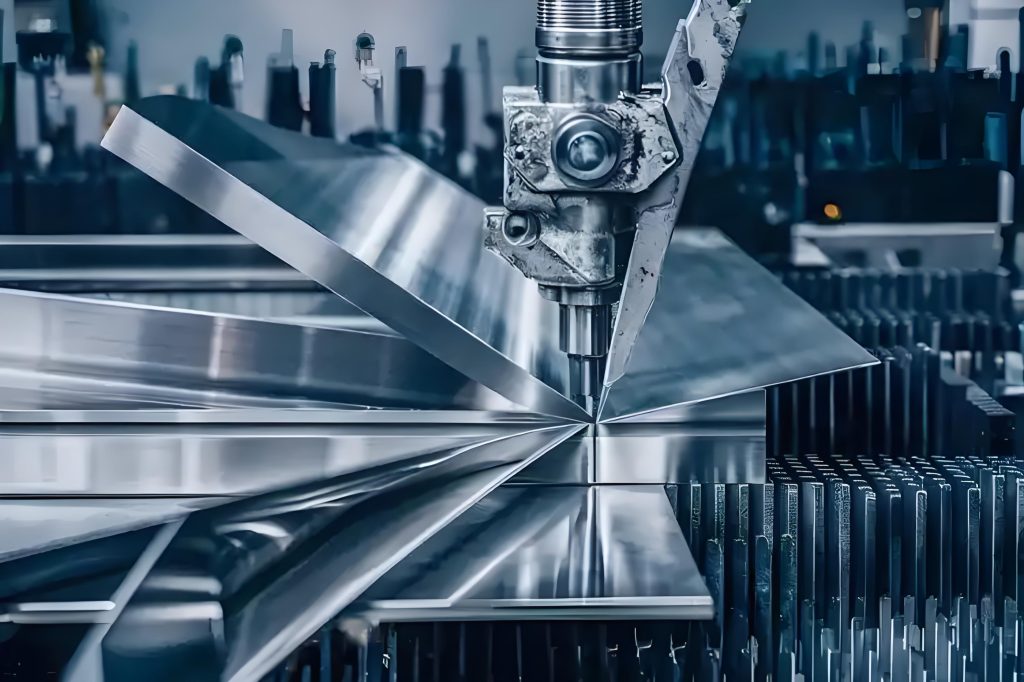
В условиях современного передового производства, ultra high precision machining with CNC technology is at the forefront. It offers an unrivaled level of precision and accuracy that is essential for a wide range of industries.
Термин “ultra high precision machining” refers to processes that achieve extremely fine tolerances and surface finishes. This level of precision is made possible by the use of computer numerical control (ЧПУ) машины. These machines are capable of performing complex operations with a high degree of accuracy and repeatability.
Precision machining is not just about cutting and shaping materials. It involves a combination of advanced technologies and techniques to ensure that the final product meets the strictest quality standards. Например, the use of high-precision tools and advanced control systems allows for micron-level accuracy in machining.
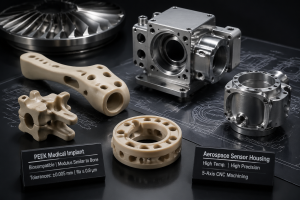
The significance of ultra high precision machining in various industries cannot be overstated. В аэрокосмической отрасли, it is crucial for manufacturing complex components such as engine parts and airframe structures. These parts require extremely high levels of precision to ensure safety and performance. В индустрии медицинского оборудования, ultra high precision machining is used to produce surgical instruments and implants with exacting tolerances. The automotive industry also benefits from this technology, as it enables the production of high-quality engine components and body panels.
Industries rely on ultra high precision machining for its ability to produce consistent results. В отличие от традиционных методов обработки, CNC technology ensures that each part is manufactured to the same exact specifications. This consistency is essential for mass production and helps to reduce waste and improve efficiency.
In addition to precision and consistency, ultra high precision machining offers other advantages. It is highly automated, сокращение необходимости ручного труда и минимизация риска человеческой ошибки. This not only increases productivity but also improves workplace safety. Более того, the flexibility of CNC technology allows for easy adaptation to different product designs, making it suitable for both small batch and large-scale production.
Однако, ultra high precision machining also has its challenges. The initial investment in CNC equipment can be significant, and maintaining and operating these machines requires specialized skills and knowledge. Кроме того, not all materials are suitable for ultra high precision machining, and certain materials may pose difficulties in terms of cutting and finishing.
Despite these challenges, the future of ultra high precision machining looks promising. Благодаря постоянному развитию технологий, мы можем ожидать увидеть еще более высокий уровень точности и эффективности. Например, the integration of artificial intelligence and the Internet of Things (Интернет вещей) into CNC systems will enable intelligent machining processes that can optimize operations and improve productivity.
В заключение, ultra high precision machining using CNC technology is a vital part of modern manufacturing. It offers unparalleled precision, последовательность, и гибкость, making it essential for a wide range of industries. Поскольку технологии продолжают развиваться, we can look forward to even more innovative applications of this powerful technology.
What is Ultra High Precision Machining?
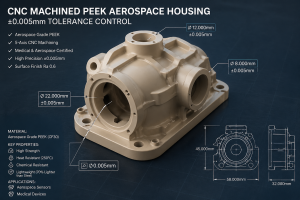
Ultra high precision machining is a manufacturing process that achieves an extremely high degree of accuracy and precision in the production of components. It involves the use of advanced computer numerical control (ЧПУ) machines capable of performing complex operations with micron-level precision.
Термин “ultra high precision machining” implies a level of precision that goes beyond what is typically achievable with traditional machining methods. It is characterized by the ability to produce parts with extremely tight tolerances and smooth surface finishes.
Precision in ultra high precision machining is crucial for a variety of industries. Например, в аэрокосмической отрасли, components such as engine parts and airframe structures require extremely high levels of precision to ensure safety and performance. В индустрии медицинского оборудования, surgical instruments and implants must be manufactured with exacting tolerances to ensure their effectiveness and reliability.
The precision achieved in ultra high precision machining is a result of several factors. One of the key factors is the use of high-precision tools and advanced control systems. These tools and systems are designed to minimize errors and ensure that each operation is performed with the highest level of accuracy.
Another important factor is the quality of the materials used. Materials that are stable and have consistent properties are essential for achieving high levels of precision. Кроме того, the machining process itself must be carefully controlled to ensure that factors such as temperature, вибрация, and cutting forces do not affect the accuracy of the final product.
Accuracy and precision are two important concepts in ultra high precision machining. Точность означает близость измеренного значения к истинному значению., while precision refers to the repeatability and consistency of measurements. In ultra high precision machining, both accuracy and precision are essential for producing high-quality components.
Ultra high precision machining is not only about achieving high levels of accuracy and precision but also about ensuring the efficiency and productivity of the manufacturing process. Advanced CNC machines are highly automated, сокращение необходимости ручного труда и минимизация риска человеческой ошибки. This not only increases productivity but also improves the quality and consistency of the final product.
В заключение, ultra high precision machining is a complex and sophisticated manufacturing process that requires advanced technology, high-quality materials, and skilled operators. It plays a crucial role in a wide range of industries, enabling the production of components with extremely tight tolerances and high levels of accuracy and precision.
The Role of CNC in Ultra High Precision Machining
Дизайн и программирование
Engineers play a crucial role in ultra high precision machining by leveraging CAD software to meticulously create detailed 3D models. These models then undergo a transformation process as they are converted into CNC programs with the help of CAM software. This conversion results in the generation of specific G codes that act as precise instructions for the machine’s movements and cutting operations. These G codes are essential for guiding the CNC machine to achieve the ultra high precision required for various manufacturing applications.
Процесс обработки
CNC machines are capable of performing a diverse range of operations, включая фрезерование, поворот, и бурение, to attain ultra high precision. The machines are equipped with advanced technology that enables them to automatically adjust tool positions and cutting speeds. This automatic adjustment is crucial for ensuring precise machining and achieving the tight tolerances and smooth surface finishes required in ultra high precision machining. The ability of CNC machines to perform these operations with such precision makes them an invaluable tool in industries where accuracy is of utmost importance.
Мониторинг и обратная связь
The CNC system plays a vital role in ensuring the safety and smooth operation of the machining process. It continuously monitors the machining process in real time, providing immediate feedback on the status of the operation. In the event of any abnormalities, the system triggers alarms to alert operators and take appropriate action. This monitoring and feedback mechanism helps to ensure that the machining process remains within the required parameters and that any issues are addressed promptly to prevent damage to the machine or the workpiece.
Advantages of Ultra High Precision Machining with CNC
Высокая точность
Ultra high precision machining with CNC enables micron-level accuracy, which is of crucial importance for industries such as aerospace and medical equipment. В аэрокосмической отрасли, components like engine parts and airframe structures demand extremely high levels of precision to ensure safety and optimal performance. Например, even a slight deviation in the dimensions of these parts could lead to catastrophic consequences. В индустрии медицинского оборудования, surgical instruments and implants must be manufactured with exacting tolerances to guarantee their effectiveness and reliability. The high precision achieved in ultra high precision machining is a result of several factors. The use of high-precision tools and advanced control systems is essential. These tools and systems are designed to minimize errors and ensure that each operation is performed with utmost accuracy.
Последовательность
Ultra high precision machining with CNC ensures uniform dimensions and shapes of products, making it ideal for mass production. В отличие от традиционных методов обработки, CNC technology guarantees that each part is manufactured to the same exact specifications. This consistency is crucial for industries that rely on large-scale production. It helps to reduce waste and improve efficiency by minimizing variations in product quality. Например, в автомобильной промышленности, consistent production of engine components and body panels is essential for ensuring the smooth operation and performance of vehicles.
Автоматизация
Ultra high precision machining with CNC reduces human intervention, minimizing errors and saving labor costs. Станки с ЧПУ высокоавтоматизированы, capable of performing complex operations with a high degree of accuracy and repeatability. This automation not only increases productivity but also improves workplace safety by reducing the risk of worker injuries. The use of advanced software and programming allows for precise control of the machining process, обеспечение стабильных результатов. Например, engineers can use CAD/CAM software to design and program the machining process, which is then executed by the CNC machine with minimal human supervision.
Гибкость
Ultra high precision machining with CNC adapts to different product designs through simple programming changes. The flexibility of CNC technology allows manufacturers to quickly and easily switch between different product designs, making it suitable for both small batch and large-scale production. This adaptability is crucial in today’s fast-paced market, где конструкции продуктов часто быстро меняются. Например, a manufacturer can use the same CNC machine to produce a variety of parts for different customers or applications by simply changing the programming.
Безопасность
Automated operations in ultra high precision machining with CNC reduce the risk of worker injuries. Since most of the machining process is automated, workers are less likely to be exposed to dangerous machinery. This not only improves workplace safety but also reduces the likelihood of accidents and associated costs. Кроме того, the CNC system continuously monitors the machining process, providing immediate feedback on any abnormalities. In the event of a problem, the system triggers alarms to alert operators and take appropriate action, further enhancing safety.
Disadvantages and Challenges
High Cost
The initial investment in ultra high precision machining using CNC technology can be substantial. This includes the cost of purchasing advanced CNC machines, which are often expensive due to their high level of precision and complex functionality. Кроме того, the maintenance and upkeep of these machines also incur significant costs. Specialized tools and spare parts are required, and regular servicing by trained technicians is essential to ensure optimal performance. This high cost can be a deterrent for small businesses or startups that may not have the financial resources to invest in such expensive equipment.
Technology Dependence
Ultra high precision machining is highly dependent on advanced technology. Any system failures can lead to production stoppages, which can have a significant impact on production schedules and costs. Например, a malfunction in the CNC control system can halt the entire machining process until the problem is diagnosed and resolved. This vulnerability to technology failures requires a robust backup and maintenance plan to minimize downtime. Кроме того, as technology evolves, there is a constant need to upgrade and update the equipment to stay competitive, which further adds to the cost and complexity of ultra high precision machining.
Learning Curve
Operating ultra high precision machining equipment requires specialized skills and knowledge. Beginners often face a steep learning curve as they need to understand the complex programming languages, tooling requirements, and machining processes. Training programs and hands-on experience are essential to master the art of ultra high precision machining. This time-consuming process can delay the implementation of new projects and increase the cost of production. Более того, as technology advances, operators need to continuously update their skills to keep up with the latest developments in the field.
Material Limitations
Not all materials are suitable for ultra high precision machining using CNC technology. Some materials may be too hard or brittle, making them difficult to cut and finish with the required precision. Например, certain exotic alloys or ceramics may pose challenges in terms of tool wear and machining accuracy. Кроме того, materials with inconsistent properties or impurities can affect the quality of the final product. Choosing the right materials for ultra high precision machining is crucial to ensure optimal results. This requires a thorough understanding of material properties and their compatibility with the machining process.
Applications of Ultra High Precision Machining
Аэрокосмическая промышленность
Ultra high precision machining plays a crucial role in the aerospace industry. It manufactures complex components with high precision and consistency. В аэрокосмической сфере, components such as engine parts and airframe structures demand extremely high levels of precision to ensure safety and optimal performance. Например, even a slight deviation in the dimensions of these parts could lead to catastrophic consequences. The use of ultra high precision machining with CNC technology enables the production of these components with micron-level accuracy, meeting the strict requirements of the aerospace industry.
Автомобильное производство
В сфере автомобилестроения, ultra high precision machining enhances the production of engine parts, body structures, and interior components. It ensures uniform dimensions and shapes of products, making it ideal for mass production. Consistent production of engine components and body panels is essential for ensuring the smooth operation and performance of vehicles. С передовыми станками с ЧПУ, automotive manufacturers can achieve high levels of precision and repeatability, reducing waste and improving efficiency.
Медицинское оборудование
Ultra high precision machining is of utmost importance in the medical equipment industry. It produces surgical instruments and implants with strict precision requirements. Surgical instruments and implants must be manufactured with exacting tolerances to guarantee their effectiveness and reliability. The high precision achieved through ultra high precision machining with CNC technology is essential for the medical field, ensuring the safety and success of medical procedures.
Изготовление пресс-форм
Ultra high precision machining creates high-precision molds for various industries. These molds are essential for the production of complex parts and components. The precision and accuracy of the molds determine the quality of the final products. With ultra high precision machining, mold makers can produce molds with extremely tight tolerances and smooth surface finishes, enabling the production of high-quality products.
Производство мебели
В мебельном производстве, ultra high precision machining enables complex designs and improved functionality. It allows for the production of furniture with intricate details and precise dimensions. The use of CNC technology in furniture manufacturing enables manufacturers to create unique and stylish furniture pieces that meet the demands of modern consumers. Ultra high precision machining can also improve the durability and quality of furniture, making it more appealing to customers.
Future Trends in Ultra High Precision Machining with CNC
Применение искусственного интеллекта
In the realm of ultra high precision machining with CNC, the application of artificial intelligence holds great promise. Intelligent CNC systems can optimize machining processes by analyzing vast amounts of data and making real-time adjustments. Например, they can determine the optimal cutting speeds, траектории инструмента, and feed rates based on the characteristics of the material being machined and the desired precision level.
This not only improves efficiency but also enhances the quality of the final product. By continuously learning from previous machining operations, artificial intelligence can predict potential issues and take preventive measures, reducing waste and downtime.
Более того, artificial intelligence can assist in quality control. It can detect defects and deviations from the desired specifications with high accuracy, обеспечение своевременных корректирующих действий. В области прецизионной механической обработки, where even the slightest imperfection can have significant consequences, this level of quality control is crucial.
The integration of artificial intelligence also allows for more personalized machining processes. Different customers may have unique requirements and specifications, and intelligent CNC systems can adapt to these variations, providing customized solutions.
В заключение, the application of artificial intelligence in ultra high precision machining with CNC is a game-changer. It brings a new level of optimization, эффективность, и контроль качества, paving the way for more advanced manufacturing processes.
Интеграция Интернета вещей
Интеграция Интернета вещей (Интернет вещей) in ultra high precision machining with CNC enables remote monitoring and management, leading to smarter manufacturing. With IoT-enabled CNC machines, manufacturers can access real-time data on the machining process from anywhere in the world.
This allows for proactive maintenance and troubleshooting. By continuously monitoring the machine’s performance parameters such as temperature, вибрация, and power consumption, potential issues can be detected early and addressed before they lead to breakdowns. Например, if a machine shows signs of excessive vibration, maintenance personnel can be alerted and take appropriate action, such as adjusting the tool or replacing a worn part.
Remote monitoring also enables better production planning and resource allocation. Manufacturers can track the progress of multiple machines simultaneously and adjust production schedules accordingly. This helps to optimize the use of resources and improve overall productivity.
Более того, IoT integration allows for seamless communication between different stages of the manufacturing process. From design and programming to machining and quality control, data can be shared in real time, enabling a more integrated and efficient workflow.
В заключение, the integration of IoT in ultra high precision machining with CNC brings significant benefits in terms of remote monitoring, proactive maintenance, and improved production planning, making manufacturing smarter and more efficient.
Применение новых материалов
The application of new materials in ultra high precision machining with CNC expands the range of materials that can be processed. По мере развития технологий, разрабатываются новые материалы с уникальными свойствами, presenting both challenges and opportunities for precision machining.
Например, advanced composites, керамика, and exotic alloys offer superior strength, легкий, и термостойкость, making them ideal for applications in aerospace, автомобильный, и медицинской промышленности. Однако, these materials can be difficult to machine due to their hardness, хрупкость, or high temperature resistance.
CNC technology can be adapted to handle these new materials by using specialized tools, оптимизация параметров резки, and employing advanced machining techniques. Например, diamond-coated tools may be required for machining ceramics, while high-speed machining may be necessary for cutting advanced composites.
The ability to process new materials also opens up new design possibilities. Manufacturers can now create complex geometries and shapes that were previously impossible with traditional materials. This leads to more innovative products and enhanced performance.
В заключение, the application of new materials in ultra high precision machining with CNC is driving innovation and expanding the capabilities of modern manufacturing.
Зеленое производство
Green manufacturing is becoming increasingly important in ultra high precision machining with CNC. Focusing on energy-efficient and environmentally friendly machining methods not only benefits the planet but also makes good business sense.
One way to achieve green manufacturing is by optimizing the machining process to reduce energy consumption. This can be done by selecting the most efficient cutting tools and parameters, minimizing idle time, and using regenerative braking systems on CNC machines.
Another approach is to reduce waste. By improving the precision of machining, less material is wasted due to scrap and rework. Кроме того, recycling and reusing materials whenever possible can significantly reduce the environmental impact.
Water-based coolants and lubricants can also be used instead of traditional oil-based products, reducing the risk of environmental pollution. Более того, some advanced machining techniques, such as dry machining, eliminate the need for coolants altogether, further reducing the environmental footprint.
В заключение, green manufacturing in ultra high precision machining with CNC is a win-win for both the environment and businesses. By adopting energy-efficient and environmentally friendly practices, manufacturers can contribute to a sustainable future while also improving their bottom line.
Заключение
Ultra high precision machining with CNC technology is a game-changer in modern manufacturing. Despite its challenges, its advantages make it an essential tool for various industries. Поскольку технологии продолжают развиваться, we can expect even more innovative applications and improvements in this field.
The conclusion emphasizes the significance of ultra high precision machining using CNC technology. This advanced manufacturing process offers unparalleled precision, последовательность, и гибкость, which are crucial for a wide range of industries. В аэрокосмической отрасли, медицинское оборудование, автомобильное производство, изготовление пресс-форм, и производство мебели, ultra high precision machining plays a vital role in producing complex components and high-quality products.
Однако, it also comes with challenges such as high cost, технологическая зависимость, a steep learning curve, и материальные ограничения. Despite these obstacles, the future of ultra high precision machining looks promising. The application of artificial intelligence, интеграция Интернета вещей, использование новых материалов, and focus on green manufacturing are expected to drive further innovation and improvement in this field.
Когда мы движемся вперед, it is clear that ultra high precision machining with CNC technology will continue to shape the future of modern manufacturing, enabling the production of more advanced and sophisticated products while also addressing environmental concerns and improving efficiency.