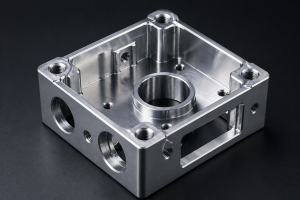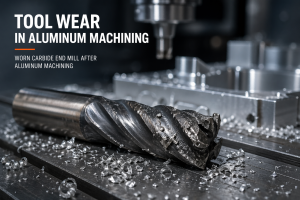

部品加工・製造の世界, CNC machining precision is paramount. 精度は単なるテクニカル指標ではありません, but also the core embodiment of product quality, performance reliability, and enterprise competitiveness. When we walk into the factory and hear the masters discuss the deviation of “one thread” そして “two silks,” behind this is the dedication and awe of CNC machining precision in the entire industry. 今日, let us delve into the lifeblood of manufacturing – precision and that crucial “trace.”
What is precision and why is it important
Precision refers to the degree of conformity between the actual size, 形, position, and other geometric parameters of the part after processing and the design requirements. The higher the degree of conformity, the higher the accuracy. 例えば, an engine piston with inaccurate fitting clearance may cause loss of power or jamming. Bearings lacking precision create vibration and shorten equipment life. Medical implants with poor accuracy may lead to rejection or affect surgical success. In advanced sectors like aerospace, 医療機器, and precision instruments, accuracy needs often reach micron or sub-micron levels. CNC machining precision ensures that every part meets these demanding requirements.
Understanding “silk”: the language of precision
In machining shops, masters often say one silk or two silks. Silk here is a precision unit.
1 silk = 0.01 mm = 10 microns.
It is intuitive for common tolerance communication. 例えば, ±1 silk means ±0.01 mm. This unit has become part of the manufacturing language, especially in precision machining workshops.
Key factors affecting machining accuracy
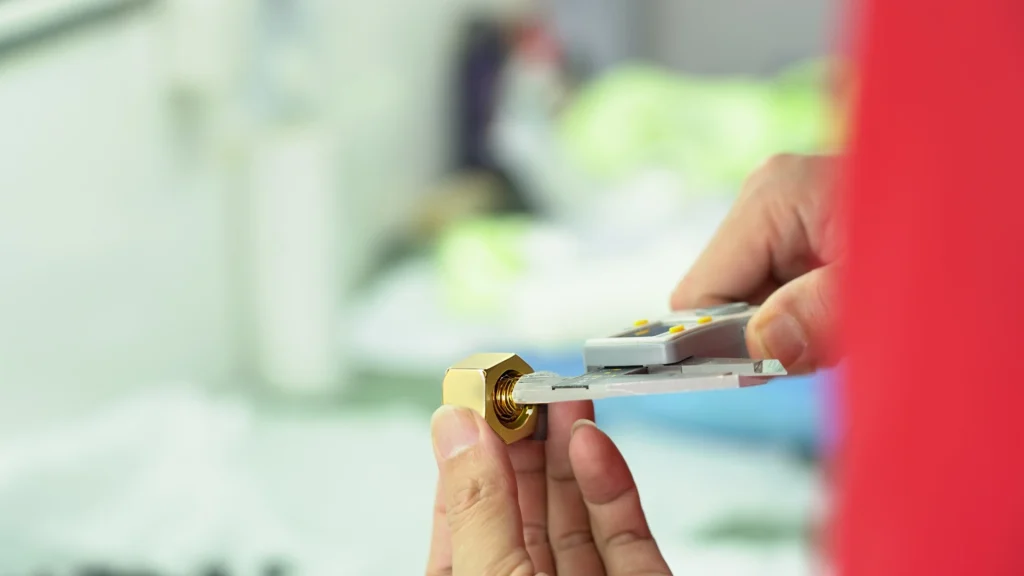
Machining accuracy depends on machine tool precision, 工具の摩耗, material characteristics, heat treatment stability, 切断パラメータ, clamping rigidity, measurement accuracy, environment control, and operator capability. High-precision machining requires stable machine geometry, sharp tools, low thermal deformation, proper fixtures, real-time metrology, and consistent temperature control. Experienced operators contribute significantly to achieving consistency.
How to control and improve machining accuracy
High-precision manufacturing involves investing in calibrated equipment, optimizing machining parameters, applying error compensation systems, improving fixture design, establishing temperature-controlled workshops, performing first-article and in-process inspections, training skilled operators, and integrating advanced machining technologies such as honing, 研削, and diamond tooling. Continuous improvement ensures sustainable CNC machining precision capability and reliability.
Epilogue
Precision in manufacturing is more than a specification – it is a philosophy and responsibility. Every trace of accuracy reflects rigorous craftsmanship and engineering excellence. Understanding precision, mastering its influencing factors, and applying scientific control methods help manufacturers achieve reliability and quality. Respecting CNC machining precision is the foundation for strengthening competitiveness and delivering trusted products to global markets.