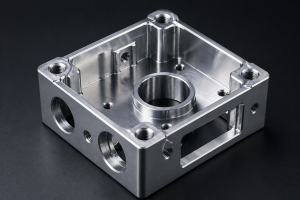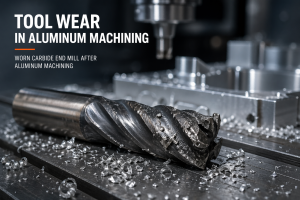

現代の製造業では, CNC precision parts machining requires not only high accuracy and excellent surface quality but also efficiency and optimized process planning. To ensure both quality and productivity, selecting the right processing methods and scientifically dividing processes and work steps are essential skills for every machining engineer. This article will explain the principles of processing method selection, machining plan determination, and the division of processes and work steps.
1. Processing Method Selection and Plan Determination
初め, Processing Method Selection
The principle behind selecting a processing method is to ensure the required surface accuracy and surface roughness. Because many processing methods can achieve the same level of accuracy and surface roughness, the selection process requires comprehensive consideration of the part’s shape, サイズ, and heat treatment requirements. 例えば, つまらない, リーミング, and grinding can achieve the required accuracy for holes with IT7-level accuracy. しかし, boring or reaming is generally used for holes in housings, and grinding is not recommended. Small housing holes are typically reamed, while larger holes are typically bored. さらに, production efficiency and cost-effectiveness, as well as the factory’s equipment availability, must be considered. The economic accuracy and surface roughness of commonly used processing methods can be found in relevant process manuals, as discussed in our previous article.
第二に, the principles for determining the machining plan
Precision parts surface finishing is generally accomplished in three steps: roughing, 中仕上げ, and finishing. Simply selecting the final machining method based on surface quality requirements is insufficient. The plan from the rough to the final product must also be accurately determined. When determining the machining plan, the primary surface accuracy and surface roughness requirements should be considered, and the machining methods needed to achieve these requirements should be preliminarily determined. 例えば, for a small hole with IT7-level precision, if the final machining method is finish reaming, 掘削, リーミング, and rough reaming are typically required before finishing.
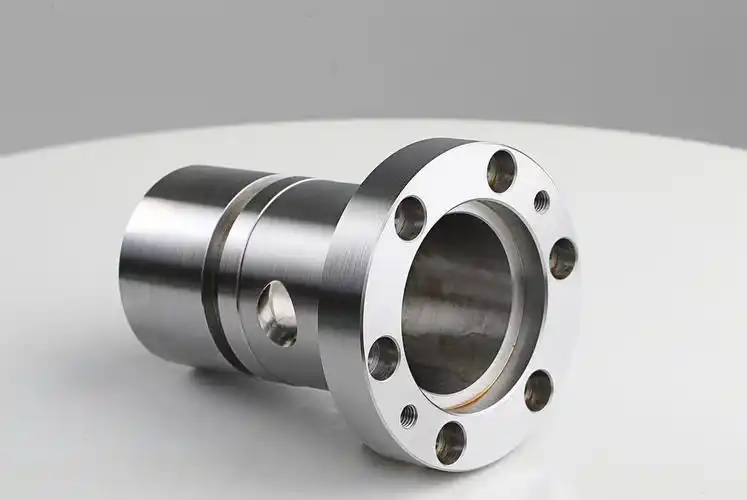
2. Second, the Division of Processes and Working Steps
初め, the Division of Processes
When machining parts on CNC equipment, the processes are relatively concentrated. Most or all of the processes should be completed in a single setup. Considering the part drawing, consider whether all the processes can be completed on a single machine. そうでない場合, determine which steps will be processed on the CNC machine and which on other equipment. This is essentially dividing the machining process.
第二に, the division of work steps
The division of work steps is primarily based on machining accuracy and efficiency. Within a single process, different tools and cutting parameters are often used to machine different surfaces. To facilitate analysis and description of complex processes, we will use a machining center as an example to illustrate the principles of work step division:
- The same surface can be processed simultaneously in steps of roughing, 中仕上げ, and finishing, or all machined surfaces can be processed separately, starting with roughing and ending with finishing.
- For parts that require both milling and boring, can milling first and then boring? Can dividing the work steps this way improve hole accuracy? Because milling creates high cutting forces, parts are more susceptible to deformation. Milling first and then boring allows time for the parts to recover, minimizing the impact of deformation on hole accuracy.
- Dividing work steps by tool: Some equipment has a table rotation time that’s shorter than tool change time. Dividing work steps by tool can reduce tool changes and improve machining efficiency.
The division of processes and work steps should be considered based on a variety of factors, including the structural characteristics and technical requirements of the part.
RapidEfficient について
RapidEfficient は、高精度 CNC 加工を専門としています。 18 長年の経験. Its products cover medical, コミュニケーション, 光学, ドローン, intelligent robots, automotive and office automation parts.
The company’s CNC machining centers include four-axis, five-axis and linkage machine tools, 精密プロジェクターも装備されています, three-coordinate measuring machines, spectrometers and other precision testing equipment.
Machining accuracy: up to 0.01mm
Testing accuracy: up to 0.001mm