
工具の設定は CNC 加工における重要なステップです. Its purpose is to correctly align the tool and workpiece to ensure machining accuracy and efficiency. Common tool setting methods include mechanical tool setting, optical tool setting, and laser tool setting, each with its own advantages and disadvantages, suitable for different machining needs and machine tool types.
Common Tool Setting Methods
Mechanical Tool Setting
Mechanical tool setting is one of the simplest and most commonly used methods. The operator uses a tool length chart or a dedicated mechanical tool setting instrument to adjust the distance between the tool and workpiece to the appropriate position. This method is simple to operate and low in cost, but its accuracy is limited by the precision of the tool length chart and the mechanical tool setting instrument, making it unsuitable for high-precision machining.
Optical Tool Setting
Optical tool setting is a more precise method. It utilizes optical principles, observing the positional relationship between the tool and workpiece through a magnifying glass, and adjusting the tool position to achieve accurate tool setting. This method is suitable for high-precision machining, but requires dedicated optical tool setting instruments, which are more expensive.
Laser Tool Setting
Laser tool setting is a high-precision tool setting method. It utilizes laser measurement of the tool position and the height difference between the workpiece surface, and then uses computer-controlled machine tools for automated adjustment to achieve high-precision tool setting. Laser tool setting offers extremely high accuracy, but requires specialized laser tool setting instruments and a computer control system, resulting in higher costs.
Other Tool Setting Methods
Besides the common tool setting methods mentioned above, there are also some special tool setting methods, such as capacitive tool setting and pressure tool setting. These methods each have their own advantages and applicable scenarios, and the appropriate method should be selected based on specific processing requirements and machine tool type.
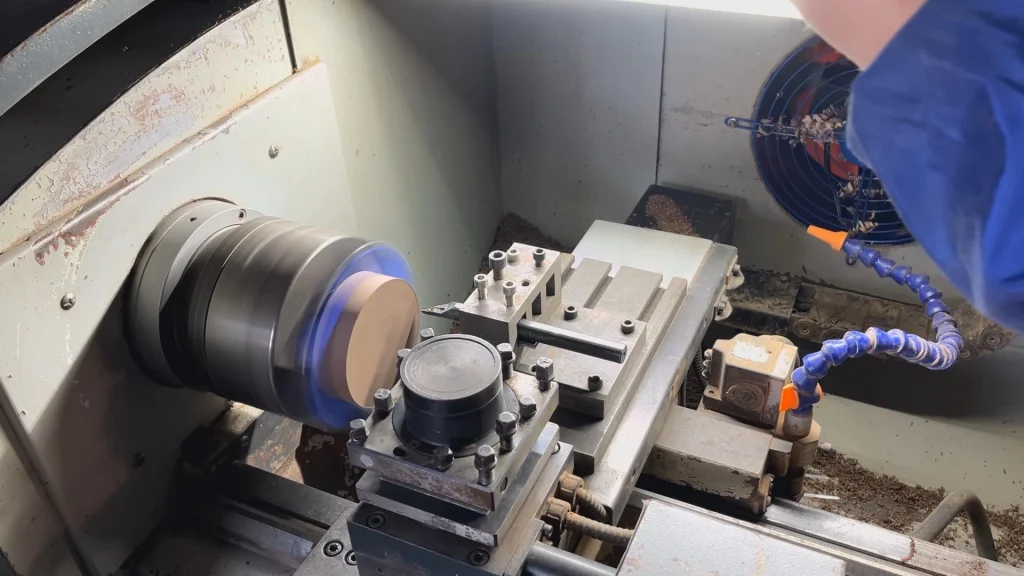
Notes During the Tool Setting Process
During the tool setting process, the following points should be noted:
- Select the appropriate tool setting method: Choose the appropriate tool setting method based on processing requirements and machine tool type to ensure processing accuracy and efficiency.
- Prepare the tool setting tools: Prepare tools such as tool length charts, mechanical tool setting instruments, optical tool setting instruments, and laser tool setting instruments to ensure accuracy and reliability during the tool setting process.
- Preparatory work before tool setting: Clean the tool and workpiece surfaces to ensure they are clean and flat, avoiding any impact on tool setting accuracy due to uneven surfaces.
- Take precautions for safety during tool setting to avoid hand and eye injuries, especially when using laser tool setting instruments.
- After tool setting, perform a test cut to ensure the accuracy meets requirements, and make fine adjustments as needed.
結論
結論は, tool setting is a crucial step in CNC machining. Different tool setting methods are suitable for different machining needs and machine tool types. Safety and accuracy must be prioritized during tool setting to ensure machining quality and efficiency.
RapidEfficient について
急速な specializes in high-precision CNC machining with 18 長年の経験.
Its products serve industries including 医学, コミュニケーション, 光学, ドローン, インテリジェントロボティクス, 自動車, そして office automation parts.
The company’s CNC machining centers feature four-axis, 5軸, およびマルチリンク工作機械, and are equipped with precision projectors, 三次元測定機 (CMM), 分光計, などの高度な検査装置.
加工精度は以下に達します 0.01 mm, テスト精度は次のレベルに達します 0.001 mm.