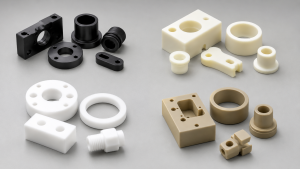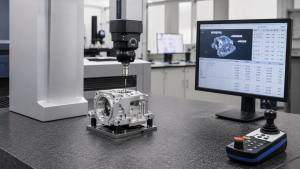

簡単な回答: 鏡面研磨加工により部品の表面を高光沢に仕上げます。, 反射仕上げ, 美観と機能性の両方を向上させる. Key steps include proper surface preparation, abrasive polishing, buffing, and finishing, using the right tools and compounds for metals, プラスチック, or glass.
導入
The mirror polishing process for parts is a critical technique in various industries, particularly for components requiring high-quality surface finishes. Mirror polishing provides both aesthetic appeal and functional surface properties. この記事で, we explore detailed steps, tools, materials, and key considerations involved in mirror polishing parts, along with the benefits it offers in performance and durability.
1. What is Mirror Polishing?
Mirror polishing is the process of achieving a high-gloss, reflective surface finish on a part by gradually removing imperfections and refining the surface. Unlike basic polishing, mirror polishing gives the part a mirror-like sheen with minimal distortion. This process is widely used in automotive, 航空宇宙, エレクトロニクス, and medical industries where both aesthetics and functionality are essential.
2. Materials Suitable for Mirror Polishing
Not all materials are suitable for mirror polishing. The most common materials include:
| Material Type | Example | Polishing Notes |
|---|---|---|
| Metals | ステンレス鋼, アルミニウム, 銅, 真鍮 | Suitable for mirror finish due to malleability and durability |
| プラスチック | アクリル, ポリカーボネート | Use appropriate abrasives for high-gloss finish |
| Glass | Glass sheets | Can achieve smooth reflective finish, less common |
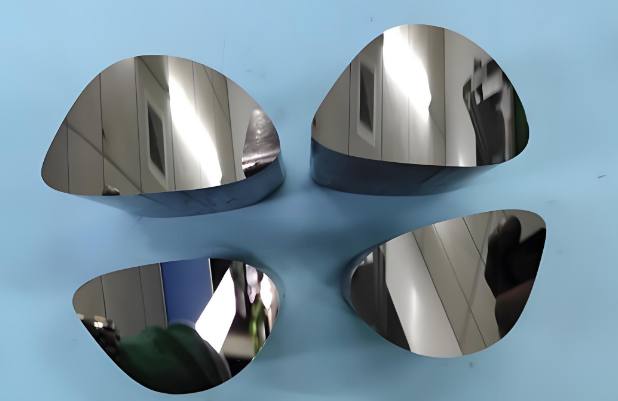
3. The Mirror Polishing Process: Step-by-Step
3.1 Surface Preparation
Before polishing, the part must be cleaned and prepared. Steps include:
- Degreasing to remove oils and contaminants.
- Sanding to eliminate large surface imperfections with abrasive belts or grinding wheels.
3.2 Abrasive Polishing
Use a series of abrasive materials to smooth the surface. Progressively finer abrasives are applied to achieve a near-perfect finish.
3.3 Fine Polishing
Finer abrasives, such as diamond paste or high-quality polishing compounds, are used to remove remaining imperfections.
3.4 Buffing and Finishing
Buffing wheels and polishing compounds complete the surface finish. Protective coatings can be applied to maintain the finish longer.
Internal link: polishing compounds → https://rapidefficient.com/avoiding-contamination-and-damage-in-cnc-machining/
4. Key Tools and Equipment Used in Mirror Polishing
Several tools are crucial in achieving a mirror-like finish:
- Polishing Machines: Automated machines control speed and pressure.
- Buffing Wheels: Soft materials like cotton or felt.
- Grinding Wheels: Coarse and fine stages.
- Abrasive Pads and Compounds: Varying degrees of coarseness.
5. Factors Affecting Mirror Polishing Quality
- Material Composition: Harder materials need more time.
- Polishing Time: Excessive time can damage the surface.
- Polishing Compound: Quality impacts the final gloss.
- Temperature and Humidity: Extreme conditions can interfere with polishing consistency.
6. Applications of Mirror Polishing in Various Industries
Mirror polishing is used in:
- Automotive Industry: Enhances visual appeal for trims, bumpers, and wheels.
- 航空宇宙: Turbine blades and engine components.
- 医療機器: Surgical instruments and implants.
- エレクトロニクス: Heat sinks, connectors, and cases.
7. Challenges and Solutions in the Mirror Polishing Process
- Material Hardness Variability: Harder materials require correct abrasives.
- 表面欠陥: Proper preparation minimizes scratches or dents.
- 工具の摩耗: Regular maintenance ensures consistent performance.
8. Benefits of Mirror Polishing for Parts
- Enhanced Aesthetics: Improves visual appeal.
- Improved Durability: Smooth surfaces resist corrosion and wear.
- Better Performance: Reduces friction and improves functionality.
Internal link: mirror polishing process → https://rapidefficient.com/comprehensive-guide-to-the-mirror-polishing-process-for-parts/
Internal link: CNC machining → https://rapidefficient.com/analysis-of-causes-of-oil-leakage-in-cnc-machining-centers/
9. 結論
The mirror polishing process requires precision, expertise, and proper equipment. By understanding the process and addressing challenges, manufacturers can achieve high standards in surface finish, enhancing both performance and component lifespan.
よくある質問
Q1: What is the mirror polishing process?
A1: It is a technique to achieve a high-gloss, mirror-like surface on parts by progressively smoothing and polishing, suitable for metals, プラスチック, and glass.
Q2: What materials are best for mirror polishing?
A2: Metals like stainless steel, アルミニウム, and brass; plastics like acrylic and polycarbonate; and glass sheets are suitable with appropriate abrasives.
Q3: What are the critical steps in achieving a mirror finish?
A3: Surface preparation, abrasive polishing, fine polishing, and buffing/finishing are key. Proper tools, polishing compounds, and operator skill are essential.
Q4: Why is mirror polishing important for CNC machined parts?
A4: It enhances aesthetics, improves durability by reducing wear, and can improve functional performance, such as reducing friction.