
精密製造の分野では, CNC 加工サービスは、その卓越した精度により現代産業の基礎となっています, 一貫性, と柔軟性. しかし, an often underestimated yet crucial aspect
–
材料の選択
–
directly determines the success or failure of the final product. Choosing the right material is not only related to the strength, life and function of the parts, but also closely related to processing efficiency and cost control. This article will delve into the world of materials commonly used in CNC machining to help you make informed decisions.
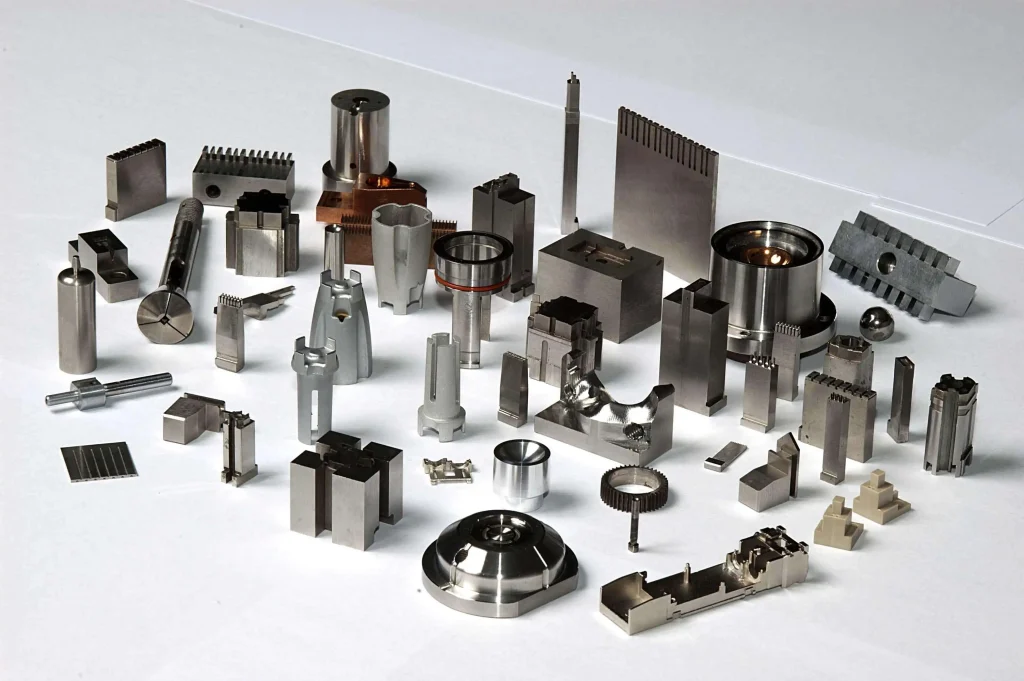
簡単な回答: Material selection for CNC machining depends on strength, 被削性, 耐食性, dimensional stability, 表面仕上げ, そしてコスト. For general CNC aluminum parts, 6061 is often the safest choice. For high-strength parts, 7075 may be better. For corrosion resistance, 5052 または 5083 aluminum is preferred. For wear-resistant components, steel grades such as SK2, SK5, 4140, または 4340 may be suitable. For low-friction or lightweight components, engineering plastics such as POM, ピーク, or nylon can be considered.
CNC Material Selection Quick Guide
| Material Group | 最適な用途 | Machinability | Cost Level | Key Risk |
|---|---|---|---|---|
| 6061 アルミニウム | General CNC parts, ハウジング, 備品 | 素晴らしい | Low to medium | Not suitable for extreme strength needs |
| 7075 アルミニウム | 航空宇宙, high-load parts, lightweight structures | Good | Medium to high | Higher tool wear and stress sensitivity |
| 5052 / 5083 アルミニウム | Marine, outdoor, corrosion-resistant parts | Fair to good | Medium | より強度が低い 6061 / 7075 |
| Carbon / Alloy Steel | Shafts, ギア, ツーリング, wear parts | 適度 | Medium | Heat treatment and tool wear |
| ステンレス鋼 | 医学, food, chemical, corrosion-resistant parts | Difficult | 高い | Work hardening and slower machining |
| 真鍮 / 銅 | Electrical, thermal, decorative components | Good | Medium to high | Oxidation and burr control |
| POM / ピーク / ナイロン | Low-friction, 軽量, insulating parts | Good to excellent | Medium to high | Deformation, 水分, and thermal stability |
1. Metal Materials: The Workhorse of Strength and Durability
1. Aluminum Alloy:
Representatives: 6061, 7075, 2024.
For a deeper comparison of aluminum grades, see our guide on the best aluminum for CNC machining.
利点: Lightweight and high strength, excellent machinability (low cutting resistance, smooth chip evacuation), 良好な熱伝導性, 耐食性 (especially after anodizing), relatively low cost.
アプリケーション: Aerospace structural parts, automotive parts (wheel hubs, engine mounts), consumer electronics enclosures, precision instrument frames, robotic components. 6061 is the well-deserved “all-round king”, そして 7075 offers higher strength.
2. 鋼鉄:
Representative:
Mild steel (例えば. 1018, A36): Easy to machine, 低コスト, good weldability, but average strength and hardness.
Medium carbon steel (例えば, 1045): Balanced strength, hardness and toughness, heat treated (quenched and tempered) can significantly improve performance.
Alloy steel (のような 4140, 4340): 高強度, high toughness, excellent wear resistance and fatigue resistance, often require heat treatment.
For wear-resistant tooling, blades, and precision steel components, material selection matters. See our guide on SK2 vs SK4 vs SK5 vs SK7 steel for a practical comparison of hardness, 耐摩耗性, and machining difficulty.
ステンレス鋼 (例えば, 303, 304, 316, 17-4 PH): Excellent corrosion resistance and aesthetics. 303 is easy to cut (contains sulfur), 304/316 is versatile but slightly difficult to process (easy to stick knives, work hardening), そして 17-4 PH can achieve high strength through age hardening.
アプリケーション: ツール, molds, シャフト, ギア, high-strength structural parts, food and medical equipment, chemical equipment parts, marine environmental components. Stainless steel is particularly suitable for scenarios where corrosion or hygiene requirements are present.
3. 真鍮:
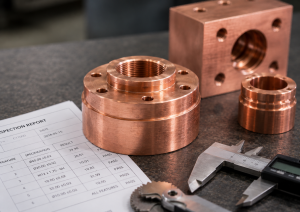
利点: Excellent machinability, beautiful golden color, good electrical and thermal conductivity, 耐食性 (especially water resistance), 耐摩耗性, antibacterial properties.
アプリケーション: Valves, pipe fittings, decorative parts, musical instrument components, electrical connections, parts requiring low friction and corrosion resistance.
2. エンジニアリングプラスチック: Lightweight and Special Performance Selection
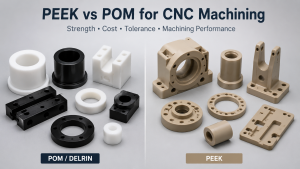
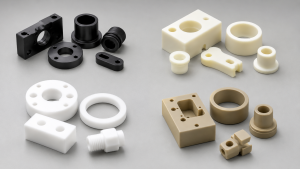
1. POM (Polyoxymethylene, デルリン):
利点: 高強度, high rigidity, excellent dimensional stability, low friction coefficient, good wear resistance, chemical solvent resistance.
Machining Note: It is easy to generate internal stress, so pay attention to the sharpness of the tool and cutting parameters to avoid overheating leading to deformation or release of formaldehyde.
アプリケーション: Precision gears, bearings, bushings, snaps, tool handles, sliding parts that require high rigidity and low friction.
2. ナイロン (PA6, PA66, with glass fiber reinforced):
利点: 良好な靭性, excellent wear resistance, self-lubrication, good chemical resistance, and excellent electrical insulation. Glass fiber reinforcement greatly improves strength, stiffness and heat resistance.
Processing Note: Strong hygroscopicity, must be fully dried before processing; It is easy to produce burrs during processing; Materials containing glass fiber have great wear on the tool.
アプリケーション: 歯車, bearings, pulleys, wear-resistant gaskets, structural brackets, 電気絶縁.
3. ピーク (Polyether Ether Ketone):
利点: Top engineering plastics! Extremely high strength, 剛性, 耐熱性 (long-term use > 250℃), excellent chemical resistance, very low creep, flame retardancy, good wear resistance and dimensional stability.
Machining Note: The material cost is high and the processing is difficult (high rigidity machine tools, sharp carbide or PCD tools, and reasonable parameters to control temperature and stress).
アプリケーション: 航空宇宙, high-end automotive (engine peripherals), oil and gas (corrosion-resistant seals), medical implants and devices, semiconductor manufacturing equipment components.
3. 複合材料: Future Stars with Designable Performance
Stands for: Carbon Fiber Reinforced Polymer (CFRP), Glass Fiber Reinforced Polymer (GFRP).
利点: Extremely high specific strength (strength/density) and specific stiffness (modulus/density), strong designability, and good fatigue resistance.
Machining Challenge: Extremely significant! Anisotropy leads to complex processing forces, which are prone to delamination, バリ, and tears. severe wear on the tool (special diamond-coated tools are required); Harmful dust needs to be strictly protected.
アプリケーション: Aerospace main load-bearing structures, high-performance automobile bodies/chassis, スポーツ用品 (bicycle rackets, rackets), and robot lightweight arms.
How to choose the best material for your CNC project?
With a wide range of options, think about the following core questions:
1. Functional Requirements:
Strength and Rigidity: How much load does the part need to withstand? Is it prone to deformation? (アルミニウム合金, 鋼鉄, ピーク, nylon with fiber)
Abrasion Resistance: Is there any sliding friction? (POM, ナイロン, Fiber-containing materials, some steel)
Temperature Resistance: What is the operating environment temperature range? (High temperature selection of PEEK and special alloys; Considering material brittleness at low temperature)
耐食性: What media is it exposed to? (Water, Chemicals, Salt Spray – ステンレス鋼, 真鍮, ピーク, Specific Plastics)
Conductive/Insulating: Is conductivity or insulation required? (Metals conduct electricity, plastics are usually insulated)
重さ: Is lightweight key? (Aluminum alloys, チタン合金, エンジニアリングプラスチック, composite materials)
Appearance and Texture: Surface Treatment Requirements? (Metal is easy to plate/oxidize, plastic can be dyed)
2. Manufacturing Feasibility:
Machinability: Is the material easy to cut? What about tool wear? (アルミニウム合金, 真鍮, POM are easy to process; ステンレス鋼, titanium alloy, ピーク, composite materials are difficult to process)
Dimensional stability: Is it prone to deformation after machining? (POM and PEEK have good stability; nylon moisture absorption and easy deformation; Thin-walled parts need to be noted)
Post-processing needs: Do you need heat treatment, surface treatment (陽極酸化, メッキ, サンドブラスト, 等)? This affects material selection and cost.
3. Cost Considerations:
Material costs: Raw material prices vary significantly (例えば, regular aluminum vs titanium vs PEEK).
Machining Costs: Difficult-to-machine materials require slower cutting speeds, more frequent tool changes, and higher equipment requirements, significantly increasing labor costs.
Material selection directly affects machining time, 工具の摩耗, inspection needs, and total quote price. For a full breakdown, see our guide on CNC machining cost in China.
Total cost of ownership (TCO): Consideration of material costs, processing costs, post-processing fees, and replacement/repair costs due to insufficient performance.
Epilogue:
In the world of CNC machining, materials are by no means a supporting role, but the core protagonist that jointly composes product performance with the processing process. Understanding the key properties, processing characteristics, and applicable scenarios of common metals (アルミニウム, 鋼鉄, ステンレス鋼, 真鍮), エンジニアリングプラスチック (POM, ナイロン, ピーク) and composites is the foundation for success. Smart material selection stems from a precise trade-off between functional requirements, manufacturing feasibility, および費用対効果. When you start your next CNC project, take the time to dive into material options with your CNC machining service provider, which is often a critical step towards high-performance, reliable and cost-effective products. 覚えて, the most expensive material is not necessarily the best, the most suitable is the best choice.