
簡単な回答: Tungsten and titanium are extremely hard materials, but tungsten excels in wear resistance, while high-speed steel (HSS) offers easier machining and lower cost. Superalloys like Inconel and ceramics require specialized tooling and controlled machining parameters.
CNC加工 is an essential process in modern manufacturing. さまざまな素材の精密な成形と切断が可能です。. この記事で, we’ll discuss what the hardest materials to CNC machine are and why they are difficult to work with.
1. Understanding Hard Materials in CNC Machining
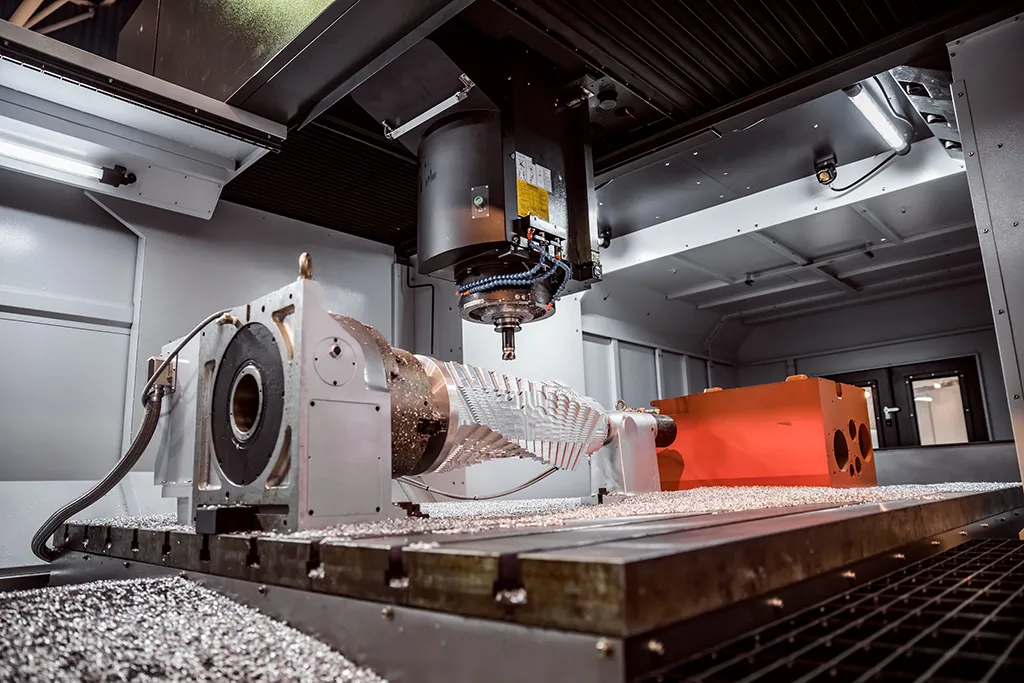
Hard materials are often defined by their resistance to wear, 切断, or deformation. These materials are typically stronger and more durable than others, making them ideal for demanding applications. しかし, their hardness also makes them challenging to machine. The tools used in CNC machining must be stronger than the material itself to cut or shape it effectively. When the material is extremely hard, it can cause excessive wear on cutting tools, slow production, and lead to higher costs.
要するに, the harder the material, the more challenging it is to machine.
| 材料 | Hardness | 耐摩耗性 | Machinability | Typical Applications |
|---|---|---|---|---|
| High-Speed Steel | HRC 60–65 | 適度 | Easier | General CNC tools, low/medium volume |
| Tungsten Steel | HRC 65–68 | 素晴らしい | Harder/Brittle | High-precision cutting, long-run tools |
| チタン | ~HRC 30–40 | 適度 | 適度 | 航空宇宙部品, medical implants |
| インコネル | ~HRC 40–45 | 高い | Difficult | Superalloys, gas turbines |
| Hardened Steel | HRC 50–60 | 高い | Difficult | Dies, molds, ツーリング |
| セラミックス | Vickers 1200+ | 素晴らしい | Very Difficult | エレクトロニクス, 航空宇宙, precision tooling |
Some materials, like high-speed steel or tungsten, require precise tolerance control and tool management. Learn more about tolerance strategies in CNC machining [here].
2. Tungsten: One of the Hardest Materials to Machine
Tungsten is widely known for its hardness and is one of the toughest materials to CNC machine. Tungsten’s high melting point and strength make it ideal for aerospace, military, and high-temperature applications.. しかし, these same qualities also make it extremely difficult to machine.
Tungsten’s hardness can quickly wear out cutting tools, and its brittleness makes it prone to chipping during machining. Operators must use specialized techniques and tools designed specifically for tungsten to achieve a successful outcome.
要約すれば, tungsten’s toughness makes it ideal for extreme conditions but challenging for CNC machining.
Tungsten tools need specific clamping and cooling strategies. For practical case studies, 私たちのを参照してください [CNC Tungsten Steel Machining Case Study].
3. チタン: A Common but Tough Material
Titanium is another material that presents challenges in CNC machining. Though it is widely used in industries like aerospace, 医療機器, and automotive, its hardness can cause problems during machining. Titanium has a high strength-to-weight ratio and excellent corrosion resistance, making it a preferred choice for many applications. しかし, its hardness, combined with its ability to retain heat, makes it difficult to machine without damaging tools.
Cutting tools often overheat when machining titanium, leading to faster wear and tear. To work with titanium, operators must use lower cutting speeds and cooling fluids to prevent the material from heating up.
Titanium’s hardness and thermal properties require careful spindle speed and cooling to avoid tool damage.
Titanium cutting requires controlled spindle speeds; read more about [Precision CNC Titanium Machining].
4. インコネル: Hard and Heat Resistant
インコネル, a superalloy, is another difficult material to machine. It’s often used in industries that require extreme heat resistance, 航空宇宙などの, power generation, and chemical processing. Inconel maintains its strength even at high temperatures, making it ideal for engine parts and gas turbines. しかし, its toughness also makes it a challenge for CNC machining.
Inconel’s hardness, combined with its ability to resist heat, makes cutting tools wear out quickly. This material often requires specialized cutting tools made from high-speed steel or carbide, along with specific machining techniques like slower cutting speeds and more frequent tool changes.
要するに, Inconel’s resistance to heat makes it ideal for harsh environments, but it can be challenging to machine effectively.
Specialized cutting methods for superalloys like Inconel are detailed in our [CNC Superalloy Machining Guide].」
5. Hardened Steel: A Common Challenge
Hardened steel is frequently used in the manufacturing of tools, dies, and molds. The hardening process makes this material extremely durable, but it also makes CNC machining more difficult. Hardened steel is prone to causing cutting tools to wear out faster than softer metals. The harder the steel, the more effort and tool maintenance is required during the machining process.
To machine hardened steel effectively, manufacturers must use specialized tools made from materials like carbide or cubic boron nitride (CBN). さらに, they must use specific machining techniques to minimize tool wear and achieve high precision.
要約すれば, while hardened steel is crucial for making durable parts, its toughness requires extra care during CNC machining.
Hardened steels need carbide or CBN tooling. For tolerance analysis, see [CNC 加工公差の積み重ね].
6. セラミックス: Extreme Hardness with Unique Challenges
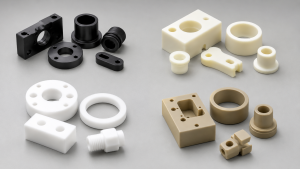
Ceramics are among the hardest materials to CNC machine due to their extreme hardness and brittleness. Although not technically a metal, ceramics are frequently used in high-performance applications, such as aerospace and electronics. Machining ceramics is particularly challenging because they can easily crack or shatter during the process.
To machine ceramics successfully, manufacturers often use diamond-tipped tools and advanced machining techniques, such as grinding. This allows for a smoother finish while reducing the risk of material damage.
要するに, ceramics’ extreme hardness makes them one of the most difficult materials to machine, requiring specialized tools and methods.
Ceramic machining demands diamond tools. Learn how we manage [Precision Ceramic CNC Machining] effectively.
結論
The hardest materials to CNC machining—tungsten, チタン, インコネル, hardened steel, and ceramics—all present unique challenges. Their toughness, 耐熱性, and brittleness require manufacturers to use specialized tools, lower cutting speeds, and precise techniques to avoid tool wear and ensure quality results.
Understanding the difficulties of machining hard materials helps manufacturers prepare for the demands of these projects and choose the right methods for each job.
よくある質問:
Q: Which material is best for cost-sensitive CNC projects?
あ: High-speed steel is preferable for low-to-medium volume projects due to lower material and tooling costs.
Q: Can CNC machines achieve tight tolerances on Inconel?
あ: はい, with specialized tooling, controlled spindle speeds, and proper fixture/clamping techniques.
Q: Are ceramics suitable for high-volume production?
あ: Not usually; ceramics are brittle and better for precision parts in smaller volumes.
Q: How to minimize tool wear on hardened steel?
あ: Use carbide or CBN tooling and optimize cutting speed/feed according to material hardness.