
Introduction: Why 7075 Thin-Walled Parts Often Fail After Anodizing
Many engineers and procurement specialists encounter a frustrating issue:
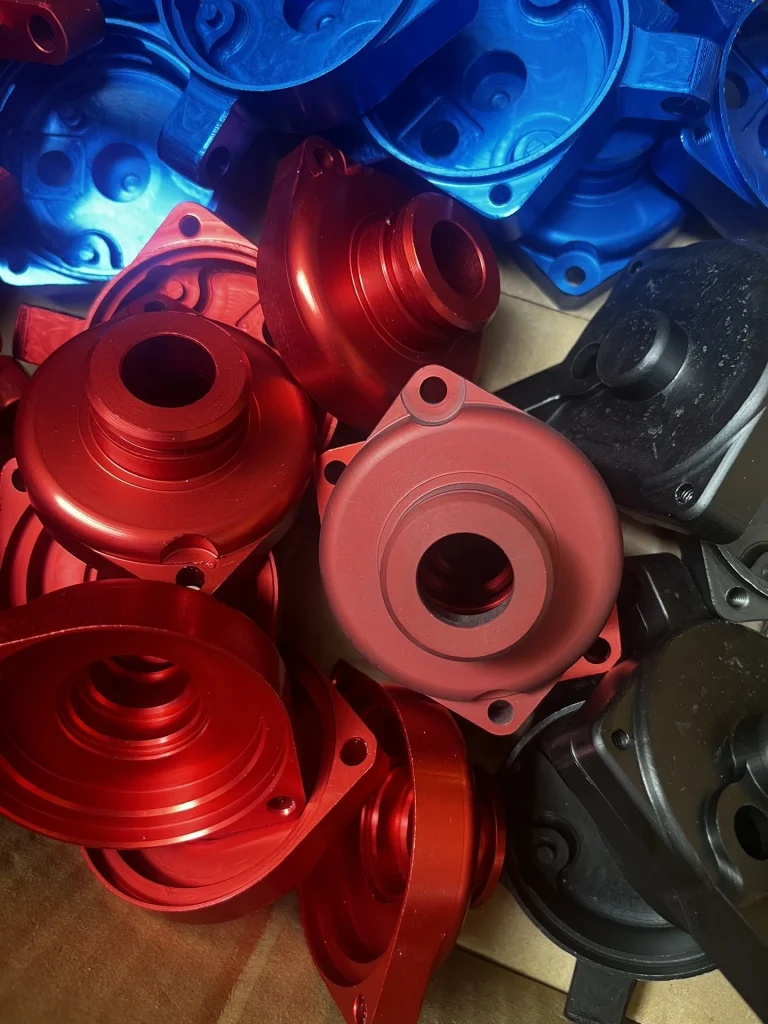
👉 After anodizing 7075 aluminum parts, surfaces show:
- White “material mottling”
- Inconsistent color
- Uneven finish quality
At Rapidefficient, we’ve seen this problem countless times.
And the truth is:
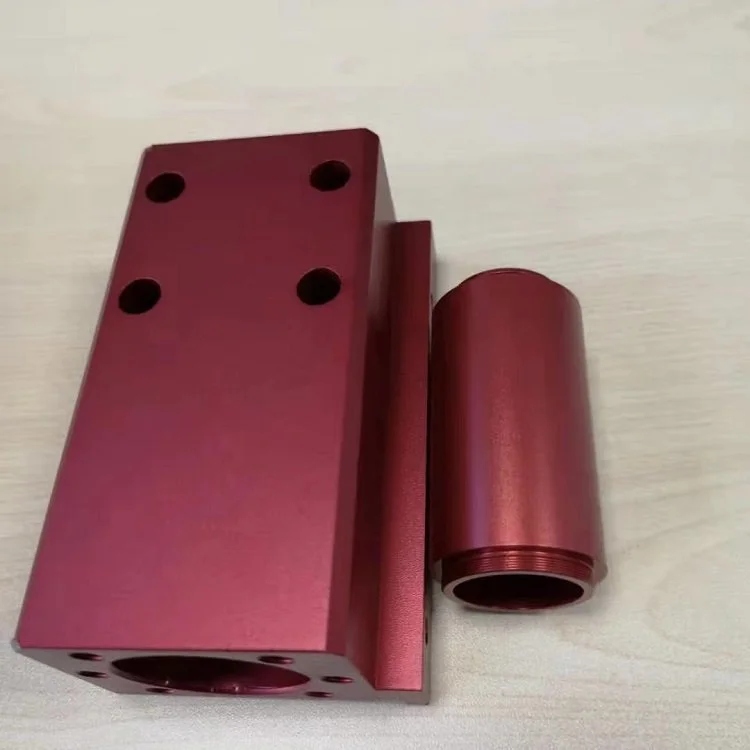
👉 The root cause is rarely just anodizing—it starts from material and machining.
Understanding “Material Mottling” in 7075 Aluminum
7075 aluminum is widely used for:
- High-strength housings
- Structural components
- Premium cosmetic parts
It is easy to machine—but difficult to perfect.
⚠️ Root Cause of Anodizing Defects
“Material mottling” occurs when:
- Internal composition is uneven
- Heat treatment is unstable
- Material density varies
👉 These defects remain invisible during machining
👉 But become obvious after anodizing
🎯 Rapidefficient Solution: Double-Control Strategy
To eliminate this issue, we implement:
1. Controlled Material Sourcing
- Direct cooperation with certified mills
- Custom-grade material selection
- Strict incoming material inspection
2. Pre-Anodizing Validation
Before mass production:
- Trial machining sample
- Test anodizing process
👉 This step prevents full-batch failure
⚠️ Deformation: The #1 Challenge in Thin-Walled Parts
Thin-wall structures (<1mm) are extremely sensitive.
If machined aggressively:
👉 Parts will warp immediately after unclamping
⚙️ Rapidefficient Anti-Deformation Process
Step 1: Stress-Relieved Material Only
- Mandatory use of pre-treated aluminum
- Eliminates internal stress risk
Step 2: Rough Machining Strategy
- Leave ~0.5 mm allowance per side
- Release internal stress gradually
Step 3: Resting / Aging Process
- Natural stress release
- Optional artificial aging
Step 4: Precision Finishing
- Soft jaws or vacuum fixtures
- Low clamping force
- High speed + low feed cutting
👉 Ensures flatness and perpendicularity
⚙️ Balancing Precision and Efficiency
In CNC machining:
👉 Speed vs Precision is always a trade-off
At Rapidefficient, we optimize both through:
3+2 Axis Machining Strategy
- Reduce reclamping
- Minimize positioning errors
- Improve efficiency by 15%+
Advanced Toolpath Optimization
Our engineers focus on:
- Tool selection (face mill vs ball end)
- Feed & speed balance
- Tool life vs surface quality
🔩 Material Capability Beyond Aluminum
True machining expertise goes beyond aluminum.
At Rapidefficient, we also handle:
- Stainless steel (SUS304)
- Nickel alloys (Inconel 718)
- Titanium alloys
Titanium Machining Challenges
- Poor heat dissipation
- Tool wear concentration
Our Solution
- Coated cutting tools
- Precision coolant delivery
- Controlled cutting parameters
🎯 Hard Anodizing: The Critical Tolerance Trap
A common mistake:
👉 Engineers do not specify
pre- or post-anodizing tolerances
Key Data (Based on Production Experience)
- Dimensional growth:
👉 0.008–0.012 mm per side
⚠️ Critical Impact
- Threads may not fit
- Holes become undersized
- Assembly fails
✅ Rapidefficient Approach
- Reserve anodizing allowance in machining
- Verify critical dimensions in advance
🚀 Rapid Prototyping Support
R&D teams often need:
- Fast iteration
- Small batch flexibility
At Rapidefficient:
- Dedicated prototyping workflow
- Priority processing system
- Full engineering support
🏭 Manufacturing Capability
- 5,000㎡ facility
- 80+ CNC machines
- 24/7 operation
👉 Supports complex, high-precision parts
🔍 Quality Control: Built Into the Process
Quality is not inspected at the end—it is controlled throughout.
IPQC System
- Inspection every 2 hours
- Tool wear monitoring
- Real-time correction
Surface Protection Standards
- Immediate isolation after machining
- Blister tray storage
- No part-to-part contact
👉 Prevents scratches and dents
💡 Conclusion
There are no shortcuts in precision machining.
Every high-quality 7075 part requires:
- Material control
- Process discipline
- Engineering experience
Rapidefficient delivers consistent, high-quality results by controlling every step—from raw material to final finish.