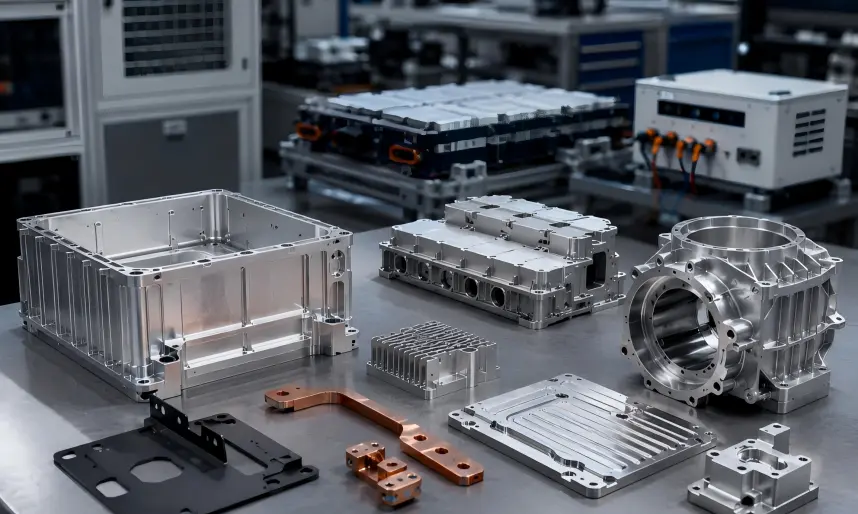
Rapid Efficient supports custom manufacturing projects for new-energy equipment applications, including energy-storage housings, battery-pack brackets, motor housings, inverter housings, thermal-management components, mounting plates, fixtures, and selected precision-machined parts.
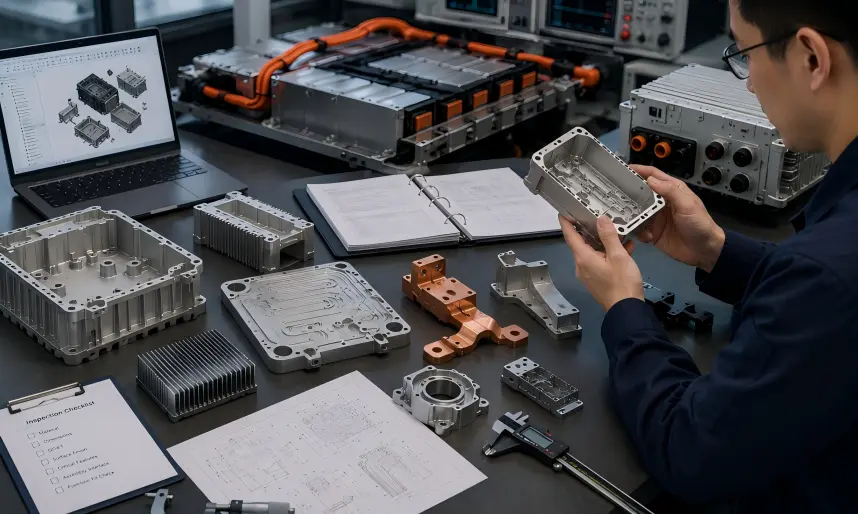
Our team can review your drawings, material requirements, critical dimensions, surface expectations, inspection priorities, and production quantities to coordinate a practical manufacturing route for your project.
Our team can review your drawings, material requirements, critical dimensions, surface expectations, inspection priorities, and production quantities to coordinate a practical manufacturing route for your project.
Rapid Efficient supports custom manufacturing projects from early-stage prototyping to suitable low-volume and repeat-production requirements.
With ISO 9001-certified quality management and ISO 14001-certified environmental management systems, our team can review drawings, materials, manufacturing routes, surface requirements, critical dimensions, inspection priorities, and delivery expectations according to the specific needs of each project.
Why Choose Rapid Efficient for Custom Manufacturing?
ISO 9001 Quality Management
Our ISO 9001-certified quality management system supports structured drawing review, process planning, inspection coordination, and documented quality-control procedures for project-specific manufacturing requirements.
Prototype and Production Support
We support early-stage prototypes, design-validation parts, suitable low-volume projects, and selected repeat-production requirements according to the geometry, material, process route, quantity, and quality priorities of each component.
Material and Process Review
Material requirements, structural features, machining difficulty, surface expectations, critical dimensions, and post-processing needs can be reviewed before production to establish a practical manufacturing route.
Responsive Project Coordination
Our team provides timely communication, drawing feedback, quotation support, and production coordination. Lead times are reviewed according to the material, geometry, process route, inspection requirements, and order quantity.
Precision Manufacturing and Inspection Planning
Our team can review critical dimensions, mating features, hole patterns, surface requirements, inspection priorities, and packaging needs according to the drawing and intended use of each part.
ISO 14001 Environmental Management
Our ISO 14001-certified environmental management system supports a more structured approach to environmental responsibilities, process management, and continuous improvement across manufacturing coordination activities.
Manufacturing Support for New Energy Equipment Components
New-energy equipment components often require stable machining processes, practical material selection, dimensional control, and clear inspection priorities.
Rapid Efficient can support drawing review, manufacturing-route planning, precision machining coordination, surface-finishing review, and inspection planning for suitable new-energy equipment projects.
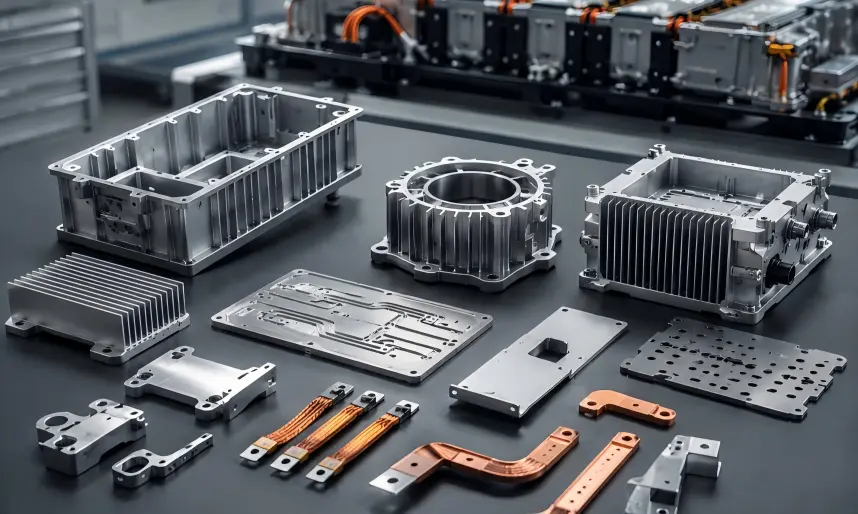
Typical applications include energy-storage housings, EV motor housings, inverter housings, battery-pack brackets, thermal-management components, cooling-related parts, mounting plates, fixtures, adapters, and selected precision-machined components. Each project is reviewed according to its geometry, material requirements, critical dimensions, surface expectations, quantity, and intended use.
Typical New Energy Equipment Components We Can Review
Our team can review suitable new-energy equipment components according to the drawing, material, geometry, dimensional priorities, surface requirements, quantity, and intended use.
Energy-storage housings
Assembly fixtures
Heat sinks
EV motor housings
Inspection fixtures
Thermal-management parts
Inverter housings
Support frames
Bushings and sleeves
Battery-pack brackets
Adapter plates
Connector housings
Mounting plates
Mounting blocks
Sensor housings
Protective covers
Thin-wall components
Machined panels
Equipment enclosures
Precision spacers
Custom precision parts
Manufacturing Processes for New Energy Equipment Components
Precision CNC machining support for lightweight housings, structural brackets, mounting plates, fixtures, thin-wall components, and selected aluminum or titanium parts.
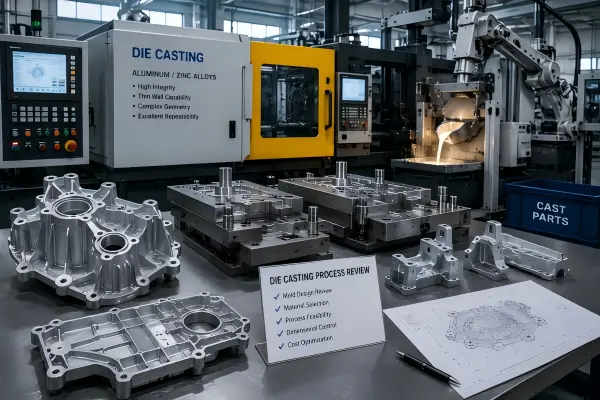
Die-casting process review for suitable aluminum or zinc housings, covers, brackets, and structural components where repeat-production consistency and cost control are important.
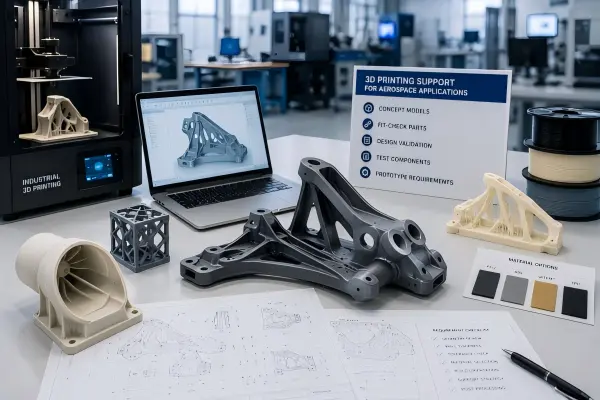
Rapid 3D printing support for concept models, fit-check parts, design-validation samples, test components, and selected prototype requirements before tooling or larger-scale production.
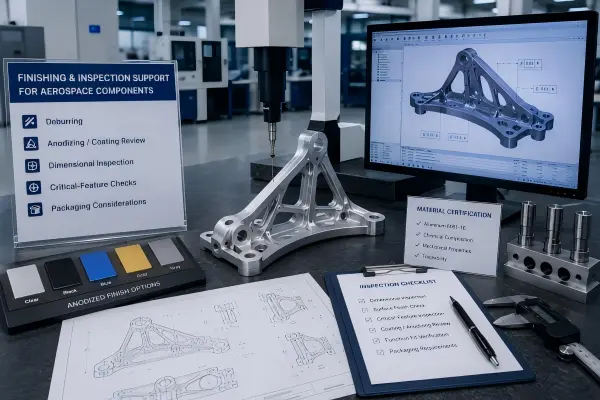
Surface-finishing and inspection planning for project-specific requirements, including deburring, anodizing, coating review, dimensional inspection, critical-feature checks, and packaging considerations.
Manufacturing Support for New Energy Equipment Projects
New-energy equipment projects often require stable machining processes for energy-storage housings, EV motor housings, inverter housings, battery-pack brackets, cooling plates, heat sinks, mounting structures, and related mechanical components.
Rapid Efficient can review energy-storage housings, EV motor housings, inverter housings, battery-pack brackets, cooling plates, heat sinks, mounting plates, adapters, and selected thin-wall components according to the drawing, material, wall thickness, pockets, hole patterns, critical dimensions, and assembly interfaces.
Aluminum, stainless steel, copper, and suitable engineering-plastic components can be evaluated according to their geometry, tolerance requirements, surface expectations, quantity, and intended use.
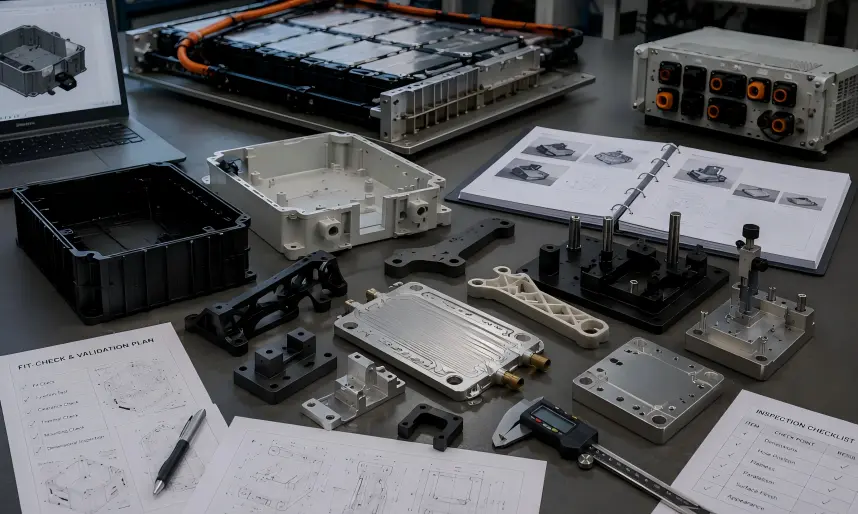
New-energy equipment development projects often require prototypes, fit-check parts, validation samples, test fixtures, and small functional components before larger-scale production or tooling decisions.
Rapid Efficient can support prototype housings, battery-pack bracket samples, inverter enclosure prototypes, cooling-plate samples, sensor brackets, inspection fixtures, adapter plates, mounting components, and selected mechanical test parts.
Manufacturing routes may include CNC machining, 3D printing, surface-finishing review, dimensional inspection, and packaging planning depending on the project requirements.
New-energy equipment projects may require low-volume production, replacement parts, validation batches, pilot runs, or selected repeat-production support after the prototype and testing stages.
Rapid Efficient can coordinate manufacturing support for energy-storage housings, EV motor-related components, inverter housings, battery-pack brackets, mounting brackets, adapter plates, cooling-related components, sensor housings, bushings, sleeves, connectors, and selected precision-machined components.
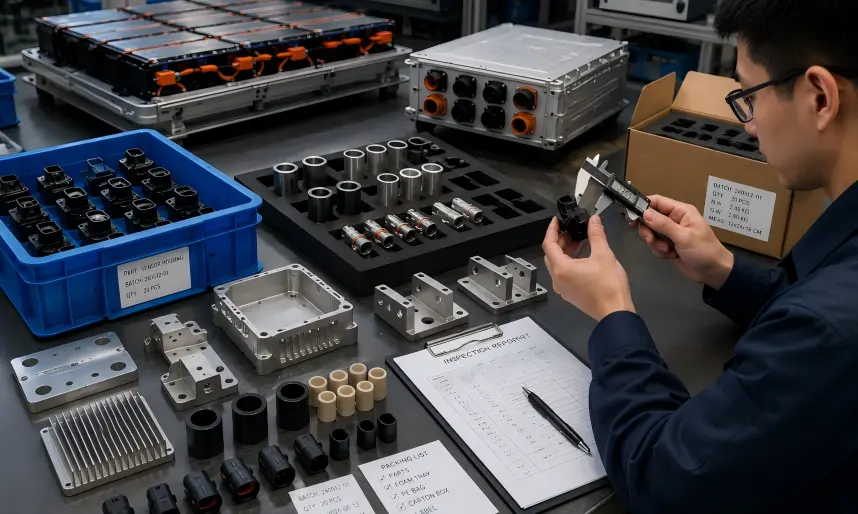
Production planning can include drawing-revision review, material confirmation, process coordination, critical-dimension inspection, surface-finishing requirements, packaging considerations, and delivery planning according to the specific needs of each project.
New Energy Equipment Component Examples
Rapid Efficient supports custom parts for new-energy equipment projects, including energy-storage housings, EV motor housings, inverter housings, battery-pack brackets, cooling plates, heat sinks, mounting structures, fixtures, and selected precision-machined components.
The examples shown here reflect the types of new-energy equipment components and project requirements our team can review.
New-energy equipment components may require different materials depending on their strength, weight, machinability, corrosion resistance, thermal-management needs, surface requirements, and dimensional stability.
Common options include aluminum alloys, stainless steel, steel, engineering plastics, silicone, PMMA, and other project-specific materials selected according to the drawing, application requirements, quantity, and intended use.
Material
Suitable Processes
Key Benefits
Typical Applications
Silicone
Suitable processes:
Injection molding, overmolding
Key benefits:
Flexibility and sealing performance
Typical applications:
Seals, buttons, protective covers
PMMA
Suitable processes:
CNC machining, cutting, thermoforming
Key benefits:
Transparency and appearance quality
Typical applications:
Display covers, lenses, panels
Aluminum Alloys
Suitable processes:
CNC machining, die casting, extrusion
Key benefits:
Lightweight and machinable
Typical applications:
Housings, brackets, frames, panels
Steel
Suitable processes:
CNC machining, forming, cutting
Key benefits:
Strength and durability
Typical applications:
Mechanical parts, fixtures, tooling
Titanium Alloys
Suitable processes:
CNC machining
Key benefits:
Strength-to-weight ratio and corrosion resistance
Typical applications:
Precision structural components
Nylon (PA)
Suitable processes:
CNC machining, injection molding, 3D printing
Key benefits:
Wear resistance and low weight
Typical applications:
Gears, connectors, functional parts
Surface Finishing Options for New Energy Equipment Components
New-energy equipment components may require different surface-finishing routes according to the material, corrosion-resistance needs, wear conditions, thermal-management requirements, appearance expectations, dimensional priorities, and intended use.
Common options include anodizing, plating, coating, black oxide, phosphating, and other suitable treatments selected according to the specific requirements of each project.
Surface Treatment
Applicable Materials
Key Features
Typical Colors
Typical Thickness
Anodizing
Materials:
Aluminum alloys
Key features:
Corrosion resistance, wear resistance, and decorative finish
Typical colors:
Clear, black, and custom colors
Typical thickness:
Project-specific
Chrome Plating
Materials:
Steel, copper alloys, and selected metals
Key features::
Decorative finish, hardness, and wear resistance
Typical colors:
Silver chrome
Typical thickness:
Project-specific
Electroplated Nickel
Materials:
Steel, copper alloys, and selected metals
Key features:
Corrosion resistance and improved surface appearance
Typical colors:
Silver or bright nickel
Typical thickness:
Project-specific
Electroless Nickel Plating
Materials:
Aluminum alloys, steel, copper alloys, and selected metals
Key features:
Uniform coating, corrosion resistance, and coverage on complex geometry
Typical colors:
Silver-gray
Typical thickness:
Project-specific
Powder Coating
Materials:
Aluminum alloys, steel, and selected metals
Key features:
Durable protective finish and flexible color options
Typical colors:
Custom colors
Typical thickness:
Project-specific
Electrophoretic Coating (E-Coating)
Materials:
Steel, aluminum, and selected metals
Key features:
Uniform coating, corrosion protection, and consistent appearance
Typical colors:
Black and selected colors
Typical thickness:
Project-specific
Black Oxide
Materials:
Steel and selected ferrous alloys
Key features:
Black finish and additional surface protection
Typical colors:
Black
Typical thickness:
Project-specific
Phosphating
Materials:
Steel and selected ferrous alloys
Key features:
Improved coating adhesion and additional corrosion protection
Typical colors:
Gray or dark gray
Typical thickness:
Project-specific
Zinc Flake Coating
Materials:
Steel and selected fasteners
Key features:
Corrosion resistance and consistent coating coverage
Typical colors:
Silver-gray or black
Typical thickness:
Project-specific
PVD Coating
Materials:
Selected metals and suitable substrates
Key features:
Thin-film finish, wear resistance, and decorative appearance
Typical colors:
Multiple metallic colors
Typical thickness:
Project-specific
FAQ
Is Rapid Efficient ISO certified?
Yes. Rapid Efficient operates under ISO 9001-certified quality-management and ISO 14001-certified environmental-management systems. These systems support structured drawing review, manufacturing-route planning, inspection coordination, quality-control procedures, and continuous improvement.
Project-specific requirements should still be reviewed individually according to the drawing, intended use, and customer requirements.
Yes. Rapid Efficient operates under ISO 9001-certified quality management and ISO 14001-certified environmental management systems. These systems support structured drawing review, process planning, inspection coordination, quality-control procedures, and continuous improvement.
Certification requirements for each aerospace-related project should still be reviewed individually according to the drawing, intended use, and customer requirements.
What types of custom parts can Rapid Efficient support?
Rapid Efficient supports custom manufacturing projects for metal and engineering-plastic parts, including housings, brackets, mounting plates, fixtures, adapter components, protective covers, panels, bushings, sleeves, sensor housings, and other suitable precision components.
Each project is reviewed according to the drawing, material, geometry, dimensional priorities, surface requirements, quantity, and intended use.
How long will it take to manufacture my parts?
Lead times depend on the material, geometry, quantity, manufacturing route, surface-finishing requirements, inspection needs, and delivery destination.
For suitable projects, expedited schedules can be arranged. A practical production and delivery plan will be confirmed after the drawing and project requirements have been reviewed.
Are my drawings and designs kept confidential?
Yes. Drawings, specifications, and project information are handled confidentially and used only for quotation review, manufacturing planning, quality control, and delivery coordination related to your project.
Additional confidentiality arrangements can also be discussed when required.