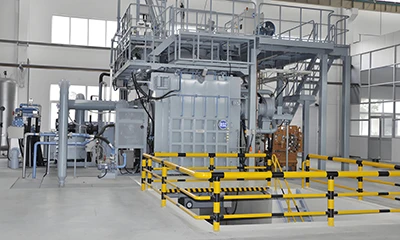
Vacuum casting is an advanced casting process, It injects liquid metal into the mold in a vacuum environment, to reduce pores, Defects such as inclusions, Improve casting quality and performance.
Choose Rapidefficient Vacuum Casting, Because it can reduce pore defects, Improve the density and mechanical properties of castings; Improve filling ability, Complex structural parts can be formed; Improve production efficiency, Shorten delivery cycle, and can reduce costs, Suitable for small batches, High quality parts production.
Submit your engineering blueprints for quick technical feedback and budgeting
Vacuum casting is an advanced casting process, It injects liquid metal into the mold in a vacuum environment, to reduce pores, Defects such as inclusions, Improve casting quality and performance. in vacuum environment, Gases and impurities in the molten metal are better able to escape, Make castings denser, Uniform. at the same time, Vacuum casting also enables high-precision manufacturing of complex-shaped castings, Provides greater freedom for product design in many fields.
Commonly used materials:
copper alloy: characteristic: Has good electrical conductivity, Thermal conductivity and corrosion resistance. Copper alloys have higher strength and hardness, Good wear resistance. Application scenarios: Commonly used in manufacturing electrical equipment, Mechanical parts, Plumbing equipment, etc., Such as motor rotor, valve, faucets etc.
Magnesium alloy: characteristic: Is one of the lightest metal structural materials, Has high specific strength and specific stiffness, Features such as good electromagnetic shielding performance. Magnesium alloy has excellent shock absorption properties, Suitable for areas with high weight and performance requirements. Application scenarios: Mainly used in aerospace, automobile manufacturing, Electronic communications and other fields. such as airplane seat frame, car dashboard bracket, Mobile phone casing, etc.
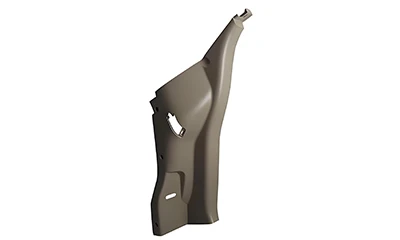
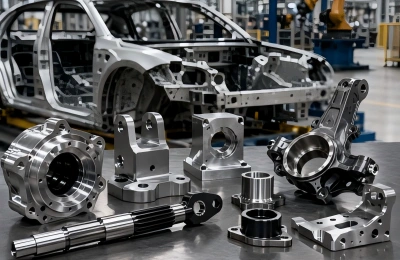
Capable of producing complex automotive parts with high precision, such as engine block, Transmission housing, etc., Meeting the high demands of the automotive industry.
Aerospace components
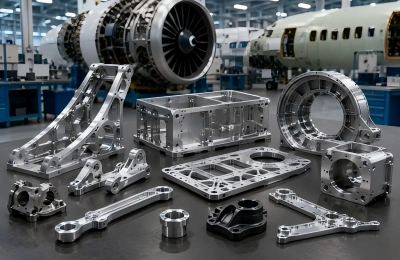
Can produce fine structures, Reliable aerospace components, Adapt to high altitude, High speed and other extreme environments.
Medical device production
Used to manufacture precision medical devices, such as surgical instruments, Implants etc., Ensure product safety and accuracy.
Electronic product casing
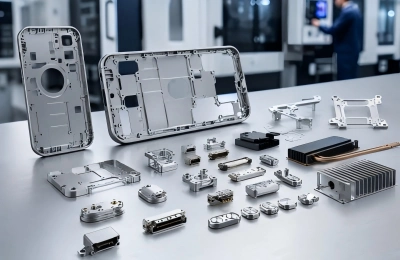
Good at creating thin walls, High-precision electronic product casing, Provide good protection and appearance for electronic products.
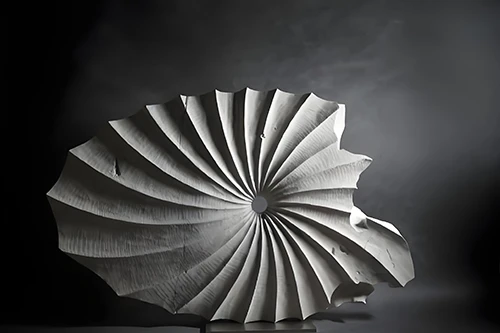
Art sculpture creation
Able to achieve complex artistic sculpture shapes, Accurately replicate an artist’s design, Show unique artistic effects.
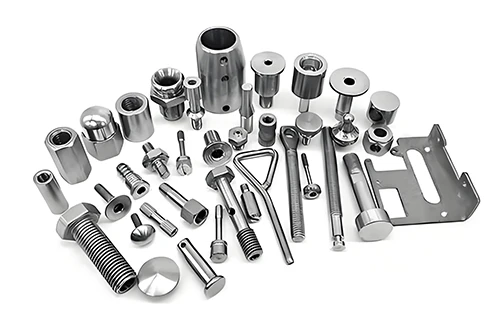
Small precision machinery parts
Can produce various small precision mechanical parts, like gears, Bearings, etc., Provide high-quality parts for the machinery industry.
100+
CNC lathe
ISO
9001:2015Certification
20K+
Production of CNC parts per month
150+
CNC machining materials
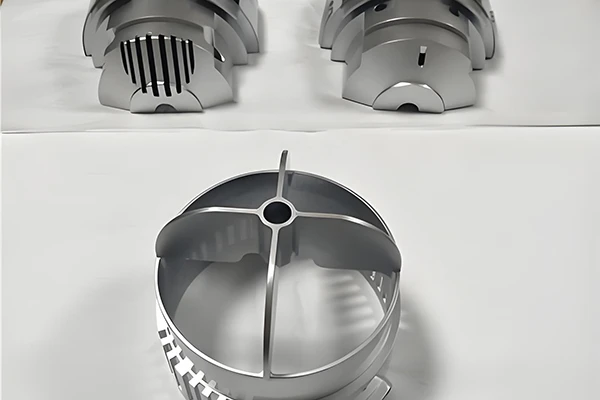
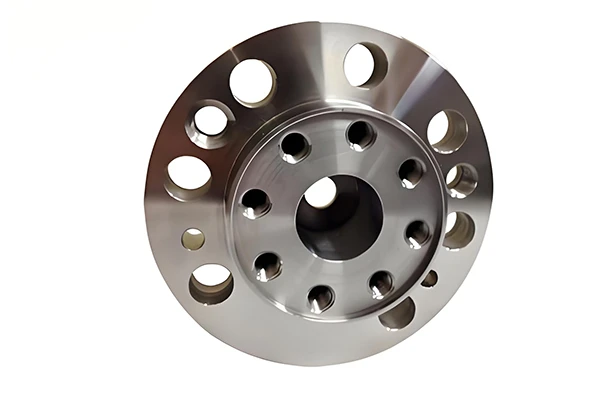
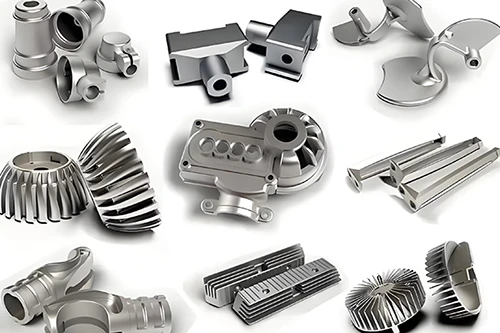
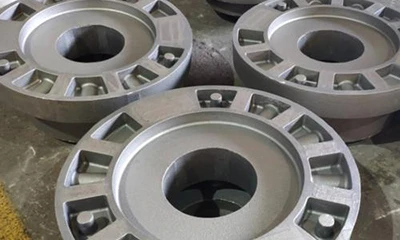
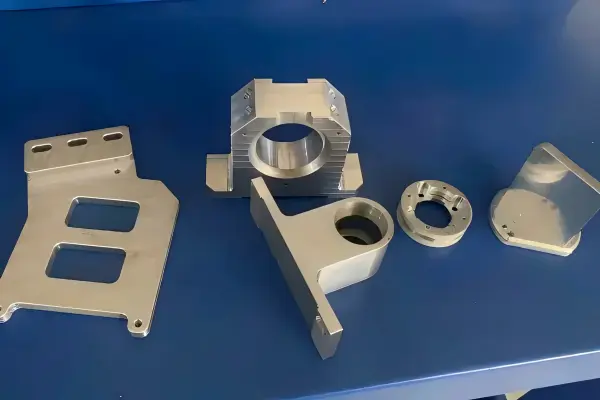
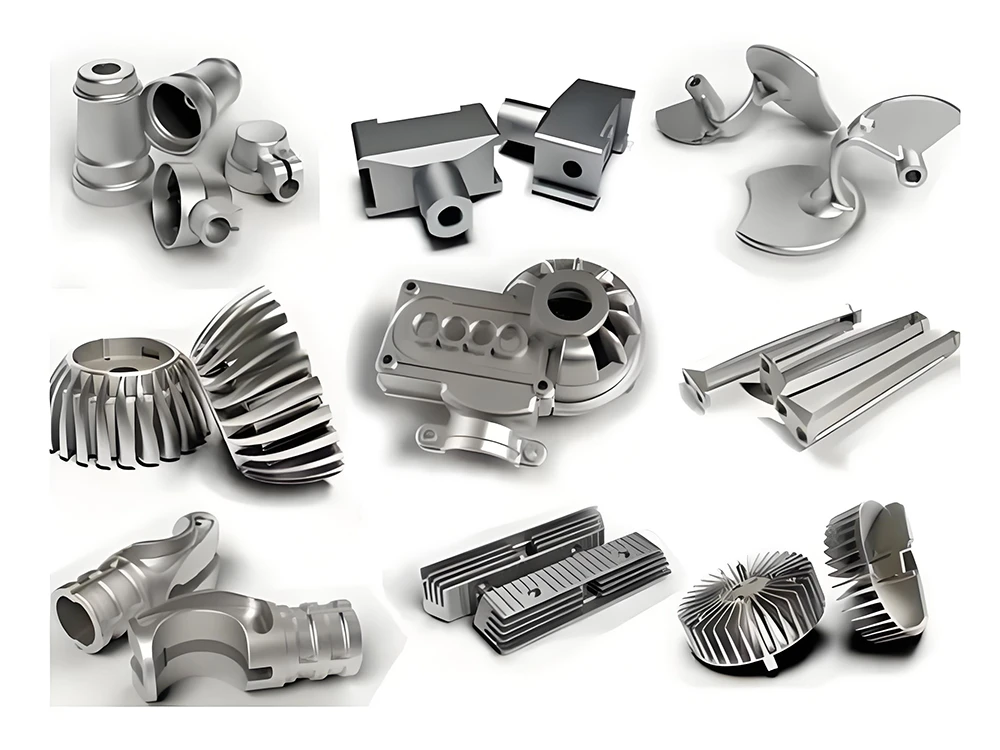
Vacuum casting parts display
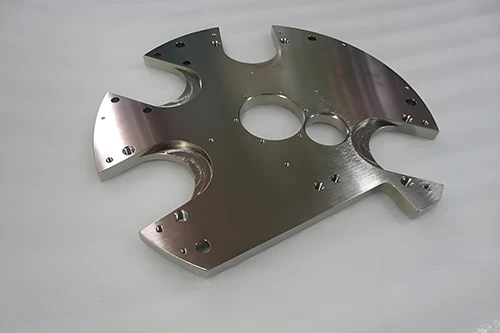
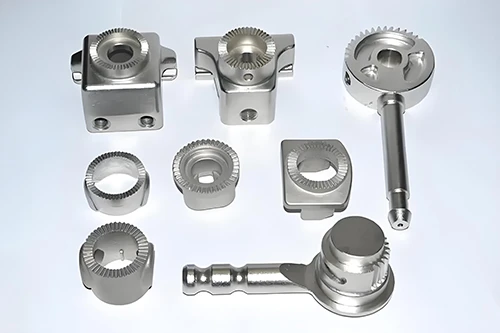
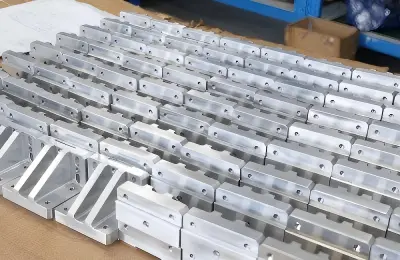
Stunning display of vacuum cast parts. High precision, Smooth surface, Complex structures perfectly presented, Highlight the charm of advanced manufacturing technology.
Key advantages of vacuum cast parts
Low porosity
Reduce casting porosity, Increase density, Enhance the mechanical properties of parts, Ensure product quality is stable and reliable.
Good mold filling
Improve the fluidity of molten metal, Can form complex structural parts, Meet diverse design needs.
High precision dimensions
High dimensional accuracy, Reduce subsequent processing, Reduce costs, Improve production efficiency.
A quick guide to vacuum casting parts
Learn about the vacuum casting process
Vacuum casting is to inject molten metal into the mold cavity under negative pressure, The manufacturing process that solidifies it into shape. Be familiar with its principles, Applicable materials and main application fields.
Determine needs
Identify specific requirements for vacuum cast parts required, including size, shape, Accuracy, Performance etc., Consider its function in the product and the environment in which it is used.
Choose the right material
Common vacuum casting materials include aluminum alloy, Magnesium alloy, Copper alloy, etc., Select appropriate materials based on factors such as part performance requirements and cost.
Design and mold making
1. Vacuum casting process characteristics should be considered when designing parts, Avoid difficult-to-form structures. Reasonable design of wall thickness, Release angle, etc. 2. Entrust professional mold manufacturers to make high-quality molds, Ensure mold accuracy and durability.
Production process control
1. Strictly control vacuum degree, Pouring temperature, Pouring speed and other parameters, Ensure stable parts quality. 2. Perform appropriate post-processing, Such as deburring, Surface treatment, etc., Improve part appearance and performance.
Quality inspection
1. Comprehensive quality inspection of vacuum cast parts, Includes dimensional measurements, Appearance inspection, Mechanical property testing, etc. 2. Use advanced testing equipment and methods, Ensure parts meet quality standards.
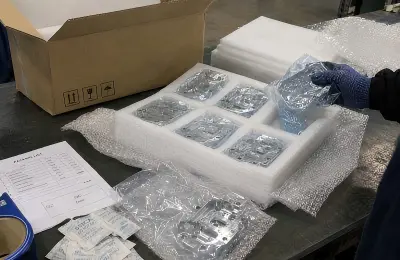
Packaging and storage
Use appropriate packaging, Prevent parts from being damaged during shipping and storage. Storage environment should be dry, clean, Avoid parts getting wet, rust.
From Drawing to Delivery
Whether you need a one-off functional prototype, a low-volume batch, or repeat production parts, Rapid Efficient can coordinate the machining route, inspection plan, surface finish, packaging, and delivery schedule around your project requirements.
Rapid CNC Prototyping
Move from drawing review to functional parts faster with CNC machining for prototypes, design verification, assembly testing, and engineering evaluation.
For suitable projects, expedited delivery can be arranged from as little as 3 working days.
Fast DFM feedback
Functional prototype parts
Quick design iterations
Expedited delivery options
Low-Volume CNC Production
Bridge the gap between prototype approval and repeat production with flexible low-volume CNC machining.
We coordinate material selection, machining, dimensional inspection, surface finishing, and packaging to maintain stable quality across each batch.
Flexible production quantities
Controlled inspection planning
Surface-finishing coordination
Stable batch quality
Repeat Production Support
For repeat orders, we focus on drawing-revision control, material consistency, critical-feature inspection, surface-finish stability, and practical delivery planning.
The goal is simple: reliable parts, responsive communication, and consistent supply.
Drawing-revision control
Repeatable inspection standards
Consistent finishing requirements
Packaging and delivery coordination
Make your parts now
Start production operation
All information and uploaded materials are secure and confidential
Frequently Asked Questions about Vacuum Casting Parts You Need to Know
Surface defects: Flow marks may appear, Cold insulation, Surface problems such as blisters
Reason: Improper design of the pouring system, The temperature of the molten metal is inappropriate, Rough mold surface, etc.
Solution Optimize pouring system, Ensure smooth flow of molten metal. Adjust molten metal temperature and pouring speed, keep it within the appropriate range. Polish the mold, Improve mold surface quality.
Internal defects: like pores, shrinkage cavity, Inclusions, etc.
Reason: Insufficient vacuum, Incomplete degassing of molten metal, Pouring speed is too fast, etc.
Solution Increase vacuum level, Ensure that the gas in the mold cavity is fully exhausted. Fully degassing the molten metal, If vacuum degassing is used, Inert gas stirring and other methods. Control pouring speed, Avoid turbulence in molten metal and gas entrainment.
Dimensional deviation: Actual size differs from design size
Reason: Mold deformation, Process parameters are unstable, Measurement error, etc.
Solution Check the mold regularly, Prevent mold deformation. Stable process parameters, Strengthen process control. Use high-precision measuring equipment, Reduce measurement errors.
Poor mechanical properties: strength, Mechanical properties such as hardness do not meet requirements
Reason: Improper material selection, The heat treatment process is unreasonable, Effect of casting defects, etc.
Solution Choose the right material, Ensure that the mechanical properties of the material meet the requirements. Optimize heat treatment process, Improve the strength and hardness of parts. Reduce casting defects, like pores, Shrinkage cavities, etc., Improve part density.
Application areas of CNC machining
Our CNC machining services have been praised by global customers from different fields, We supply CNC machining components to a variety of industries, Covers the following and more.
Automotive
CNC machining support for brackets, housings, bushings, shafts, adapters, fixtures, sensor components, and custom mechanical parts used in automotive and mobility projects.
Machining support for lightweight housings, brackets, fixtures, structural components, test parts, and complex aluminum or titanium components for aerospace-related applications.
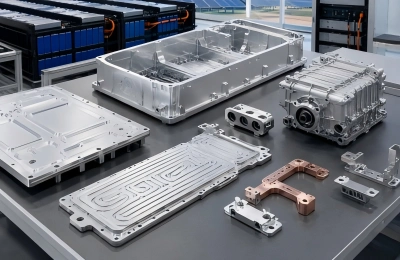
Custom parts for energy-storage systems, EV-related equipment, motor housings, thermal-management components, brackets, connectors, fixtures, and mechanical assemblies.
CNC machined housings, shafts, sleeves, brackets, fixtures, machine components, mounting parts, and replacement components for industrial equipment and production systems.
Precision-machined parts for semiconductor equipment, automation modules, fixtures, plates, brackets, housings, and components requiring controlled dimensions and clean surface finishes.