

Company Equipment and Manufacturing Capacity
Rapid Efficient supports precision manufacturing through a coordinated production system covering CNC machining, surface finishing, stamping, inspection, assembly, and export packaging.
Our manufacturing resources are selected and managed according to each project’s part geometry, material grade, tolerance level, surface finish requirements, production volume, inspection plan, and delivery schedule.
Before production begins, we review the machining route and supporting processes to ensure that every project is assigned to the appropriate equipment and quality-control workflow.
CNC Machining Workshop
Our CNC machining capacity supports prototypes, custom components, and small-to-medium batch production.
The workshop includes a range of machining resources for different part geometries and production requirements. Equipment is allocated according to complexity, tolerances, material behavior, surface expectations, and inspection needs.
Available machining capabilities include:
- 3-axis CNC machining centers for general milling, pockets, drilled features, and precision surfaces
- 4-axis CNC machining centers for multi-side machining and reduced setup requirements
- 5-axis CNC machining centers for complex geometries, angled features, and parts requiring fewer repositioning steps
- CNC turning equipment for shafts, sleeves, connectors, threaded parts, and rotational components
- Secondary machining support for drilling, tapping, deburring, polishing, and surface preparation
CNC Workshop Overview
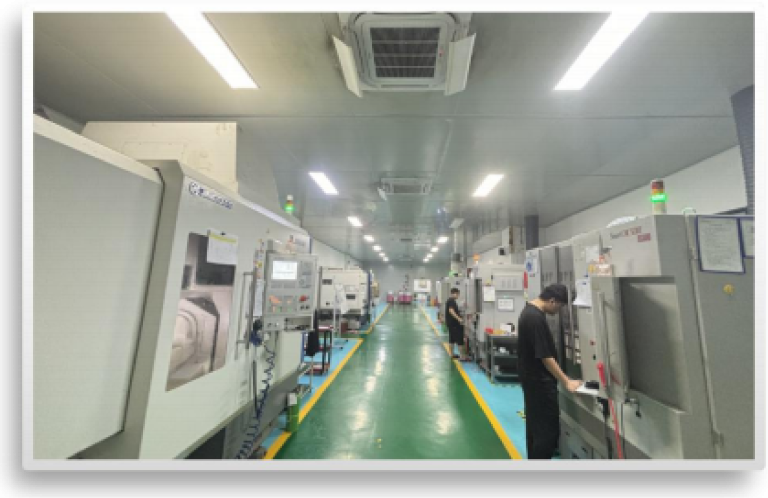
CNC machining workshop supporting prototype development, custom components, and repeat production.
How We Select the Right CNC Process
The most complicated machine is not always the best choice.
A simple aluminum plate with pockets and drilled holes may only require 3-axis milling. A housing with several functional surfaces may benefit from 4-axis machining. A complex bracket with angled features or difficult-to-reach surfaces may require 5-axis machining to reduce repeated setup errors.
During drawing review, we consider:
- Feature complexity
- Tolerance requirements
- Datum relationships
- Material grade
- Surface finish
- Hole and thread requirements
- Batch size
- Inspection method
This allows us to choose a stable and cost-effective machining route before production begins.
CNC Equipment in Operation
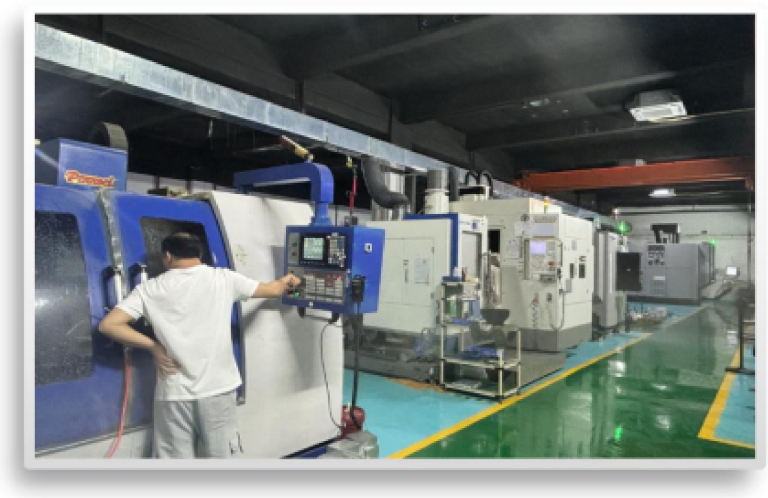
Production equipment is selected according to part geometry, material, tolerance, and batch requirements.
5-Axis Machining Capacity
Our manufacturing system includes 5-axis machining resources for parts requiring complex surfaces, angled holes, multi-face milling, and fewer setup changes.
Typical applications include:
- Precision housings
- Complex aluminum brackets
- Sensor components
- Optical mounting parts
- Automation components
- Communication equipment parts
- Medical device components
- Multi-face machined stainless steel and engineering plastic parts
5-axis machining can help improve:
- Feature alignment
- Machining consistency
- Tolerance stability
- Surface continuity
- Inspection planning
- Production repeatability
However, 5-axis machining is not automatically required for every complex-looking component. During process review, we determine whether 3-axis, 4-axis, or 5-axis machining provides the most reliable balance of accuracy, stability, cost, and delivery time.
5-Axis CNC Machining Centers
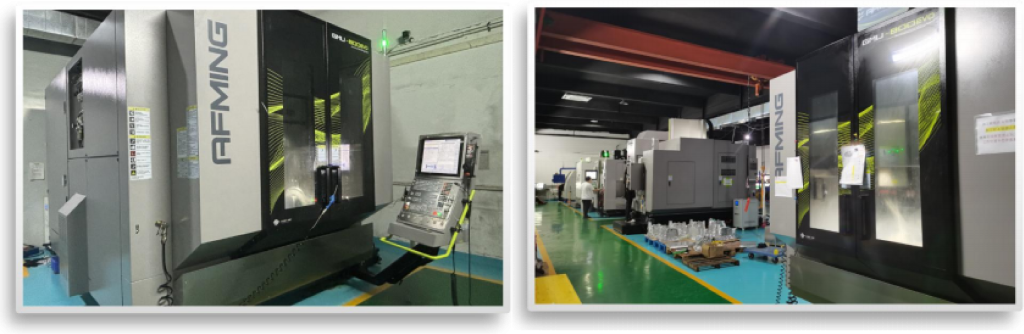
5-axis CNC machining resources for complex geometries, angled features, and precision multi-face components.
Surface Finishing and Post-Processing Capacity
Machining quality is only one part of the final result.
Surface finishing must be reviewed together with appearance, corrosion resistance, wear resistance, dimensional tolerances, threaded features, masking areas, mating surfaces, and assembly requirements.
Available finishing and post-processing support includes:
- Anodizing
- Passivation
- Polishing
- Sandblasting / bead blasting
- Powder coating
- Painting
- Plating
- Laser engraving
- Heat treatment when required
For aluminum CNC parts, anodizing requirements should be reviewed before production because coating thickness may affect:
- Holes
- Threads
- Tight-fit mating features
- Bearing locations
- Masked surfaces
- Cosmetic appearance
For stainless steel parts, passivation requirements should be confirmed together with material grade, cleaning process, corrosion expectations, and inspection method.
Anodizing Workshop
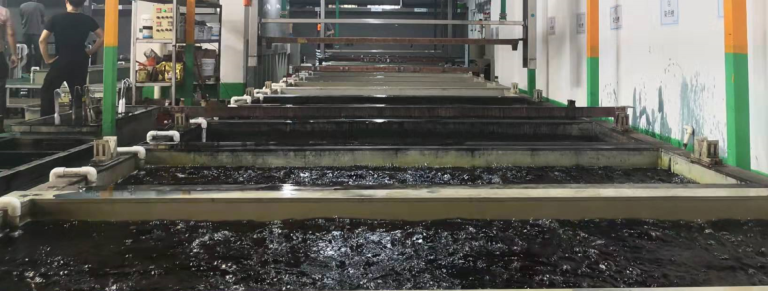
Anodizing capacity for aluminum components requiring corrosion resistance, surface protection, and controlled appearance.
Stamping, Mold, and Extended Manufacturing Support
Some projects require more than CNC machining.
Depending on the drawing and production requirements, our manufacturing capacity can also support:
- Sheet metal stamping
- Deep drawing
- Punching
- Bending
- Forming
- Mold-related processing
- Aluminum extrusion secondary machining
- Assembly
- Surface treatment
- Export packaging
These supporting processes allow Rapid Efficient to handle projects from prototype development through small-batch and repeat production.
Before production, we review:
- Material thickness
- Part geometry
- Tooling requirements
- Forming risk
- Surface finish
- Tolerances
- Inspection requirements
- Packaging conditions
This helps reduce avoidable rework and improves production stability.
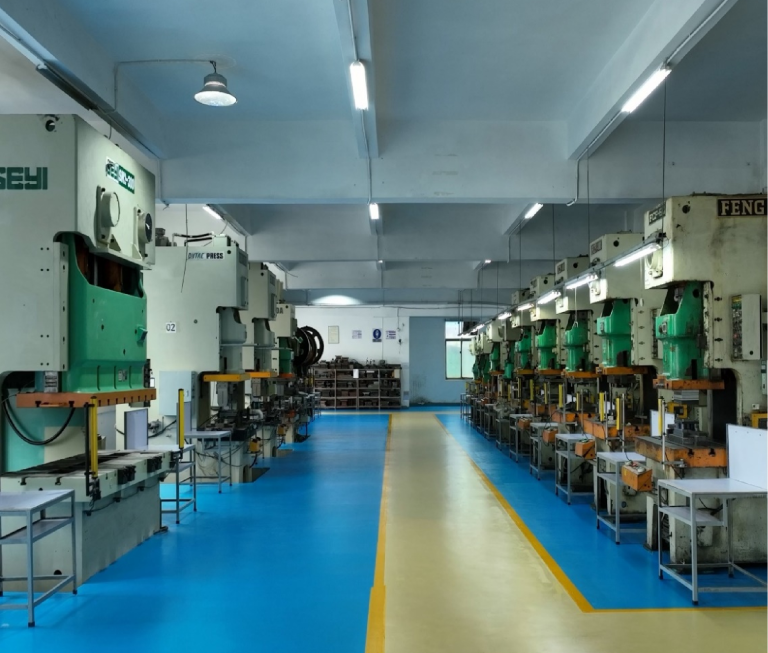
Stamping equipment supporting punching, bending, forming, and repeat-production requirements.
Inspection and Quality Control Equipment
Inspection methods are selected according to drawing requirements, part complexity, tolerance level, material, surface treatment, and customer-specific quality expectations.
Our quality-control resources include:
- Coordinate Measuring Machine (CMM)
- 2D measuring equipment
- Calipers
- Micrometers
- Height gauges
- Thread gauges
- Pin gauges
- Gauge blocks
- Film thickness testers
- Colorimeters
- Gloss meters
- Surface coating adhesion tests
- Visual inspection
- Packaging checks before shipment
Not every part requires the same inspection method.
A basic machined component may only need dimensional checks with calipers, micrometers, or gauges. A complex housing with multiple datums, tight positional tolerances, or mating features may require CMM inspection.
Critical dimensions, threads, mating surfaces, and post-processing risks are reviewed before production so that the appropriate inspection tools and acceptance criteria can be confirmed in advance.
For more information about inspection methods, surface checks, packaging control, and available inspection reports, visit our quality assurance process.
CMM Inspection Equipment
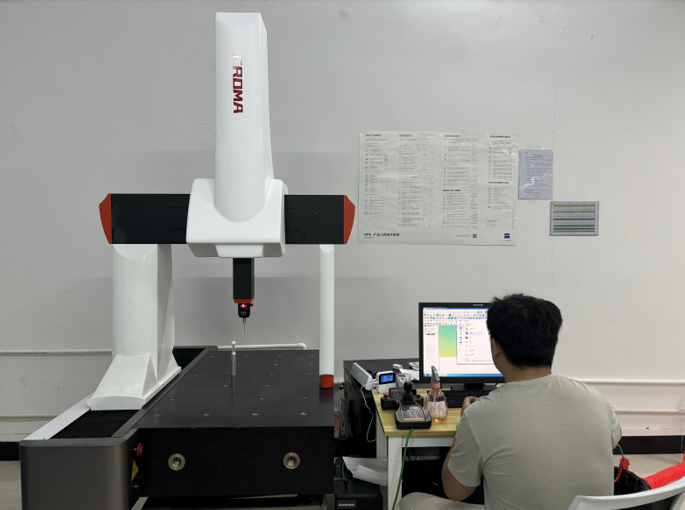
CMM inspection equipment used to verify critical dimensions, datum relationships, and precision features.
Packaging and Shipment Preparation
A precision component can pass dimensional inspection and still fail customer expectations if it arrives scratched, oxidized, or damaged.
Before shipment, packaging requirements are reviewed according to:
- Material
- Surface finish
- Part geometry
- Weight
- Quantity
- Transportation method
- Customer-specific protection requirements
Packaging support may include:
- Individual wrapping
- Foam protection
- Anti-scratch bags
- Anti-oxidation packaging for copper and sensitive metals
- Moisture protection
- Desiccant when required
- Export cartons
- Clear part labels
For overseas orders, packaging is treated as part of the quality-control process, not as an afterthought.
How We Allocate Equipment for Each Project
Equipment selection is based on the actual manufacturing requirements of each component.
Before quotation and production, we review:
- Part geometry
- Material grade
- Tolerance requirements
- Surface finish
- Thread and hole features
- Production quantity
- Inspection requirements
- Packaging and shipment needs
This allows Rapid Efficient to assign the appropriate machining, finishing, inspection, and packaging resources for each project.
The goal is not to use the most complicated machine.
The goal is to select the process route that provides the best balance of accuracy, stability, cost, and delivery reliability.
Upload Your Drawing for Process Review
Send your 2D drawing, 3D CAD file, material requirement, tolerance notes, surface finish requirements, and expected quantity.
Our team will review the machining route, inspection plan, supporting processes, and delivery requirements before quotation.