CNC Turning Services
Rapid Efficient provides CNC turning services for custom shafts, sleeves, bushings, flanges, threaded parts, rings, spacers, adapters, and other rotational components.
From rapid prototypes and low-volume batches to repeat production, we review the material, diameter, bore requirements, grooves, threads, run-out, surface finish, inspection needs, and delivery schedule before quotation.
Upload Your Drawing for CNC Turning Review
Shafts, sleeves, bushings, flanges, and threaded components
Critical diameters, fits, and run-out reviewed before production
As little as 3 working days for suitable projects
CNC Turning Support from Prototype to Repeat Production
Rapid Efficient provides CNC turning support for custom rotational parts that require stable dimensions, clean surface quality, reliable threads, and repeatable production.
We machine shafts, sleeves, bushings, flanges, spacers, rings, adapters, threaded components, cylindrical housings, and parts that combine turning with secondary milling, drilling, grooves, flats, or cross holes.
Before production, we review the outer diameter, inner diameter, bore requirements, thread specifications, groove geometry, length-to-diameter ratio, concentric relationships, run-out, surface roughness, material grade, quantity, and inspection method.
From prototypes to repeat orders, our goal is simple: fast quotation, stable machining quality, consistent inspection, and practical delivery planning.
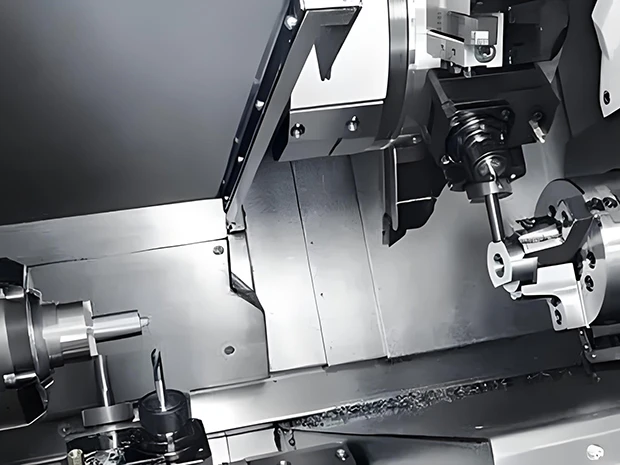
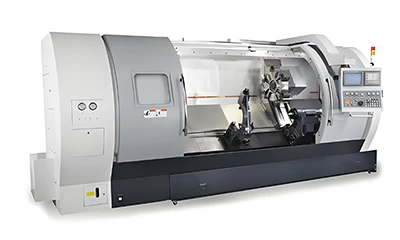
CNC turning is a machining process in which a workpiece rotates while cutting tools remove material to create precise cylindrical features. It is commonly used for shafts, sleeves, bushings, flanges, rings, spacers, threaded parts, adapters, and other rotational components.
Depending on the design, a turned part may include outer diameters, inner bores, grooves, threads, tapers, shoulders, sealing surfaces, and controlled fits. Secondary milling, drilling, flats, slots, or cross holes can also be added when the geometry requires more than a simple turning operation.
A reliable CNC turning plan must consider the material grade, outer and inner diameters, length-to-diameter ratio, bore depth, thread specifications, groove geometry, concentric relationships, run-out, surface roughness, quantity, and inspection requirements.
Rapid Efficient supports CNC turning from rapid prototypes and low-volume batches to repeat production, with fast quotation, practical drawing review, stable machining quality, and expedited delivery options for suitable projects.
From simple shafts and sleeves to precision flanges, threaded components, and repeat-production parts, each project is reviewed according to geometry, tolerance priorities, material behavior, and inspection requirements.
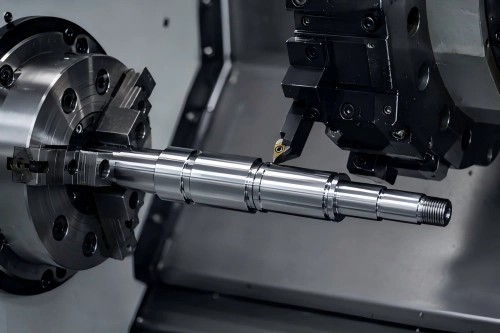
Precision Shafts and Stepped Components
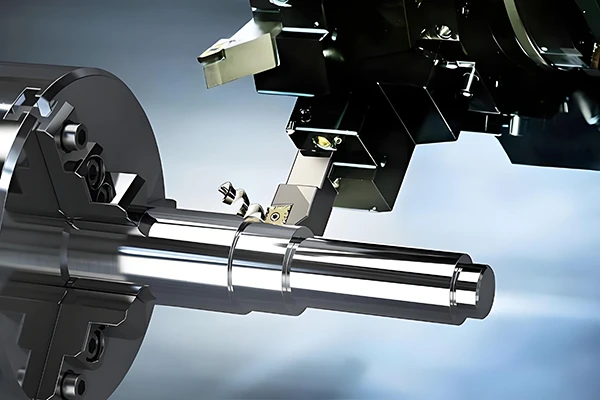
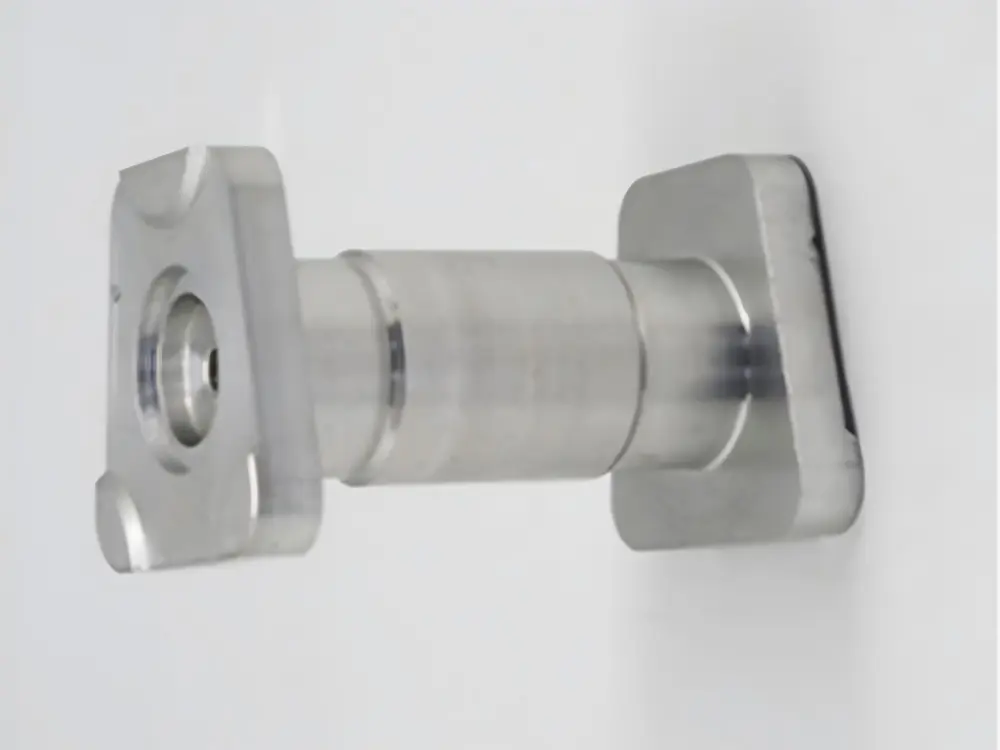
CNC turning supports shafts, stepped shafts, pins, axles, spacers, and cylindrical components with controlled outer diameters, shoulders, grooves, threads, and surface finishes.
For critical parts, we review length-to-diameter ratio, concentric relationships, run-out, fit requirements, and inspection methods before production.
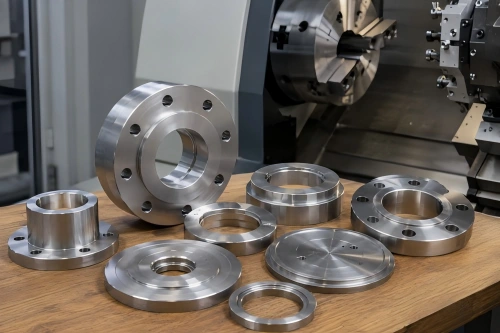
Flanges, Discs, and Ring Components
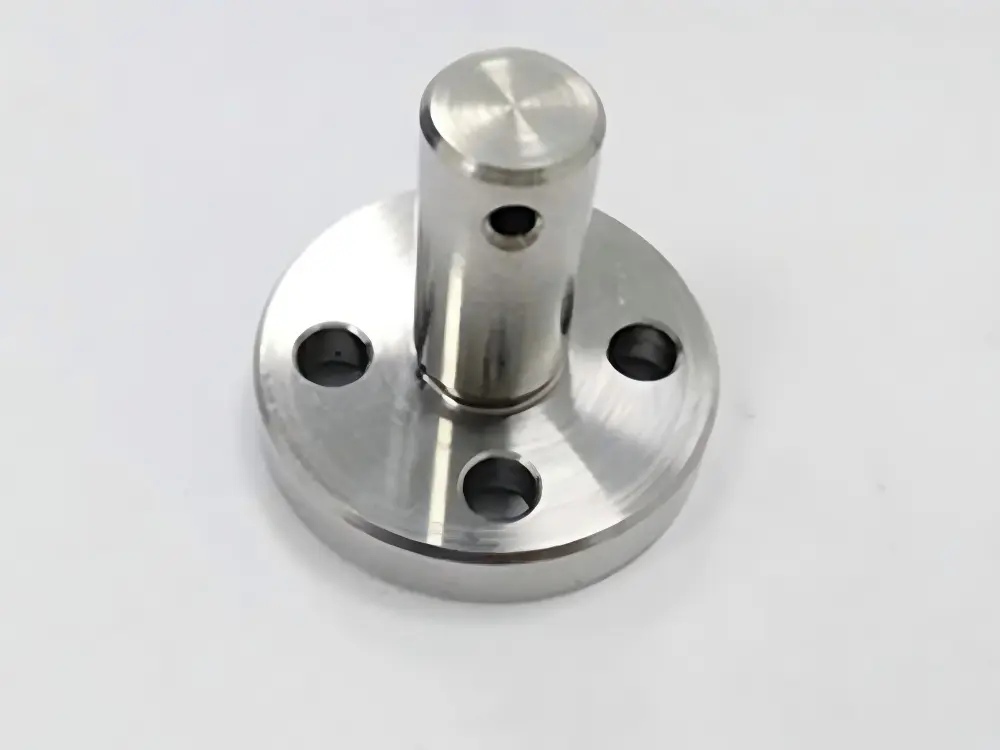
We support custom flanges, discs, rings, collars, adapters, and circular components requiring stable diameters, bores, faces, bolt-hole patterns, grooves, and mating surfaces.
Depending on the geometry, turning may be combined with secondary milling, drilling, or inspection of flatness, run-out, and critical fits.
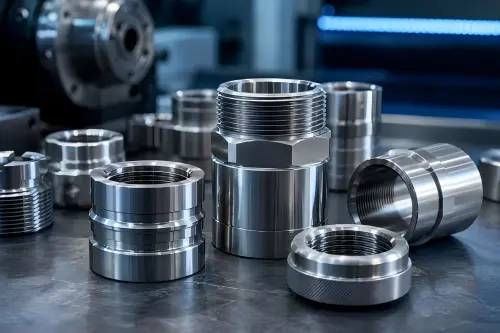
Threaded Components
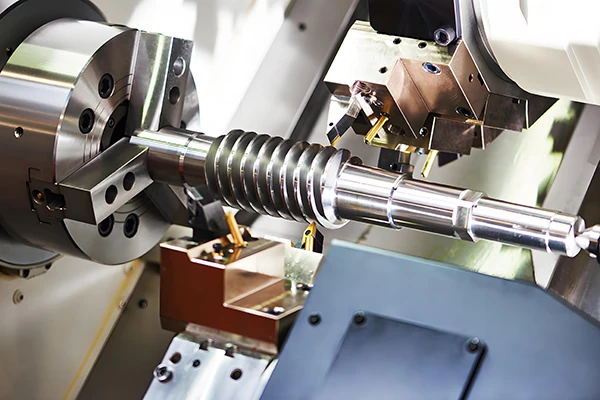
CNC turning is suitable for parts with external threads, internal threads, precision grooves, shoulders, sealing features, and custom cylindrical profiles.
Before machining, we review the thread standard, nominal size, pitch, engagement length, material grade, surface finish, gauge requirements, and production quantity.
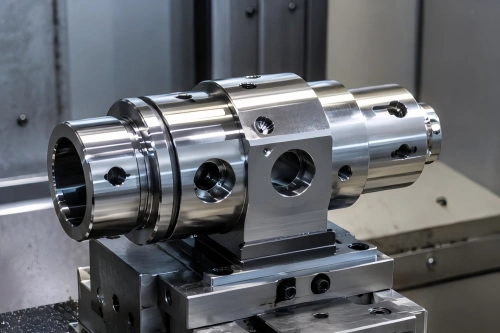
Turned Parts with Secondary Machining
Some rotational components require more than turning alone. Secondary milling, drilling, flats, slots, cross holes, grooves, and multi-surface features can be added according to the part design.
A coordinated machining route helps reduce repeated setups, protect datum relationships, and improve consistency for more complex components.
Low-Volume and Repeat Production
Rapid Efficient supports prototypes, low-volume batches, and repeat-production turning projects.
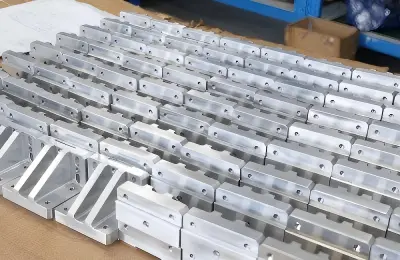
For repeat orders, we focus on drawing-revision control, material consistency, tool-wear monitoring, critical-dimension inspection, surface-finish stability, packaging, and practical delivery planning.
Turning for Demanding Metal Materials
Different metals require different turning strategies. We support project review for aluminum, stainless steel, carbon steel, alloy steel, copper alloys, brass, bronze, titanium alloys, and other application-specific metals.
Tool selection, cutting parameters, chip control, thread quality, surface finish, and inspection planning should be matched to the material grade and part geometry.
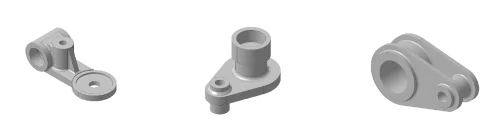
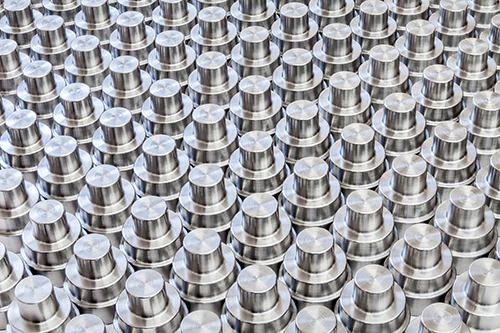
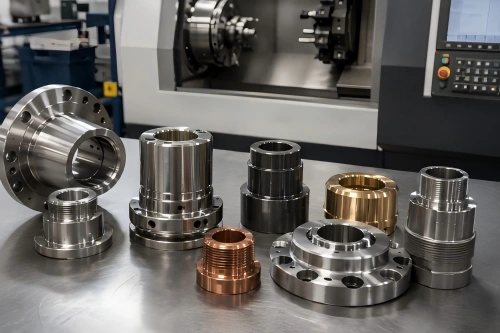
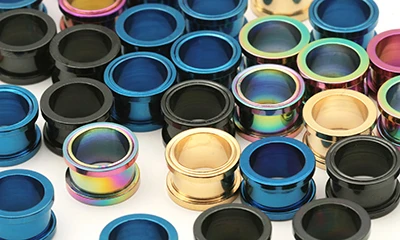
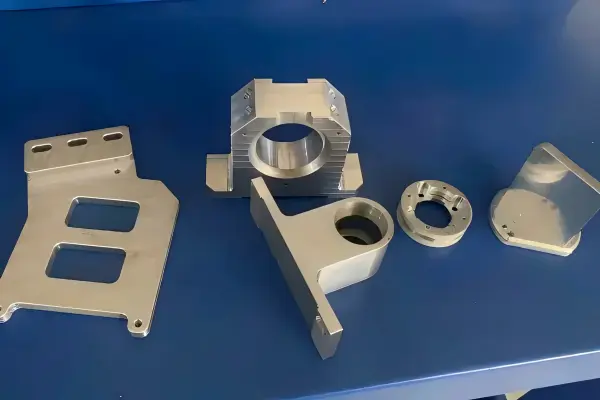
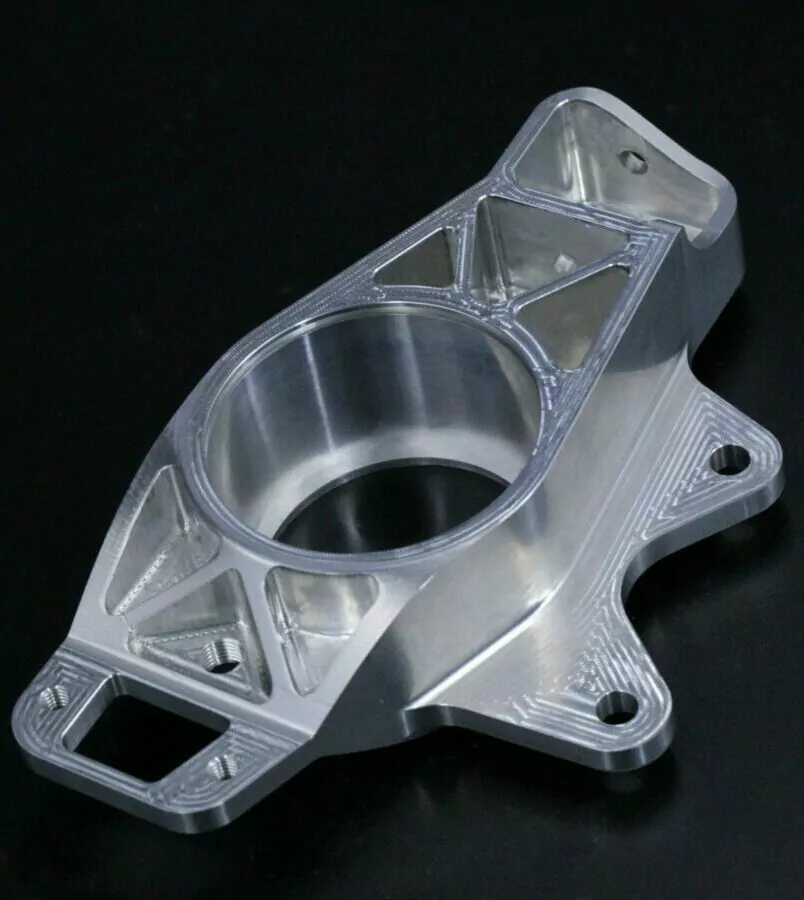
Explore a selection of custom CNC turned components supported by Rapid Efficient, including shafts, sleeves, bushings, flanges, rings, threaded parts, adapters, spacers, and repeat-production components.
Each turning project is reviewed according to its material grade, outer and inner diameters, bore requirements, threads, grooves, run-out, surface finish, inspection needs, and production quantity. From prototypes to repeat orders, we focus on fast response, stable quality, and consistent delivery planning.


CNC Turning and Turn-Mill Process Matching
Rapid Efficient supports CNC turning, turn-mill machining, drilling, threading, grooving, and secondary milling for custom rotational parts.
The machining route is selected according to the part geometry, material grade, diameter, bore requirements, thread specifications, run-out, surface finish, quantity, and delivery priorities. The goal is to reduce unnecessary setups while maintaining stable dimensions and repeatable quality.
Secondary Operations and Surface-Finishing Support
Many turned parts require more than a single lathe operation. Depending on the project, we can coordinate secondary milling, drilling, cross holes, flats, slots, deburring, heat treatment, passivation, plating, polishing, anodizing, and other application-specific finishing routes.
Before production, we review mating surfaces, threads, sealing areas, masking zones, cosmetic requirements, inspection needs, and packaging conditions to reduce avoidable delays after machining.
ISO 9001 certification
Our manufacturing plant is ISO certified, This means any machined parts go through an extensive set of quality checks.
Engineering Review Before Production
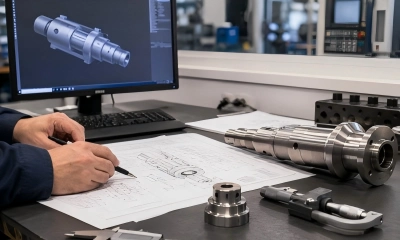
Our team reviews the drawing before quotation to identify turning risks early, including excessive length-to-diameter ratios, difficult bore access, thin-wall sleeves, deep grooves, blind threads, unstable clamping, tight run-out requirements, and unnecessary tolerance concentration.
Early review helps reduce rework, improve machining efficiency, and protect delivery schedules.
Fast Response and Practical Delivery Planning
Rapid Efficient is built around fast response, clear communication, and reliable delivery coordination.
Many quotations can be returned within 1 working day after the drawing, material, quantity, and finishing requirements are received. For suitable CNC turning projects, expedited delivery can be arranged from as little as 3 working days.
Common CNC Turning Operations
CNC turning supports a wide range of operations for rotational parts, from simple shafts and sleeves to precision flanges, threaded components, and parts with controlled bores, grooves, shoulders, and mating surfaces.
Depending on the drawing, multiple turning operations may be combined with drilling, secondary milling, dimensional inspection, and surface finishing to achieve the required fit, function, and repeatable quality.
Whether you need a one-off functional prototype, a low-volume batch, or repeat production parts, Rapid Efficient can coordinate the machining route, inspection plan, surface finish, packaging, and delivery schedule around your project requirements.
Move from drawing review to functional parts faster with CNC machining for prototypes, design verification, assembly testing, and engineering evaluation.
For suitable projects, expedited delivery can be arranged from as little as 3 working days.
Bridge the gap between prototype approval and repeat production with flexible low-volume CNC machining.
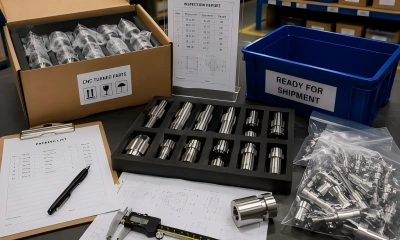
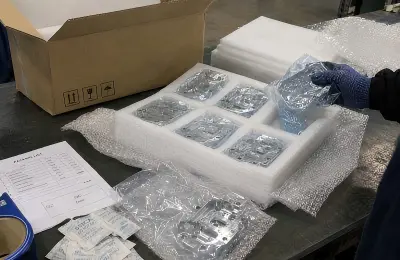
We coordinate material selection, machining, dimensional inspection, surface finishing, and packaging to maintain stable quality across each batch.
For repeat orders, we focus on drawing-revision control, material consistency, critical-feature inspection, surface-finish stability, and practical delivery planning.
The goal is simple: reliable parts, responsive communication, and consistent supply.
Upload Your Drawing
Start Production Faster
Secure file upload. Fast quotation and machining review for your custom CNC parts.
1: Dimensional Accuracy and Run-Out
Dimensional deviation may be caused by tool wear, unstable clamping, incorrect offsets, material behavior, or an unsuitable machining sequence.
For shafts, sleeves, bushings, flanges, and precision cylindrical parts, we review critical outer diameters, inner bores, shoulders, concentric relationships, run-out, fits, and inspection methods before production.
To reduce risk:
1. Confirm the datum scheme and critical dimensions before machining.
2. Monitor tool wear, offsets, and compensation values during production.
3. Use suitable clamping pressure to avoid temporary distortion.
4. Check critical diameters and run-out after unclamping.
5. Match the inspection method to the functional requirements of the part.
2: Surface Finish and Burr Control
Surface-finish problems may result from worn tools, unsuitable cutting parameters, vibration, chip recutting, unstable workholding, or poor coolant access.
For appearance-sensitive surfaces, sealing faces, threads, and mating features, we review the finishing requirement before production.
To improve surface quality:
1. Use suitable tool geometry for the material and feature type.
2. Review spindle speed, feed rate, depth of cut, and finishing allowance.
3. Improve chip evacuation to reduce surface scratches.
4. Control vibration by reducing excessive tool reach and improving workholding stability.
5. Confirm whether deburring, polishing, plating, passivation, or other finishing routes are required.
3: Thread and Groove Quality
Threads and grooves require careful review because small dimensional errors can affect assembly, sealing, and repeatability.
Before machining, we confirm the thread standard, nominal size, pitch, engagement length, groove width, groove depth, material grade, surface finish, and gauge requirements.
To improve consistency:
1. Use standard thread sizes and pitches whenever possible.
2. Review blind-thread depth and tool-access requirements early.
3. Monitor tool wear before critical threading operations.
4. Use suitable gauges for important threaded features.
5. Confirm whether plating, anodizing, or passivation will affect the final fit.
4: Workholding and Thin-Wall Deformation
Thin-wall sleeves, long shafts, lightweight rings, and heavily machined cylindrical parts can deform under clamping pressure or cutting forces.
A stable turning plan should secure the workpiece without forcing it into a temporary shape that changes after machining.
To improve dimensional stability:
1. Review the length-to-diameter ratio and wall thickness before production.
2. Use controlled clamping pressure and suitable support.
3. Reduce excessive cutting forces during finishing operations.
4. Add intermediate inspection where the geometry is sensitive.
5. Verify critical dimensions after unclamping.
5: Tool Wear and Chip Control
Tool wear and poor chip evacuation can increase cycle time, affect dimensions, damage surface quality, and reduce batch consistency.
Different materials require different turning strategies. Stainless steel, copper alloys, brass, aluminum, titanium alloys, and engineering plastics should not be machined with the same parameters.
To improve stability:
1. Select cutting tools according to the material and geometry.
2. Use suitable spindle speed, feed rate, and depth of cut.
3. Maintain effective coolant delivery and chip evacuation.
4. Avoid unnecessary tool extension and unstable cutting engagement.
5. Replace worn tools before critical finishing and threading operations.
6: How Do You Maintain Fast Delivery and Stable Quality?
Fast delivery does not mean skipping engineering review or inspection.
Rapid Efficient improves lead time by reviewing the drawing early, selecting a practical machining route, reducing unnecessary setups, confirming tolerance priorities, and coordinating secondary operations before production begins.
Many quotations can be returned within 1 working day after the drawing, material, quantity, and finishing requirements are received.
For suitable CNC turning projects, expedited delivery can be arranged from as little as 3 working days.
For more DFM guidance on tolerances, threads, deep holes, internal radii, and inspection planning, explore our CNC machining design guide.
(1) Fast Production for Rotational Parts
CNC turning is an efficient machining route for shafts, sleeves, bushings, flanges, rings, spacers, adapters, threaded components, and other rotational parts.
Once the drawing, material, quantity, and finishing requirements are confirmed, the machining route can be planned quickly. For suitable projects, expedited delivery can be arranged from as little as 3 working days.
(2) Stable Control of Critical Diameters and Fits
CNC turning is well suited to parts requiring controlled outer diameters, inner bores, shoulders, grooves, threads, tapers, sealing surfaces, and mating features.
For critical components, we review concentric relationships, run-out, bore requirements, surface roughness, functional fits, and inspection methods before production.
(3) Flexible Support from Prototype to Repeat Production
CNC turning does not require dedicated molds or long tooling lead times. This makes it suitable for one-off prototypes, low-volume batches, design iterations, and repeat-production orders.
For repeat projects, we focus on drawing-revision control, material consistency, tool-wear monitoring, inspection standards, surface-finish stability, packaging, and delivery planning.
(4) Turning Can Be Combined with Secondary Machining
Many rotational parts require more than a simple lathe operation. Depending on the geometry, turning can be combined with drilling, threading, grooving, secondary milling, flats, slots, cross holes, deburring, and surface finishing.
A coordinated process route helps reduce repeated setups, protect critical datum relationships, and maintain consistent quality.
(1) Run-Out and Concentric Relationships
For shafts, sleeves, bushings, flanges, and cylindrical components, small deviations in run-out or concentricity can affect assembly, motion, sealing, and long-term performance.
Before production, we review the datum scheme, outer and inner diameters, bore requirements, shoulders, fits, run-out limits, and inspection method. Critical dimensions should be checked after unclamping.
(2) Length-to-Diameter Ratio and Workholding Stability
Long shafts, thin-wall sleeves, lightweight rings, and slender components can deform or vibrate under clamping pressure and cutting forces.
A stable machining plan should control clamping force, add suitable support where required, reduce unnecessary cutting pressure during finishing operations, and verify sensitive dimensions after the part is released from the fixture.
(3) Threads, Grooves, and Deep Bores
Threads, narrow grooves, blind holes, and deep bores require early review because tool access, chip evacuation, tool wear, and inspection conditions can affect consistency.
The drawing should clearly identify thread standards, nominal size, pitch, engagement length, groove width, groove depth, bore depth, surface finish, and gauge requirements.
(4) Material-Specific Cutting Strategies
Aluminum, stainless steel, carbon steel, alloy steel, copper alloys, brass, bronze, titanium alloys, and engineering plastics require different tools and cutting parameters.
Tool geometry, spindle speed, feed rate, depth of cut, coolant delivery, chip control, surface-finish requirements, and inspection planning should be matched to the material grade and part geometry.

Our CNC machining services have been praised by global customers from different fields. We supply CNC machining components to a variety of industries, Covers the following and more.
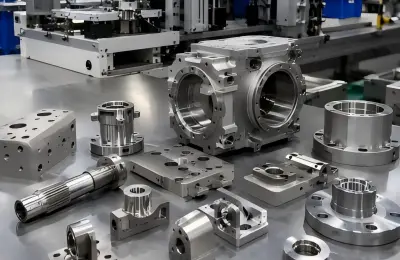
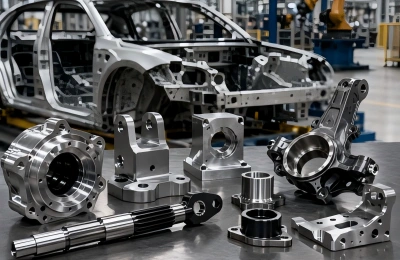
CNC machining support for brackets, housings, bushings, shafts, adapters, fixtures, sensor components, and custom mechanical parts used in automotive and mobility projects.
Precision-machined components for robotic arms, automation equipment, end effectors, joints, motor-related parts, sensor housings, fixtures, and assembly tooling.
Custom CNC machined parts for medical-device equipment, diagnostic instruments, laboratory systems, housings, fixtures, valves, adapters, and non-implant mechanical components.
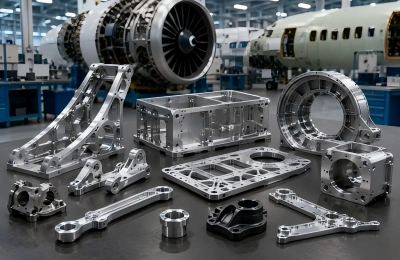
Machining support for lightweight housings, brackets, fixtures, structural components, test parts, and complex aluminum or titanium components for aerospace-related applications.
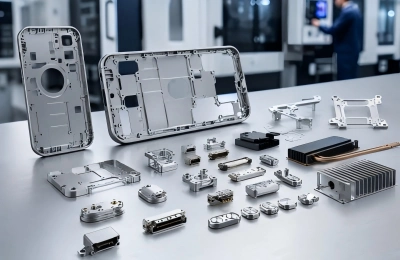
CNC machining for enclosures, frames, heat-dissipation parts, buttons, brackets, fixtures, connector components, and appearance-sensitive aluminum parts.
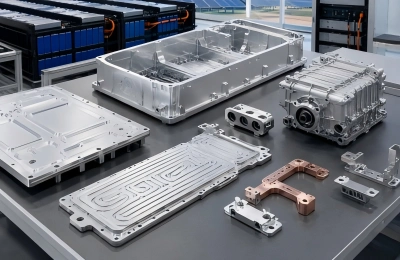
Custom parts for energy-storage systems, EV-related equipment, motor housings, thermal-management components, brackets, connectors, fixtures, and mechanical assemblies.
CNC machined housings, shafts, sleeves, brackets, fixtures, machine components, mounting parts, and replacement components for industrial equipment and production systems.
Precision-machined parts for semiconductor equipment, automation modules, fixtures, plates, brackets, housings, and components requiring controlled dimensions and clean surface finishes.