Rapid Prototyping Services

From early-stage concepts and functional prototypes to design-validation parts and pre-production samples, Rapid Efficient supports custom rapid prototyping projects for metal and engineering-plastic components.

Upload your drawing to review the suitable manufacturing route, material requirements, critical dimensions, surface expectations, inspection needs, quantity, and delivery priorities before quotation.

Upload Your Drawing for Rapid Prototyping Review

Accepted files: STEP, STP, IGS, IGES, X_T, PDF, DWG, and DXF
Your files are secure and treated as confidential.
Process Route Review
Select a practical prototyping method for your project
Design and Tolerance Review
Critical features reviewed before production
Expedited Delivery
As little as 3 working days for suitable projects

Rapid Prototyping Support for Custom Parts

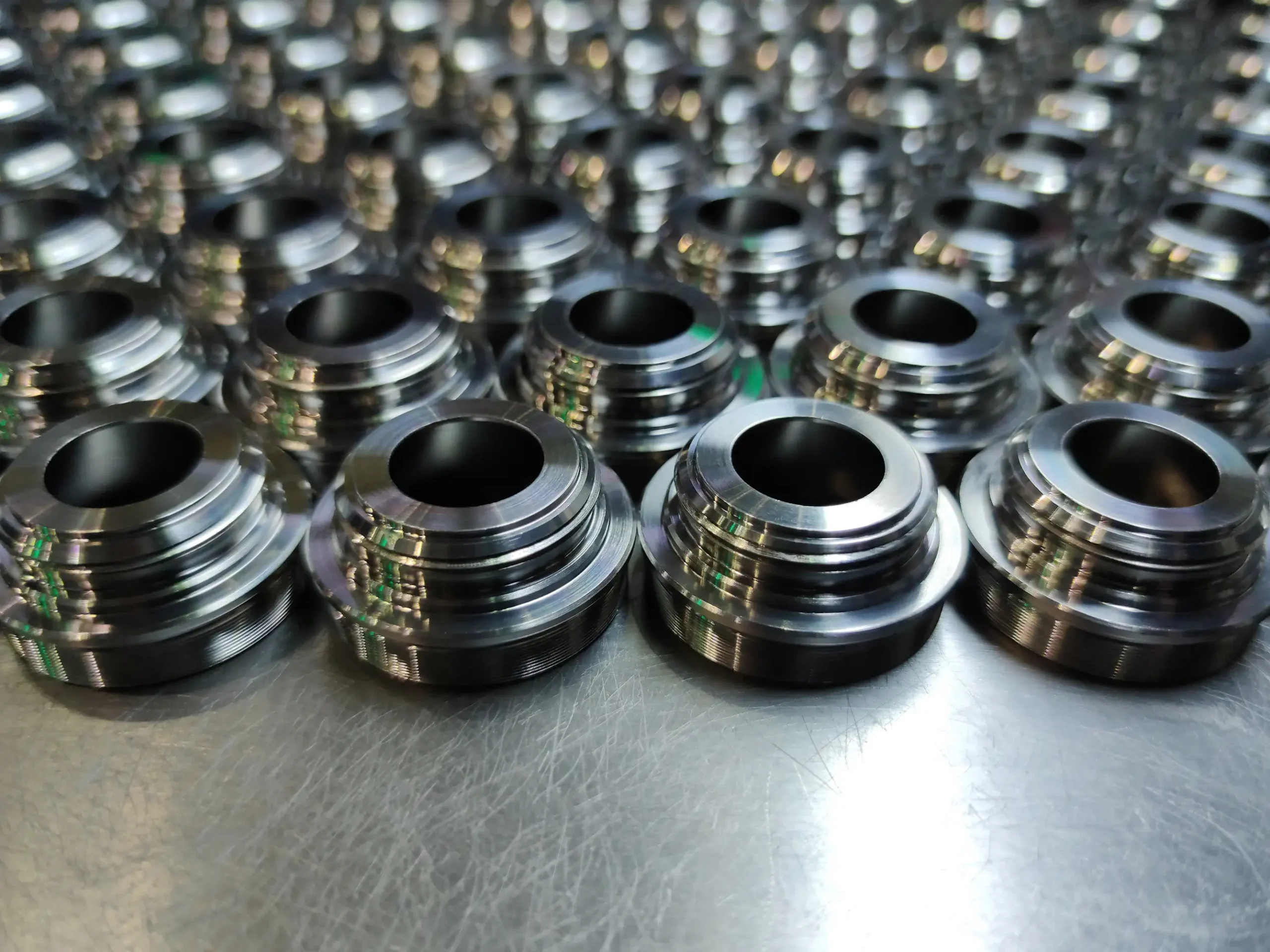
Rapid Efficient supports custom prototyping projects for metal and engineering-plastic parts, including appearance models, fit-check samples, functional prototypes, design-validation parts, and pre-production components.

Depending on the geometry, material, dimensional requirements, surface expectations, quantity, and intended use, the suitable manufacturing route may include CNC machining, 3D printing, and other reviewed processes.

Before quotation, our team reviews the drawing, critical dimensions, material requirements, inspection priorities, surface-finishing needs, and delivery expectations to coordinate a practical prototyping route.

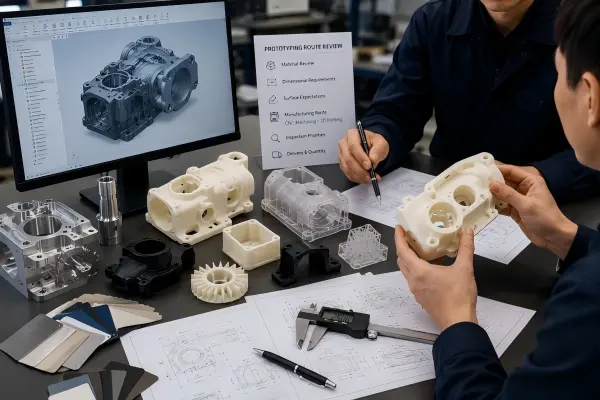
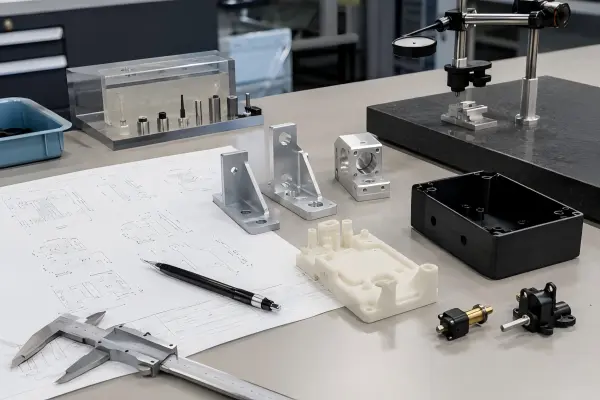
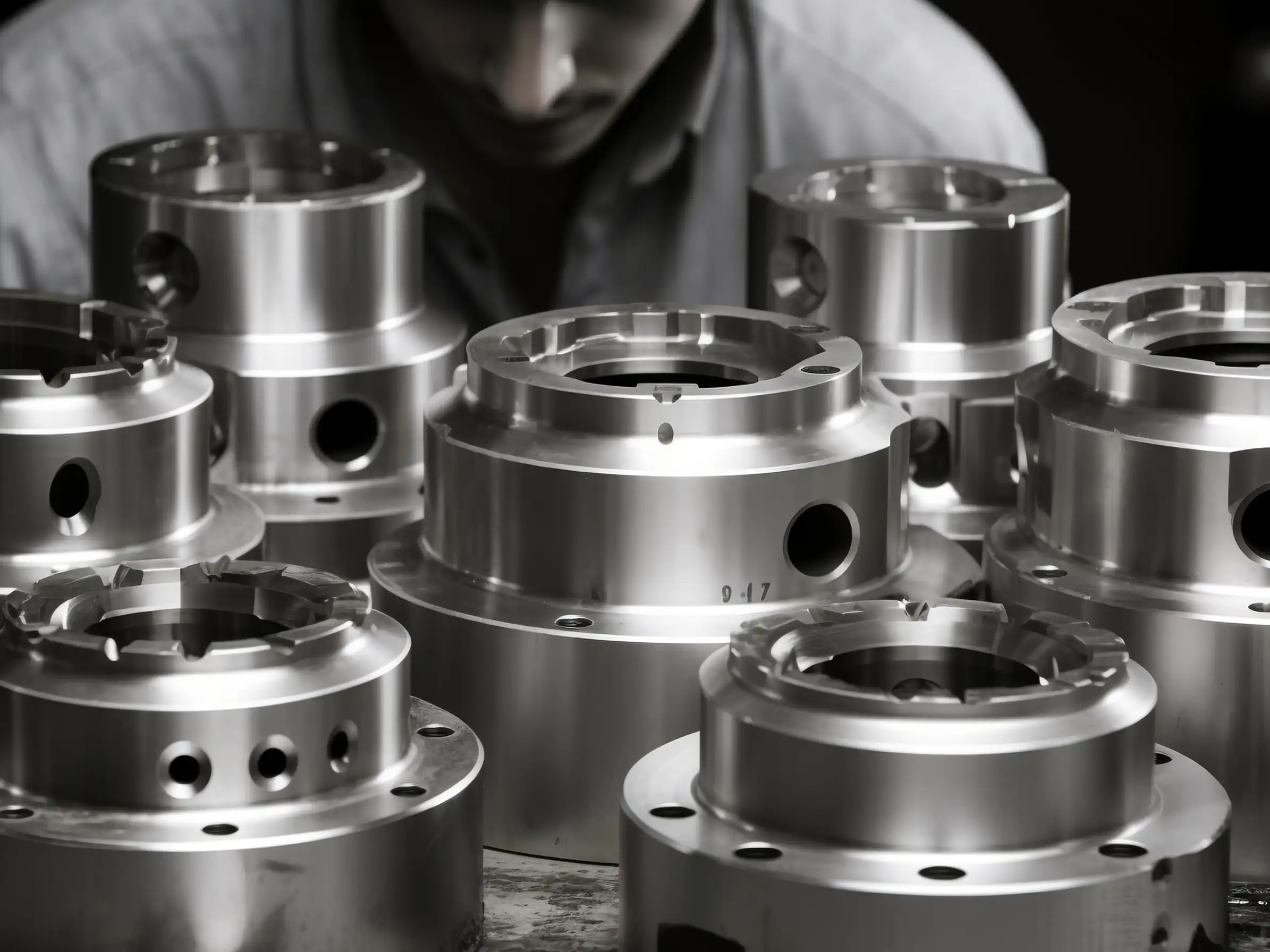
Engineers reviewing rapid prototyping routes with CNC metal parts, plastic 3D printed samples, CAD model, drawings, materials, and inspection tools.
Custom prototype parts for design validation and functional testing
Send your drawing for prototyping-route review and quotation.
What Is Rapid Prototyping?

Rapid prototyping is the process of producing physical parts quickly for design review, fit checking, functional testing, appearance evaluation, and early-stage product validation.

The most suitable prototyping route depends on the part geometry, material, dimensional requirements, surface expectations, quantity, and intended use. CNC machining is often suitable for accurate metal and engineering-plastic prototypes, while 3D printing can support fast design iteration and complex geometries. Other processes may also be reviewed according to the project requirements.

A practical prototyping plan should consider more than speed alone. Material behavior, critical dimensions, assembly interfaces, surface-finishing needs, inspection priorities, and the next stage of production should be reviewed before manufacturing begins.

Rapid Efficient supports custom prototype parts such as housings, brackets, fixtures, panels, adapters, functional components, appearance models, and design-validation samples. Upload your drawing to receive a project-specific review and quotation.

Rapid Prototyping Solutions for Faster Product Validation

CNC Prototyping for Functional Parts

CNC machining is suitable for accurate metal and engineering-plastic prototypes that require realistic material performance, stable dimensions, and clear assembly interfaces.

We support prototype housings, brackets, fixtures, adapters, panels, and other custom functional parts according to the drawing and project requirements.

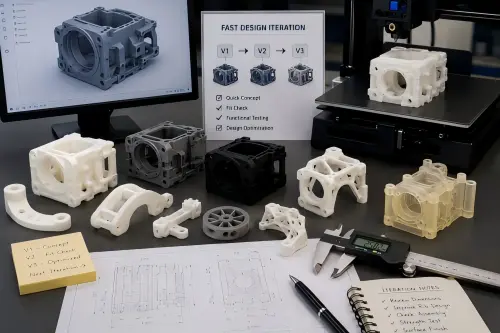
3D Printing for Fast Design Iteration

3D printing supports concept models, fit-check parts, complex geometries, and early-stage samples when speed and design flexibility are priorities.

The suitable printing route can be reviewed according to the part geometry, material expectations, surface requirements, quantity, and intended use.

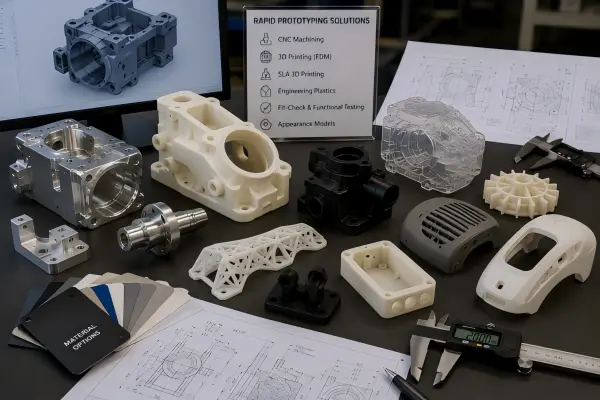
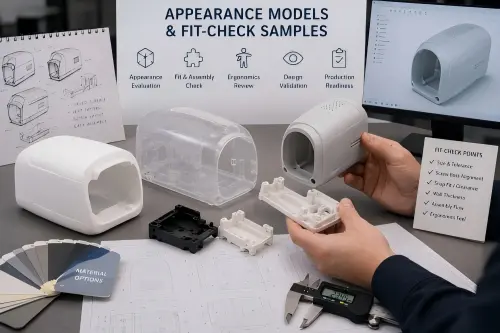
Appearance models and fit-check prototype samples including SLA housings, product mockups, assembly validation parts, CAD review, drawings, and inspection tools.

Appearance Models and Fit-Check Samples

Appearance models and fit-check samples help review size, shape, assembly relationships, ergonomics, and visual design before moving to the next development stage.

These prototypes are useful for covers, housings, panels, enclosures, and product mockups.

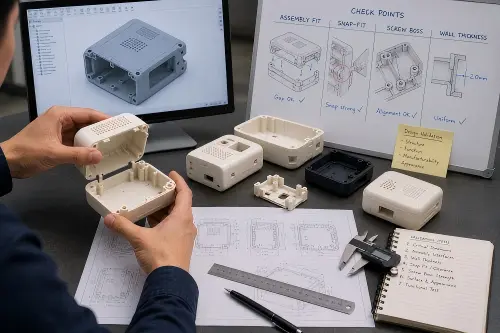
Design-validation prototype review showing plastic prototype housings, assembly fit check, snap-fit features, screw boss alignment, drawings, and CAD model review.

Design-Validation Prototypes

Design-validation prototypes help identify manufacturability risks before production begins.

Our team can review critical dimensions, assembly interfaces, wall thickness, structural features, surface requirements, and inspection priorities according to the drawing.

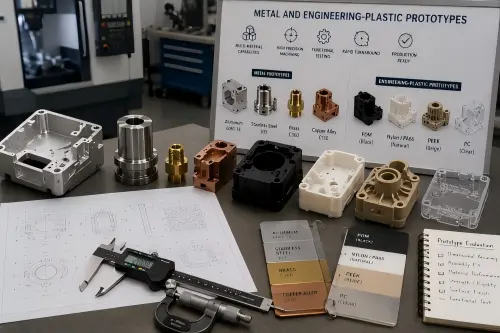
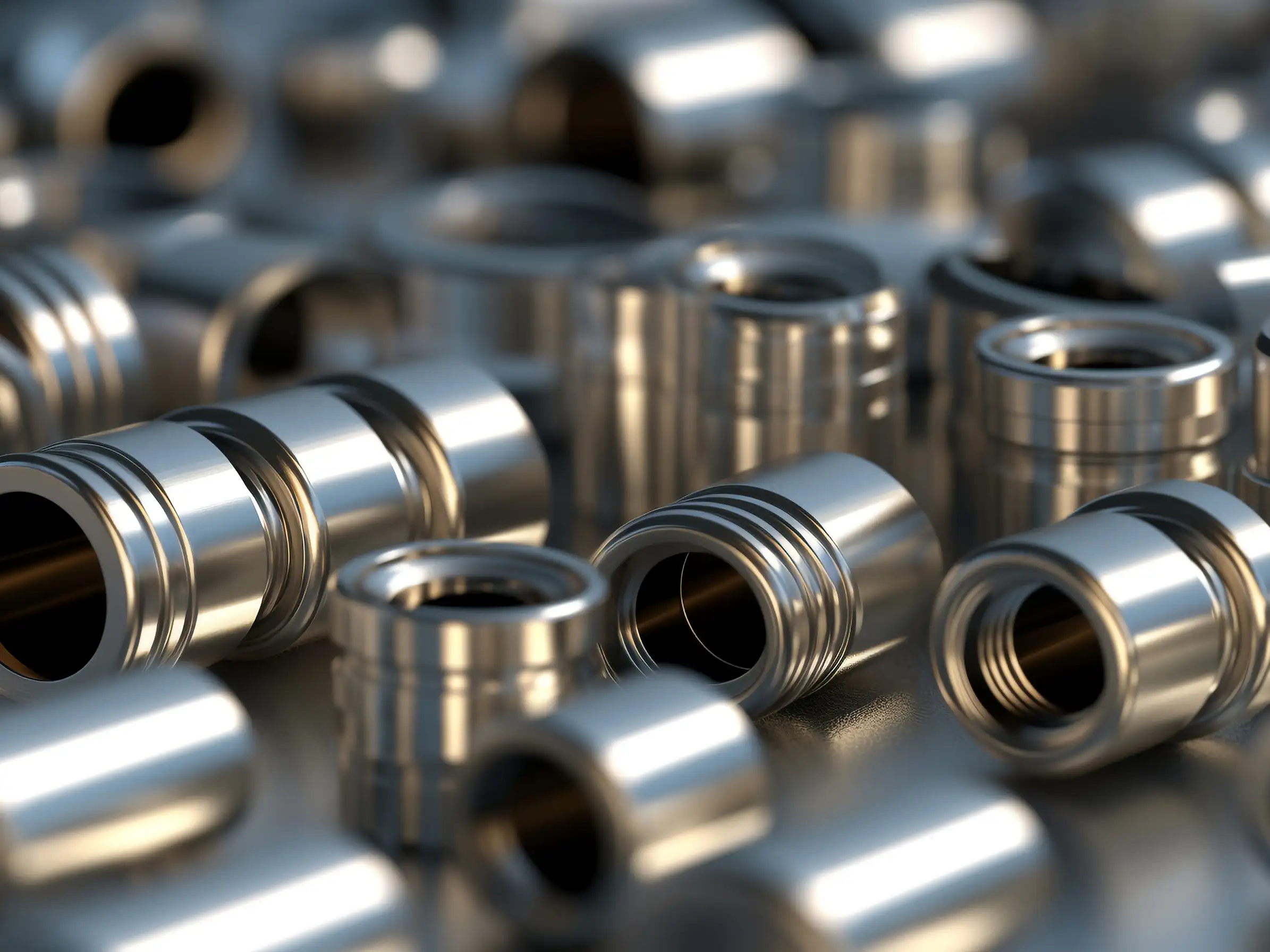
Metal and engineering-plastic prototype parts including aluminum, stainless steel, brass, copper, POM, nylon, PEEK, and clear plastic samples for functional testing.

Metal and Engineering-Plastic Prototypes

Rapid Efficient supports prototype parts made from aluminum, stainless steel, copper alloys, brass, and engineering plastics.

Material selection can be reviewed according to the required strength, weight, dimensional stability, machinability, surface expectations, and intended use.

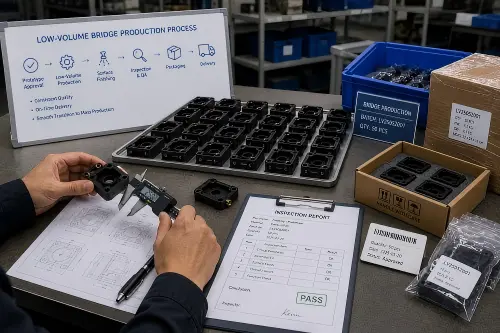
Low-Volume Bridge Production

After prototype approval, suitable projects can move into low-volume bridge production without unnecessary delay.

We coordinate manufacturing, surface finishing, inspection, packaging, and delivery requirements according to the approved drawing, quantity, and project schedule.

18+ Years
Manufacturing experience
ISO
9001:2015Certification
3–7 Days
Expedited delivery for suitable projects
Multiple Routes
CNC machining, 3D printing, and more
Custom Rapid Prototyping Parts Showcase

Explore a selection of custom prototype parts supported by Rapid Efficient, including functional components, appearance models, fit-check samples, housings, brackets, fixtures, panels, adapters, and design-validation parts.

Each project is reviewed according to its geometry, material requirements, dimensional priorities, surface expectations, inspection needs, quantity, and intended use.

From early-stage concepts to pre-production samples, our team can coordinate a practical prototyping route for suitable projects.

Rapid Prototyping Tolerances, Materials, and Finishing Options
Tolerance and Fit Review for Prototype Parts

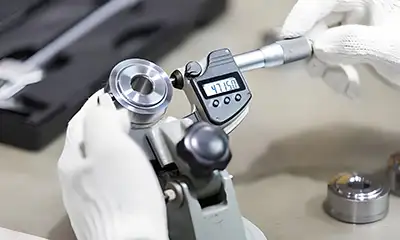
Prototype parts should be reviewed according to their intended function, assembly interfaces, critical dimensions, and validation goals.

Rapid Efficient reviews features such as mating surfaces, hole positions, wall thickness, flatness, perpendicularity, threads, and inspection priorities before production.

Tolerance requirements should be applied selectively. Functional interfaces and critical features may require tighter control, while non-critical dimensions can often use practical tolerances to improve delivery speed and cost efficiency.

For suitable projects, dimensional inspection can be coordinated according to the drawing and validation requirements.

Review our CNC machining tolerance chart

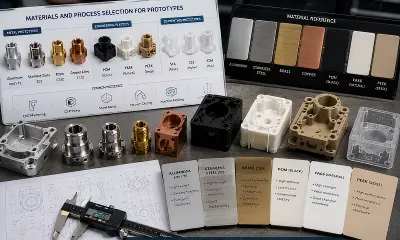
Prototype material and process selection with aluminum, stainless steel, brass, copper, engineering plastics, 3D printed samples, material cards, drawings, and inspection tools.
Materials and Process Selection for Prototypes

Prototype material selection should reflect the purpose of the part. Appearance models, fit-check samples, functional prototypes, and pre-production components may require different materials and manufacturing routes.

Rapid Efficient supports prototype projects using aluminum, stainless steel, copper alloys, brass, engineering plastics, and other project-specific materials. Depending on the geometry and intended use, the suitable route may include CNC machining, 3D printing, or other reviewed processes.

Our team can review strength, weight, dimensional stability, machinability, surface expectations, quantity, and delivery priorities before quotation to identify a practical prototyping solution.

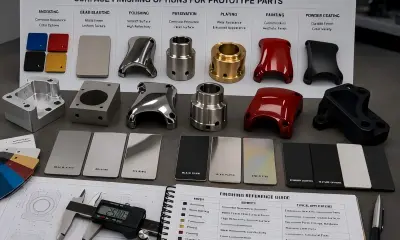
Prototype surface finishing options including anodizing, bead blasting, polishing, passivation, plating, painting, powder coating, and texture comparison samples.
Surface Finishing for Prototype Parts

Surface finishing can improve the appearance, corrosion resistance, wear resistance, and presentation quality of prototype parts.

Depending on the material and validation goals, suitable options may include anodizing, bead blasting, polishing, passivation, plating, painting, powder coating, and other project-specific treatments.

Before production, our team reviews visible surfaces, masking areas, edge requirements, surface expectations, and handling needs to coordinate a practical finishing route.

For appearance models and presentation samples, color, texture, and visual consistency can also be reviewed according to the project requirements.

Explore our CNC aluminum surface-finishing guide

Quick Design Tips for Rapid Prototyping
Clarify the Purpose of the Prototype

The suitable prototyping route depends on what the part needs to prove. Appearance models, fit-check samples, functional prototypes, and pre-production components may require different materials, tolerances, surface finishes, and inspection methods.

Before quotation, clarify whether the prototype will be used for visual review, assembly testing, dimensional verification, functional testing, or customer presentation. This helps identify a practical manufacturing route and avoid unnecessary cost.

Different prototype designs may require different manufacturing methods. CNC machining is often suitable for accurate metal and engineering-plastic parts, while 3D printing can support faster iteration and complex geometries.

Material expectations, part size, wall thickness, structural features, quantity, surface requirements, and intended use should be reviewed before selecting the process route.

Not every prototype dimension requires the same level of control. Focus first on mating surfaces, hole positions, threads, locating features, flatness, wall thickness, and other dimensions that affect assembly or functional testing.

Clear tolerance priorities help improve inspection planning, shorten lead times, and avoid unnecessary machining or post-processing.

Thin walls, narrow slots, small holes, unsupported details, and sharp internal corners can increase manufacturing risk.

The suitable design depends on the selected prototyping route, material, part size, geometry, and intended use. Reviewing these features early can improve stability, reduce deformation, and support more reliable prototype results.

Surface requirements should be confirmed before production, especially for appearance models, presentation samples, and parts with visible surfaces.

Depending on the material and validation goals, suitable options may include anodizing, bead blasting, polishing, painting, powder coating, plating, and other project-specific treatments. Color, texture, masking areas, and cosmetic surfaces should be identified clearly on the drawing.

Need a project-specific review? Upload your drawing for prototyping-route evaluation and quotation.

From Drawing to Delivery

Whether you need a one-off functional prototype, a low-volume batch, or repeat production parts, Rapid Efficient can coordinate the machining route, inspection plan, surface finish, packaging, and delivery schedule around your project requirements.

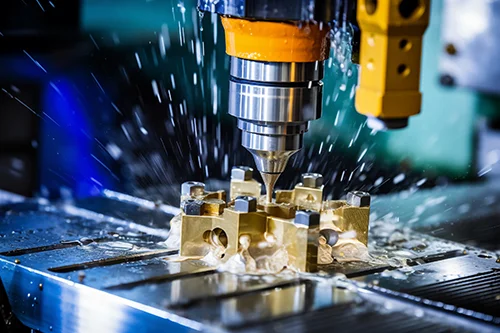
Custom CNC machined prototype parts for rapid prototyping, fit-check samples, and design validation.
Rapid CNC Prototyping

Move from drawing review to functional parts faster with CNC machining for prototypes, design verification, assembly testing, and engineering evaluation.

For suitable projects, expedited delivery can be arranged from as little as 3 working days.


Fast DFM feedback
Functional prototype parts
Quick design iterations
Expedited delivery options
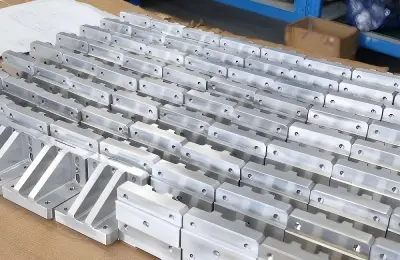
Low-volume CNC machined aluminum parts arranged in small batches for repeatable production.
Low-Volume CNC Production

Bridge the gap between prototype approval and repeat production with flexible low-volume CNC machining.

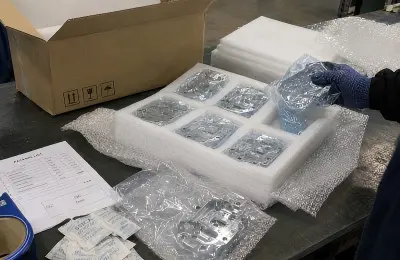
We coordinate material selection, machining, dimensional inspection, surface finishing, and packaging to maintain stable quality across each batch.


Flexible production quantities
Controlled inspection planning
Surface-finishing coordination
Stable batch quality
Repeat Production Support

For repeat orders, we focus on drawing-revision control, material consistency, critical-feature inspection, surface-finish stability, and practical delivery planning.

The goal is simple: reliable parts, responsive communication, and consistent supply.

Drawing-revision control
Repeatable inspection standards
Consistent finishing requirements
Packaging and delivery coordination
Upload Your Drawing
Start Production Faster

Secure file upload. Receive a practical prototyping-route review and quotation for your custom parts.

Frequently Asked Questions About Rapid Prototyping

Find quick answers about prototyping routes, materials, tolerances, design review, surface finishing, quotation requirements, confidentiality, and delivery schedules for custom prototype parts.

1. What rapid prototyping processes do you support?

Rapid Efficient supports CNC machining, 3D printing, and other reviewed prototyping routes for suitable projects.

The recommended process depends on the part geometry, material, dimensional requirements, surface expectations, quantity, and intended use. CNC machining is often suitable for accurate metal and engineering-plastic prototypes, while 3D printing can support faster iteration and complex geometries.

Common options include aluminum, stainless steel, copper alloys, brass, engineering plastics, and other project-specific materials.

Material selection can be reviewed according to the required strength, weight, dimensional stability, machinability, surface expectations, validation goals, and intended use.

Tolerance requirements depend on the selected manufacturing route, material, geometry, wall thickness, critical features, and inspection method.

Critical dimensions and assembly interfaces can be reviewed individually according to the drawing. For suitable projects, dimensional inspection and inspection-report requirements can also be coordinated before production.

Yes. Our team can review wall thickness, hole positions, threads, mating surfaces, assembly interfaces, internal corners, unsupported details, surface requirements, and inspection priorities before production.

This helps identify manufacturability risks and establish a practical prototyping route.
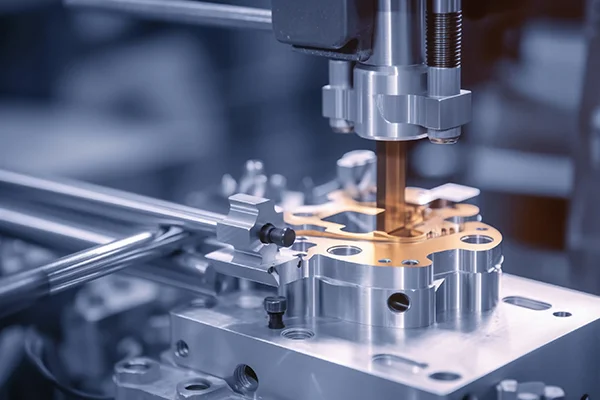
Depending on the material and intended use, suitable options may include anodizing, bead blasting, polishing, passivation, plating, painting, powder coating, and other project-specific treatments.

For appearance models and presentation samples, color, texture, masking areas, and visible surfaces can also be reviewed before production.

Please provide 2D or 3D drawings when available, along with the required material, quantity, critical dimensions, surface finish, inspection needs, intended use, and target schedule.
These details help our team review the suitable process route and prepare a more accurate quotation.
Quotation and delivery schedules depend on the completeness of the drawings, material availability, geometry, process route, surface-finishing requirements, inspection needs, and quantity.

For suitable projects, expedited delivery can be arranged in as little as 3 working days. A project-specific schedule can be confirmed after review.

Yes. After prototype approval, suitable projects can move into low-volume bridge production or selected repeat-production requirements.

Manufacturing, surface finishing, inspection, packaging, and delivery planning can be coordinated according to the approved drawing, quantity, and project schedule.

Uploaded files and project information are handled confidentially.

Your drawings, specifications, and manufacturing details are used only for quotation review, production planning, quality control, and delivery coordination related to your project. Additional confidentiality arrangements can be discussed when required.

Rapid Prototyping for Demanding Applications

Rapid Efficient supports custom prototype parts for industries where speed, dimensional control, material performance, and reliable validation matter. From early-stage models and functional prototypes to design-validation parts and low-volume bridge production, each project is reviewed according to its geometry, material, tolerance requirements, surface expectations, and intended use.

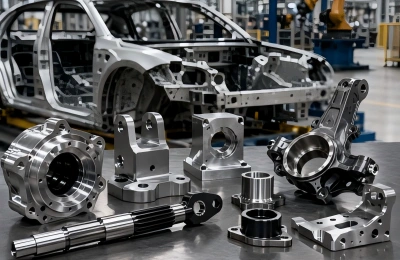
CNC machined automotive components including housings, brackets, shafts, bushings, and structural parts for vehicle manufacturing.
Automotive

CNC machining support for brackets, housings, bushings, shafts, adapters, fixtures, sensor components, and custom mechanical parts used in automotive and mobility projects.

Robotics and Automation

Precision-machined components for robotic arms, automation equipment, end effectors, joints, motor-related parts, sensor housings, fixtures, and assembly tooling.

Medical Devices

Custom CNC machined parts for medical-device equipment, diagnostic instruments, laboratory systems, housings, fixtures, valves, adapters, and non-implant mechanical components.


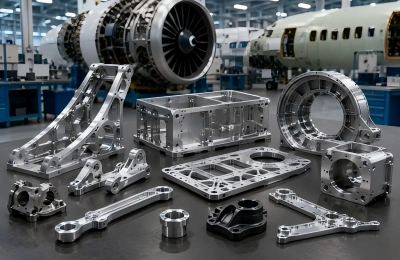
CNC machined aerospace components including lightweight housings, brackets, mounting plates, and precision structural parts.
Aerospace

Machining support for lightweight housings, brackets, fixtures, structural components, test parts, and complex aluminum or titanium components for aerospace-related applications.

Consumer Electronics

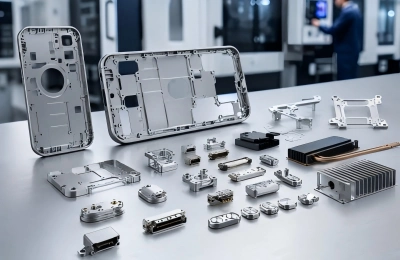
CNC machining for enclosures, frames, heat-dissipation parts, buttons, brackets, fixtures, connector components, and appearance-sensitive aluminum parts.

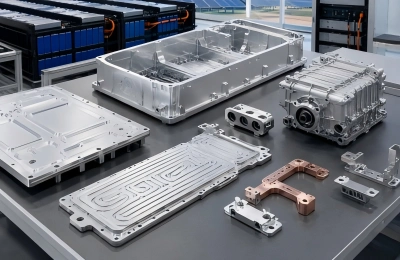
CNC machined components for new energy applications including battery housings, cooling plates, motor housings, and energy storage parts.
New Energy

Custom parts for energy-storage systems, EV-related equipment, motor housings, thermal-management components, brackets, connectors, fixtures, and mechanical assemblies.

Industrial Equipment

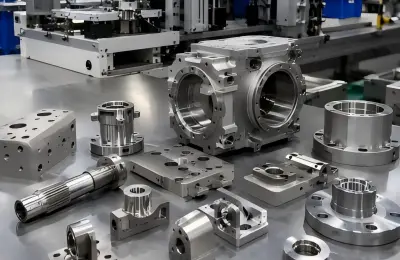
CNC machined housings, shafts, sleeves, brackets, fixtures, machine components, mounting parts, and replacement components for industrial equipment and production systems.

Semiconductor Equipment

Precision-machined parts for semiconductor equipment, automation modules, fixtures, plates, brackets, housings, and components requiring controlled dimensions and clean surface finishes.

Scroll to Top

Get a quote

Click or drag files to this area to upload. You can upload up to 10 files.
File format:txt pdf doc docx xls xlsx ppt pptx jpg png zip rar dwg dxf dwt dws

3D File Format: STEP, STP, SLDPRT, IPT, PRT, SAT, IGES, IGS, CATPART, X_T, OBJ, STL