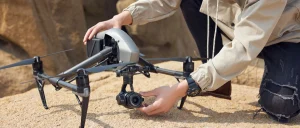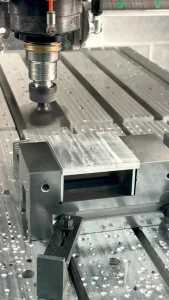

What is CNC Machining for Medical Fixation Frames?
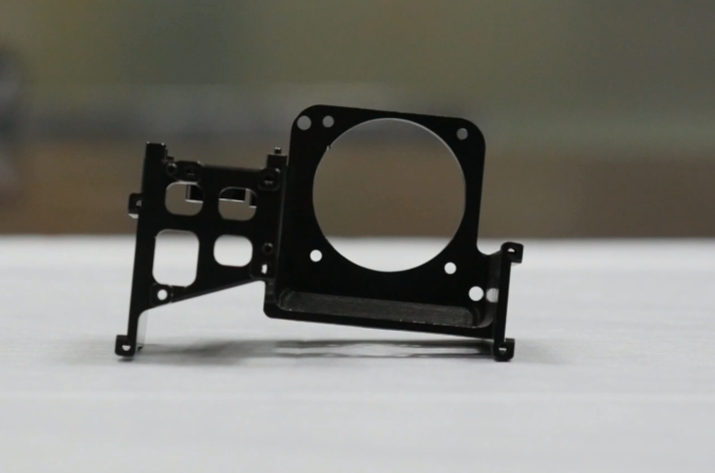
Medical fixation frames used in lumbar physiotherapy devices are critical structural components that ensure stability, positioning accuracy, and overall device safety.
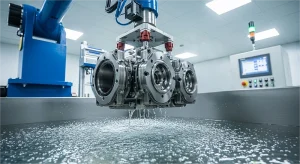
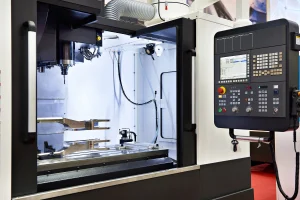
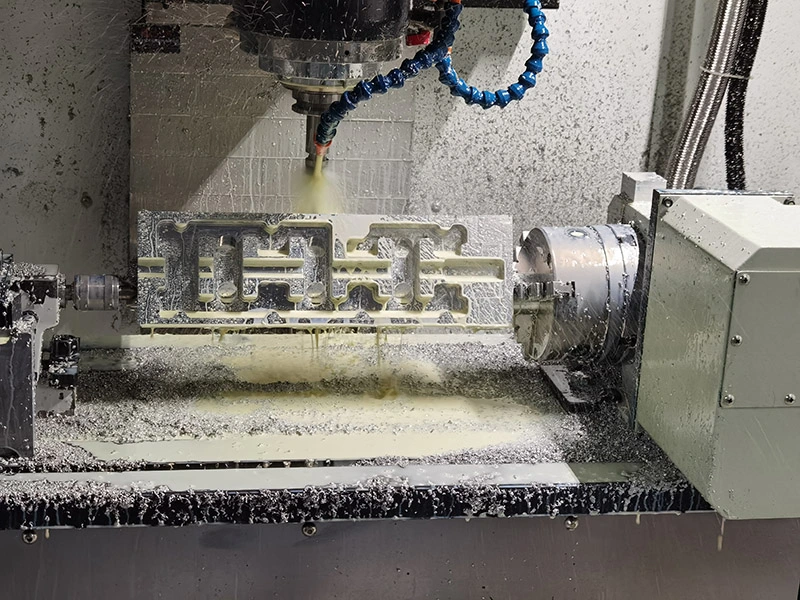
CNC (Computer Numerical Control) machining is an advanced manufacturing process that uses programmed instructions to control machine tools, enabling the production of high-precision and highly consistent parts from materials such as aluminum, stainless steel, titanium, and engineering plastics.
For medical applications, precision and repeatability are essential to guarantee product performance and user safety.
How CNC Machining Ensures High Precision
In medical device manufacturing, precision is non-negotiable. CNC machining achieves this through:
- Automated Machining Control
Eliminates human error and ensures every component strictly follows engineering drawings. - Complex Geometry Capability
Capable of machining complex surfaces and ergonomic structures required for medical devices. - Tight Tolerance Control
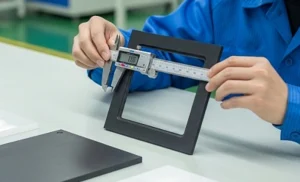
Achieves precision up to ±0.005 mm, depending on design requirements. - High Repeatability for Production
Ensures consistent quality from prototype to batch production.
Why Choose Custom CNC Machining for Medical Devices
Standard parts often fail to meet the strict functional and ergonomic requirements of medical equipment.
Custom CNC machining offers:
- Full Design Flexibility
Manufacture components exactly according to your CAD files. - Improved Product Performance
Optimize strength, weight, and surface quality for better user experience. - Efficient Prototyping & Iteration
Prototype lead time typically 3–7 working days, helping accelerate product development.
CNC Machining vs Traditional Machining
| Item | CNC Machining | Traditional Machining |
|---|---|---|
| Accuracy | Up to ±0.005 mm | Depends on operator |
| Efficiency | High (automated) | Lower |
| Complexity | Complex geometries | Limited |
| Cost | Lower for batches | Higher for volume |
| Consistency | Excellent | Unstable |
How to Choose a Reliable CNC Machining Supplier
Selecting the right partner is critical for medical projects.
1. Certifications & Quality System
A reliable supplier should have:
- ISO 13485 quality management system
- Full process traceability
- Strict inspection procedures
2. Engineering Capability
- 3-axis, 4-axis, and 5-axis CNC machining centers
- Experience in medical device components
- Ability to provide DFM (Design for Manufacturability) support
3. Material & Process Expertise
Professional suppliers should support:
- Stainless steel (SUS304 / SUS316L)
- Aluminum (6061 / 7075)
- Titanium (TC4)
- Engineering plastics (PEEK, PC, POM)
Pricing Strategy for CNC Machining Medical Fixation Frames
Understanding cost structure helps optimize your project budget.
Key Cost Factors
- Material Selection
Titanium > Stainless Steel > Aluminum - Part Complexity
More complex geometry increases machining time and programming difficulty - Tolerance Requirements
Higher precision = higher cost - Order Quantity
Larger volumes reduce unit cost - Surface Finishing
Anodizing, polishing, sandblasting add additional cost
How to Get an Accurate Quote
To receive a fast and accurate quotation, please provide:
- 3D files (STEP / IGS)
- 2D drawings with tolerances
- Material requirements
- Surface finishing details
- Quantity
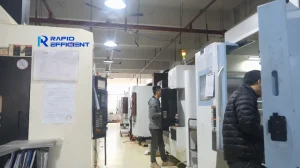
CNC Machining Process at Rapidefficient
A standardized workflow ensures quality and delivery:
1. Engineering Review & DFM Analysis
Optimize your design for manufacturability and cost reduction
2. Material Selection & Process Planning
Select suitable materials based on performance and application
3. Precision Machining & Inspection
- CNC machining production
- CMM inspection and full dimensional verification
4. Surface Finishing & Delivery
- Cleaning and finishing
- Secure packaging for international shipping
Material Selection for Medical Fixation Frames
- Aluminum (6061 / 7075)
Lightweight, cost-effective, easy to machine - Stainless Steel (304 / 316L)
Corrosion-resistant, strong, biocompatible - Titanium (TC4)
High strength, lightweight, premium medical applications - Engineering Plastics (PEEK / PC / POM)
Suitable for lightweight and non-metal components
Quality Control & Risk Management
At Rapidefficient, quality is ensured through:
- Incoming Quality Control (IQC)
- In-Process Quality Control (IPQC)
- Final Quality Control (FQC)
- CMM inspection reports available
We also anticipate potential issues such as deformation and tool wear, ensuring stable production quality.
Lead Time for CNC Machining
- Prototype: 3–7 working days
- Small batch production: 15–30 days
Actual lead time depends on part complexity and order quantity.
Intellectual Property Protection
We strictly protect customer designs:
- NDA agreements available
- Internal data protection system
- Files used only for production purposes
Conclusion
Custom CNC machining is essential for achieving high precision, safety, and performance in medical fixation frames.
By working with Rapidefficient, you benefit from:
- High precision machining (±0.005 mm)
- Stable quality control system
- Flexible production from prototype to batch
- Reliable global delivery
FAQ
What materials are suitable for medical CNC machining?
Common materials include:
- Aluminum (6061 / 7075)
- Stainless steel (304 / 316L)
- Titanium (TC4)
- Engineering plastics (PEEK, PC, POM)
How can I reduce CNC machining costs?
- Optimize design with DFM
- Choose suitable materials
- Increase order quantity
- Avoid unnecessary tight tolerances
How fast can I get a quotation?
At Rapidefficient, quotations are typically provided within 24 hours after receiving complete drawings.