
Быстрый ответ: В обработке на станках с ЧПУ, тот передний угол mainly affects cutting force, эвакуация стружки, выделение тепла, и острота инструмента, в то время как угол зазора controls friction between the tool flank and the workpiece. A larger positive rake angle can make cutting easier, but may weaken the edge. A larger clearance angle can reduce rubbing and flank wear, but too much clearance may reduce tool strength and accuracy.
Tool geometry has a direct impact on CNC machining cost, срок службы инструмента, обработка поверхности, and dimensional accuracy. Among all cutting tool angles, the rake angle and clearance angle are two of the most important because they affect how the tool enters the material, how chips are removed, how much heat is generated, and how stable the cutting edge remains during machining.
For buyers and engineers, understanding these two angles helps explain why the same material may produce different results under different cutting conditions. A suitable tool angle can reduce cutting force, improve chip control, extend tool life, and help maintain stable part quality.
Because tool angle affects cutting force, износ инструмента, and machining time, it also affects the final project cost. For a broader cost breakdown, see our CNC machining cost guide.
Quick Comparison: Rake Angle vs Clearance Angle
| Элемент | Rake Angle | Clearance Angle |
|---|---|---|
| Main function | Controls cutting sharpness, chip flow, сила резания, и выделение тепла | Reduces friction between the tool flank and the machined surface |
| Positive effect | Lower cutting resistance, smoother chip evacuation, lower cutting temperature | Less rubbing, reduced flank wear, better cutting freedom |
| Risk if too large | Weaker cutting edge, higher risk of chipping when cutting hard materials | Reduced edge strength, possible vibration, lower dimensional stability |
| Better for | Soft materials, low-rigidity setups, easier-to-cut materials | Soft or ductile materials where flank friction is a problem |
| Use smaller angle for | Hard materials, interrupted cutting, heavy cutting load | Hard materials, high cutting strength, stable edge support |
| Buyer impact | Affects machining cost, качество поверхности, срок службы инструмента, and cutting efficiency | Affects tool wear, точность детали, обработка поверхности, and process stability |
Передний угол инструментов с ЧПУ
Вообще говоря, передний угол существенно влияет на силу резания, эвакуация стружки, и долговечность инструмента.
Влияние переднего угла инструментов с ЧПУ
- Большой положительный передний угол приводит к более острой режущей кромке..
- Каждое увеличение переднего угла на 1 градус снижает мощность резания на 1%.
- Чрезмерно большие положительные передние углы снижают прочность режущей кромки.; слишком большие отрицательные передние углы увеличивают силы резания.
Примечание инженера: A positive rake angle is often helpful when machining aluminum, медь, латунь, and some engineering plastics because it reduces cutting resistance and improves chip evacuation. Однако, when machining stainless steel, закаленная сталь, титан, or interrupted surfaces, an excessively large positive rake angle may weaken the cutting edge and increase the risk of chipping.
How Rake Angle Affects CNC Machining Results
| Rake Angle Choice | Typical Effect | When to Use |
|---|---|---|
| Large positive rake angle | Lower cutting force, sharper edge, better chip flow | Мягкие металлы, пластмассы, low-rigidity workpieces, light cutting |
| Small positive rake angle | Balanced cutting force and edge strength | General CNC turning and milling applications |
| Neutral or negative rake angle | Stronger cutting edge but higher cutting force | Hard materials, interrupted cutting, roughing, heavy load cutting |
For difficult-to-cut materials, tool geometry must be selected more carefully. You can also read our guide on stainless steel CNC machining difficulties and solutions.
Инструменты с ЧПУ с большими отрицательными передними углами используются для:
- Резка твердых материалов.
- Когда требуется прочная режущая кромка для прерывистой резки и резки поверхностей с черной кожей..
Инструменты с ЧПУ с большими положительными передними углами используются для:
- Резка мягких материалов.
- Резка легкообрабатываемых материалов.
- Когда заготовка и станок имеют недостаточную жесткость..
Преимущества использования переднего угла при резке инструмента с ЧПУ
- Снижает сопротивление во время резки., тем самым повышая эффективность резки.
- Снижает температуру и вибрацию во время резки., повышение точности.
- Уменьшает износ инструмента и продлевает срок его службы..
- При правильном материале инструмента и угле резания, Уменьшается износ инструмента и повышается надежность режущей кромки.
Недостатки слишком большого переднего угла
- Увеличенный передний угол уменьшает угол входа инструмента в заготовку и снижает эффективность резания.. При резке твердых заготовок, это может привести к быстрому износу инструмента или сколам..
- Когда инструментальному материалу не хватает прочности, трудно поддерживать передовую надежность.
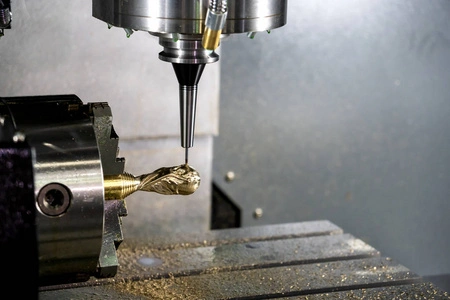
Распродажа (Назад) Угол инструментов с ЧПУ
Угол зазора снижает трение между боковой поверхностью инструмента и заготовкой., позволяя инструменту свободно резать материал.
Влияние угла зазора на инструменты с ЧПУ
- Больший задний угол снижает положительный износ инструмента..
- Больший угол зазора снижает прочность кончика инструмента..
Примечание инженера: The clearance angle must be large enough to prevent rubbing between the tool flank and the workpiece, but not so large that the cutting edge loses support. В прецизионной обработке на станках с ЧПУ, an unsuitable clearance angle can cause poor surface finish, accelerated flank wear, вибрация, or dimensional drift.
How Clearance Angle Affects CNC Machining Results
| Clearance Angle Choice | Typical Effect | Possible Risk |
|---|---|---|
| Small clearance angle | Stronger cutting edge and better support | Higher friction, more flank wear, possible surface damage |
| Moderate clearance angle | Balanced friction control and edge strength | Usually best for general CNC machining |
| Large clearance angle | Less rubbing and lower flank wear | Weaker edge, вибрация, faster edge breakdown under heavy load |
Небольшой зазорный угол используется для:
- Резка твердых материалов.
- Когда требуется высокая сила резания.
Большой угол зазора используется для:
- Резка мягких материалов.
- Резка материалов, которые легко затвердевают.
Преимущества резки под углом
- Большой угол зазора снижает износ боковой поверхности инструмента.. Если износ рейки не чрезмерен, это продлевает срок службы инструмента.
- При резке пластичных и мягких материалов, сварка имеет тенденцию происходить между заготовкой и боковой поверхностью инструмента.. Это увеличивает сопротивление и снижает точность.. Использование большего угла зазора позволяет избежать этой проблемы..
Ограничения резки инструмента с ЧПУ с задними углами
- Для материалов с низкой теплопроводностью (например, титановые сплавы, нержавеющая сталь), большой угол зазора ускоряет износ передней поверхности и может привести к поломке инструмента.
- Большой угол зазора снижает износ задней поверхности, это ускоряет деградацию кромок. Глубина резания уменьшается, влияющий на точность, поэтому требуется регулярная регулировка угла инструмента..
- При обработке твердых материалов, чрезмерные углы зазора создают высокое сопротивление, вызывая скалывание или поломку передних углов под действием сжимающих сил.
Tool Angle Selection for Different CNC Materials
| Материал | Tool Angle Strategy | Причина |
|---|---|---|
| Алюминий | Use a sharper tool with a positive rake angle | Reduces built-up edge, improves chip evacuation, and helps achieve better surface finish |
| Нержавеющая сталь | Use balanced rake and clearance angles with strong edge support | Controls work hardening, heat buildup, и износ инструмента |
| Титановый сплав | Avoid excessive clearance and maintain strong cutting edge geometry | Titanium has low thermal conductivity and can accelerate tool wear |
| Copper and brass | Use sharp geometry and good chip control | Helps reduce burrs, smearing, and unstable surface finish |
| Инженерные пластики | Use sharp cutting edges and low cutting resistance | Reduces heat generation, melting, and dimensional deformation |
| Hardened steel | Use stronger edge geometry and avoid overly large positive rake angles | Prevents chipping during heavy or interrupted cutting |
When tool angle selection affects surface finish or dimensional stability, inspection becomes important. Наш CMM inspection guide for CNC machined parts explains how critical dimensions are verified before shipment.
Часто задаваемые вопросы: CNC Tool Rake Angle and Clearance Angle
What is the rake angle in CNC cutting tools?
The rake angle is the angle of the tool face that controls how the cutting edge enters the material and how chips flow away from the cutting zone. It affects cutting force, выделение тепла, эвакуация стружки, и срок службы инструмента.
What is the clearance angle in CNC tools?
The clearance angle is the angle between the tool flank and the machined surface. It prevents rubbing, reduces flank wear, and allows the tool to cut freely into the workpiece.
What happens if the rake angle is too large?
An excessively large positive rake angle can make the tool sharper, but it may weaken the cutting edge and increase the risk of chipping, especially when machining hard materials or interrupted surfaces.
What happens if the clearance angle is too large?
An overly large clearance angle can reduce friction, but it may also weaken edge support, increase vibration, and reduce dimensional stability during CNC machining.
How do rake and clearance angles affect machining cost?
Incorrect tool angles can increase cutting force, износ инструмента, machining time, дефекты поверхности, and scrap rate. Proper geometry helps improve tool life, process stability, and overall machining efficiency.
Заключение
Rake angle and clearance angle are two key geometric characteristics of CNC cutting tools. The rake angle mainly affects cutting sharpness, эвакуация стружки, сила резания, и выделение тепла, while the clearance angle controls flank friction, износ инструмента, обработка поверхности, and edge support. A suitable combination of these angles helps improve tool life, эффективность обработки, точность размеров, and final part quality.
For precision CNC machining projects, tool geometry should be selected according to the material, требование толерантности, surface finish target, cutting load, and machine rigidity. If you are unsure which machining strategy is suitable for your part, RapidEfficient can review your drawings and help choose a practical CNC machining solution.