
介绍: The Challenge of Selecting the Right Manufacturer
The precision and quality of water quality sensor housings and internal structural components directly determine overall device performance. 然而, many project managers face a common challenge when selecting a CNC machining supplier:
- How to evaluate real technical capability?
- How to ensure micron-level tolerance requirements?
Choosing the wrong partner can lead to costly rework, unstable quality, and delayed project timelines.
At 快速高效, we understand that selecting a reliable machining partner is not just about price—it’s about engineering capability, 过程控制, and long-term collaboration.
Why CNC Machining Is Critical for Water Quality Sensors
CNC machining plays a vital role in ensuring the performance and reliability of sensor components.
Ensuring Accuracy and Sealing Reliability
Sensor probes, 外壳, and sealing interfaces require extremely tight tolerances. Even minor deviations can affect:
- Sealing performance
- Measurement accuracy
- Sensor sensitivity
CNC machining provides the precision and repeatability required for these critical applications.
Meeting Harsh Environment Requirements
Water quality sensors often operate in:
- Corrosive environments
- High-pressure conditions
- Variable temperatures
Materials such as 钛合金 和 316L stainless steel 常用的, and CNC machining enables precise processing of these difficult materials.
CNC Machining Technology Overview
What Is CNC Machining for Sensor Components?
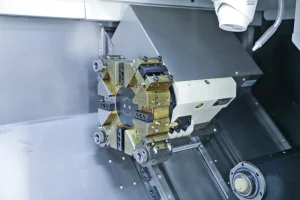
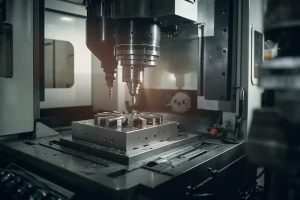
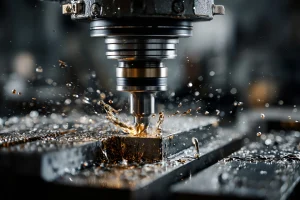
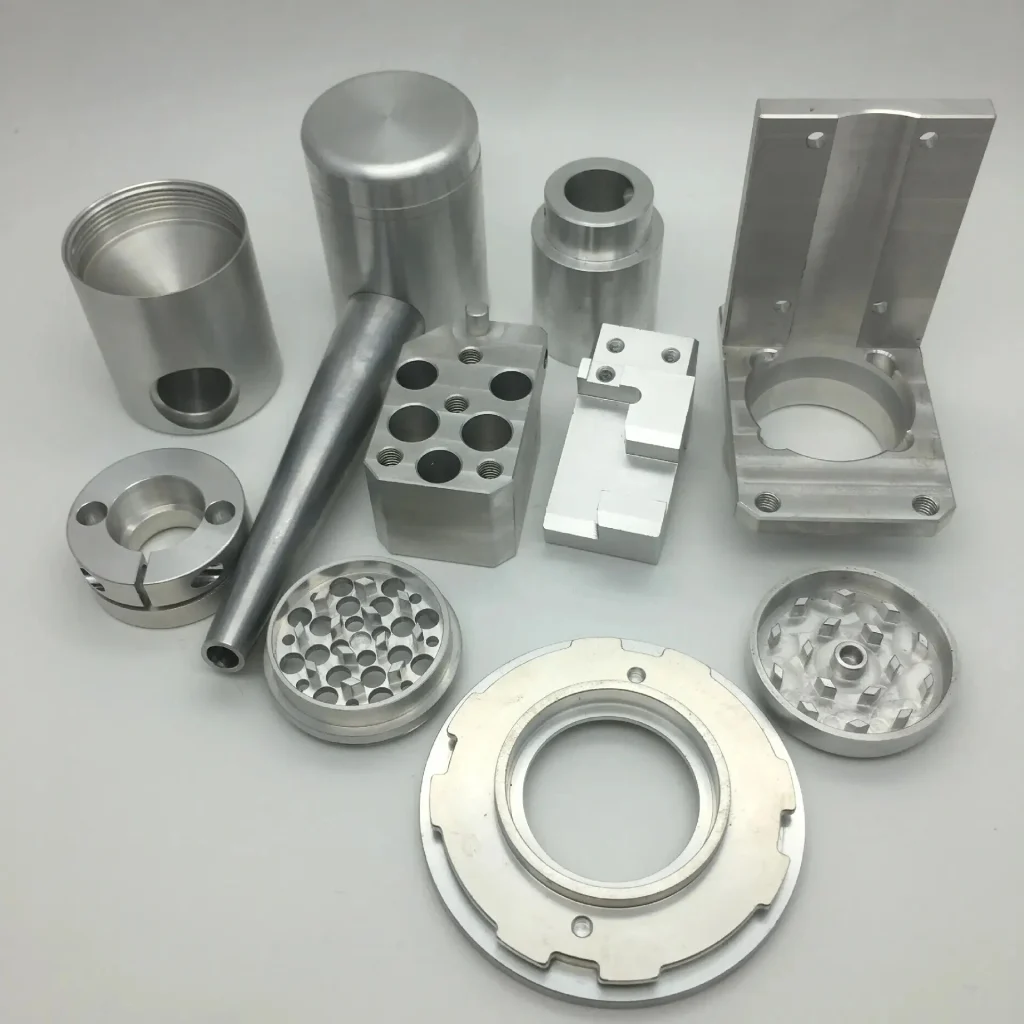
CNC machining uses computer-controlled equipment to precisely manufacture complex components from metals or engineering plastics.
Key Technologies Involved
- CAD/CAM Systems
Used to design 3D models and generate machining programs (G-code) - 多轴加工 (3+2 / 5-Axis)
Enables machining of complex geometries and deep cavities in a single setup - Precision Measurement Systems
Real-time monitoring ensures dimensional accuracy within tight tolerances
Advantages of CNC Precision Machining
- Ability to produce complex internal structures
- High consistency for batch production
- Compatibility with diverse materials (金属 & 工程塑料)
How to Evaluate a CNC Machining Manufacturer
Selecting a supplier requires a structured evaluation approach.
1. Equipment and Technical Capability
A qualified manufacturer should have:
- 4-axis or 5-axis CNC machining centers
- Precision inspection equipment (CMM, roughness testers)
👉 Without inspection capability, precision cannot be guaranteed.
2. Industry Experience
Ask for:
- Case studies in sensor or precision components
- Experience with sealing structures and corrosion-resistant materials
👉 Relevant experience significantly reduces development risks.
3. Engineering & DFM Capability
A professional supplier should act as a technical partner, not just a manufacturer.
At 快速高效, we provide:
- Design optimization suggestions
- Tolerance balancing
- Material recommendations
👉 This often reduces cost by 10–20% while improving manufacturability.
4. Quality System and Delivery Stability
Evaluate whether the supplier has:
- Clear QC process (IQC, IPQC, FQC)
- Stable and realistic lead times
Lead Time Considerations
Lead time depends on:
- Part complexity
- Material availability
- 表面处理要求
- Order quantity
Typical Reference
- 原型制作: 3–7 days
- 复杂零件: 7–10 days
- 量产: based on volume
👉 Unrealistic promises often lead to delays later.
Material Selection for Sensor Components
Material selection directly affects durability and performance.
常用材料
| 材料 | 特征 | 应用领域 |
|---|---|---|
| 316L Stainless Steel | Corrosion-resistant, cost-effective | Freshwater, wastewater |
| 钛合金 | 高强度, excellent corrosion resistance | Seawater, chemical environments |
| 窥视 | High-temperature & 耐化学性 | Extreme environments |
Key Insight
Material choice should consider:
- Chemical exposure
- 温度
- Pressure
👉 Collaboration with an experienced manufacturer ensures the right selection.
Precision Machining Requirements
Achieving micron-level accuracy requires:
- Multi-axis machining
- Optimized cutting parameters
- Stable machining environment
Typical tolerance capability: ±0.005 mm
Surface Treatment and Sealing Performance
Surface treatment is critical for both performance and durability.
Common Processes
- Electropolishing → improves corrosion resistance
- Anodizing → enhances hardness and wear resistance
Key Consideration
Surface treatment must be included in tolerance planning to avoid:
- 装配问题
- Sealing failure
Cost Factors in CNC Machining
Key cost drivers include:
- Material type
- Part complexity
- Order quantity
Practical Strategy
Start with:
- Small batch prototyping
- Then scale to mass production
👉 This reduces risk and optimizes cost.
Building Long-Term Collaboration
Choosing a supplier should focus on long-term value.
Key Factors
- Clear communication process
- Transparent project updates
- Stable supply chain
As a direct manufacturer, 快速高效 provides better control over production and delivery.
结论
Selecting a CNC machining manufacturer for water quality sensors requires a comprehensive evaluation of:
- Technical capability
- 质量控制
- Engineering support
The right partner will not only manufacture parts—but also improve your product performance and reduce overall cost.
At 快速高效, we are committed to delivering 精确, 可靠性, and engineering-driven solutions.
常问问题
How long is the CNC machining lead time?
- Simple prototypes: 3–7 days
- 复杂零件: 10–15 days
- 量产: depends on quantity
What is the MOQ?
CNC machining supports:
- Single-piece prototyping
- Low-volume production
👉 Unit cost decreases with higher quantity.
How to ensure high precision?
- Provide clear 2D/3D drawings
- Define critical tolerances
- Conduct prototype validation before mass production