Five-Axis CNC Machining Services

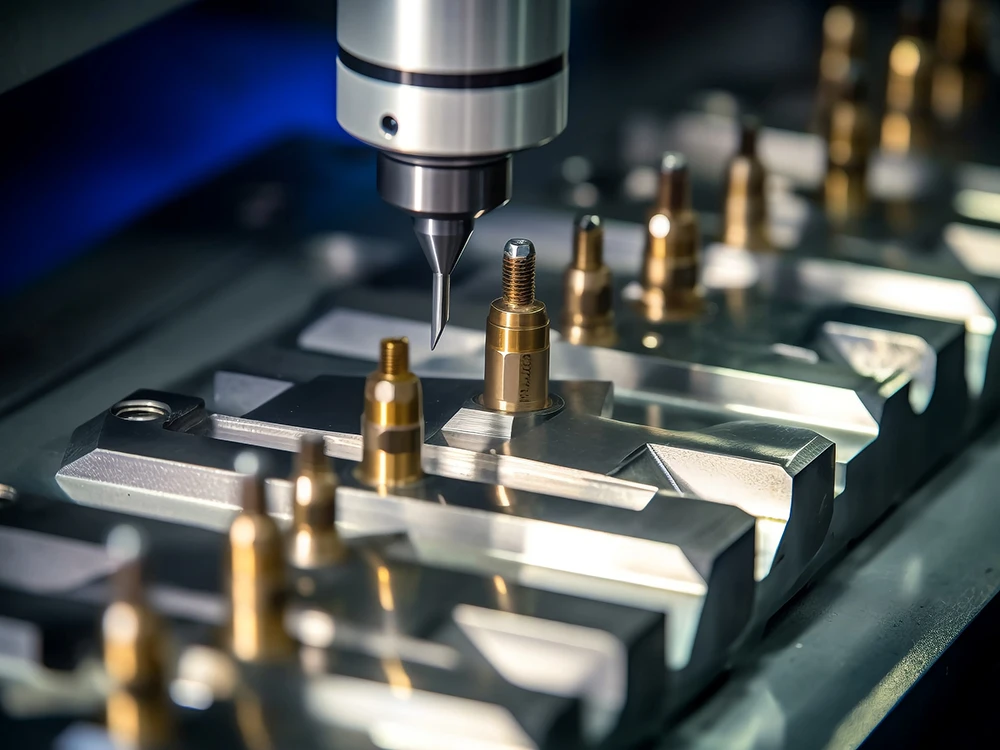
Rapid Efficient provides five-axis CNC machining services for complex custom parts with angled features, multi-surface geometry, 难以使用工具, and setup-sensitive datum relationships.

From functional prototypes and low-volume batches to repeat production, we review the material, 几何学, 临界公差, 表面饰面, 检查需要, and delivery schedule before quotation.

Upload Your Drawing for Five-Axis Machining Review

Accepted files: 步, STP, IGS, IGES, X_T, PDF, 图纸, and DXF
Your files are secure and treated as confidential.
复杂的几何形状

Angled features, multi-surface parts, and difficult tool access

Fewer Setups

Reduce repositioning and protect critical feature relationships

Expedited Delivery

As little as 3 working days for suitable projects

Why Choose Rapid Efficient for Five-Axis CNC Machining?

Five-Axis Machining for Complex, Setup-Sensitive Parts

Five-axis CNC machining is ideal for parts with angled features, multi-surface geometry, 财力雄厚, compound contours, and difficult tool-access conditions.

By machining more features in fewer setups, five-axis processing can reduce repeated repositioning, protect datum relationships, improve feature-to-feature accuracy, and shorten the production cycle.

Rapid Efficient supports complex housings, 括号, 固定装置, 原型, 结构件, precision mechanical parts, and custom components requiring controlled tolerances and stable surface quality.

报价前, we review the material, 几何学, 关键尺寸, setup strategy, 工具访问, 表面饰面, 检验要求, and delivery priorities to identify a practical machining route.

Send your drawing for five-axis machining review and fast quotation.
What Is Five-Axis CNC Machining?

Five-axis CNC machining allows the cutting tool to approach a workpiece from multiple directions by combining three linear axes with two rotational axes. Depending on the geometry, the machining route may use indexed positioning, simultaneous five-axis movement, or a combination of both.

The real advantage is not simply that the machine has more axes. Five-axis machining can reduce repeated repositioning, improve tool access, protect critical datum relationships, and machine more features within fewer setups.

This makes it especially suitable for complex housings, 括号, 固定装置, 结构件, 深腔, angled holes, compound surfaces, undercut-sensitive features, and parts with tightly controlled relationships between multiple machined faces.

A practical five-axis machining plan must consider the material, 几何学, setup strategy, tool reach, 壁厚, internal radii, 表面饰面, 临界公差, inspection access, 数量, and delivery priorities.

Rapid Efficient supports five-axis CNC machining from functional prototypes and low-volume batches to repeat production, with fast drawing review, stable machining quality, and expedited delivery options for suitable projects.

Explore our CNC machining design guide

Five-Axis CNC Machining Applications

Five-axis machining is suitable for complex parts where angled features, multi-surface geometry, 工具访问, and setup-sensitive datum relationships must be controlled carefully.

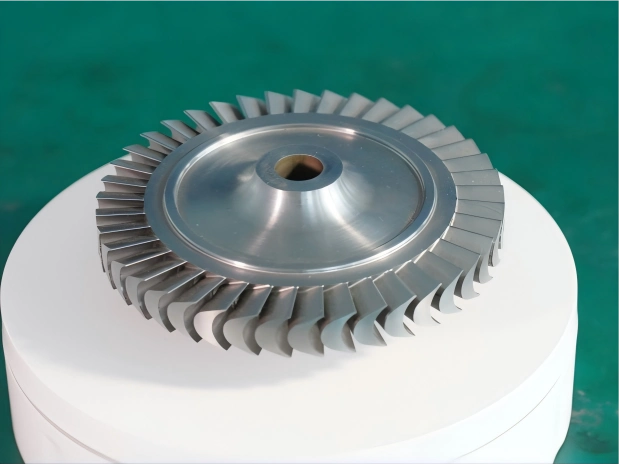
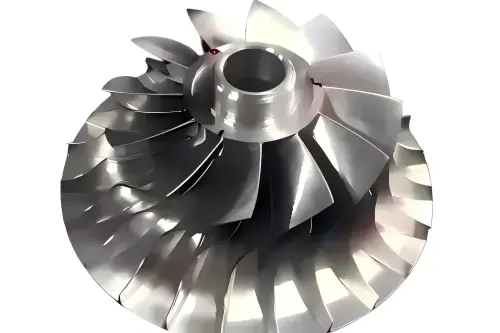
Complex Curved Components and Impellers

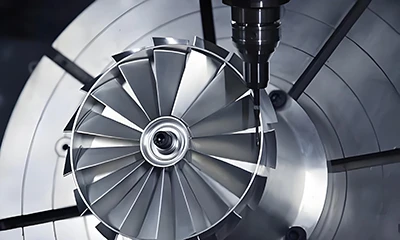
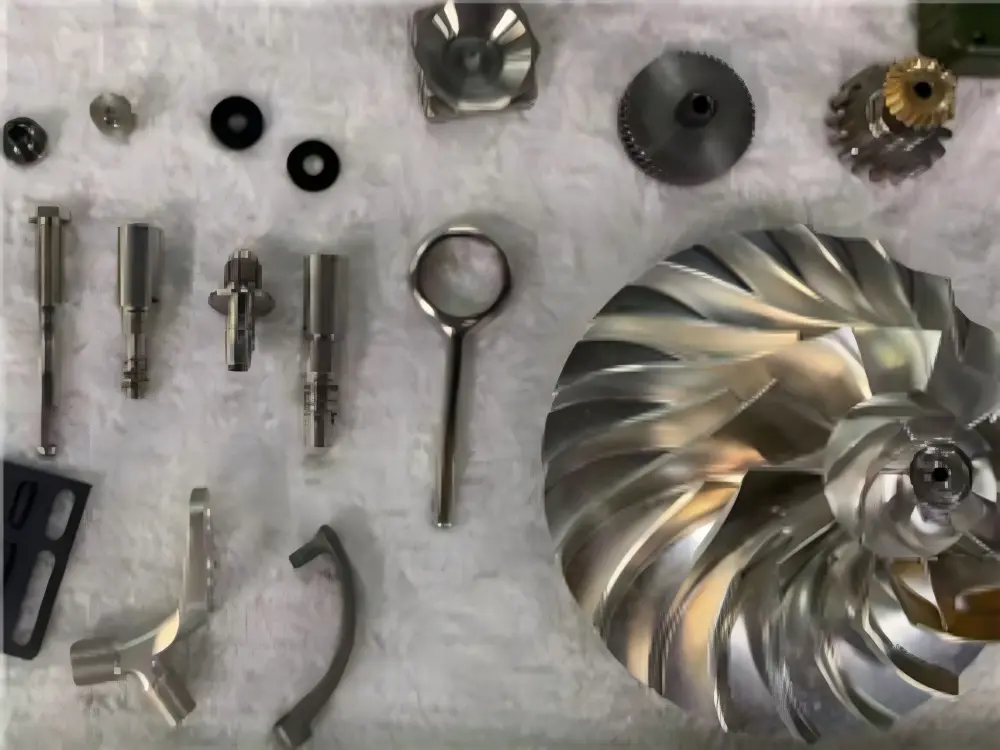
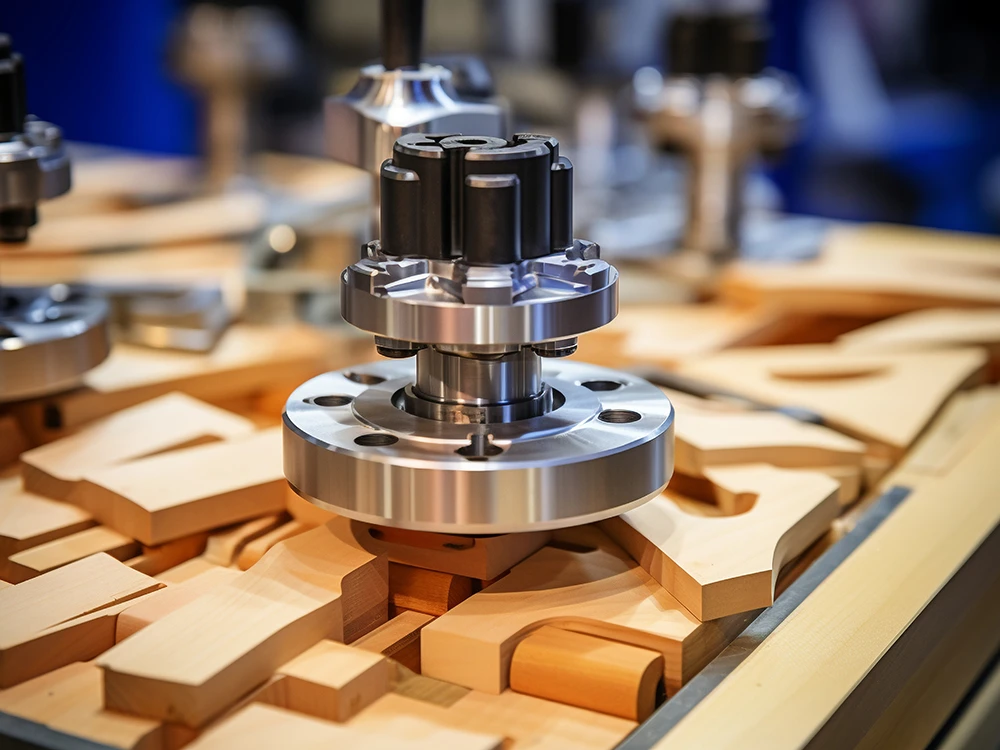
Five-axis machining supports complex curved surfaces, angled blades, contoured features, and components that require continuous tool access from multiple directions.

For impeller-like parts and other freeform geometries, the machining route is reviewed according to material, tool reach, 表面质量, tolerance priorities, 及检验要求.

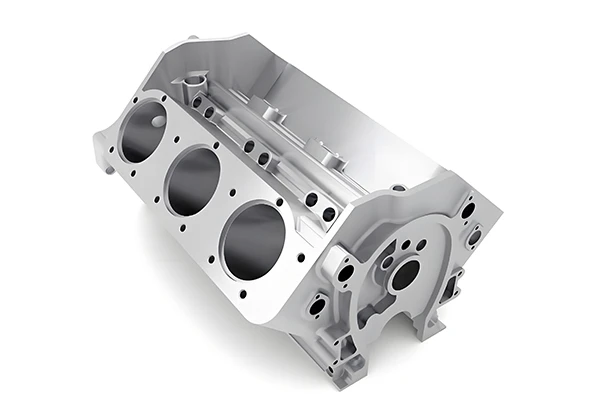
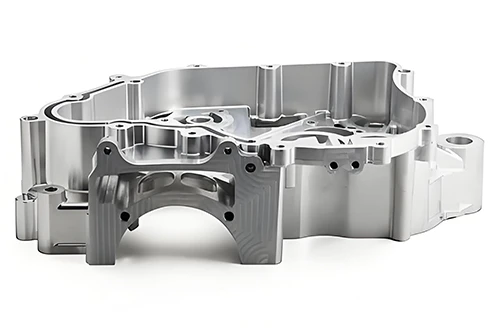
Complex Housings, Molds, and Fixtures

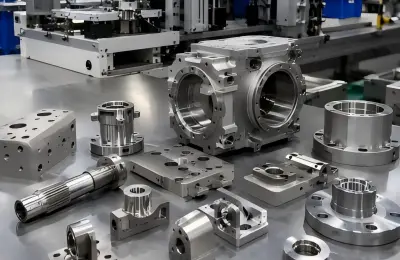
Five-axis machining is effective for housings, 模具, 固定装置, and structural parts with deep cavities, 倾斜表面, multiple datum faces, and difficult tool-access conditions.

Machining more features in fewer setups can reduce repositioning, protect feature relationships, and improve dimensional consistency.

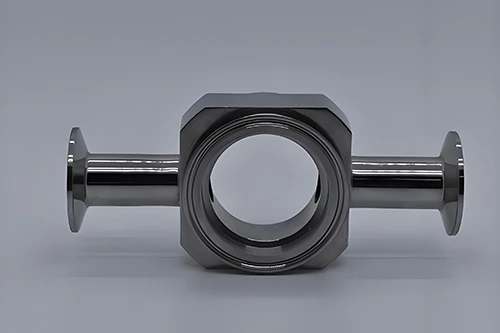
Medical-Device and Instrument Components

Five-axis machining supports custom components for medical-device equipment, 诊断仪器, 实验室系统, 固定装置, 外壳, 适配器, and other non-implant precision parts.

Projects are reviewed according to geometry, 材料, 表面质量, 临界公差, cleanliness requirements, 和检查计划.

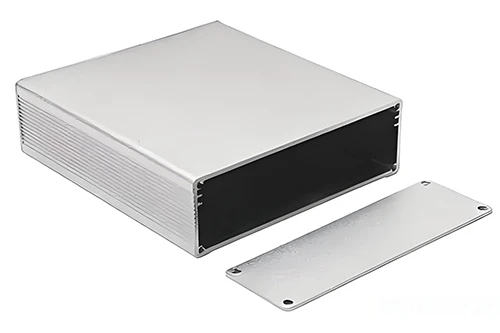
Electronic and Communication Equipment Housings

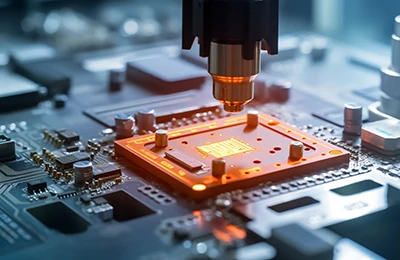
Five-axis machining is suitable for lightweight housings, 外壳, 框架, heat-dissipation structures, communication-equipment parts, and appearance-sensitive aluminum components.

Multi-surface machining can help control hole positions, mating faces, 壁厚, 装饰表面, and assembly relationships.

Rapid Prototypes and Custom Mechanical Parts

Five-axis machining provides a practical route for prototypes and custom parts with complex geometry, angled holes, 财力雄厚, compound surfaces, and multiple machined faces.

Early drawing review helps identify tool-access risks, reduce unnecessary setups, and shorten the path from design validation to functional parts.

New-Energy and Motor-Related Components

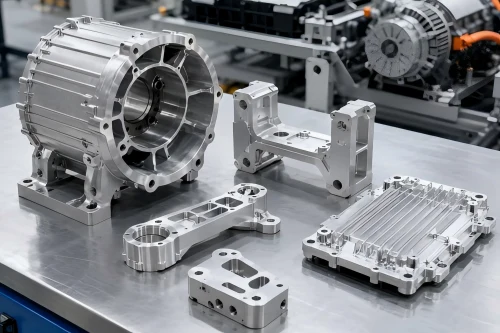
Five-axis machining supports custom housings, 括号, 固定装置, 热管理组件, 电机相关零件, and structural components for new-energy and industrial applications.

The machining route is reviewed according to material, 壁厚, feature relationships, 表面饰面, 检查需要, and delivery priorities.

18+ Years
CNC machining experience
ISO
9001:2015认证
复杂的几何形状
Angled features, 深腔, and multi-surface parts
Fewer Setups
Reduce repositioning and protect datum relationships
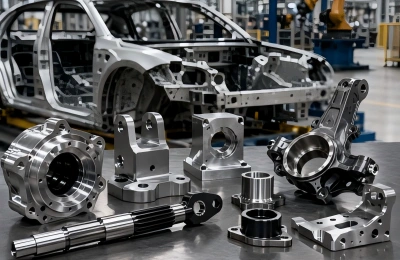
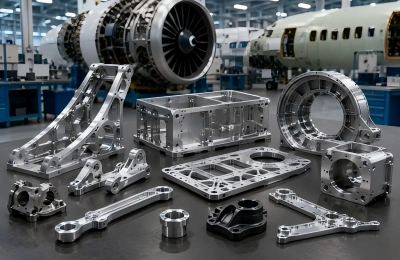
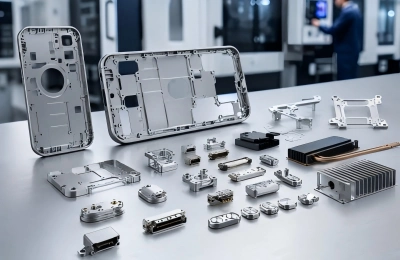
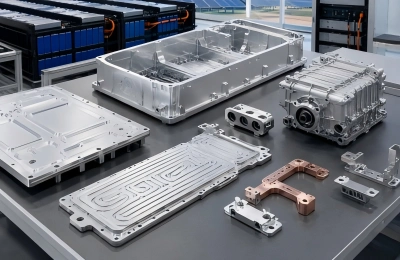
Custom Five-Axis CNC Machined Parts Showcase

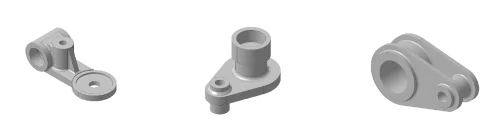
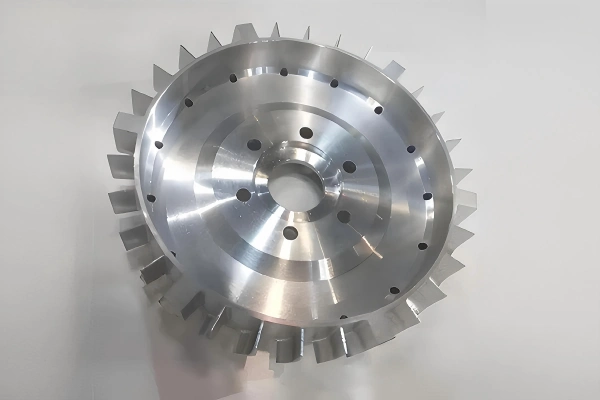
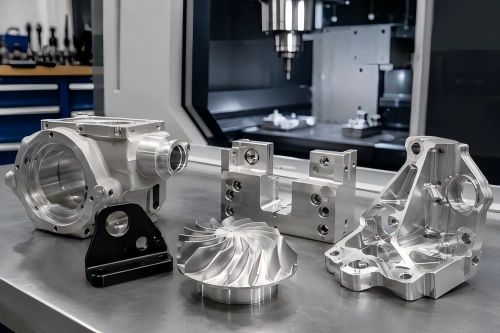
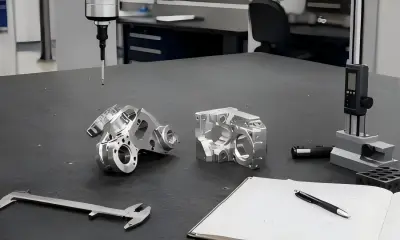
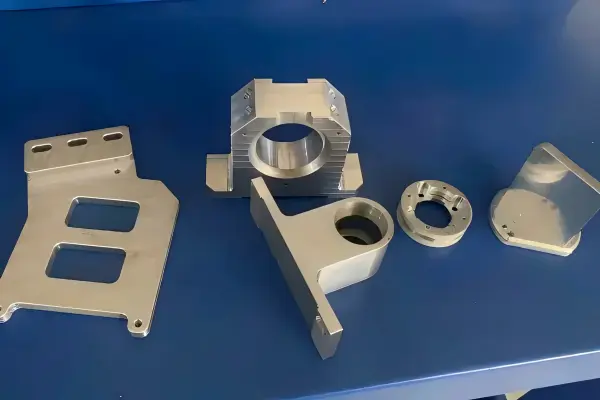
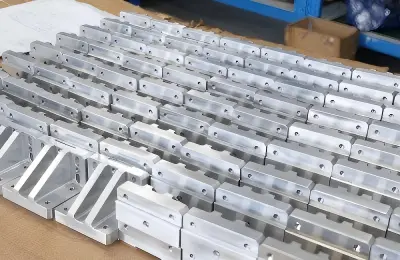
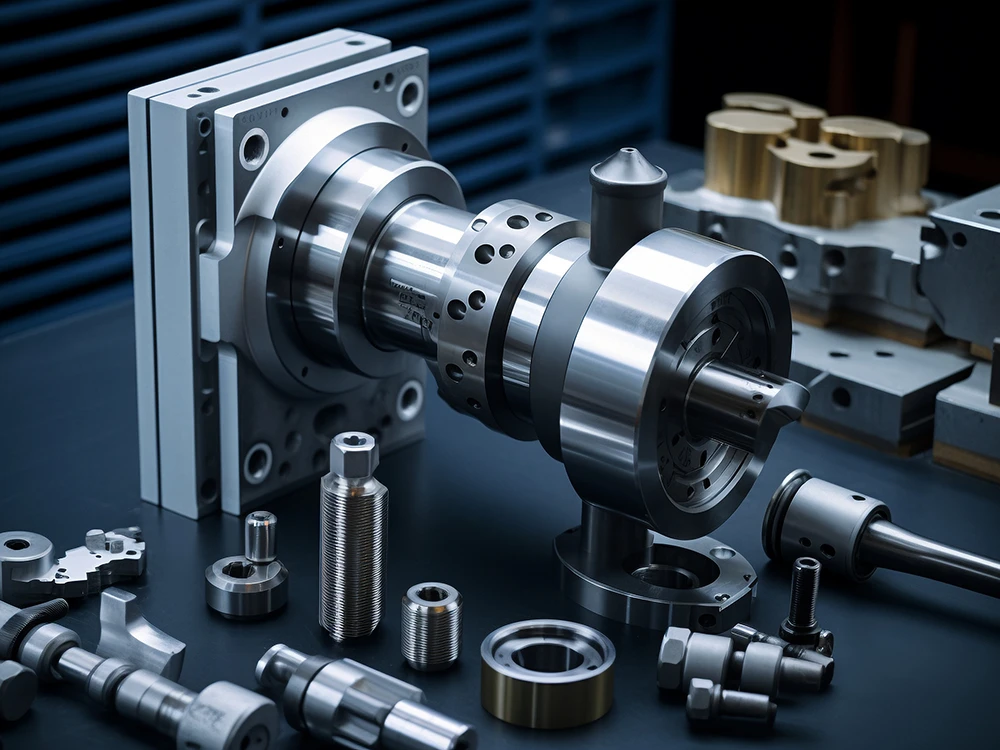
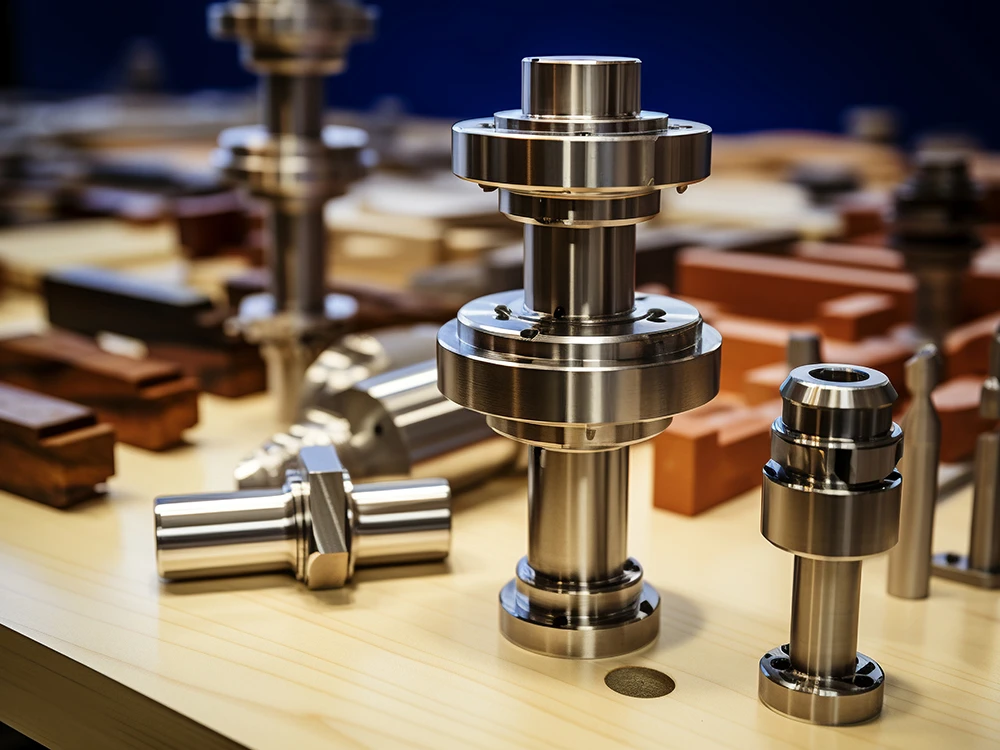
Explore a selection of custom components supported by Rapid Efficient through five-axis CNC machining, including complex housings, 括号, 固定装置, 结构件, 原型, freeform components, and parts with angled or multi-surface features.

Each project is reviewed according to its material, 几何学, setup strategy, 工具访问, 临界公差, 表面光洁度要求, 检查需要, and production quantity. From functional prototypes to repeat orders, we focus on fast response, fewer setups, stable machining quality, 和实际的交付计划.

Five-Axis CNC Machining Capabilities
Complex Geometry and Multi-Surface Machining

Five-axis CNC machining allows the cutting tool to approach a part from multiple directions through indexed positioning, simultaneous five-axis movement, or a combination of both.

This makes it suitable for complex housings, 括号, 固定装置, impeller-like components, angled holes, 深腔, compound contours, and parts with difficult tool-access conditions.

The machining route is reviewed according to the geometry, 材料, tool reach, 壁厚, internal radii, tolerance priorities, 表面光洁度要求, 及检验需求.

Fewer Setups and Better Datum Control

Traditional machining may require repeated repositioning to reach features on different faces of a part. Each additional setup can increase cycle time and introduce avoidable variation between critical surfaces.

Five-axis machining can complete more features within fewer setups, helping protect datum relationships, hole positions, 倾斜表面, mating faces, and feature-to-feature accuracy.

For suitable parts, reducing repeated clamping can improve machining consistency and shorten the path from drawing review to finished components.

Tool Access, 表面质量, and Inspection Planning

Complex parts require more than additional machine axes. A stable result depends on practical tool access, suitable tool length, controlled cutting forces, surface-finish planning, and a clear inspection strategy.

Five-axis machining can improve access to angled and multi-surface features while reducing unnecessary tool extension and repeated setups.

Before production, Rapid Efficient reviews critical dimensions, 基准关系, 装饰表面, 深腔, inspection access, and delivery priorities to identify a practical machining route.

Quick Guide to Planning a Five-Axis CNC Machining Project
Three practical steps for reviewing complex parts before five-axis CNC machining:
1: Review the Drawing Before Production

Five-axis machining is most effective when the drawing, 3D model, and functional requirements are reviewed before production.

对于复杂零件, we check:

1. 材质等级, 库存形式, and quantity.
2. 关键尺寸, 基准关系, and tolerance priorities.
3. Angled holes, 深腔, compound surfaces, internal radii, and undercut-sensitive features.
4. 薄壁, unsupported structures, and deformation risks.
5. Surface-finish requirements, 化妆脸, mating areas, and inspection access.

Early review helps identify avoidable risks before machining begins and supports a faster, more stable quotation process.

The goal of five-axis machining is not simply to use more machine axes. The real value is to reach complex features efficiently while reducing repeated repositioning.

Depending on the geometry, the machining plan may use indexed positioning, simultaneous five-axis movement, or a combination of both.

A practical route should consider:

1. Tool access to angled and multi-surface features.
2. Datum stability and feature-to-feature relationships.
3. The number of setups and clamping operations.
4. 工具范围, 切削力, 排屑, 和表面质量.
5. Whether roughing, 半精加工, and final finishing should be separated.

Fewer unnecessary setups can improve consistency, reduce cycle time, and protect critical dimensional relationships.

Complex five-axis parts require inspection planning before production, not after machining is complete.

Depending on the drawing, we review:

1. 关键尺寸, hole positions, angled features, mating faces, 和基准关系.
2. Inspection access for deep cavities and multi-surface geometry.
3. 表面粗糙度, cosmetic requirements, and finishing allowances.
4. 阳极氧化, 钝化, 电镀, 抛光, blasting, 掩蔽, and packaging requirements where applicable.
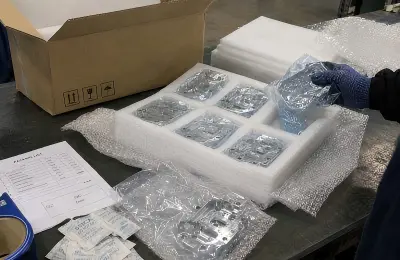
5. Delivery priorities for prototypes, low-volume batches, and repeat-production orders.

Inspection reports and material certificates can be coordinated upon request. 对于合适的项目, 可以安排加急交货,起价至少为 3 工作日.

从图纸到交货

您是否需要一次性的功能原型, 小批量, 或重复生产零件, Rapid Efficient可协调加工路线, 检查计划, 表面饰面, 包装, 以及围绕您的项目要求的交付时间表.

快速数控原型制作

通过原型 CNC 加工,更快地从图纸审查转向功能部件, 设计验证, 组装测试, 及工程评价.

对于合适的项目, 可以安排加急交货,起价至少为 3 工作日.

快速 DFM 反馈
功能原型零件
快速设计迭代
加急交付选项
小批量 CNC 生产

通过灵活的小批量 CNC 加工缩小原型批准和重复生产之间的差距.

我们协调材料选择, 加工, 尺寸检验, 表面处理, 和包装以保持每批次的稳定质量.

灵活的生产数量
受控检查计划
表面精加工协调
批次质量稳定
重复生产支持

对于重复订单, 我们专注于图纸修订控制, 材料一致性, 关键特征检查, 表面光洁度稳定性, 和实际的交付计划.

目标很简单: 可靠的零件, 响应式沟通, 和稳定的供应.

图纸修订控制
可重复的检验标准
一致的整理要求
包装和交付协调
上传您的绘图
Start Production Faster

Secure file upload. Fast quotation and machining review for your custom CNC parts.

Common Five-Axis Machining Risks and How We Control Them
1. CAM Programming and Toolpath Strategy

Five-axis machining requires careful coordination between tool orientation, rotary-axis movement, cutting direction, and feature accessibility.

For complex housings, angled holes, 深腔, compound surfaces, and freeform features, an unsuitable toolpath can increase cycle time, create surface marks, or introduce avoidable dimensional variation.

降低风险:

1. Review the 3D model, 绘画, and datum scheme before programming.
2. Match indexed positioning and simultaneous five-axis movement to the actual geometry.
3. Check tool orientation, collision risk, tool reach, and fixture clearance.
4. Separate roughing, 半精加工, and finishing where the geometry requires it.
5. Confirm critical dimensions and inspection access before production.

Complex five-axis parts often contain deep pockets, 倾斜表面, narrow regions, and multi-directional features that are difficult to reach with standard tools.

Excessive tool extension can increase vibration, deflection, surface inconsistency, and machining time.

To improve stability:

1. Select tool diameter, 长度, 几何学, and coating according to the material and feature type.
2. Reduce unnecessary tool extension wherever possible.
3. Use practical internal radii to allow stronger and more stable cutting tools.
4. Review deep cavities, narrow slots, and undercut-sensitive features early.
5. Match the cutting strategy to the required surface quality and tolerance priorities.

Five-axis machining can reduce repeated repositioning, but the remaining setup strategy still matters. Fixture design, datum selection, 锁模压力, and part rigidity all influence the final result.

For setup-sensitive parts, small errors may affect hole positions, mating faces, angled features, and feature-to-feature relationships.

降低风险:

1. Select stable datum surfaces before machining begins.
2. Control clamping pressure to avoid temporary distortion.
3. Add suitable support for thin walls, 轻质结构, and heavily pocketed parts.
4. Reduce repeated setups where five-axis machining can complete more features in one route.
5. Verify critical dimensions after unclamping.

Surface quality depends on more than machine capability. 刀具锋利度, 主轴速度, 进给率, depth of cut, cutting direction, 排屑, and coolant access must be matched to the material and geometry.

For appearance-sensitive surfaces and complex contours, unstable cutting conditions can create vibration marks, uneven finishes, or unnecessary polishing work.

提高表面质量:

1. Match cutting parameters to the material grade and tool geometry.
2. Use stable finishing passes for cosmetic and functional surfaces.
3. Improve chip evacuation in deep cavities and narrow regions.
4. Reduce excessive cutting forces on thin walls and unsupported features.
5. Confirm surface-finishing requirements before machining.

Five-axis machining is not automatically the most expensive route. For the right geometry, it can reduce repeated setups, manual repositioning, 夹具复杂性, and avoidable machining time.

The key is to use five-axis machining where it creates real value.

To control cost and lead time:

1. Apply five-axis machining to features that genuinely benefit from improved tool access or fewer setups.
2. Avoid unnecessary tight tolerances on non-functional dimensions.
3. Use practical internal radii, cavity depths, 和表面光洁度要求.
4. Confirm inspection priorities before production.
5. Coordinate secondary operations, 表面处理, 包装, and delivery requirements early.

对于合适的项目, 可以安排加急交货,起价至少为 3 工作日.

CNC加工的应用领域

我们的CNC加工服务受到全球不同领域客户的好评。我们为多种行业提供CNC加工零部件, 涵盖以下内容及更多内容.

汽车

CNC加工支架支架, 外壳, 衬套, 轴, 适配器, 固定装置, 传感器组件, 以及用于汽车和移动项目的定制机械零件.

机器人与自动化

用于机械臂的精密加工部件, 自动化设备, 末端执行器, 关节, 电机相关零件, 传感器外壳, 固定装置, 和装配工具.

医疗设备

用于医疗器械设备的定制数控加工零件, 诊断仪器, 实验室系统, 外壳, 固定装置, 阀门, 适配器, 和非植入机械部件.

航天

轻型外壳的加工支撑, 括号, 固定装置, 结构件, 测试件, 以及用于航空航天相关应用的复杂铝或钛部件.

消费电子产品

外壳 CNC 加工, 框架, 散热部件, 按钮, 括号, 固定装置, 连接器组件, 和对外观敏感的铝制零件.

新能源

储能系统定制零件, EV相关设备, 电机外壳, 热管理组件, 括号, 连接器, 固定装置, 和机械组件.

工业设备

CNC 加工外壳, 轴, 袖子, 括号, 固定装置, 机器部件, 安装零件, 以及工业设备和生产系统的替换部件.

半导体设备

半导体设备精密加工零件, 自动化模块, 固定装置, 盘子, 括号, 外壳, 以及需要控制尺寸和清洁表面光洁度的组件.

滚动至顶部

获取报价

点击或拖拽文件到该区域即可上传. 您最多可以上传 10 文件.
文件格式:TXT PDF DOC DOCX XLS XLSX PPT PPTX JPG PNG ZIP RAR DWG DXF DXF DWT DWS DWS

3D文件格式: 步, STP, sldprt, IPT, prt, 坐着, IGES, IGS, catpart, X_T, OBJ, STL