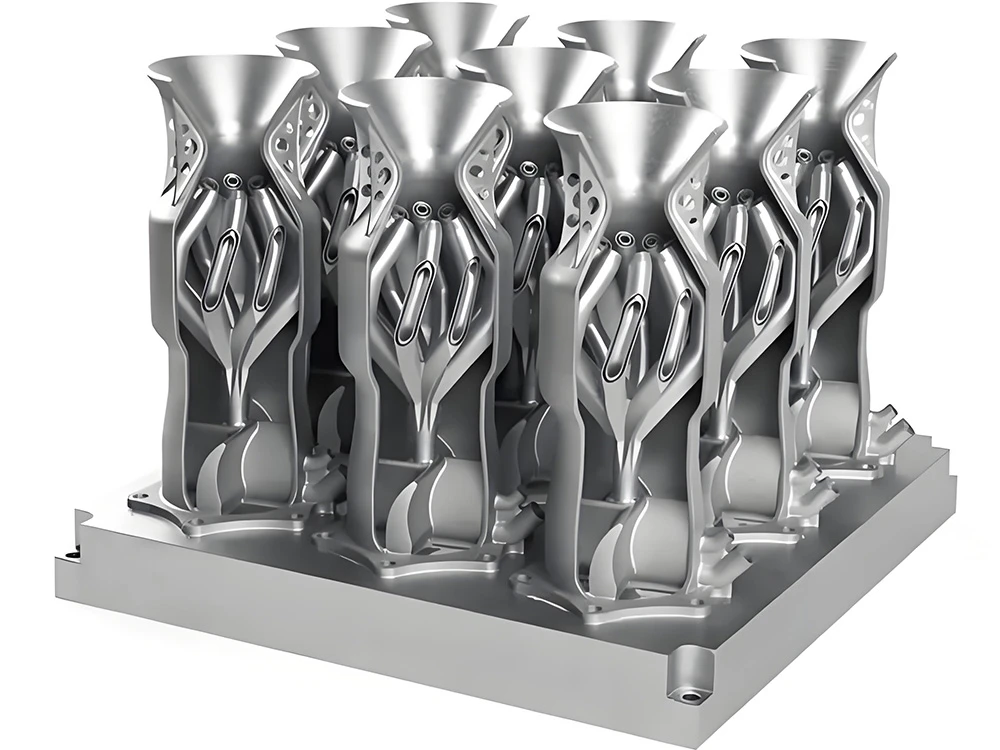
Metal 3D Printing Services
Rapid Efficient supports custom metal 3D printing projects for complex components, 功能原型, 设计验证, and selected low-volume production needs.
每个项目根据其合金要求进行审查, 几何学, internal features, 壁厚, support strategy, 表面期望, 关键尺寸, post-processing needs, 数量, 和最终用途优先事项.
Upload Your Part Design for Metal 3D Printing Review
Complex Geometry Review
Internal features, 轻质结构, and design feasibility
Material and Process Planning
合金, 支持, 表面饰面, and end-use requirements
Prototype and Low-Volume Support
Custom metal parts and project-specific manufacturing review
Metal Additive Manufacturing Support for Complex Parts
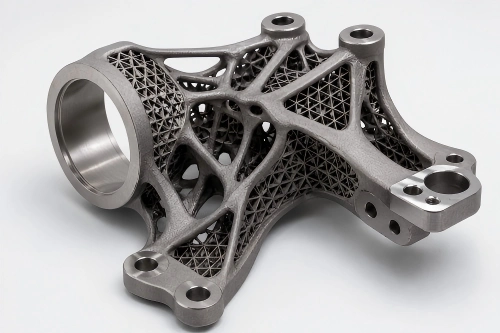
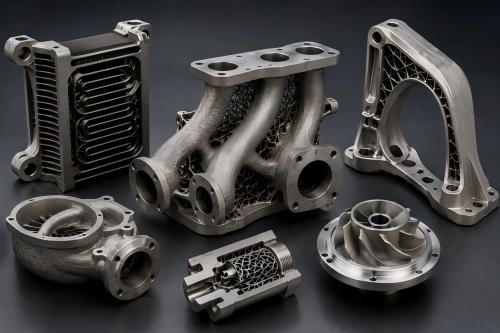
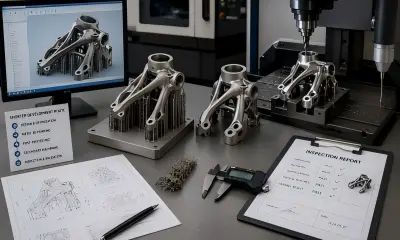
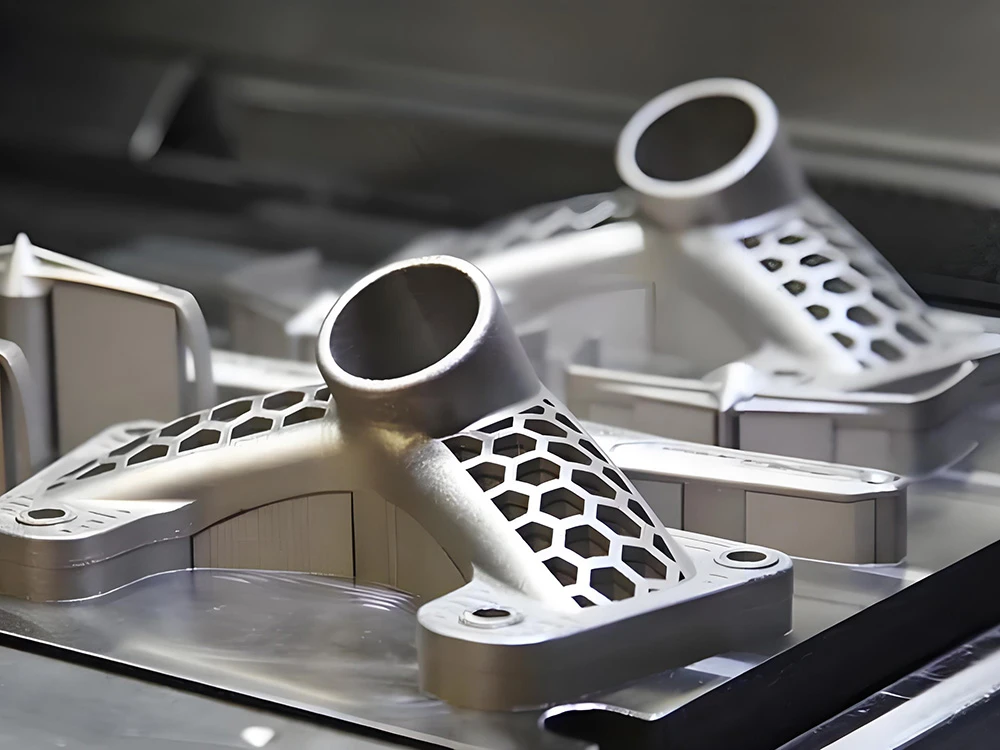
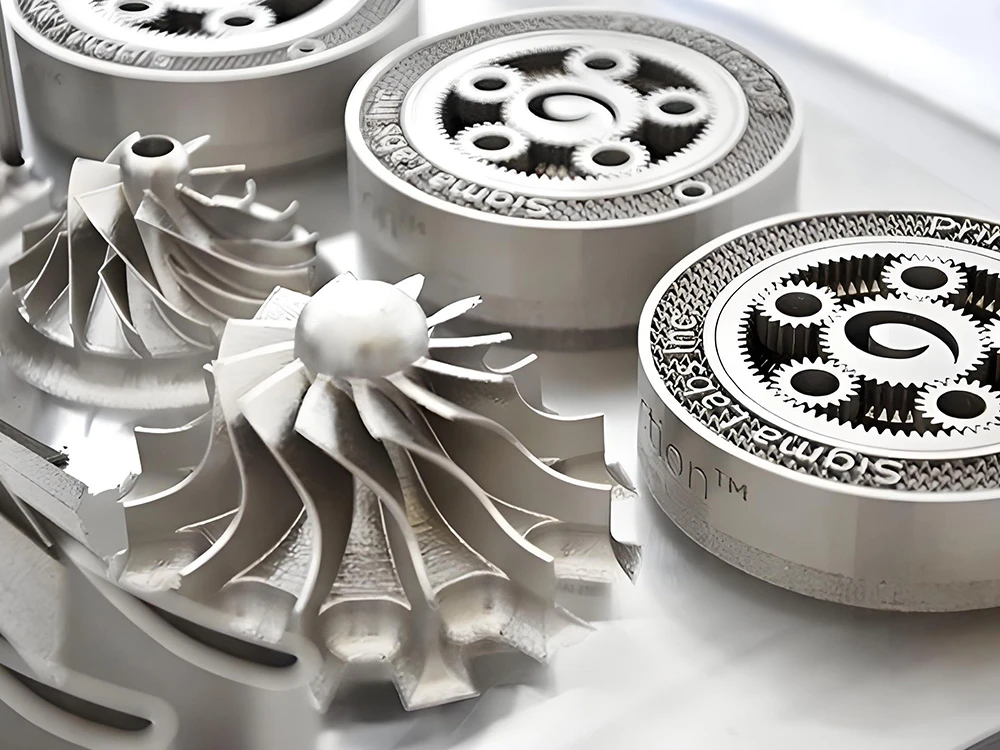
Metal 3D printing can provide a practical manufacturing route for complex components, 轻质结构, 内部频道, 功能原型, and selected low-volume production needs that may be difficult or inefficient to produce through conventional methods alone.
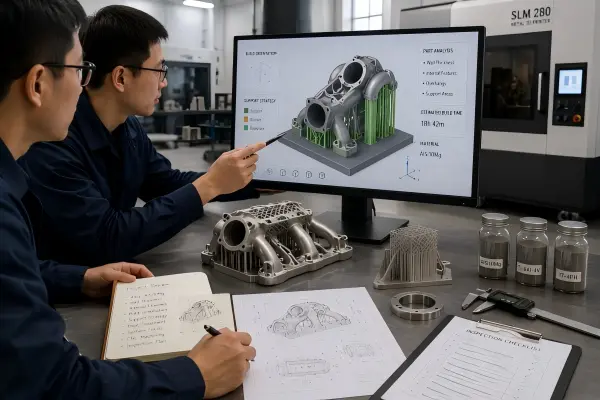
Rapid Efficient reviews each project according to its alloy requirements, 几何学, 壁厚, internal features, build orientation, support strategy, 表面期望, 关键尺寸, post-processing needs, 数量, 和最终用途优先事项.
Where tighter tolerances, 线程, 密封区域, 配合面, or improved surface quality are required, secondary CNC machining and inspection planning can also be reviewed as part of the manufacturing route.
Metal 3D printing is an additive manufacturing process that creates metal parts layer by layer from a digital 3D model.
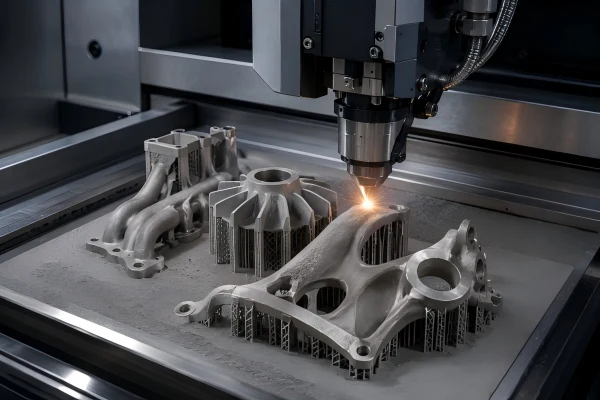
Many metal additive manufacturing routes use a laser to selectively fuse metal powder according to the required geometry. 当每一层完成后, the next layer is added until the final component is formed.
Metal 3D printing can be considered for complex components, 轻质结构, 内部频道, consolidated assemblies, 功能原型, and selected low-volume parts where conventional manufacturing methods may be inefficient or restrictive.
The final manufacturing route should be reviewed carefully. Build orientation, support structures, 壁厚, internal features, 表面要求, 关键尺寸, heat-treatment needs, support removal, 二次加工, and inspection priorities can all influence the finished result.
Explore CNC machining support for metal 3D printed parts.
Complex Lightweight Components
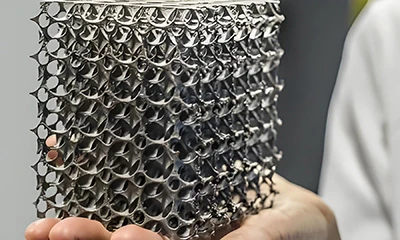
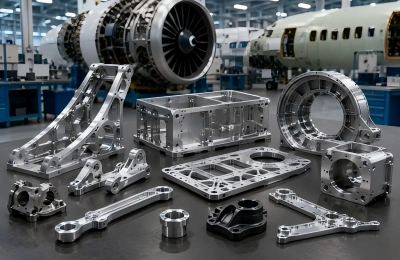
Metal 3D printing can support lightweight structures, 内部频道, consolidated components, and complex geometries that may be difficult or inefficient to manufacture through conventional methods alone.
Equipment Prototypes and Functional Parts
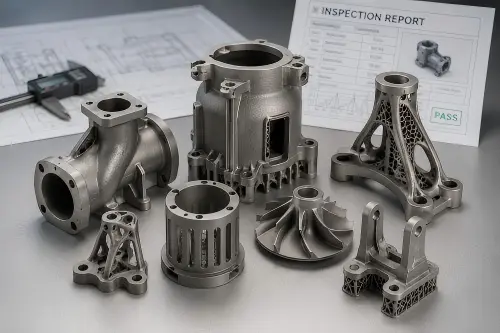
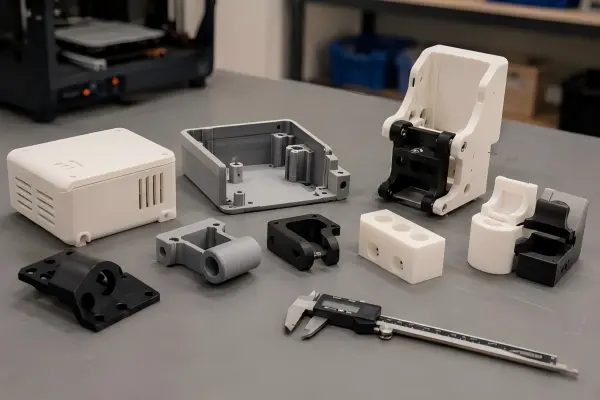
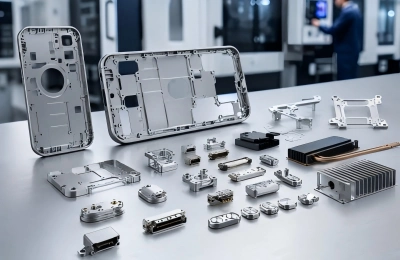
Metal additive manufacturing can support equipment prototypes, 功能组件, custom brackets, 外壳, and validation parts where geometry, 材料要求, 后处理, and inspection priorities must be reviewed carefully.
Automotive and Mobility Components
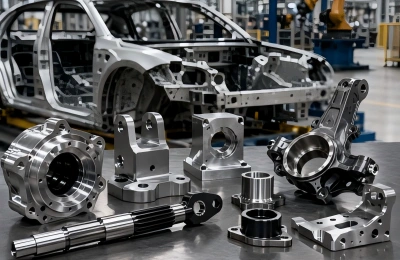
Metal 3D printing can be evaluated for automotive and mobility prototypes, lightweight brackets, custom housings, 测试组件, and low-volume parts that require complex geometry or faster design iteration.
Tooling Inserts and Manufacturing Aids
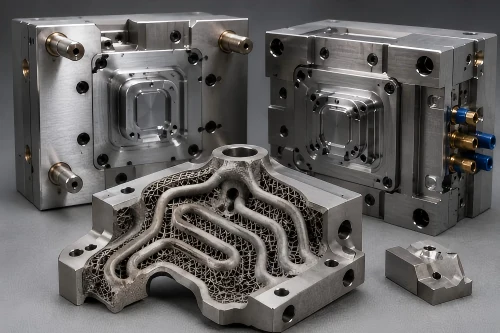
对于合适的项目, metal 3D printing can support tooling inserts, manufacturing aids, and mold-development components with complex geometry or internal cooling features that require careful feasibility review.
高性能设备组件
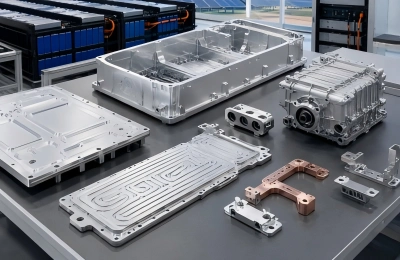
Metal 3D printing can support selected equipment components, heat-management parts, 结构支架, and functional prototypes where material selection, 几何学, 表面要求, and secondary machining must be reviewed together.
Design Models and Creative Metal Parts
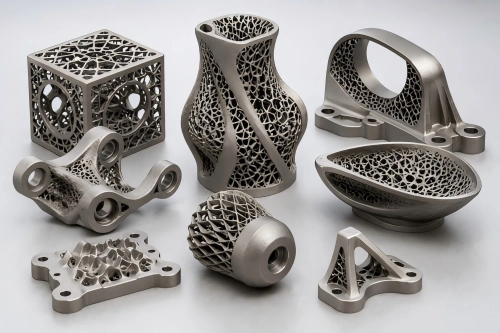
Metal additive manufacturing can support decorative structures, creative metal models, presentation parts, personalized designs, and complex visual forms that benefit from greater geometric freedom.
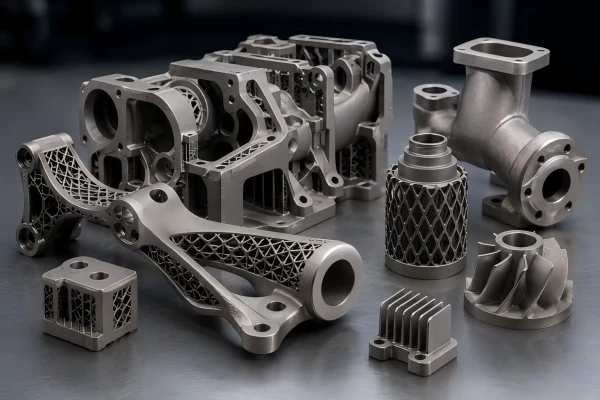
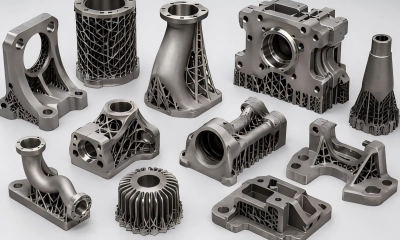
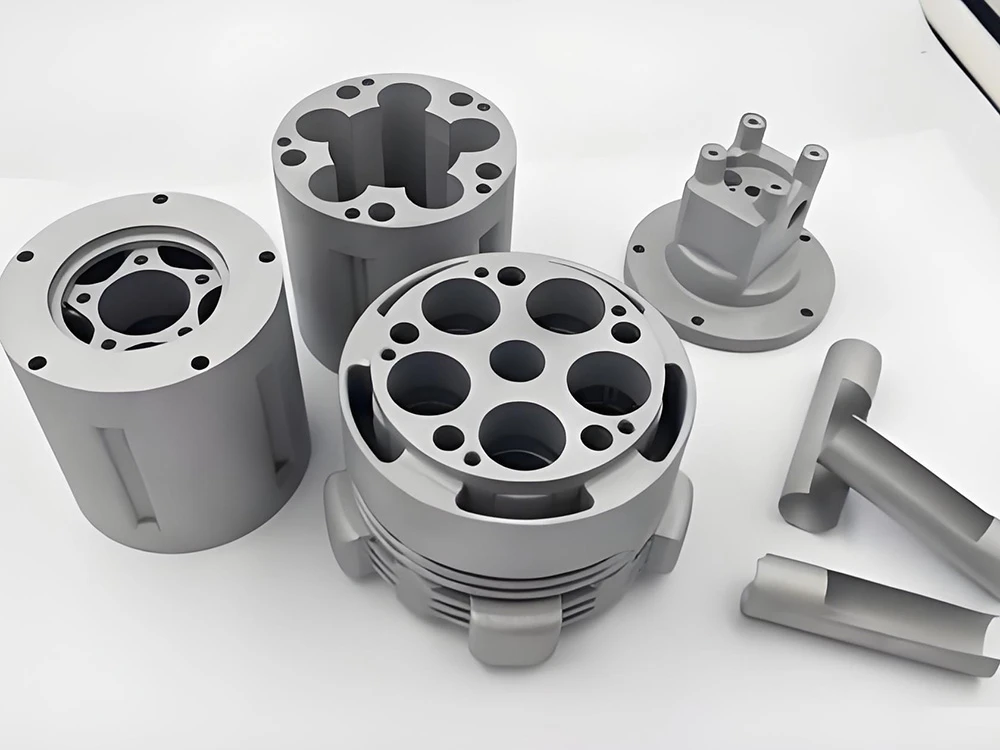
Explore selected metal 3D printed part examples for complex components, 轻质结构, internal features, 功能原型, tooling inserts, and selected low-volume production needs.
每个项目根据其合金要求进行审查, 几何学, 壁厚, 内部频道, build orientation, support strategy, 表面期望, 关键尺寸, post-processing needs, 数量, 和最终用途优先事项.
Where tighter tolerances, 线程, 密封区域, 配合面, or improved surface quality are required, secondary CNC machining and inspection planning can also be reviewed as part of the manufacturing route.
Metal 3D printing can support internal channels, lattice structures, lightweight features, consolidated assemblies, and complex geometries that may be difficult or inefficient to manufacture through conventional methods alone.
The feasibility of each design should be reviewed according to the alloy, 壁厚, internal features, build orientation, support strategy, powder-removal access, 表面要求, and post-processing needs.
对于合适的项目, metal 3D printing can produce custom metal parts directly from a digital model without requiring dedicated production tooling at the early stage.
This approach can support functional prototypes, tooling inserts, validation parts, replacement components, and selected low-volume production needs. The most practical route should still be compared with CNC machining, 铸件, or other manufacturing methods according to the quantity, 几何学, 材料, and cost priorities.
Metal 3D printing can shorten the development route for suitable complex components by reducing the need for multiple conventional manufacturing steps during early validation and low-volume production.
The final lead time depends on the part size, build volume, 合金, support structures, heat-treatment requirements, support removal, 表面处理, secondary CNC machining, 和检查计划.
Project requirements and feasibility review
1. Define the intended use:
确认零件功能, 合金要求, 预期数量, 关键尺寸, internal features, 表面期望, operating conditions, 和交付优先级.
2. 检查几何形状:
壁厚, small features, enclosed areas, 内部频道, 悬垂, powder-removal access, support requirements, and potential secondary-machining areas should be evaluated before production begins.
Alloy and manufacturing-route planning
1. Review the alloy requirements:
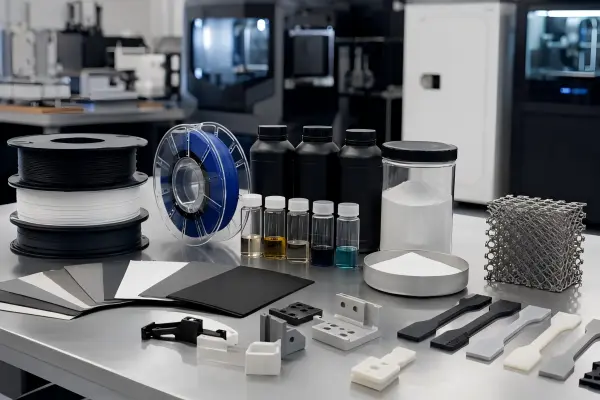
The suitable metal material should be evaluated according to the required strength, 重量, 耐腐蚀性, 热性能, 表面质量, machining needs, 和最终使用条件.
2. Select a practical manufacturing route:
The most suitable route depends on the alloy, 几何学, 数量, dimensional expectations, 表面要求, post-processing needs, and cost priorities. For some projects, metal 3D printing may be combined with secondary CNC machining and inspection.
Build orientation and support planning
1. Plan the build orientation:
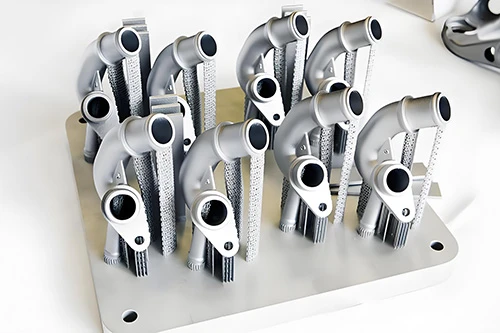
Build orientation can influence support requirements, 表面质量, dimensional results, mechanical performance, powder-removal access, and post-processing effort.
2. Review the support strategy:
Support structures, 内部频道, enclosed areas, powder escape paths, split lines, build quantity, and secondary-machining allowances are considered according to the geometry and intended use of the part.
Metal printing and process checks
1. Produce the metal parts:
The approved digital model, selected alloy, and planned build strategy are used to manufacture the required components layer by layer.
2. Review the build results:
During and after production, the parts are checked for incomplete features, 形变, support-related concerns, difficult powder-removal areas, 表面不规则, and other process-specific risks.
后处理, 加工, 检查, 和交货
1. Apply the required post-processing:
Support removal, 打扫, suitable heat treatment, 表面处理, and other project-specific post-processing steps can be reviewed according to the alloy, 几何学, and end-use requirements.
2. Plan secondary machining where needed:
更严格的公差孔, 线程, 密封区域, 配合面, 可以评估装配接口以进行二次 CNC 加工.
3. Inspect and prepare the parts:
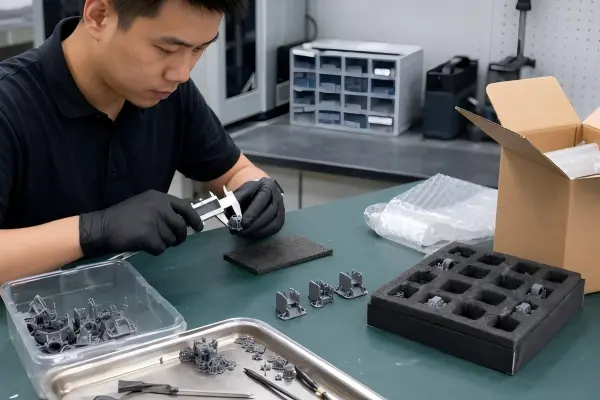
主要尺寸, 表面外观, 关键特征, 数量, and project-specific requirements are checked before packaging and delivery.
您是否需要一次性的功能原型, 小批量, 或重复生产零件, Rapid Efficient可协调加工路线, 检查计划, 表面饰面, 包装, 以及围绕您的项目要求的交付时间表.
通过原型 CNC 加工,更快地从图纸审查转向功能部件, 设计验证, 组装测试, 及工程评价.
对于合适的项目, 可以安排加急交货,起价至少为 3 工作日.
通过灵活的小批量 CNC 加工缩小原型批准和重复生产之间的差距.
我们协调材料选择, 加工, 尺寸检验, 表面处理, 和包装以保持每批次的稳定质量.
对于重复订单, 我们专注于图纸修订控制, 材料一致性, 关键特征检查, 表面光洁度稳定性, 和实际的交付计划.
目标很简单: 可靠的零件, 响应式沟通, 和稳定的供应.
安全文件上传. 为您的定制 CNC 零件快速报价和加工审核.
Surface Roughness and Post-Processing Needs
风险:
Metal 3D printed parts may have visible surface texture, support marks, or rough local areas that do not directly meet the final appearance or assembly requirements.
常见原因:
The printing route, 合金, build orientation, support strategy, 几何学, layer characteristics, and surface location can all influence the final surface condition.
我们如何解决这个问题:
Surface expectations and critical interfaces are reviewed before production. 取决于项目, support removal, 抛光, suitable surface finishing, and secondary CNC machining can be evaluated for areas that require improved appearance, 合身, or dimensional control.
Distortion and Residual-Stress Risks
风险:
The printed component may bend, twist, distort, or lose the intended geometry during production or post-processing.
常见原因:
Thermal behavior, wall-thickness changes, large flat areas, local heat concentration, unsuitable build orientation, insufficient support, and stress release during post-processing can influence dimensional stability.
我们如何解决这个问题:
The geometry, build orientation, support strategy, 壁厚, critical interfaces, and post-processing route are reviewed together. Where required, suitable heat treatment, support-removal planning, secondary machining allowances, and dimensional inspection priorities can be considered.
Build-Quality and Manufacturability Risks
风险:
Thin features, unsupported sections, enclosed areas, difficult overhangs, or complex local geometry may not form as expected and can affect the final result.
常见原因:
Unsuitable wall thickness, limited support access, difficult powder removal, challenging geometry, poor orientation, and insufficient consideration of post-processing requirements can create avoidable manufacturing risks.
我们如何解决这个问题:
The digital model is reviewed before production to identify thin sections, unsupported areas, enclosed volumes, 内部频道, powder escape paths, support requirements, and features that may need design or build-planning adjustments.
Internal Channels and Powder-Removal Constraints
风险:
Internal channels, enclosed cavities, lattice structures, and narrow passages may be difficult to clean or inspect after printing.
常见原因:
Limited powder escape paths, inaccessible internal areas, overly narrow channels, complex lattice geometry, and insufficient consideration of cleaning and inspection needs can affect production feasibility.
我们如何解决这个问题:
Internal features, powder-removal access, escape openings, channel dimensions, 检查重点, and end-use requirements are reviewed during the feasibility stage. Where necessary, the geometry, split strategy, build orientation, or post-processing plan may be adjusted before production begins.
Rapid Efficient supports custom metal 3D printing projects for complex metal parts, 轻质结构, 内部频道, 功能原型, tooling inserts, and selected low-volume production needs. Each project is reviewed according to alloy requirements, 零件几何形状, 壁厚, build orientation, support strategy, 后处理, 二次加工, 检查需要, 及交货要求.