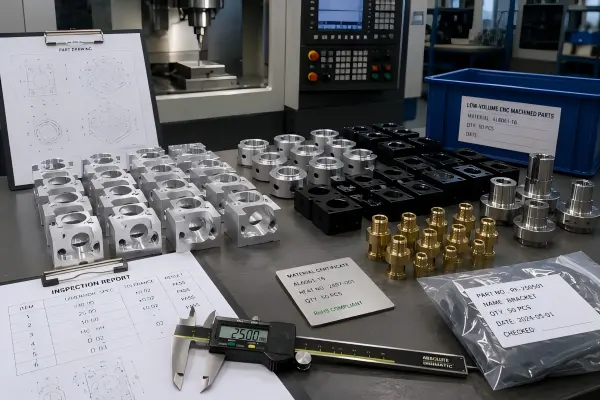
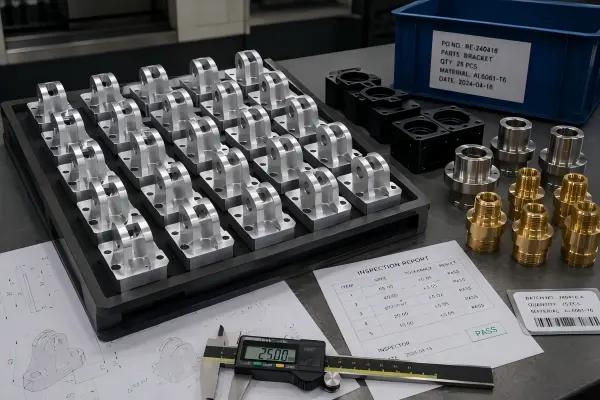
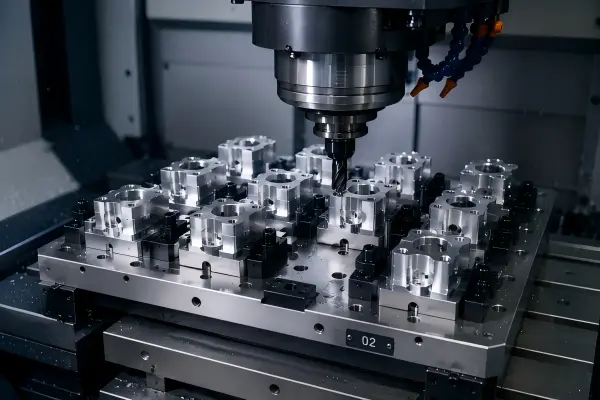
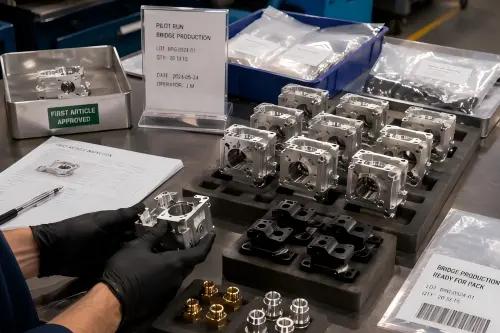
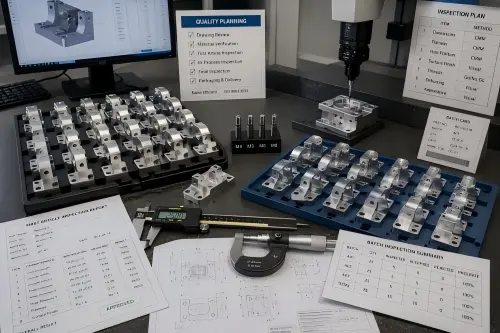
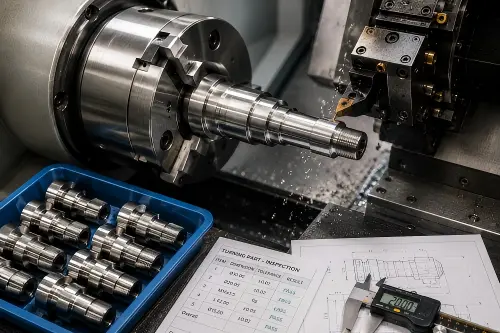
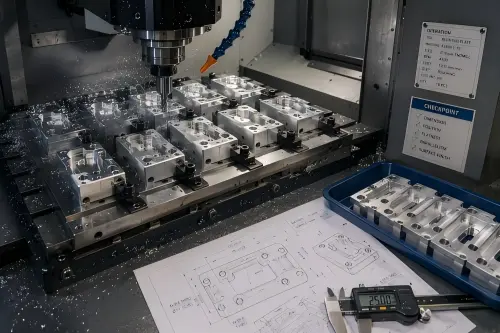
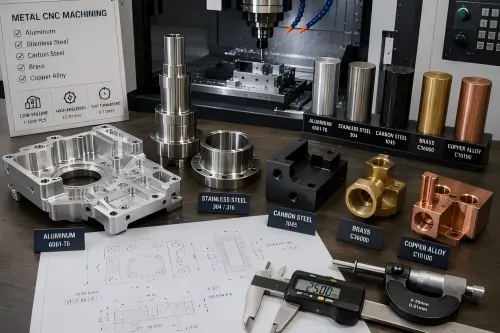
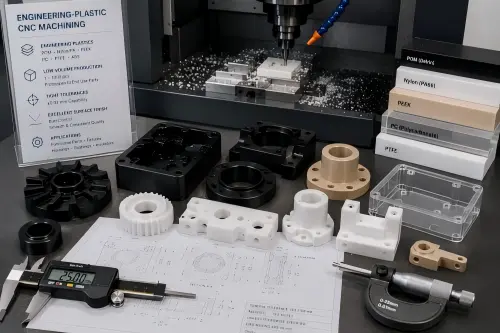
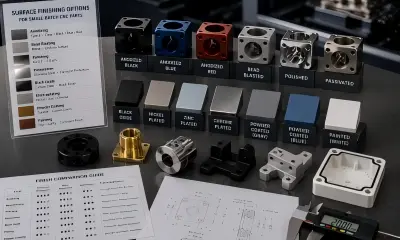
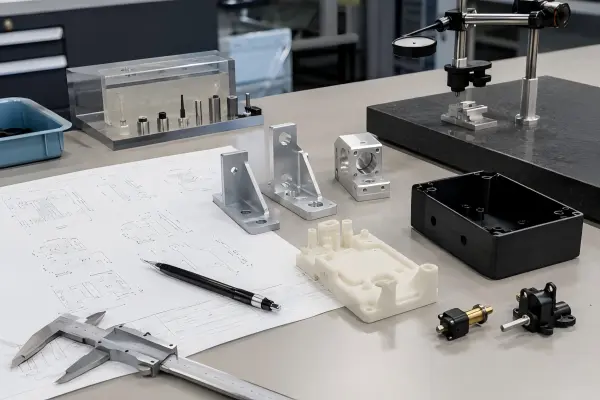
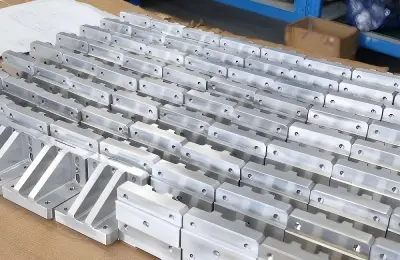
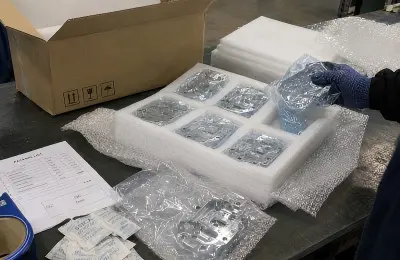
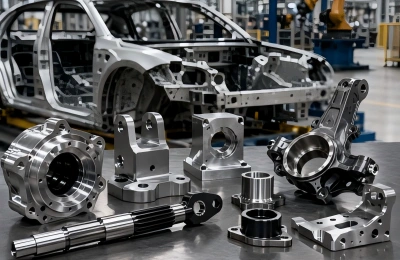
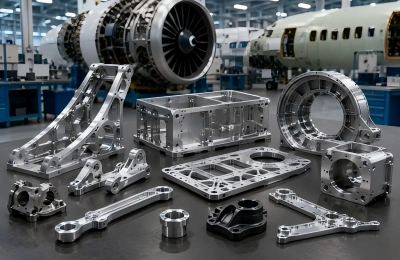
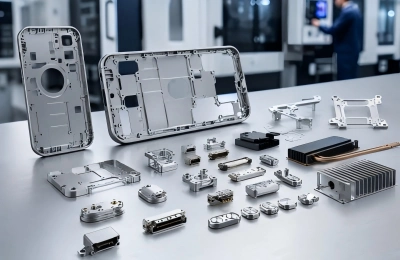
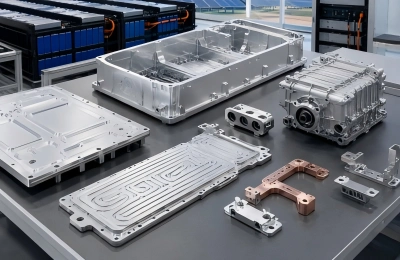
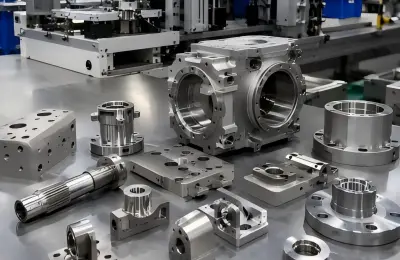
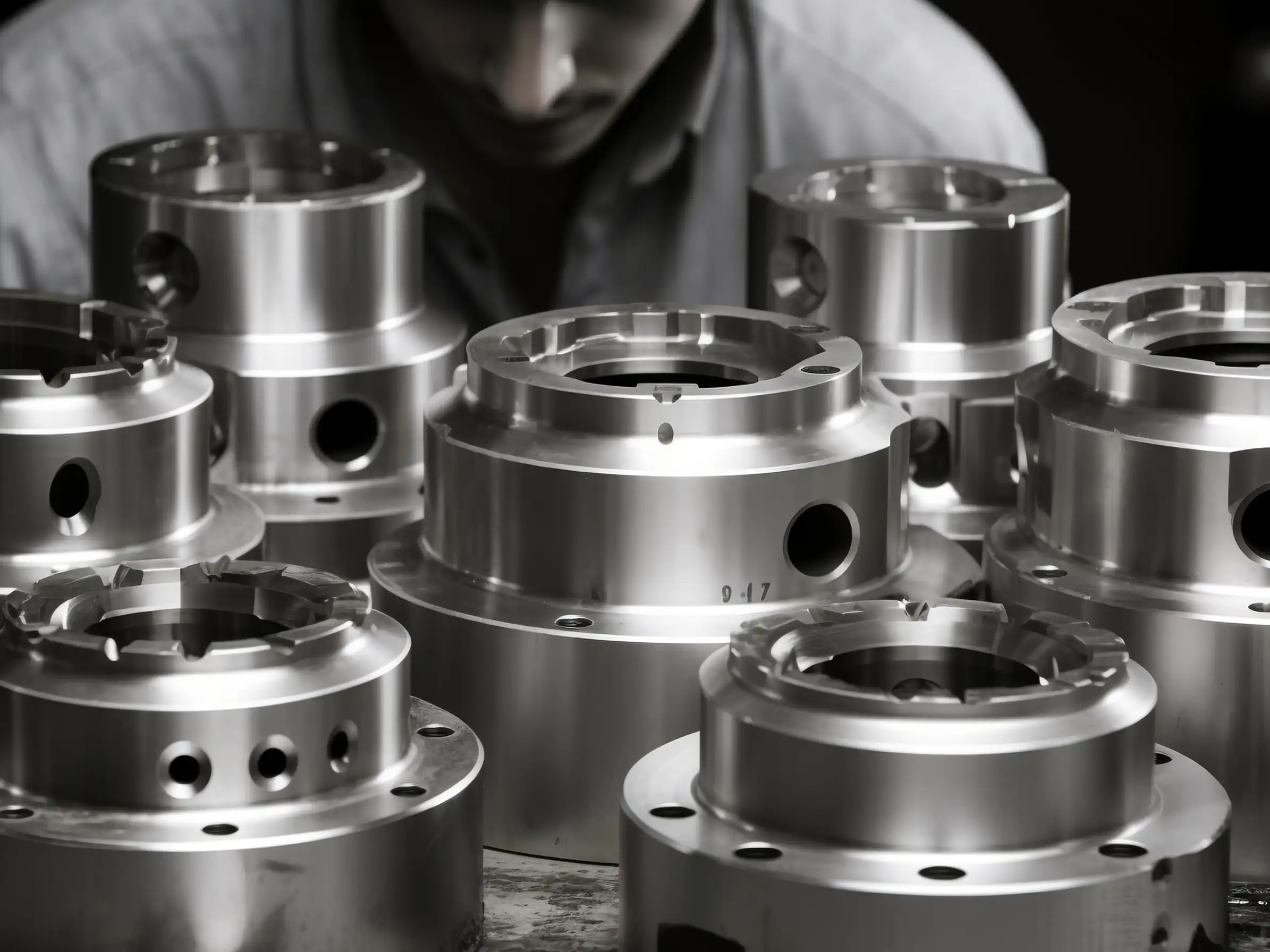
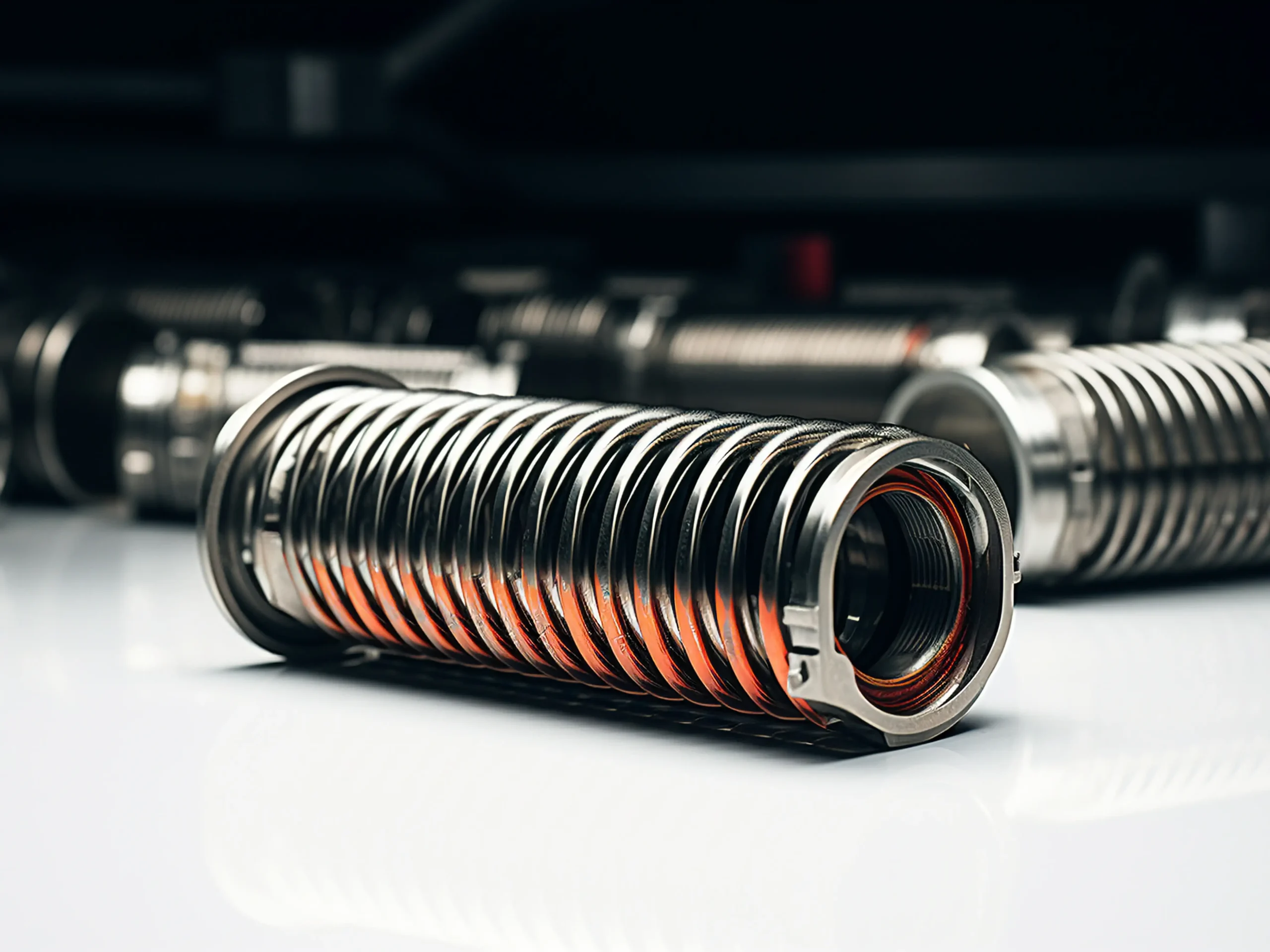
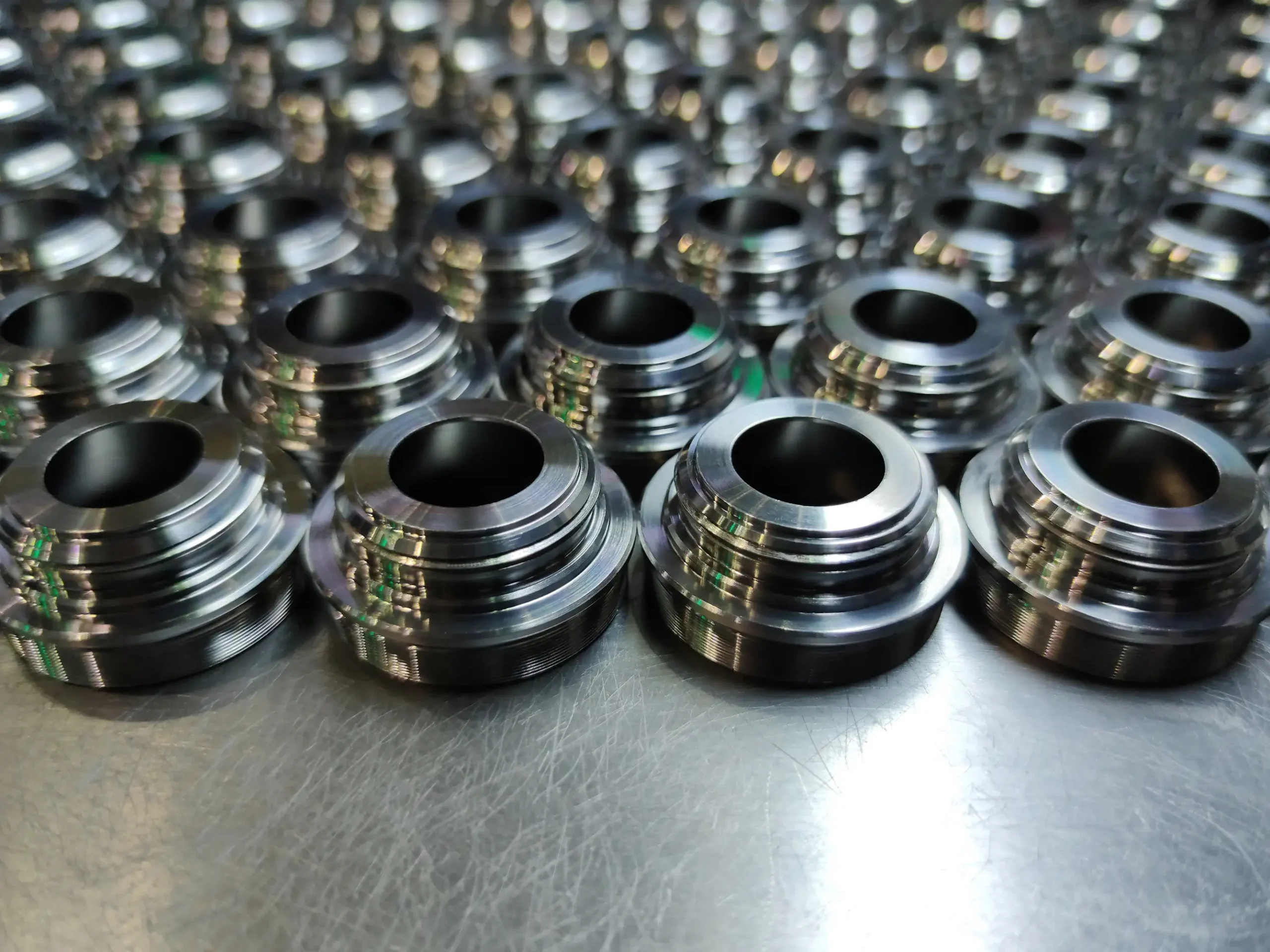
小批量 CNC 加工服务 从原型验证和试运行到过渡生产和选定的重复订单, Rapid Efficient 支持定制金属和工程塑料零件的小批量 CNC 加工.上传您的绘图以查看材料, 几何学, 临界公差, 表面饰面, 检验要求, 批量, 以及报价前的交货优先级. 上传您的图纸以进行小批量 CNC 加工审核 上传文件 接受的文件: 步, STP, IGS, IGES, X_T, PDF, 图纸, 和DXF 您的文件是安全的并被视为机密. 灵活的批次数量 适合试运行, 小批量, 以及选定的重复订单 稳定的品质策划 生产前审查关键尺寸和检查优先级 实际交货时间 适用于合适项目的加急时间表 定制零件的小批量 CNC 加工支持 Rapid Efficient 支持定制金属和工程塑料零件的小批量 CNC 加工, 包括试运行, 桥梁生产批次, 更换零件, 以及选定的重复订单.取决于几何形状, 您的项目可能需要数控铣削, 数控车削, 多面加工, 螺纹加工, 去毛刺, 表面处理, 尺寸检验, 和项目特定的包装.报价前, 我们审查图纸修订, 材料等级, 批量, 临界公差, 表面光洁度要求, 检查重点, 和交付预期,以协调实际的小批量生产路线. 用于试运行和小批量生产的定制 CNC 加工零件 发送您的图纸以进行小批量加工审核和报价. 上传您的绘图 什么是小批量数控加工? 小批量 CNC 加工是指小批量生产定制零件,无需使用大批量模具. 适合试运行, 桥梁生产, 更换零件, 市场测试, 以及选定的重复订单.取决于零件的几何形状, 小批量项目可能涉及数控铣削, 数控车削, 钻孔, 线程, 多面加工, 或 4 轴和 5 轴操作. Rapid Efficient 支持铝制定制零件, 不锈钢, 铜合金, 黄铜, 工程塑料, 和其他项目特定材料.原型和小批量批次之间的主要区别在于一致性. 可靠的生产计划应与图纸修改控制相结合, 材料确认, 临界公差, 加工稳定性, 表面处理要求, 检查重点, 包装, 从一开始就进行交付计划.我们的团队可以在报价前审查您的图纸,并推荐实用的外壳小批量 CNC 加工路线, 括号, 轴, 衬套, 法兰, 固定装置, 传感器组件, 电机相关零件, 和其他自定义组件.探索我们的 CNC 加工设计指南 用于可靠小批量的小批量 CNC 加工解决方案 试运行和桥梁生产 从原型批准转向实际小批量生产,无需使用大批量模具.Rapid Efficient 支持试点运行, 桥梁生产批次, 更换零件, 并选择定制外壳的重复订单, 括号, 固定装置, 适配器, 面板, 及其他精密零件. 批次一致性和质量规划 小批量生产需要的不仅仅是加工单个零件. 图纸修改, 材料等级, 关键尺寸, 检查重点, 表面处理, 生产开始前应审查包装要求.我们的团队协调实用的制造路线,以支持稳定的批量质量和可靠的交付计划. 小批量精密数控车削 CNC车削支撑轴, 袖子, 衬套, 法兰, 螺纹零件, 戒指, 和其他旋转部件.我们审查材料等级, 直径, 孔径要求, 线程, 凹槽, 跳动, 表面饰面, 数量, 以及生产前的检验需求. 小批量零件的数控铣削 CNC 铣削支撑外壳, 括号, 安装板, 固定装置, 散热部件, 和带口袋的组件, 插槽, 孔, 线程, 和多个加工面.对于小批量订单, 我们专注于实用工具的获取, 加工稳定性, 受控的公差, 和可重复的检查计划. 金属数控加工 Rapid Efficient 支持铝材的小批量 CNC 加工, 不锈钢, 碳钢, 铜合金, 黄铜, 和其他项目特定金属.材质等级, 几何学, 关键特征, 表面要求, 检查重点, 生产前审核批次数量,减少可避免的风险. 工程塑料数控加工 工程塑料需要与金属不同的加工策略. Rapid Efficient 支持由 POM 制成的合适的小批量零件, 窥视, 尼龙, ptfe, 个人电脑, 聚甲基丙烯酸甲酯, 和其他项目专用塑料.我们的团队审查物质行为, 壁厚, 尺寸稳定性, 毛刺控制, 表面要求, 及机加工前的检查条件. 18+ 年 CNC加工经验 ISO 9001:2015认证 ±0.01毫米 关键特征容差审查 灵活的批次 试运行和重复订单 小批量 CNC 加工零件展示 探索 Rapid Efficient 支持的一系列小批量 CNC 加工零件, 包括外壳, 括号, 轴, 袖子, 法兰, 固定装置, 精密金属零件, 和工程塑料部件.每个项目都根据其图纸修订进行审查, 材料等级, 几何学, 临界公差, 表面饰面, 检验要求, 批量, 和交付优先级.从试运行和过渡生产批次到选定的重复订单, 我们的团队专注于稳定的品质, 实际交货时间, 和可靠的生产计划. 小批量 CNC 加工: 公差, 材料, 和整理 小批量 CNC 零件的公差规划 小批量 CNC 加工需要整个批次的稳定尺寸控制, 特别是对于具有装配接口的零件, 配合面, 孔图案, 线程, 平整度, 垂直度, 跳动, 和其他关键功能.快速高效审图, 基准关系, 宽容优先, 检查方法, 以及生产前的批次数量. 可以根据零件几何形状单独评估关键尺寸, 物质行为, 和预期用途.而不是对每个尺寸应用不必要的严格公差, 我们将加工和检验工作重点放在能保护配合的地方, 功能, 重复性, 和批次一致性.对于合适的项目, 尺寸检验和检验报告要求可以在生产开始前协调.查看我们的 CNC 加工公差表 小批量 CNC 生产的材料选择 材料选择影响加工稳定性, 刀具磨损, 毛刺形成, 尺寸控制, 表面外观, 整理兼容性, 和最终成本.Rapid Efficient 支持铝材的小批量 CNC 加工, 不锈钢, 碳钢, 合金钢, 铜合金, 黄铜, 青铜, 钛合金, 工程塑料, 和其他项目特定材料.报价前, 我们的团队审查所需的材料等级, 库存情况, 几何学, 公差要求, 运行环境, 表面精加工路线, 和批次数量来确定实用的材料选择.对于重复订单, 材料确认和图纸修订控制有助于保持更一致的生产结果.探索我们的 CNC 加工材料指南 小批量数控零件的表面精加工 应在加工开始前确认表面精加工要求, 特别是当小批量批次需要一致的外观时, 耐腐蚀性, 戴阻力, 尺寸余量, 或包装保护.合适的选项可能包括阳极氧化, 硬质阳极氧化, 喷砂, 钝化, 抛光, 电镀, 绘画, 粉末涂料, 激光雕刻, 以及其他针对特定项目的处理.生产前, 我们的团队审查装饰表面, 配合面, 密封区域, 线程, 孔, 掩蔽区, 处理要求, 包装完成后需要支持稳定的质量.对于重复订单, 批准的样品, 色彩期望, 应清楚记录表面处理要求,以提高批次一致性.探索我们的 CNC 铝表面精加工指南 小批量 CNC 零件的快速 DFM 技巧 1. 生产前确认图纸修改 小批量生产需要清晰的图纸修订控制. 即使很小的设计更改也会影响刀具路径, 固定装置, 检验要求, 表面处理, 包装, 和交付计划.加工开始之前, 确认批准的图纸版本, 材料等级, 批量, 关键尺寸, 线程, 表面要求, 和检查重点. 这有助于减少可避免的返工并保持小批量生产路线的一致. 2. 确定关键尺寸和装配接口 并非每个尺寸都需要相同的检查工作. 应根据零件功能确定关键尺寸, 配合面, 孔位, 螺纹特征, 密封区域, 和装配接口.适用于小批量 CNC 零件, 应在生产前检查这些特征,以便加工, 检查, 可以围绕最重要的功能区域规划包装要求. 3. 检查薄壁和加工稳定性 薄壁在切削力作用下会变形, 热, 和锁模压力. 实际壁厚取决于材料, 特征高度, 无支撑长度, 几何学, 公差要求, 及加工路线.对于外壳, 财力雄厚, 高肋骨, 和工程塑料零件, 生产前应检查刚性. 增加本地支持, 减少无支撑高度, 或者采用分段粗加工和精加工可以提高尺寸稳定性. 4. 尽早规划表面处理和遮蔽区域 加工开始前应确认表面光洁度, 特别是当零件需要阳极氧化时, 喷砂, 抛光, 电镀, 钝化, 绘画, 或粉末涂料.遮蔽区域, 密封面, 线程, 装饰表面, 锋利的边缘, 应尽早审查处理标记,因为精加工要求会影响加工余量, 边缘处理, 检查, 和包装. 5. 定义检验和包装要求 小批量 CNC 零件通常需要一致的检查和仔细的包装以保持批次质量. 检查要求可能包括关键尺寸, 孔位, 线程, 平整度, 表面饰面, 和装配相关的功能.还应根据零件材料检查包装, 表面饰面, 化妆品要求, 锋利的边缘, 及配送方式. 这有助于保护成品零件并减少装运后的质量问题. 需要更深入的审查? 探索我们的 CNC加工设计指南. 从原型到生产支持 您的项目是否需要早期原型, 验证样本, 小批量, 或重复生产计划, 快速高效可以帮助审图, 材料, 工艺路线, 检查需要, 包装, 和交货时间表. 原型开发支持 支持早期原型, 配合检查零件, 外观样品, 功能组件, 在做出生产决策之前对零件进行工程审查.快速高效可审图, 材料选择, 几何学, 装配条件, 表面期望, 和测试优先级以帮助协调实用的原型路线. 原型规划 适合性检查样品 功能测试零件 工程评审支持 小批量生产支持 根据所需材料协调小批量生产, 工艺路线, 耐受水平, 表面饰面, 检查需要, 和交付预期.可以根据零件几何形状审查合适的制造路线, 数量, 表面要求, 关键尺寸, 和预期用途. 灵活的生产数量 受控检查计划 表面精加工协调 批次质量稳定 重复订单协调 对于重复订单, 我们专注于图纸修订控制, 材料一致性, 检查稳定性, 表面要求, 包装准备, 和实际的交付计划.目标是支持可靠的零件, 响应式沟通, 始终如一的品质, 以及持续项目需求的稳定供应. 图纸修订控制 批次一致性 包装准备 交货协调 上传您的绘图 开始您的小批量 CNC 项目 安全文件上传. 获得小批量 CNC 零件的实用加工评论和报价. 获取快速报价 有关小批量 CNC 加工的常见问题 查找有关批次数量的快速答案, 公差, 材料, 质量控制, 表面处理, 报价要求, 交货时间, 以及小批量 CNC 加工零件的重复生产支持. 1. 小批量 CNC 加工适合多少数量? 小批量 CNC 加工适合试运行, 桥梁生产批次, 更换零件, 市场测试, 以及选定的重复订单.适当的数量取决于零件的几何形状, 材料, 加工路线, 表面处理要求, 检查需要, 和交货时间表. 上传您的图纸和预期数量以进行特定于项目的审核. 2. 小批量 CNC 零件可以达到什么公差? 公差要求取决于材料, 几何学, 壁厚, 关键特征, 加工路线, 及检验方法.许多关键特性的检查精度可达 ±0.01 mm. 更严格的要求也可以根据基准关系单独评估, 工具访问, 尺寸稳定性, 和功能需求.而不是对每个尺寸应用不必要的严格公差, 我们将加工和检验工作重点放在能保护配合的地方, 功能, 和批次一致性. 3. 如何控制小批量的质量? 质量规划从图纸修订控制开始, 材料确认, 临界维度审查, 加工路线规划, 表面处理要求, 和检查重点.对于合适的项目, 可根据图纸和客户要求配合尺寸检验和检验报告.对于重复订单, 批准的样品和记录的检验优先级有助于提高批次一致性. 4. 小批量CNC加工成本是如何计算的? 成本取决于材料, 零件几何形状, 加工时间, 工具访问, 数量, 公差, 表面处理要求, 检查需要, 包装安排, 和交货时间表.小批量项目通常可以避免与大批量生产相关的前期模具成本. 审核图纸和批量后,可以准备更准确的报价. 5. 我应该提供什么信息才能报价? 请提供 2D 或 3D 图纸(如有), 以及所需的材料, 批量, 关键尺寸, 表面饰面, 检查需要, 预期用途, 和目标时间表.这些细节有助于我们的团队审查合适的加工路线并准备更准确的报价. 报价速度取决于项目信息的完整性和复杂性. 6. 你能在生产前审查我的设计吗? 是的. 我们的团队可以审查壁厚, 孔位, 线程, 配合面, 基准关系, 装配接口, 深腔, 窄槽, 表面要求, 以及生产前的检验重点.这有助于识别可制造性风险, 提高加工稳定性, 并支持批次间结果更加一致. 7. 有哪些材料和表面处理可供选择? 常见的CNC加工材料包括铝, 不锈钢, 碳钢, 合金钢, 铜合金, 黄铜, 青铜, 钛合金, 聚甲醛, 窥视, 尼龙, ptfe, 个人电脑, 聚甲基丙烯酸甲酯, 和其他项目特定材料.合适的表面处理选项可能包括阳极氧化, 硬质阳极氧化, 喷砂, 钝化, 抛光, 电镀, 绘画, 粉末涂料, 激光雕刻, 以及其他针对特定项目的处理. 8. 您能多快交付小批量 CNC 零件? 交货时间取决于材料, 批量, 几何学, 加工路线, 表面处理要求, 检查需要, 包装安排, 和交货目的地.适用于合适的项目可提供加急时间表. 审核图纸和数量后即可确定实际的生产和交付计划. 适用于高要求应用的小批量 CNC 加工 Rapid Efficient 支持尺寸控制行业的小批量 CNC 加工零件, 材料性能, 批次一致性, 和可靠的交付事宜. 从试运行和桥梁生产批次到更换零件和选定的重复订单, 每个项目都根据其几何形状进行审查, 材料, 公差要求, 表面精加工路线, 检查重点, 和生产数量. 汽车 CNC加工支架支架, 外壳, 衬套, 轴, 适配器, 固定装置, 传感器组件, 以及用于汽车和移动项目的定制机械零件. 查看更多 机器人与自动化 用于机械臂的精密加工部件, 自动化设备, 末端执行器, 关节, 电机相关零件, 传感器外壳, 固定装置, 和装配工具. 查看更多 医疗设备 用于医疗器械设备的定制数控加工零件, 诊断仪器, 实验室系统, 外壳, 固定装置, 阀门, 适配器, 和非植入机械部件. 查看更多 航天 轻型外壳的加工支撑, 括号, 固定装置, 结构件, 测试件, 以及用于航空航天相关应用的复杂铝或钛部件. 查看更多 消费电子产品 外壳 CNC 加工, 框架, 散热部件, 按钮, 括号, 固定装置, 连接器组件, 和对外观敏感的铝制零件. 查看更多 新能源 储能系统定制零件, EV相关设备, 电机外壳, 热管理组件, 括号, 连接器, 固定装置, 和机械组件. 查看更多 工业设备 CNC 加工外壳, 轴, 袖子, 括号, 固定装置, 机器部件, 安装零件, 以及工业设备和生产系统的替换部件. 查看更多 半导体设备 半导体设备精密加工零件, 自动化模块, 固定装置, 盘子, 括号, 外壳, 以及需要控制尺寸和清洁表面光洁度的组件. 查看更多