Overmolding Services
Rapid Efficient provides custom overmolding services for parts that combine a rigid substrate with a soft-touch, protective, 密封, or grip-enhancing overmold.
From early DFM review and material-pairing evaluation to tooling planning, sampling, adjustment, and repeat production, each project is reviewed according to its geometry, bond requirements, surface expectations, 预期数量, and end-use priorities.
Upload Your Part Design for Overmolding Review
Material Pairing Review
DFM and Tooling Planning
Sampling Support
Overmolding Support from Material Review to Production Readiness
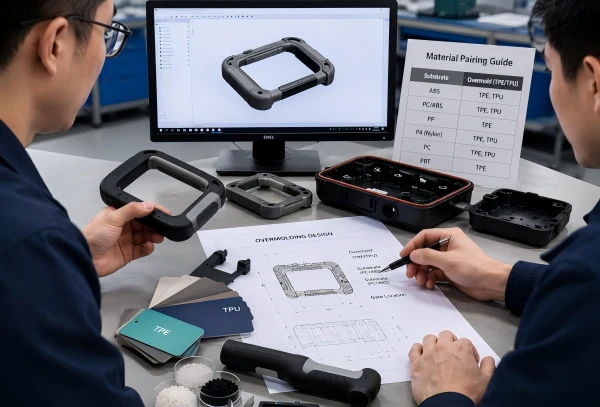
A reliable overmolded part depends on more than adding a soft layer to a rigid substrate. The material combination, bonding method, substrate geometry, overmold thickness, gate location, parting line, 装饰表面, and end-use conditions must be reviewed together.
Rapid Efficient supports custom overmolding projects from early DFM review and material-pairing evaluation to tooling planning, sampling, adjustment, and repeat-production readiness.
Each project is reviewed according to its functional requirements, appearance expectations, 预期数量, and manufacturing priorities to establish a practical production route.
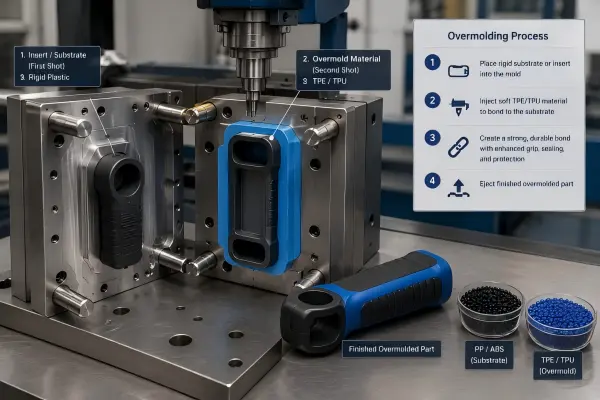
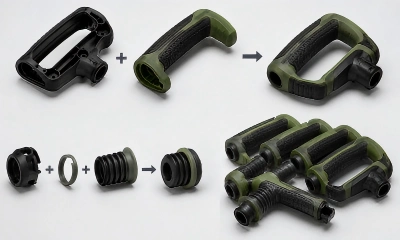
Overmolding is a manufacturing process in which one material is molded over another substrate to create a combined part with improved grip, 密封, 保护, 舒适, 外貌, or functional performance.
The substrate is commonly a rigid plastic component, although suitable metal inserts or other compatible components may also be reviewed depending on the project. A second material, often a softer elastomer or flexible plastic, is then molded over selected areas of the substrate.
A successful overmolding project requires careful evaluation of the material combination, bonding requirements, substrate design, overmold thickness, shut-off areas, gate locations, parting lines, surface expectations, and end-use conditions.
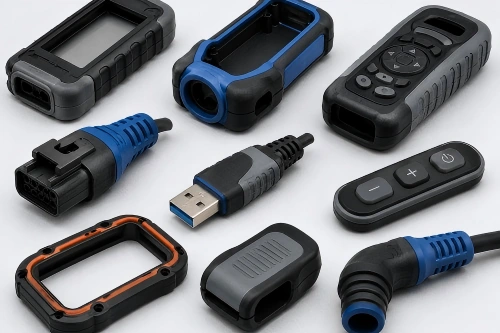
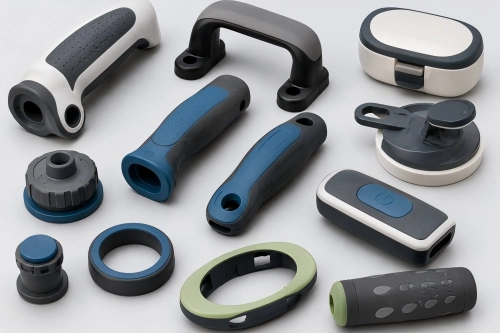
Overmolding is commonly used for handles, grips, 防护罩, sealing areas, 按钮, 外壳, and components that require a combination of structural strength and softer surface performance.
Automotive Components
Overmolding can be used for automotive interior parts, grips, 防护罩, cable-related components, vibration-damping areas, and custom plastic parts that require improved touch, 密封, or protection.
Electronics and Device Housings
Custom overmolding supports electronic housings, handheld devices, 按钮, connector areas, 防护罩, and components that require a rigid structure combined with softer grip or impact protection.
Medical-Device Equipment
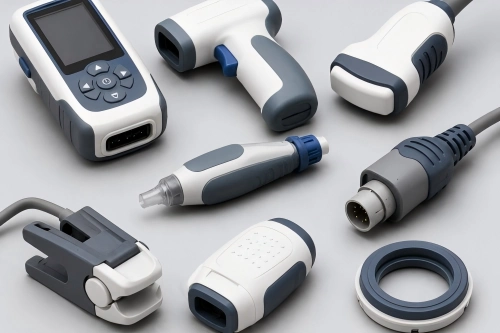
Overmolding can support non-implant medical-device equipment parts, diagnostic instrument housings, handheld components, 防护罩, and ergonomic grip areas where material selection and surface requirements must be reviewed carefully.
Consumer and Household Products
Overmolding is suitable for consumer products, household accessories, handles, 封面, 按钮, and soft-touch areas that require better comfort, improved grip, or a more refined appearance.
运动健身器材
Sports and fitness components often use overmolding to improve grip, 舒适, 抗冲击性, and handling stability for handles, control areas, 防护罩, and wearable or handheld parts.
Protective Covers and Packaging Parts
Overmolding can be used for protective covers, sealing areas, caps, grips, and packaging-related plastic parts that require a combination of structure, surface performance, and functional protection.
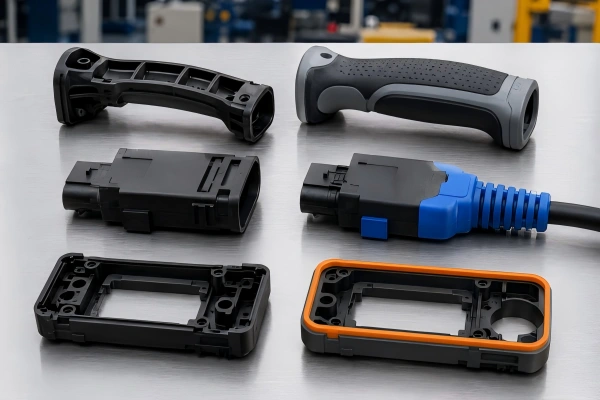
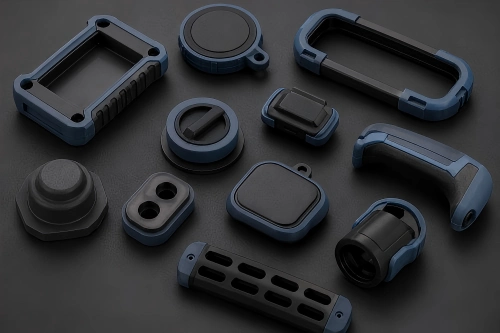
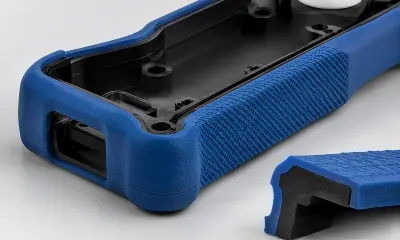
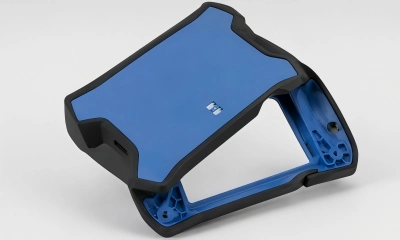
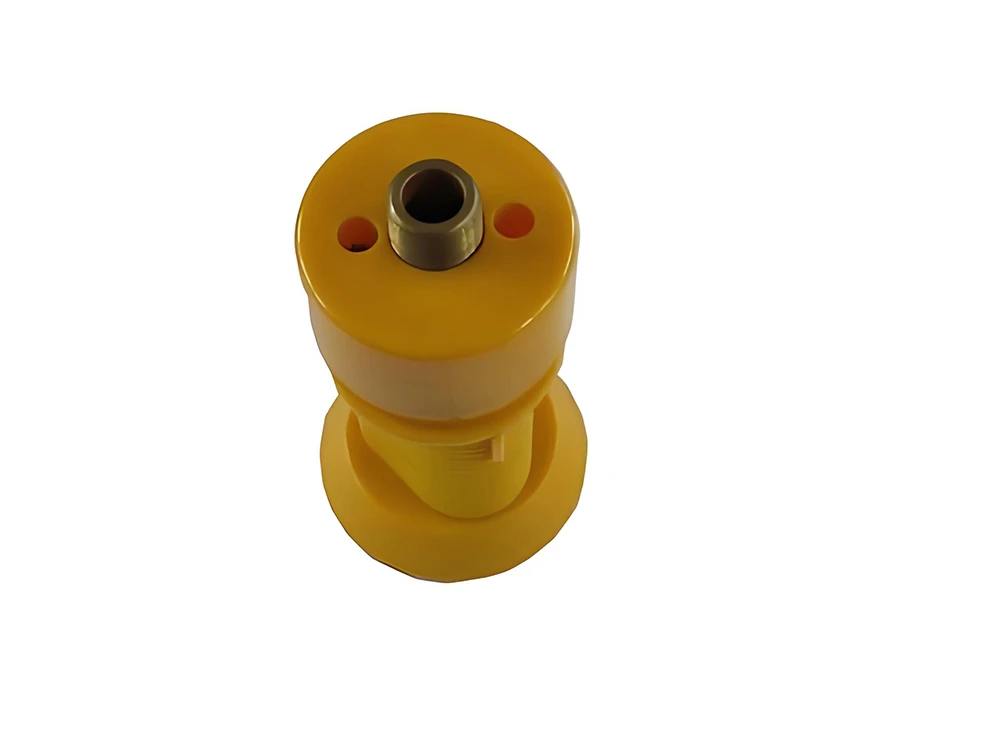
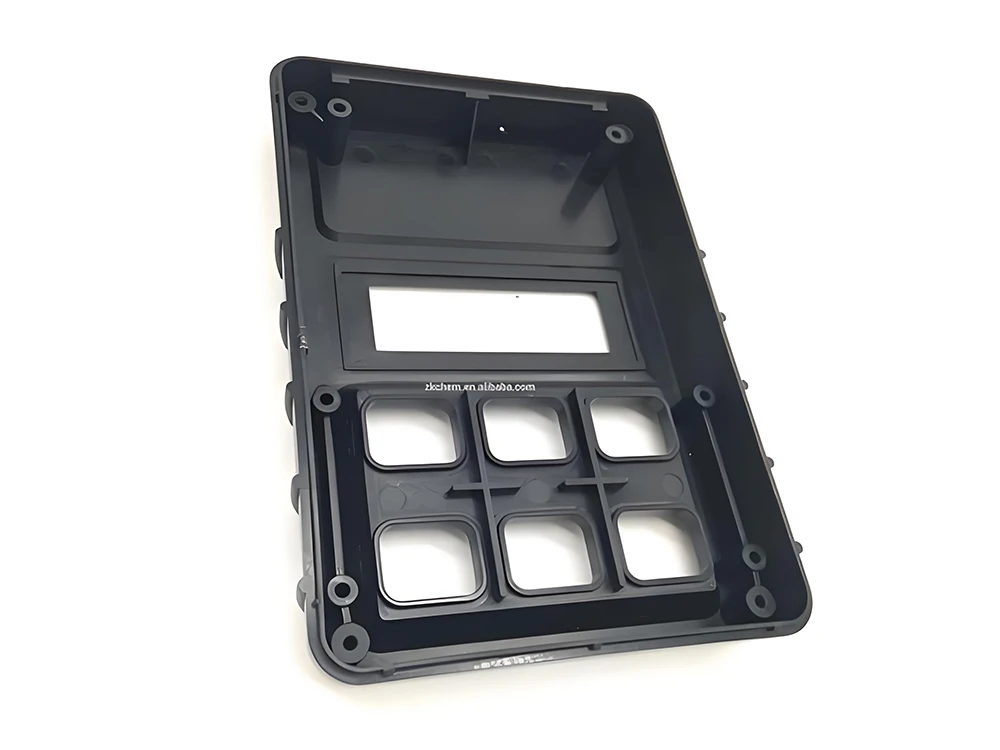
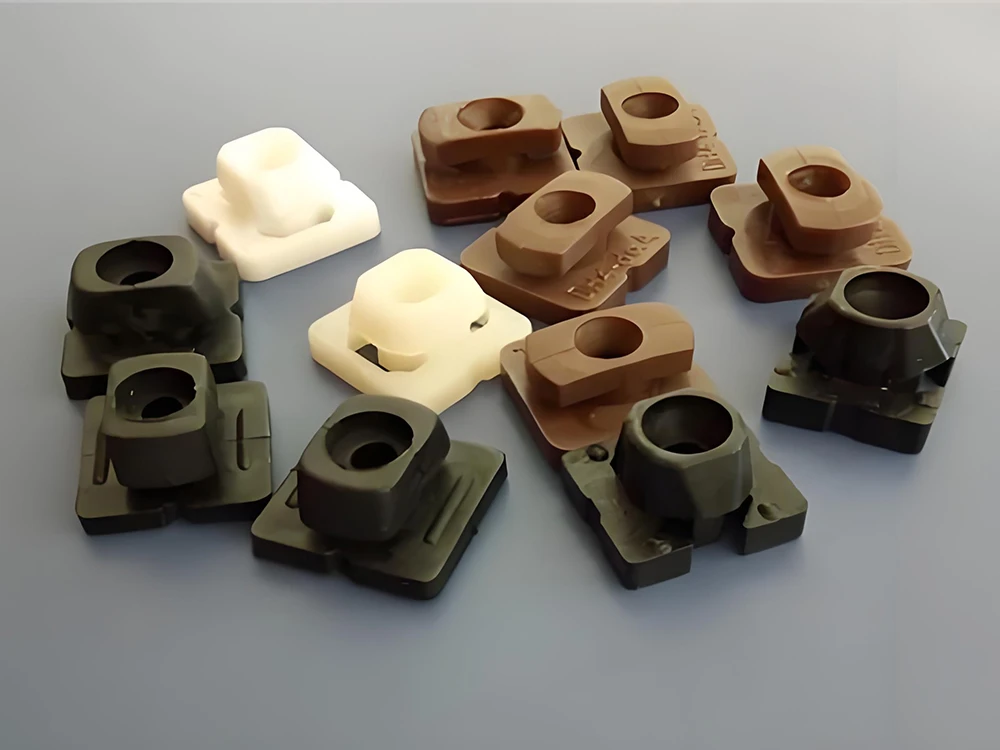
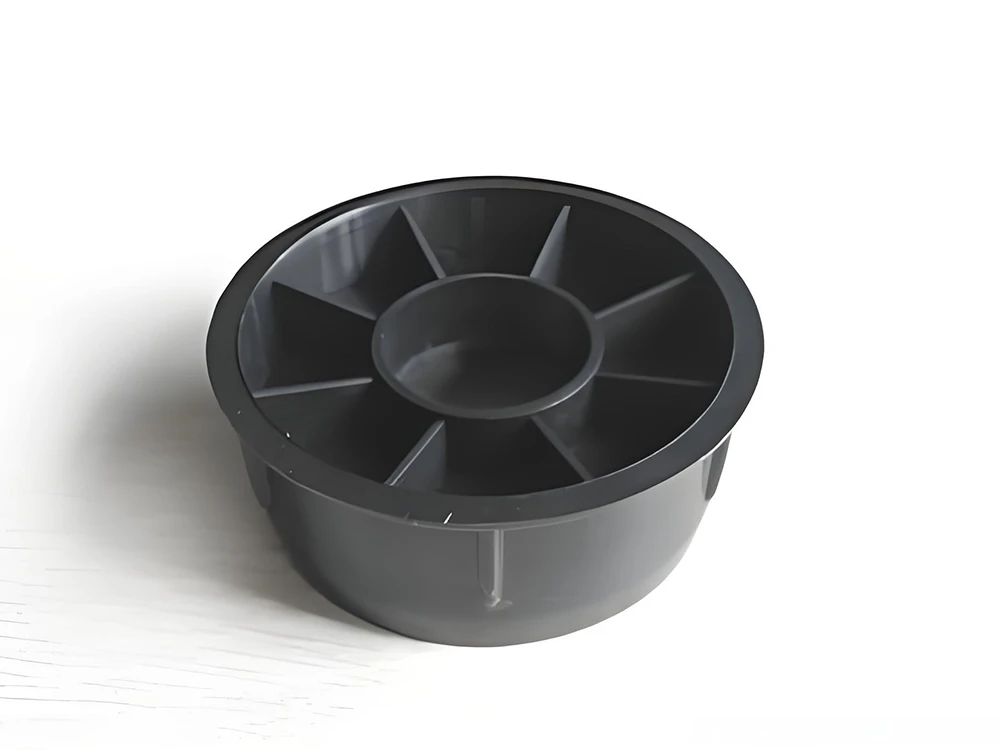
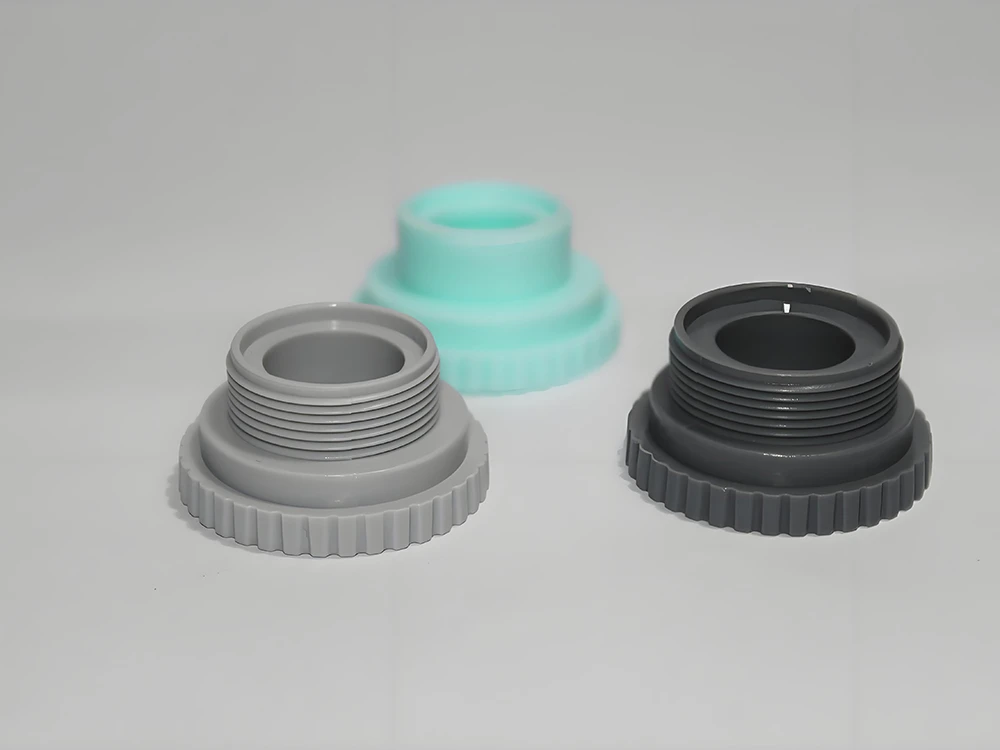
Explore selected overmolded part examples that combine rigid substrates with softer materials for improved grip, 密封, 保护, 舒适, or surface performance.
Each project is reviewed according to the substrate material, overmold material, bonding requirements, 几何学, shut-off areas, gate locations, surface expectations, 预期数量, and end-use conditions.
From early DFM review and tooling planning to sampling, adjustment, and production readiness, the goal is to establish a practical route for stable repeat manufacturing.
Overmolding combines a rigid substrate with a softer material to improve grip, 密封, impact protection, 舒适, or vibration damping.
The most suitable material pairing depends on the substrate, overmold material, bond requirements, 几何学, end-use environment, and expected production volume.
Overmolding can add soft-touch surfaces, non-slip areas, contrasting colors, protective edges, and more comfortable contact points.
A well-planned overmold improves both appearance and usability while keeping the rigid structure of the base component.
Overmolding can combine functional areas into a single component, reducing the need for separate grips, 封面, 密封, or secondary assembly steps.
With suitable tooling and process planning, approved designs can move into stable repeat production with more consistent part quality and fewer assembly operations.
Project requirements and DFM review
1. Define the functional requirements:
Confirm whether the part requires improved grip, 密封, 保护, cushioning, 舒适, 外貌, or impact resistance. Expected quantity, critical dimensions, 装配需求, and end-use conditions should also be reviewed.
2. Review the substrate geometry:
Evaluate the overmold areas, 壁厚, shut-off surfaces, 底切, parting lines, gate locations, 装饰表面, and any features that may affect bonding, 填充, or part release.
Material pairing and bond evaluation
1. Confirm the substrate and overmold materials:
The rigid substrate and softer overmold material must be selected according to the required strength, 灵活性, 硬度, surface feel, 运行环境, and appearance expectations.
2. Evaluate the bonding strategy:
材料兼容性, overmold thickness, surface conditions, mechanical interlocks, and bond requirements are reviewed together. Some material combinations may require additional retention features or further testing before production.
Tooling design and manufacturing planning
1. Plan the mold structure:
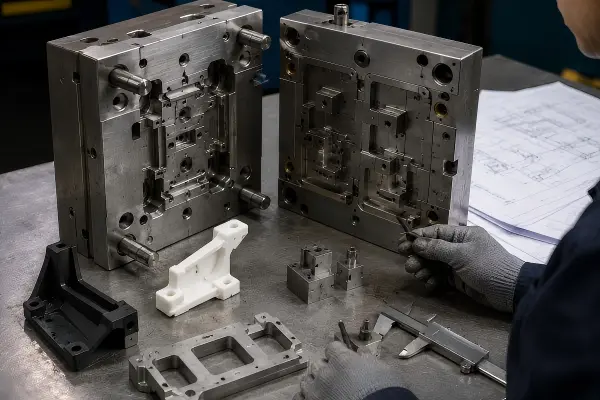
Cavity layout, inserts, shut-off surfaces, 幻灯片, lifters, gate locations, venting, cooling channels, and ejector positions are reviewed according to the part geometry and overmold areas.
2. Reduce avoidable tooling risks:
Parting lines, 装饰表面, filling paths, local thickness changes, and difficult release areas are evaluated before mold manufacturing begins to reduce unnecessary adjustments during sampling.
T1 sampling and process adjustment
1. Produce and review T1 samples:
Initial samples are evaluated for bond quality, coverage, flash, short shots, flow marks, sink marks, warpage, 表面外观, 方面, and part-release performance.
2. Adjust the manufacturing route:
Based on the T1 results, the mold structure, gate design, venting, 温度, 压力, 注射速度, cooling time, or material strategy may be adjusted before repeat sampling and approval.
Inspection and production readiness
1. Inspect the approved samples:
Key dimensions, overmold coverage, bond quality, 表面外观, 合身, and functional requirements are checked according to the project priorities.
2. Confirm readiness for repeat production:
After sample approval, the production route is reviewed for consistency, inspection planning, tooling maintenance, and repeat-order readiness.
您是否需要一次性的功能原型, 小批量, 或重复生产零件, Rapid Efficient可协调加工路线, 检查计划, 表面饰面, 包装, 以及围绕您的项目要求的交付时间表.
通过原型 CNC 加工,更快地从图纸审查转向功能部件, 设计验证, 组装测试, 及工程评价.
对于合适的项目, 可以安排加急交货,起价至少为 3 工作日.
通过灵活的小批量 CNC 加工缩小原型批准和重复生产之间的差距.
我们协调材料选择, 加工, 尺寸检验, 表面处理, 和包装以保持每批次的稳定质量.
对于重复订单, 我们专注于图纸修订控制, 材料一致性, 关键特征检查, 表面光洁度稳定性, 和实际的交付计划.
目标很简单: 可靠的零件, 响应式沟通, 和稳定的供应.
上传您的绘图
Secure file upload. Fast quotation and machining review for your custom CNC parts.
Poor Bonding Between the Substrate and Overmold
Risk:
The softer overmold may peel, separate, or fail to bond reliably with the rigid substrate.
Common causes:
Material incompatibility, insufficient mechanical retention, unsuitable surface conditions, contamination, or poorly controlled molding parameters can reduce bond quality.
How we address it:
The substrate material, overmold material, bond requirements, surface conditions, overmold thickness, and potential mechanical interlocks are reviewed during the DFM stage. T1 samples are then evaluated to determine whether the material pairing, tooling details, or process parameters require adjustment.
表面缺陷
Risk:
Flow marks, sink marks, flash, bubbles, incomplete coverage, visible gate areas, or inconsistent surface texture may affect the appearance and performance of the finished part.
Common causes:
Gate placement, venting, local wall thickness, shut-off design, material flow, 温度, 压力, 注射速度, and cooling conditions can all influence surface quality.
How we address it:
Gate locations, shut-off areas, venting, filling paths, 装饰表面, and local thickness changes are reviewed before tooling begins. T1 samples are inspected to identify whether tooling changes or process adjustments are required.
Dimensional Variation
Risk:
The finished part may not meet the expected dimensions, 装配配合, or functional requirements after overmolding.
Common causes:
Material shrinkage, uneven cooling, substrate deformation, inconsistent overmold thickness, tooling variation, and unstable process conditions can affect dimensional accuracy.
How we address it:
关键尺寸, assembly interfaces, overmold areas, 壁厚, and cooling conditions are reviewed during project planning. T1 samples are measured and evaluated before deciding whether the mold, 过程参数, or part design requires adjustment.
Color Variation
Risk:
The overmold color may appear inconsistent with the approved sample, the substrate, or other parts from the same production run.
Common causes:
Material batches, pigment dispersion, overheating, residence time, temperature variation, and inconsistent molding conditions may affect the final appearance.
How we address it:
Color expectations, material batches, sample references, and surface requirements are reviewed according to the project needs. During sampling and repeat production, the molding conditions are monitored to improve consistency and reduce avoidable variation.
Rapid Efficient supports custom overmolding projects across a wide range of industries. Each project is reviewed according to its substrate material, overmold material, bonding requirements, 几何学, surface expectations, 预期数量, and end-use priorities.