Injection Mold Tooling Services
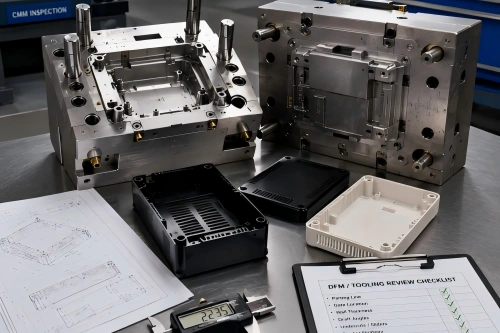
Rapid Efficient provides injection mold tooling services for custom plastic parts, from early DFM review and mold-development planning to T1 sampling, mold adjustment, and production readiness.
报价前, we review the part geometry, resin requirements, 预期数量, 壁厚, 草稿角, 底切, 装饰表面, cavity strategy, tooling route, and delivery priorities to identify a practical mold-development plan.
Upload Your Part Design for Mold Tooling Review
DFM Review
Tooling Strategy
T1 Sample Support
Injection Mold Development from DFM Review to T1 Approval
A reliable injection mold begins with a practical understanding of the finished plastic part, expected production volume, resin behavior, assembly requirements, and appearance standards.
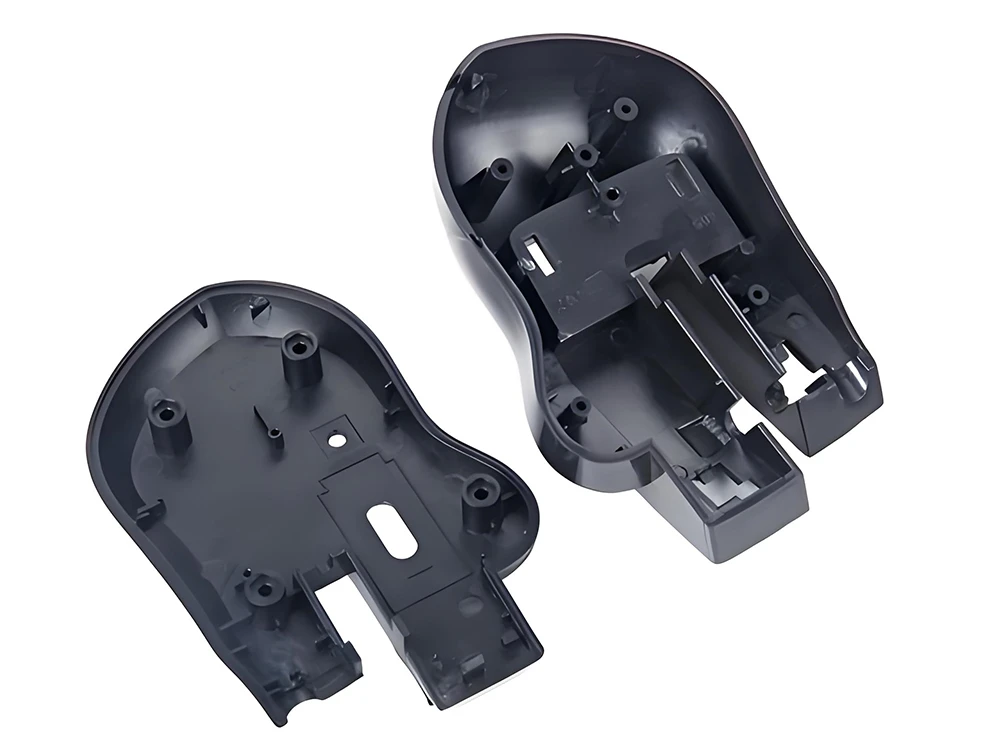
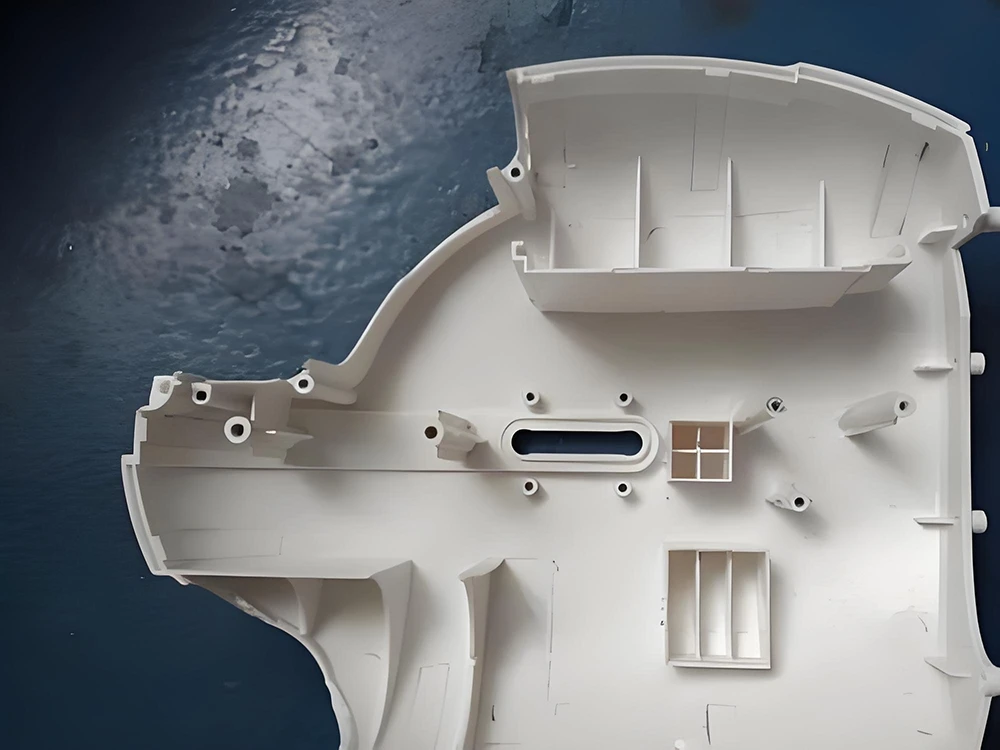
Before mold manufacturing, Rapid Efficient reviews wall thickness, 草稿角, 肋骨, bosses, snap fits, screw posts, 底切, parting lines, gate locations, ejector marks, 装饰表面, shrinkage risks, and warpage risks.
The tooling route is then planned according to the part geometry, cavity strategy, mold structure, resin selection, expected mold life, 产量, 表面要求, and long-term manufacturing plan.
From DFM review and mold development to T1 sampling, mold adjustment, and production readiness, we focus on reducing avoidable changes and improving the stability of repeat production.
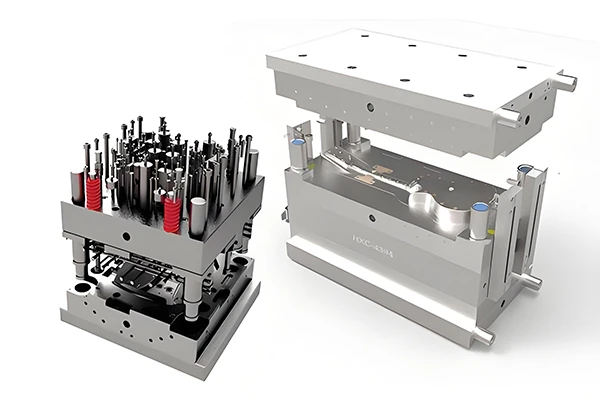
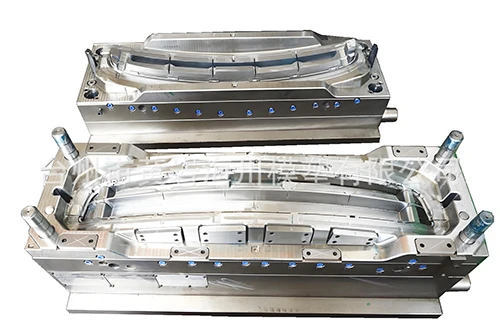
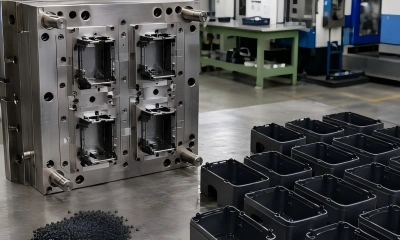
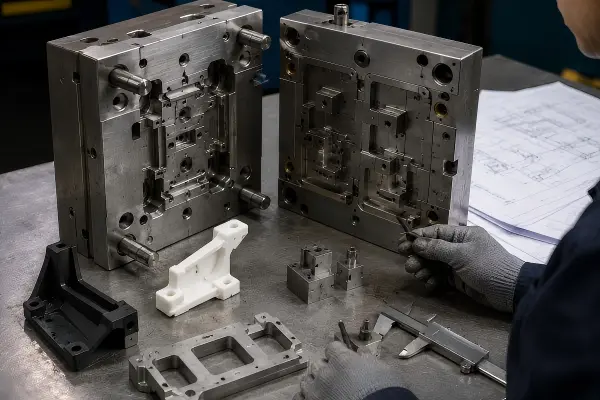
Injection mold tooling refers to the custom mold system used to produce repeatable plastic parts through injection molding. The mold defines the shape, surface details, assembly features, and many of the dimensional characteristics of the finished component.
A reliable injection mold is not simply a cavity cut into metal. Its structure must be planned according to the plastic part design, resin behavior, expected production quantity, 外观要求, 装配需求, and long-term manufacturing goals.
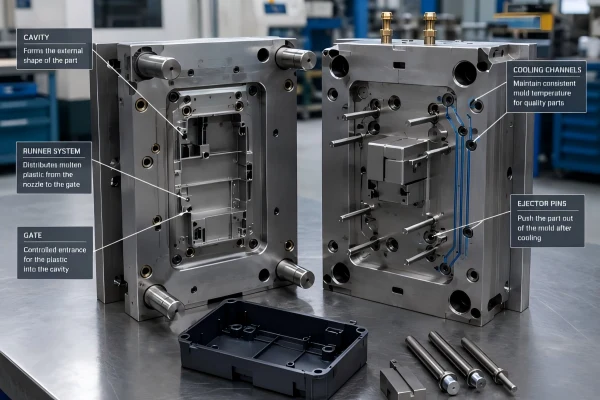
Key elements of an injection mold may include:
1. Core and Cavity
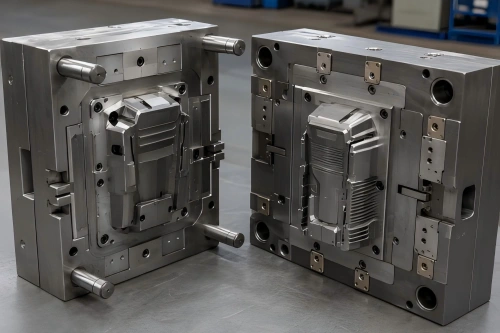
The core and cavity form the main geometry of the plastic part. Their design affects dimensions, 壁厚, 表面质量, release conditions, and the repeatability of the molded component.
2. Parting Line, Sliders, Lifters, and Inserts
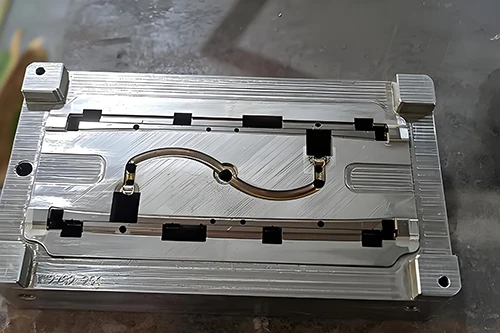
The parting line determines how the mold opens and where visible seams may appear. Side actions, 滑块, lifters, and inserts may be required for undercuts, 孔, clips, 线程, or complex assembly features.
3. Runner and Gate Design
The runner and gate system controls how molten resin flows into the mold cavity. Gate type and location can affect filling behavior, 焊接线, sink marks, visible gate marks, 表面外观, 和尺寸稳定性.
4. Cooling and Ejection Systems
Cooling channels help control cycle time, shrinkage, and warpage. The ejection system must release the molded part without damaging cosmetic surfaces, 薄壁, 肋骨, bosses, or other critical features.
5. Mold Material and Tooling Strategy
The tooling route should match the expected production volume, resin type, mold life, cavity strategy, 表面要求, 和预算. A prototype-oriented mold and a repeat-production mold may require different structures and material choices.
Before mold manufacturing begins, Rapid Efficient reviews the 3D model, 绘画, resin requirements, 预期数量, 壁厚, 草稿角, 底切, 装饰表面, and assembly relationships.
After the mold is completed, T1 samples are reviewed for dimensions, 外貌, 合身, molding stability, and production readiness. Where necessary, the mold can be adjusted before repeat production begins.
Automotive Component Tooling
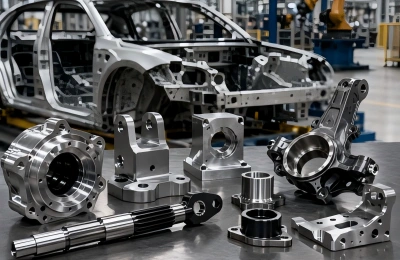
Injection mold tooling for automotive and transportation components, including housings, 括号, 封面, clips, 连接器, interior parts, and assembly-related plastic components.
Projects are reviewed according to resin requirements, 尺寸稳定性, 耐热性, 表面外观, fastening features, 装配配合, cavity strategy, and expected production volume.
Electronic Enclosure Tooling
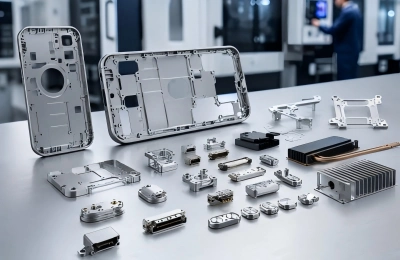
Custom mold tooling for electronic and communication-equipment housings, 封面, 框架, 括号, 按钮, 连接器, and appearance-sensitive plastic parts.
Important considerations may include wall thickness, 肋骨, bosses, snap fits, screw posts, 装饰表面, gate locations, ejector marks, 耐热性, and assembly relationships.
Industrial Plastic Component Tooling
Injection mold development for industrial-equipment and automation components, including guards, 封面, handles, knobs, 括号, 固定装置, 连接器, and assembly-related plastic parts.
The tooling route is reviewed according to mechanical load, 物质行为, 壁厚, 底切, inserts, 滑块, fastening features, 表面要求, and repeat-production needs.
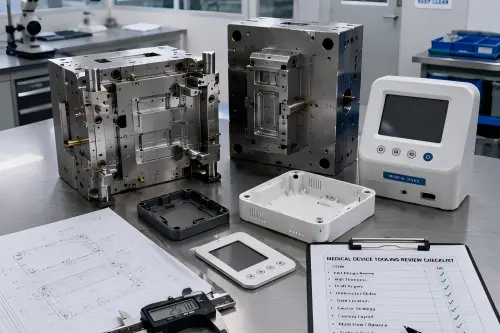
Medical-Device Equipment Tooling
Custom mold tooling for medical-device equipment, 诊断仪器, 实验室系统, 外壳, 封面, 固定装置, 适配器, and other non-implant plastic components.
Projects are reviewed according to resin requirements, 尺寸控制, cleanliness expectations, 表面质量, inspection priorities, 装配需求, and packaging conditions.
Multi-Cavity Tooling for Repeat Production
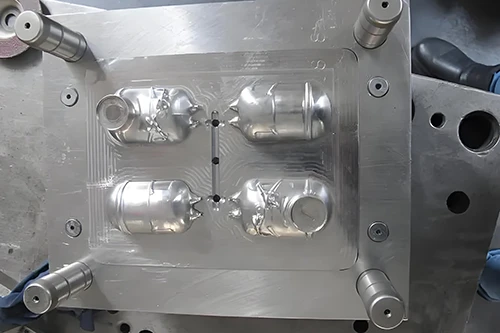
Multi-cavity mold tooling can improve production efficiency when the part design, 预期数量, resin behavior, and quality requirements support this route.
Before mold development, we review cavity layout, filling balance, gate design, cooling strategy, ejection conditions, dimensional consistency, mold life, and long-term production planning.
Packaging and Container Tooling
Injection mold tooling for custom caps, closures, 容器, trays, 防护罩, product enclosures, and packaging-related plastic components.
Depending on the application, we review resin suitability, 壁厚, sealing features, cavity strategy, cooling conditions, 外观要求, dimensional consistency, and expected production volume.
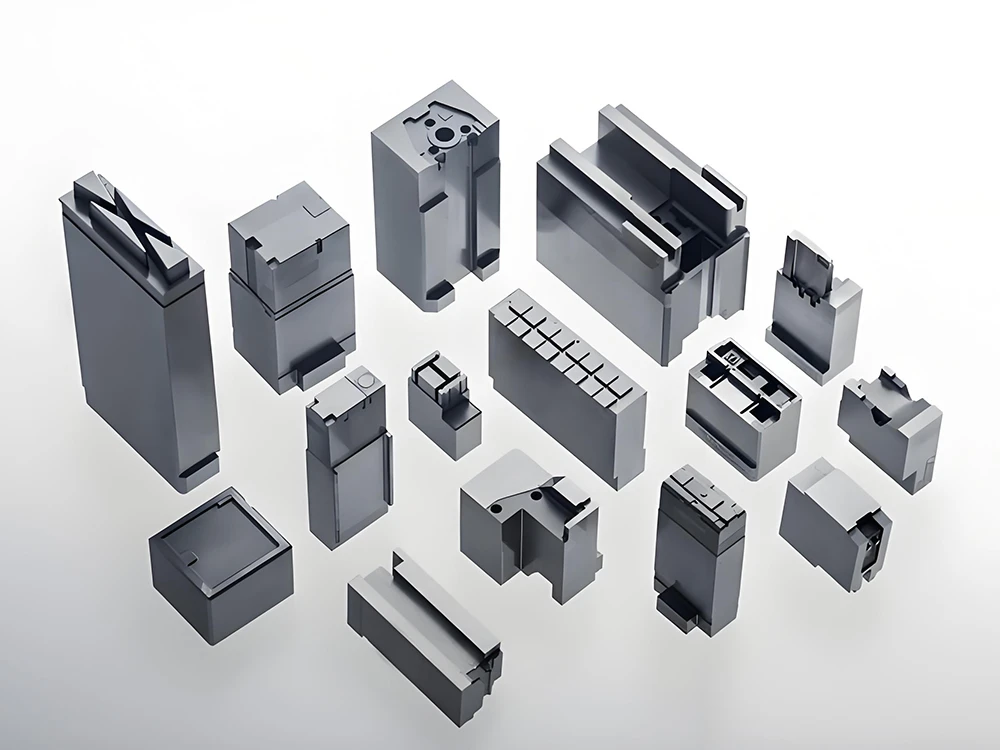
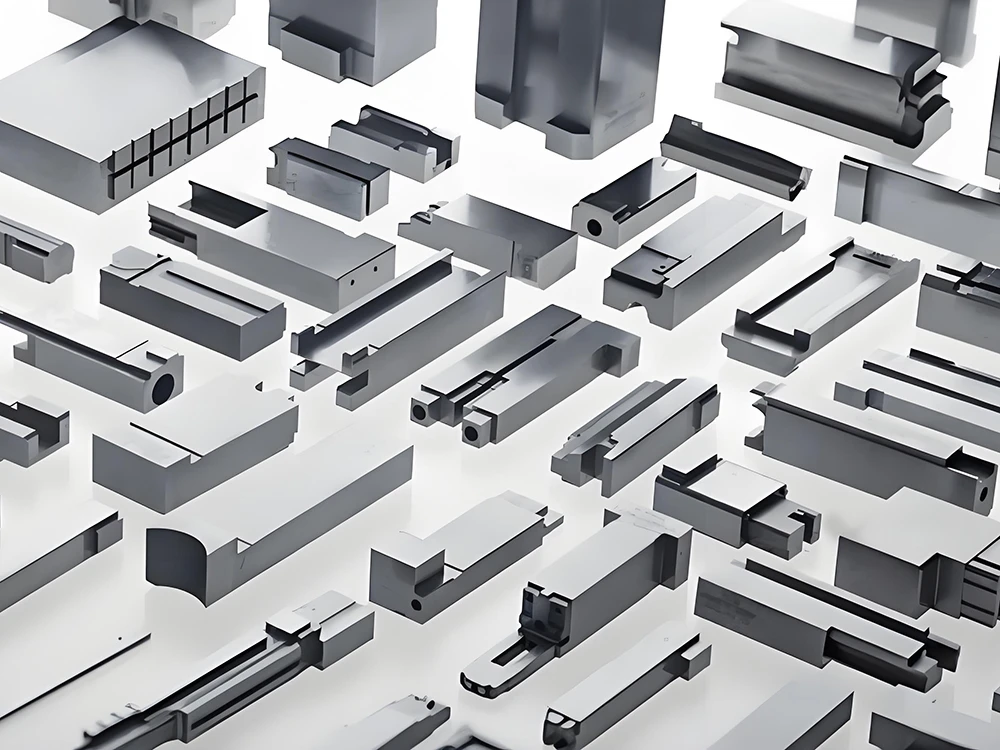
Explore selected injection mold tooling examples for custom plastic parts. Each project is reviewed according to the part geometry, resin requirements, 预期数量, cavity strategy, surface expectations, mold-life requirements, and repeat-production priorities.
From early DFM review and mold-development planning to T1 sampling, adjustment, and production readiness, the goal is to reduce avoidable revisions and establish a practical tooling route for stable manufacturing.
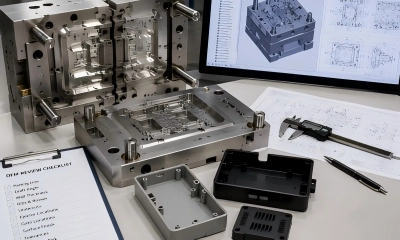
A practical mold-development plan begins with a detailed DFM review. Before tooling starts, we evaluate wall thickness, 草稿角, 肋骨, bosses, 底切, parting lines, gate locations, ejector positions, 装饰表面, and potential warpage risks.
Identifying these issues early helps reduce avoidable changes during T1 sampling and shortens the path from mold development to production readiness.
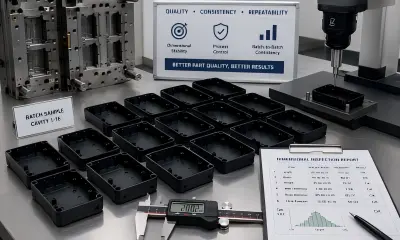
The quality of the mold directly affects the consistency of the finished plastic parts. Mold structure, cavity layout, gate design, cooling strategy, ejector arrangement, and material selection all influence dimensional stability, 表面外观, shrinkage, and warpage control.
A well-planned injection mold supports more stable results across repeat production and helps reduce variation between batches.
The most suitable tooling route is not always the most complex one. It should be planned according to the part geometry, resin requirements, 预期数量, cavity strategy, mold-life expectations, maintenance needs, and long-term production plan.
A practical tooling strategy helps avoid unnecessary over-engineering while reducing the risk of preventable rework, inconsistent output, and unexpected production downtime.
DFM审查
1. Review the part requirements:
Before tooling begins, we review the part geometry, resin requirements, 预期数量, critical dimensions, 装配需求, appearance standards, and delivery priorities.
2. Identify molding risks early:
壁厚, 草稿角, 肋骨, bosses, snap fits, 底切, parting lines, gate areas, ejector locations, shrinkage, and warpage risks are evaluated before mold development starts.
Resin and tooling strategy
1. Confirm the resin requirements:
The selected plastic material influences flow behavior, shrinkage, 冷却, 尺寸稳定性, 表面外观, and the overall mold design.
2. Plan the tooling route:
Cavity count, mold structure, gate type, cooling layout, insert strategy, tooling materials, expected mold life, 表面要求, and production volume are reviewed together.
模具制造
1. Manufacture the mold components:
核心, cavity, inserts, 幻灯片, lifters, and other required components are produced according to the approved tooling plan.
2. Assemble and inspect the mold:
Key dimensions, parting surfaces, component fit, moving mechanisms, cooling channels, and ejector operation are checked before trial molding begins.
T1 sampling and adjustment
1. Produce T1 samples:
Initial samples are molded under controlled conditions to evaluate dimensions, 表面外观, filling behavior, shrinkage, flash, sink marks, 焊接线, warpage, and ejection performance.
2. Review and adjust:
Based on the T1 results, we determine whether the mold, 过程参数, or part design requires adjustment before repeat sampling and approval.
Production readiness
1. Confirm production readiness:
After sample approval, the tooling route is reviewed for stable repeat production, including cycle consistency, part quality, maintenance needs, 和检查计划.
2. Prepare for future production runs:
Final tooling records support repeat orders, 质量控制, mold maintenance, and practical long-term production management.
您是否需要一次性的功能原型, 小批量, 或重复生产零件, Rapid Efficient可协调加工路线, 检查计划, 表面饰面, 包装, 以及围绕您的项目要求的交付时间表.
通过原型 CNC 加工,更快地从图纸审查转向功能部件, 设计验证, 组装测试, 及工程评价.
对于合适的项目, 可以安排加急交货,起价至少为 3 工作日.
通过灵活的小批量 CNC 加工缩小原型批准和重复生产之间的差距.
我们协调材料选择, 加工, 尺寸检验, 表面处理, 和包装以保持每批次的稳定质量.
对于重复订单, 我们专注于图纸修订控制, 材料一致性, 关键特征检查, 表面光洁度稳定性, 和实际的交付计划.
目标很简单: 可靠的零件, 响应式沟通, 和稳定的供应.
Secure file upload. Fast quotation and machining review for your custom CNC parts.
Part design and DFM risks
1. Insufficient draft angles
Risk: Parts may be difficult to release from the mold, increasing the possibility of drag marks, 形变, or ejection problems.
How we address it: Draft requirements are reviewed according to the resin, surface texture, part depth, and ejection direction before tooling begins.
2. Uneven wall thickness
Risk: Large wall-thickness variations can increase the likelihood of sink marks, shrinkage differences, warpage, and inconsistent cooling.
How we address it: 壁厚, 肋骨, bosses, and local transitions are reviewed during DFM planning to identify areas that may require adjustment.
3. Undercuts and complex features
Risk: 底切, snap fits, side holes, and complex geometry may require slides, lifters, inserts, or a revised parting strategy.
How we address it: The mold structure is planned according to the actual geometry, 产量, maintenance needs, and long-term manufacturing priorities.
Mold structure and performance risks
1. Gate and parting-line conflicts
Risk: Poor gate placement or an unsuitable parting line can affect filling behavior, 表面外观, trimming requirements, and assembly-critical areas.
How we address it: Gate locations and parting lines are reviewed according to the part geometry, cosmetic requirements, resin behavior, and production priorities.
2. Cooling imbalance
Risk: Uneven cooling can lead to warpage, dimensional variation, inconsistent cycle performance, and unstable repeat production.
How we address it: Cooling layout is considered together with wall thickness, cavity structure, inserts, and areas where heat may accumulate.
3. Ejection problems
Risk: An unsuitable ejector arrangement may cause deformation, surface marks, sticking, or damage during part release.
How we address it: Ejector locations and release direction are evaluated early, especially for deep cavities, 肋骨, bosses, 装饰表面, and thin-wall areas.
T1 sampling and production-readiness risks
1. Dimensional variation
Risk: T1 samples may reveal shrinkage differences, warpage, fit issues, or dimensional deviations that were not fully visible during the initial review.
How we address it: Sample dimensions, 装配条件, and critical features are reviewed before deciding whether mold adjustment, 流程优化, or design refinement is required.
2. Surface and filling defects
Risk: 缩痕, 焊接线, flash, short shots, flow marks, and visible gate areas can affect appearance and functional performance.
How we address it: T1 results are reviewed together with the mold structure, resin behavior, gate design, venting, 冷却, and molding parameters.
3. Repeat-production stability
Risk: A mold may produce acceptable initial samples but still require further review before stable batch production.
How we address it: Production readiness is evaluated according to sample quality, cycle consistency, mold condition, maintenance needs, inspection planning, and repeat-order expectations.
Rapid Efficient supports custom injection mold tooling for plastic components across a wide range of industries. Each project is reviewed according to its part geometry, resin requirements, tooling strategy, cavity layout, surface expectations, 产量, and long-term manufacturing needs.