CNC铝加工服务
From rapid prototypes and low-volume batches to repeat production, Rapid Efficient provides CNC aluminum machining services for custom housings, 括号, 散热部件, 固定装置, 外壳, and precision mechanical components.

Upload your drawing to review the aluminum grade, 脾气, 几何学, 临界公差, anodizing requirements, 表面饰面, 检查需要, and delivery schedule before quotation.
Upload Your Drawing for Aluminum Machining Review
快速地, Reliable CNC Aluminum Machining
Aluminum is one of our core CNC machining materials. Rapid Efficient supports custom aluminum parts for prototypes, low-volume batches, and repeat production, with fast quotation, practical DFM review, stable machining, coordinated surface finishing, 和检查计划.
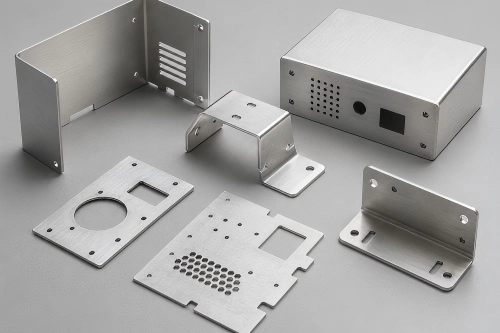
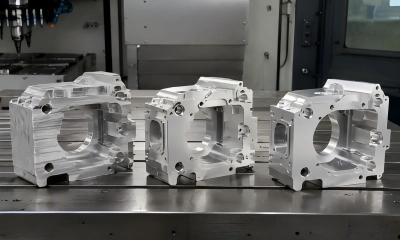
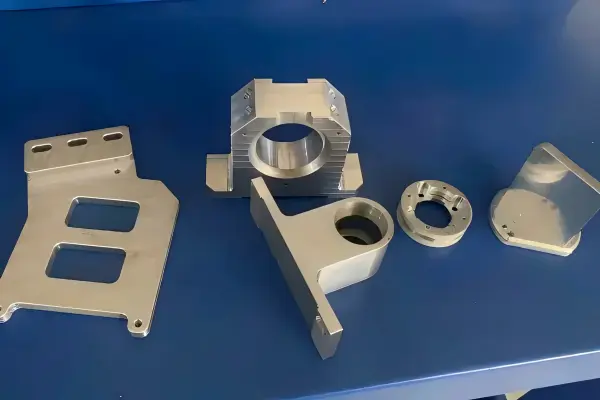
We machine aluminum housings, 括号, 散热器, 外壳, 固定装置, 适配器, motor-related components, communication-equipment parts, 传感器外壳, and other custom mechanical components.
Before production, we review the alloy grade, 脾气, 库存形式, 壁厚, 口袋深度, flatness requirements, anodizing route, 装饰表面, tolerance priorities, 及检验方法. This helps reduce avoidable deformation, finishing problems, and delivery delays.
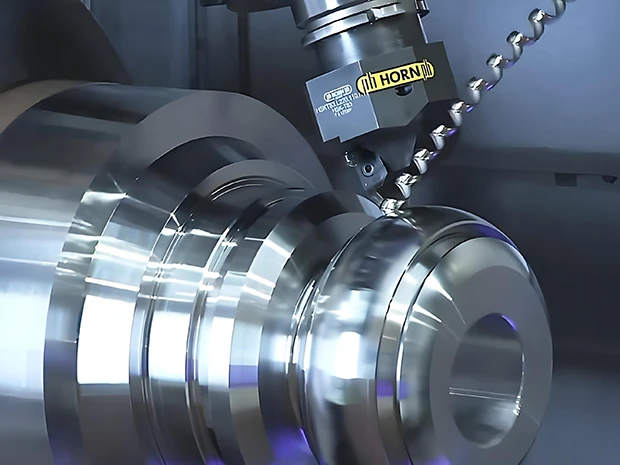
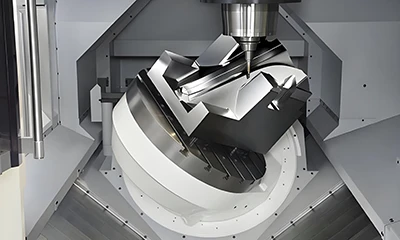
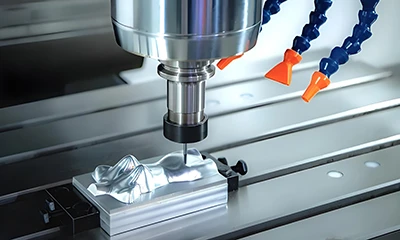
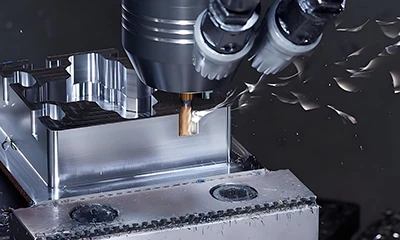
CNC aluminum machining uses programmed cutting tools to produce custom parts from aluminum plate, 酒吧, profiles, or other suitable stock forms. Depending on the geometry, a project may involve milling, 转动, 钻孔, 线程, multi-side machining, 去毛刺, 表面处理, and dimensional inspection.
Aluminum is lightweight, 耐腐蚀, and widely used for housings, 括号, 散热器, 外壳, 固定装置, 适配器, 传感器组件, communication-equipment parts, and other custom mechanical components. 然而, aluminum should not be treated as one generic material.
The machining route may change according to the alloy grade, 脾气, 库存形式, 壁厚, 口袋深度, flatness requirements, 装饰表面, anodizing route, tolerance priorities, and production quantity. A heavily pocketed housing or thin-wall enclosure may require staged machining, symmetrical material removal, controlled clamping, and inspection after unclamping.
Rapid Efficient reviews these risks before quotation to help improve dimensional stability, 表面质量, and delivery speed from prototype development to repeat production.
Choose the alloy according to strength, 耐腐蚀性, 机械加工性, 表面饰面, 及申请要求.
铝 6061
A versatile CNC machining alloy with a strong balance of machinability, 耐腐蚀性, 力量, and finishing compatibility.
6061 is widely used for housings, 括号, 固定装置, 外壳, 适配器, and general mechanical components. It is also a practical choice for anodized parts.
铝 6082
A medium-to-high-strength alloy commonly used for structural and load-bearing components.
6082 offers good machinability and corrosion resistance, making it suitable for brackets, 框架, 固定装置, mechanical supports, and industrial parts requiring higher strength than standard 6061 应用.
铝 6063
An alloy commonly selected for extrusion-based parts and appearance-sensitive components.
6063 offers good corrosion resistance and surface-finishing performance. It is suitable for profiles, 框架, 封面, 装饰件, and components where anodized appearance is important.
铝 7075
A high-strength aluminum alloy with an excellent strength-to-weight ratio.
7075 is suitable for demanding brackets, 固定装置, 结构件, and components exposed to higher mechanical loads. Its corrosion resistance, 可焊性, and finishing requirements should be reviewed before production.
铝 2024
A high-strength aluminum alloy with good fatigue performance.
2024 is often reviewed for structural parts, 固定装置, and mechanically loaded components. Because its corrosion resistance and anodizing behavior differ from common 6000-series alloys, finishing and environmental requirements should be confirmed early.
铝 5052
A corrosion-resistant alloy with good formability and weldability.
5052 is commonly used for sheet-metal and enclosure applications. CNC machining may still be suitable for selected features, but the manufacturing route should be reviewed according to the part geometry and quantity.
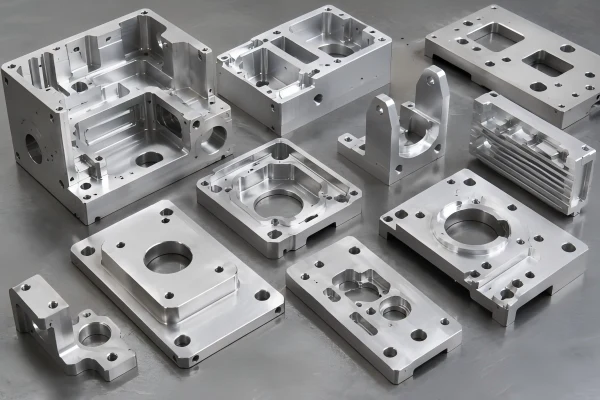
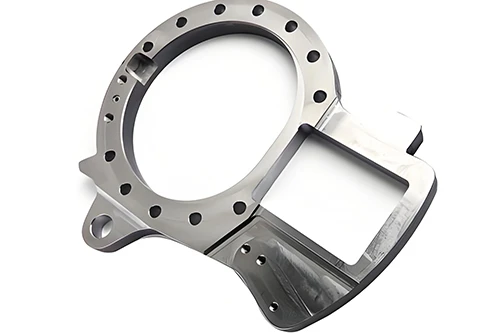
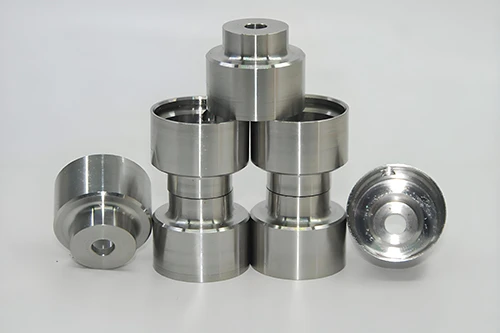
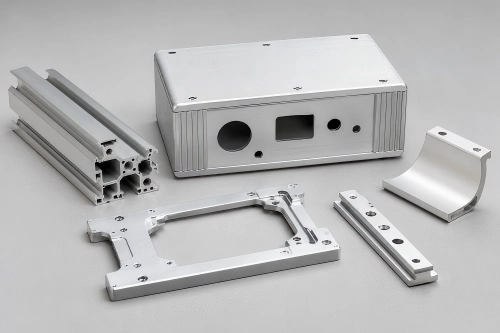
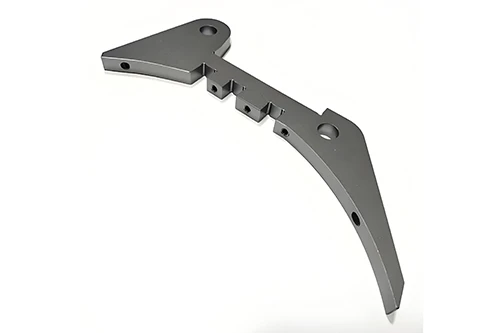
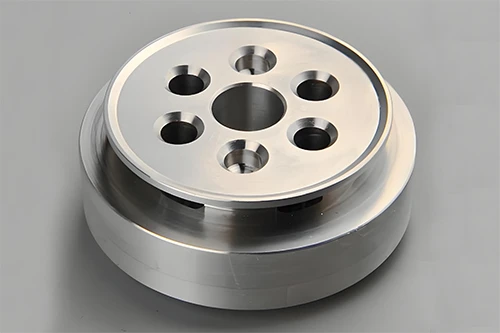
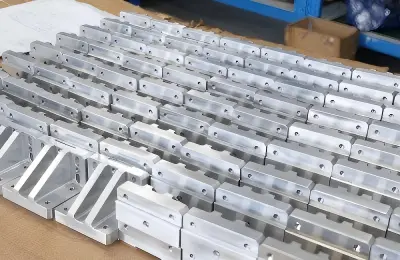
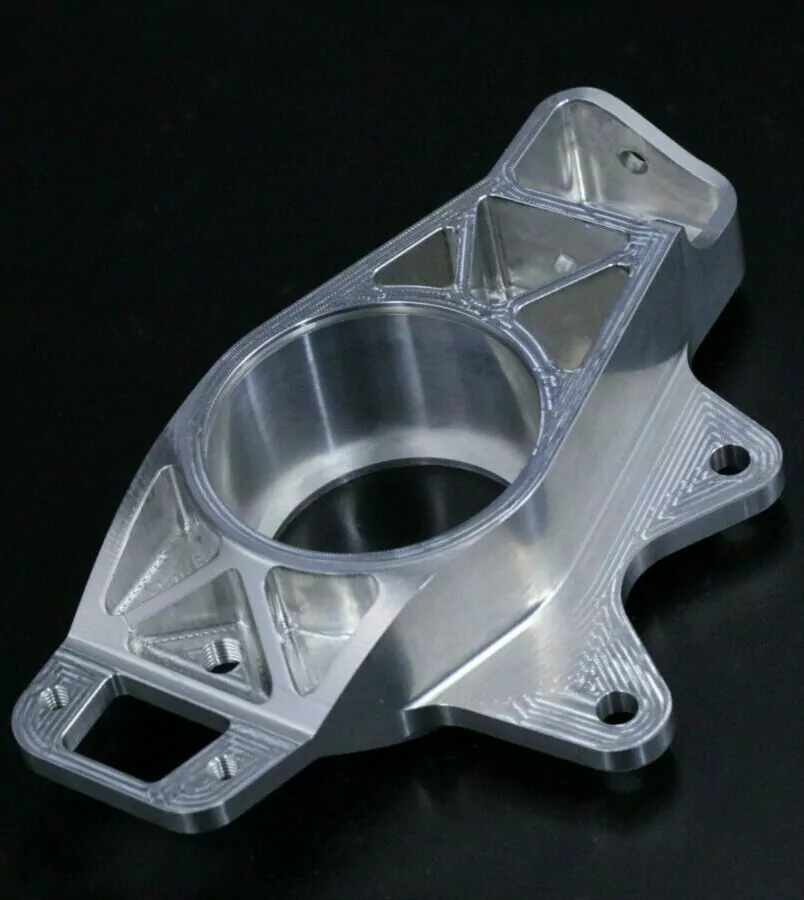
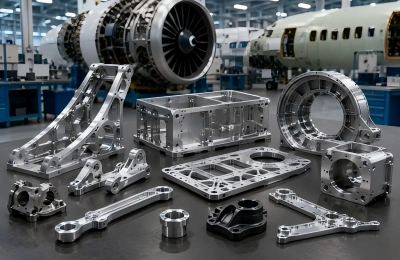
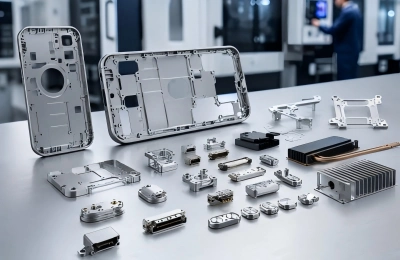
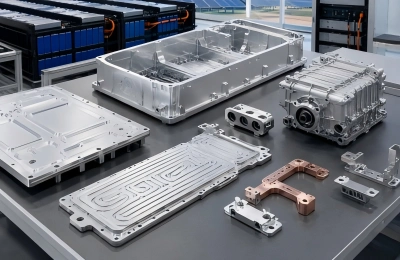
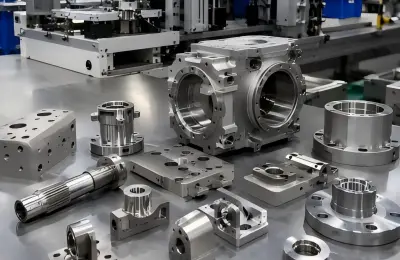
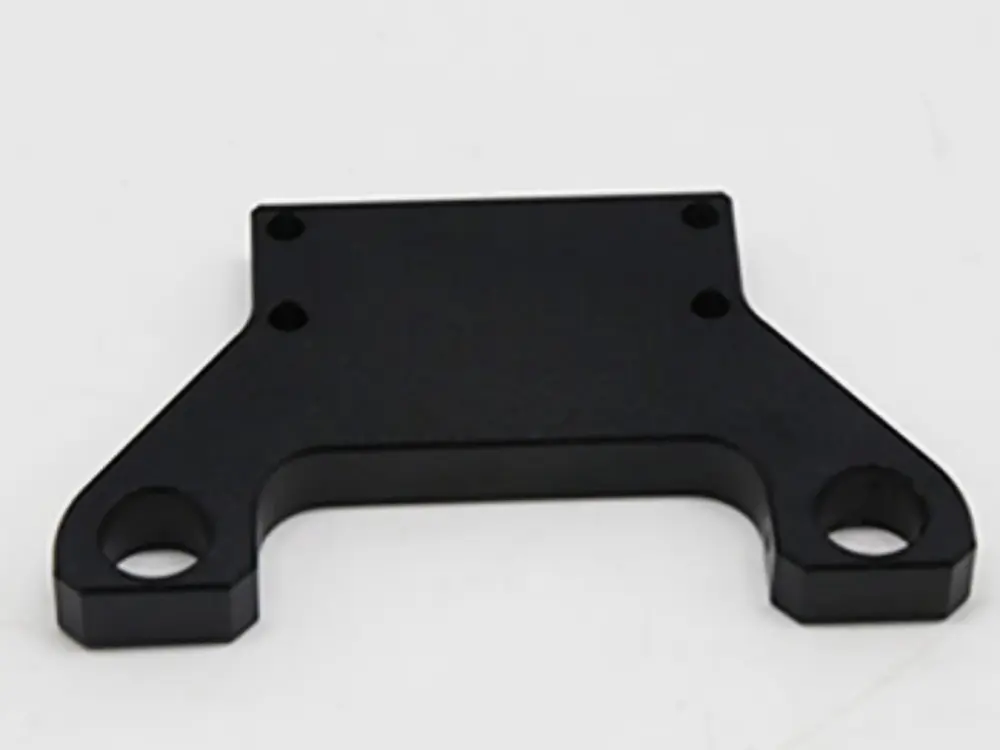
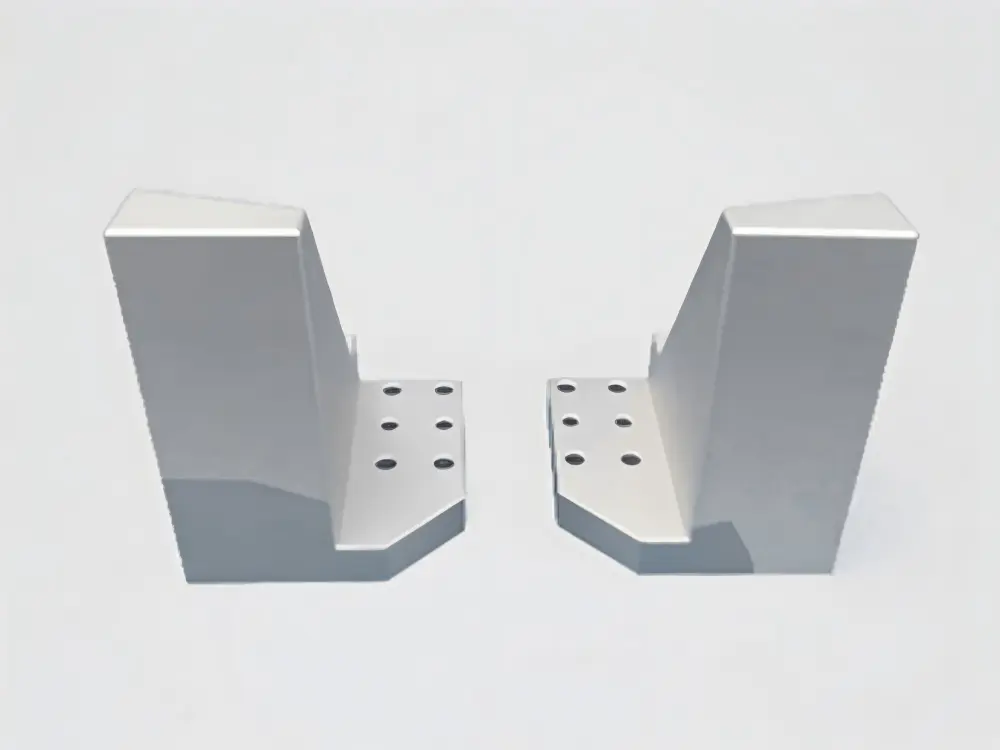
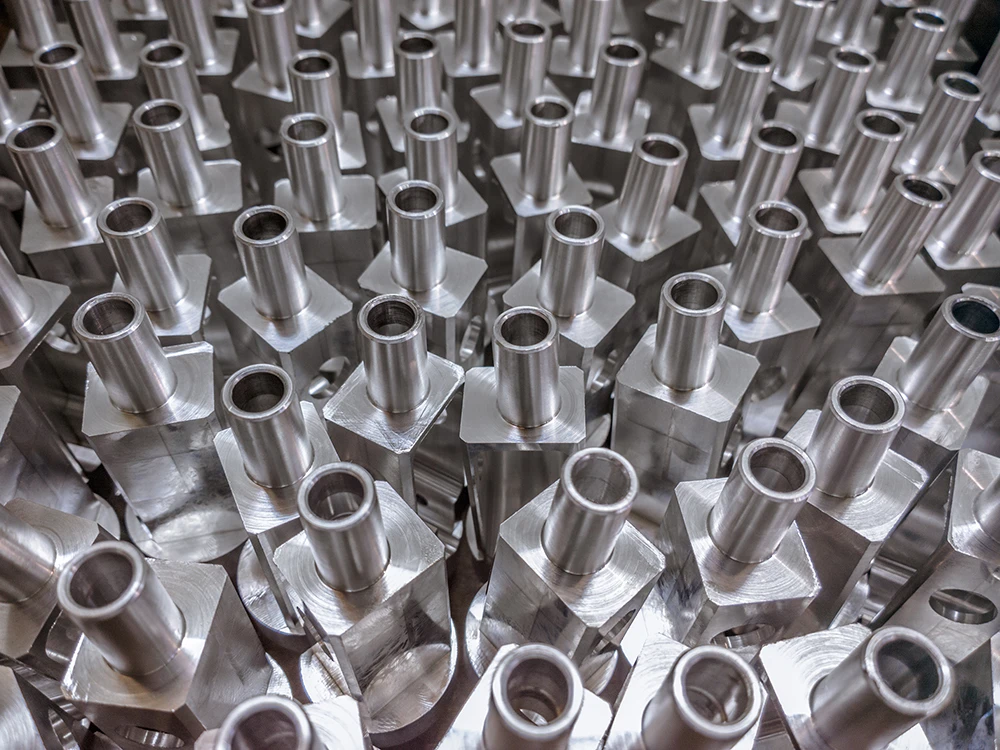
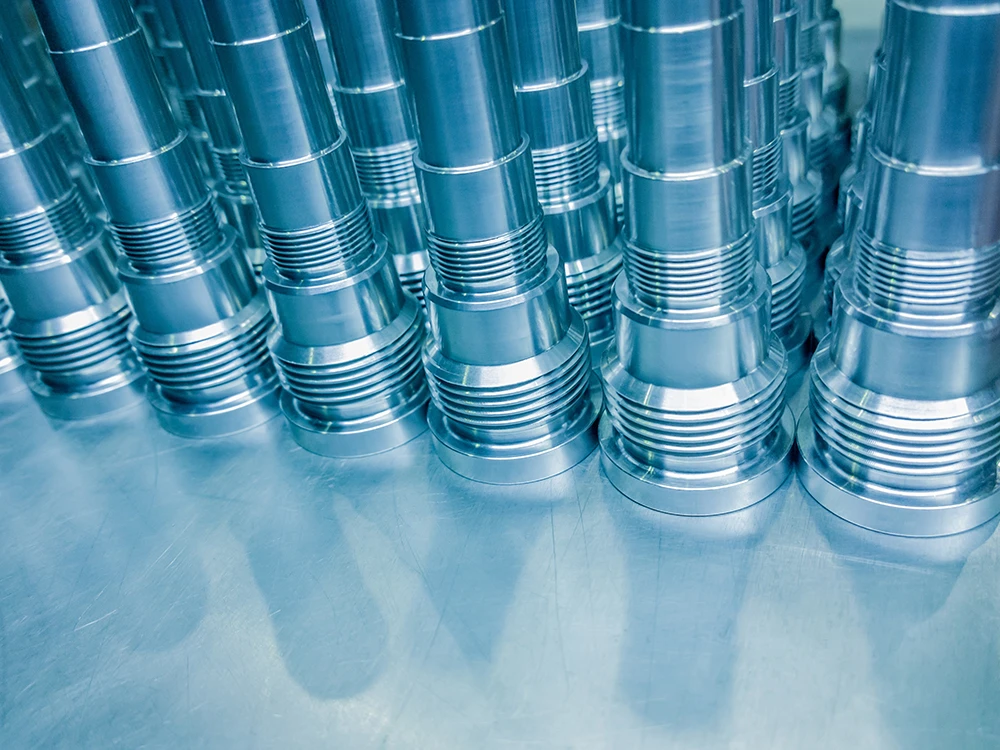
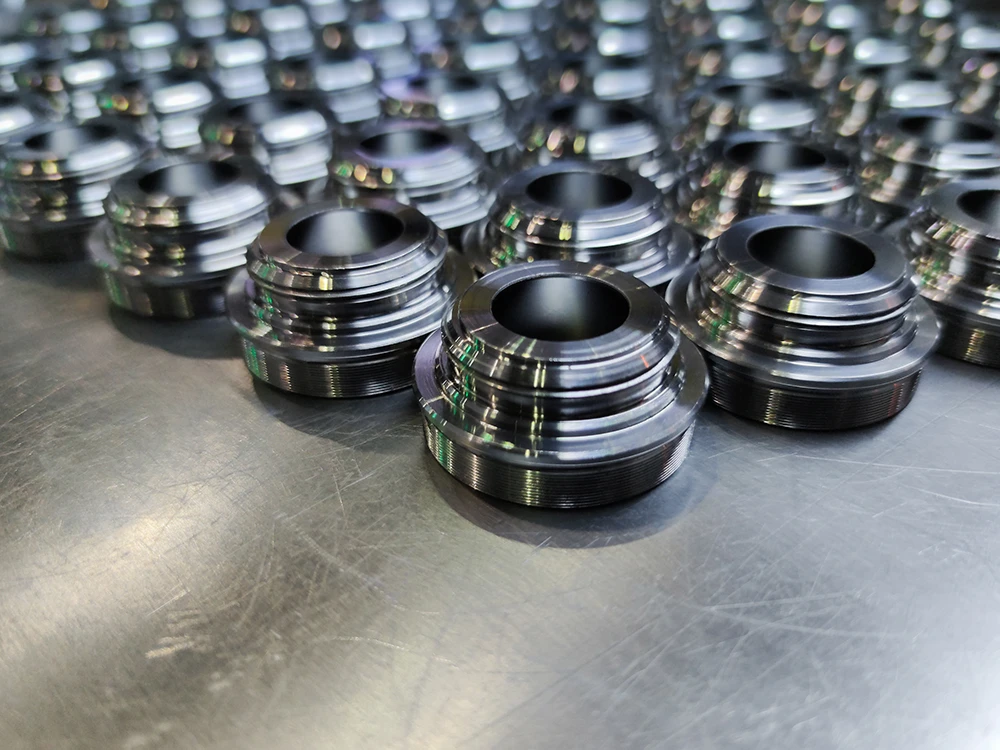
Explore a selection of custom CNC aluminum parts supported by Rapid Efficient, including housings, 括号, flanges, 袖子, heat-dissipation components, 固定装置, 适配器, and repeat-production parts.
Each aluminum project is reviewed according to the alloy grade, 脾气, 几何学, tolerance priorities, 表面光洁度要求, 检查需要, and production quantity. From prototypes to repeat orders, we focus on fast response, stable machining quality, 和实际的交付计划.
Residual stress in aluminum stock can cause deformation as material is removed. For large housings, thin-wall parts, and flatness-sensitive components, the alloy grade, 脾气, 库存形式, and material condition should be reviewed before machining.
Depending on the project, a more stable route may include stress-relieved material, staged roughing, controlled material removal, and inspection after unclamping.
Excessive clamping force can distort thin walls, large pockets, and lightweight aluminum structures during machining.
Use stable datum surfaces, distribute clamping pressure carefully, and add suitable support where required. The goal is to secure the part without forcing it into a temporary shape that changes after unclamping.
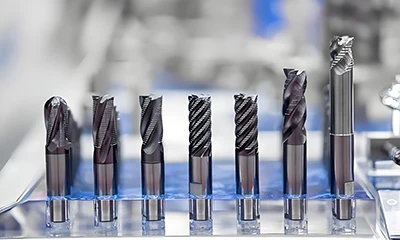
刀具几何形状, sharpness, reach, 主轴速度, 进给率, and depth of cut all influence cutting forces and surface quality.
For thin walls, tall ribs, 深腔, and appearance-sensitive surfaces, the machining plan should reduce unnecessary tool pressure while maintaining efficient material removal and stable finishing passes.
Removing too much material in a single operation can release residual stress and reduce dimensional stability.
适用于复杂的铝制零件, a more controlled route may include roughing, 半精加工, rest periods where appropriate, and final finishing passes after the structure has stabilized. Critical dimensions should be verified after unclamping.
Uneven material removal can increase deformation risk, especially for plates, 外壳, 框架, and heavily pocketed components.
Where the geometry allows it, remove material progressively and symmetrically, avoid concentrating all machining on one side, and plan the sequence around wall thickness, 口袋深度, 基准稳定性, and final inspection requirements.
Review Thin Walls and Large Pockets Early
薄壁, tall ribs, and large pockets can deform under cutting forces, 热, and clamping pressure. The practical wall thickness depends on the alloy grade, 脾气, unsupported height, 几何学, 公差要求, and machining route.
For heavily pocketed housings and lightweight enclosures, review rigidity before production. Staged roughing, symmetrical material removal, controlled clamping, and inspection after unclamping can improve dimensional stability.
Keep Engraving Simple and Finish-Friendly
Logos, serial numbers, part markings, and labels can be added by machining or laser engraving, depending on the appearance requirements and finishing route.
Use clear fonts, practical character sizes, and sufficient spacing. Confirm the marking location, 深度, cosmetic standard, and whether anodizing, 喷砂, or polishing will be applied after machining.
Specify Threads and Blind Holes Clearly
Use standard thread sizes and pitches whenever possible. The drawing should identify the thread standard, nominal size, pitch, through-hole or blind-hole condition, usable engagement length, and any gauge requirements.
Blind threads require additional space for drill-point geometry, 排屑, and thread runout. 小螺纹, anodized parts, and soft aluminum features should be reviewed early to protect thread quality and assembly fit.
Use Practical Internal Radii
标准铣刀是圆形的, so machined pockets naturally leave an internal radius. A very small corner radius may require smaller tools, slower cutting parameters, additional tool changes, and longer cycle times.
使用不影响装配的最大实用半径. When a square or sharp-cornered mating component must fit into a pocket, dog-bone relief may be a more efficient solution.
Review Deep Cavities, Narrow Slots, 和工具访问
深洞, narrow slots, and deep holes can increase tool deflection, 振动, chip-evacuation difficulty, coolant-access risk, and inspection complexity.
Review cavity depth together with opening width, internal radius, tool reach, 壁厚, 和表面光洁度要求. Drilled holes approaching approximately 6×D or deeper should usually be reviewed separately according to the diameter, 宽容, 访问方向, 和设备.
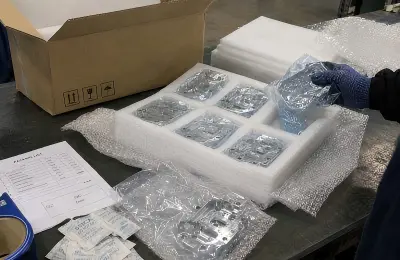
您是否需要一次性的功能原型, 小批量, 或重复生产零件, Rapid Efficient可协调加工路线, 检查计划, 表面饰面, 包装, 以及围绕您的项目要求的交付时间表.
通过原型 CNC 加工,更快地从图纸审查转向功能部件, 设计验证, 组装测试, 及工程评价.
对于合适的项目, 可以安排加急交货,起价至少为 3 工作日.
通过灵活的小批量 CNC 加工缩小原型批准和重复生产之间的差距.
我们协调材料选择, 加工, 尺寸检验, 表面处理, 和包装以保持每批次的稳定质量.
对于重复订单, 我们专注于图纸修订控制, 材料一致性, 关键特征检查, 表面光洁度稳定性, 和实际的交付计划.
目标很简单: 可靠的零件, 响应式沟通, 和稳定的供应.
Secure file upload. Fast quotation and machining review for your custom CNC parts.
Aluminum machines efficiently, but dimensional stability, 表面质量, 刀具磨损, and cycle time still depend on the material condition, 几何学, 夹紧方式, 切割策略, 和检查计划.
The following checks help reduce avoidable risk and maintain fast, stable production.
1: Dimensional Deviation
Dimensional deviation may result from tool wear, incorrect offsets, excessive clamping pressure, 残余应力, or unstable machining sequences.
降低风险:
1. Confirm the drawing, datum scheme, 临界公差, and inspection method before production.
2. Check tool offsets, compensation values, and tool wear throughout machining.
3. Use controlled clamping pressure to avoid temporary distortion.
4. For large pockets and thin-wall parts, use staged roughing and finishing where appropriate.
5. Inspect critical dimensions after unclamping to confirm the final part condition.
2: Surface Finish Inconsistency
Poor surface finish may be caused by worn tools, unsuitable cutting parameters, 振动, 切屑再切削, coolant problems, or unstable workholding.
提高表面质量:
1. Use sharp tools with suitable geometry for the aluminum alloy and feature type.
2. Review spindle speed, 进给率, depth of cut, and finishing allowance.
3. Improve chip evacuation to prevent chips from scratching the machined surface.
4. Reduce vibration by improving tool reach, workholding stability, and cutting strategy.
5. Confirm cosmetic surfaces and finishing requirements before production.
3: Premature Tool Wear
Tool wear can increase machining time, affect dimensions, and reduce surface consistency.
To improve tool life:
1. Select cutting tools according to the aluminum alloy, feature geometry, and machining operation.
2. Avoid unnecessary tool extension and unstable cutting engagement.
3. Use suitable spindle speed, 进给率, 和切削深度.
4. Maintain effective chip evacuation and coolant delivery.
5. Monitor tool condition before critical finishing operations and replace worn tools promptly.
4: Workpiece Deformation
Aluminum housings, 盘子, 框架, and heavily pocketed parts can deform as material is removed or after the part is released from the fixture.
To improve dimensional stability:
1. Review the alloy grade, 脾气, 库存形式, and residual-stress risk before machining.
2. Use staged roughing, 半精加工, and finishing for geometry-sensitive parts.
3. Balance material removal across the part instead of concentrating machining on one side.
4. Control clamping pressure and add suitable support for thin walls and lightweight structures.
5. Inspect critical dimensions after unclamping and allow stabilization time where appropriate.
5: Low Machining Efficiency
Low machining efficiency is often caused by unnecessary setups, very small internal radii, 深腔, narrow slots, unstable tool access, or an inefficient machining sequence.
To improve lead time and cost control:
1. Review the drawing early and remove non-functional complexity where possible.
2. Use practical internal radii to allow larger and more stable cutting tools.
3. Reduce unnecessary tool changes, empty passes, and repeated setups.
4. Match the machining route to the geometry, including multi-axis machining where it genuinely improves access and stability.
5. Confirm tolerance priorities so tight inspection requirements are applied only to functional features.
(1) Fast Production Without Tooling
CNC aluminum machining does not require dedicated molds or long tooling lead times. This makes it a practical choice for rapid prototypes, low-volume batches, design iterations, and repeat production.
对于合适的项目, 可以安排加急交货,起价至少为 3 working days after the drawing, 材料, 数量, and finishing requirements are confirmed.
(2) Strong Strength-to-Weight Performance
Aluminum combines low weight with practical mechanical performance, making it suitable for housings, 括号, heat-dissipation components, 固定装置, 外壳, 适配器, sensor parts, and motor-related components.
Different grades can be selected according to strength, 耐腐蚀性, 机械加工性, 表面外观, 及申请要求.
(3) Stable Machining for Complex Geometry
CNC machining supports pockets, 孔, 线程, 插槽, multiple machined faces, thin-wall structures, and multi-surface parts.
With a suitable machining route, aluminum components can be produced with controlled dimensions, stable surface quality, and repeatable inspection standards from prototype development to repeat orders.
(4) Flexible Surface-Finishing Options
Aluminum is well suited to surface-finishing routes such as anodizing, 硬质阳极氧化, 喷砂, 抛光, 绘画, 粉末涂料, 和激光雕刻.
The finishing route can be reviewed together with cosmetic surfaces, 线程保护, masking requirements, mating faces, sealing areas, 包装, and final inspection.
(1) Residual Stress and Dimensional Stability
Aluminum stock can release residual stress as material is removed. 大口袋, thin-wall housings, 盘子, 框架, and flatness-sensitive parts may deform during machining or after unclamping.
A more stable route may include material-condition review, staged roughing, 平衡材料去除, controlled clamping pressure, 半精加工, final finishing passes, and inspection after unclamping.
(2) 薄壁, 深腔, 和工具访问
薄壁, tall ribs, narrow slots, and deep cavities can increase vibration, 刀具偏转, chip-evacuation difficulty, and surface-finish risk.
The machining route should be reviewed according to wall thickness, unsupported height, cavity depth, internal radius, tool reach, 基准稳定性, and inspection access.
(3) Tolerance Planning for Critical Features
Tight tolerances should be applied where they protect fit, 功能, 密封, 结盟, 或组装.
Features requiring ±0.01 mm or tighter can be reviewed individually according to geometry, alloy grade, 基准关系, 加工路线, 表面饰面, 及检验方法. Applying unnecessary tight tolerances to every dimension can increase cost and lead time without improving the final part.
(4) 必须尽早计划表面处理
阳极氧化, 喷砂, 抛光, and other finishing routes can affect appearance, 方面, thread fit, 遮蔽区域, and handling requirements.
Before production, confirm cosmetic surfaces, mating faces, sealing areas, 孔, 线程, color expectations, and packaging requirements to reduce avoidable finishing problems.
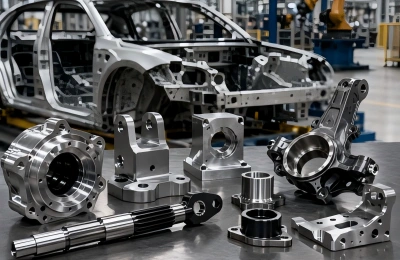
我们的CNC加工服务受到全球不同领域客户的好评. 我们为各行业提供数控加工部件, 涵盖以下内容及更多内容.