SLA 3D Printing Services

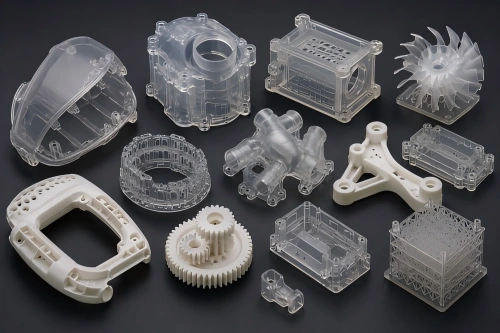
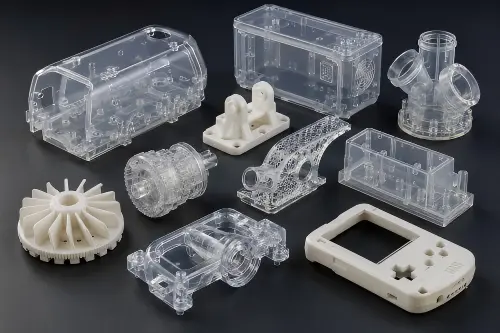
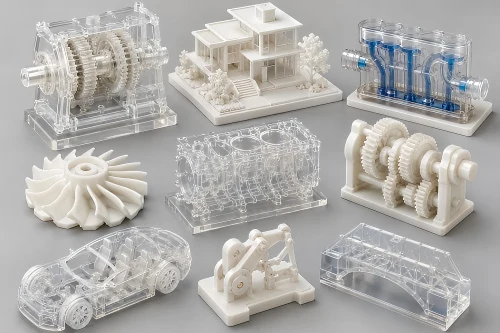
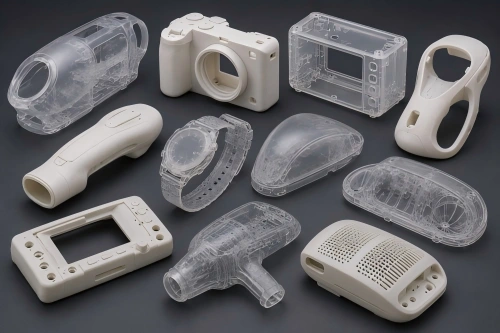
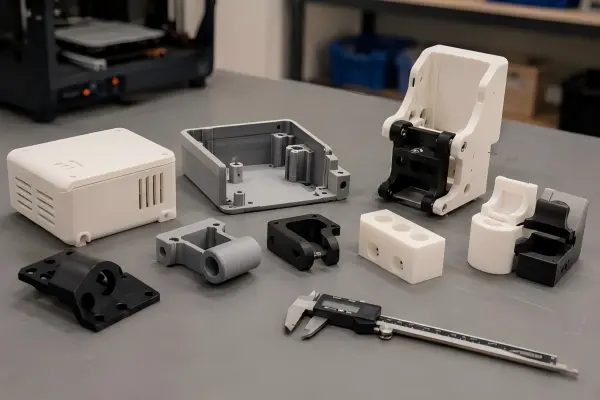
Rapid Efficient provides custom SLA 3D printing services for detailed prototypes, visual models, presentation parts, 设计验证, and selected low-volume production needs.

SLA creates parts layer by layer by curing liquid photopolymer resin with a controlled light source. Each project is reviewed according to its resin requirements, 几何学, feature detail, support strategy, 表面期望, 维度优先级, 数量, and end-use needs.

Upload Your Part Design for SLA 3D Printing Review

Accepted files: 步, STP, sldprt, IPT, prt, 坐着, IGES, IGS, catpart, X_T, OBJ, and STL
Your files are secure and treated as confidential.
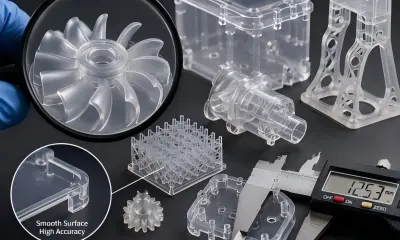
Fine Detail and Smooth Surfaces

Detailed features and appearance-focused prototype review

良好的表面质量

Material selection based on appearance, 刚性, and end use

更快的成型速度

Visual models, 设计验证, and selected low-volume parts

Why Choose Rapid Efficient for SLA 3D Printing?

SLA Support for Detailed Prototypes and Visual Models

SLA is a practical choice for detailed prototypes, appearance-focused models, presentation parts, 设计验证, and selected low-volume production needs where fine features and smoother surfaces are important.

Rapid Efficient reviews each project according to its resin requirements, 几何学, feature detail, 壁厚, support strategy, 表面期望, 维度优先级, 数量, and end-use needs.

The production route can also include support removal, 打扫, post-curing, 打磨, 抛光, 绘画, 集会, and other suitable finishing options according to the project requirements.

Send your 3D model for SLA process review and fast quotation.
What Is SLA 3D Printing?

立体光刻, commonly known as SLA, is an additive manufacturing process that creates plastic parts layer by layer from a digital 3D model.

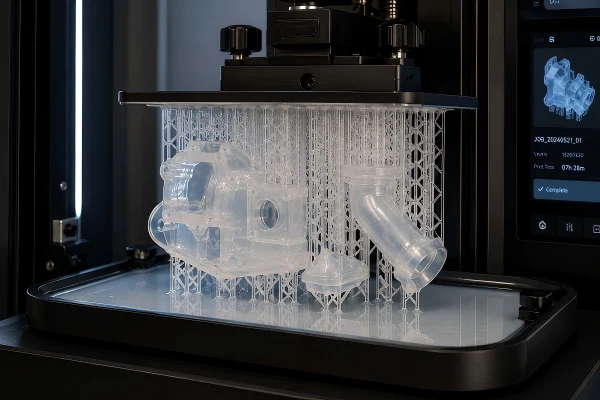
生产过程中, a controlled light source selectively cures liquid photopolymer resin according to the required geometry. 打印后, the part is removed from the build platform, cleaned, and post-cured according to the selected resin and project requirements.

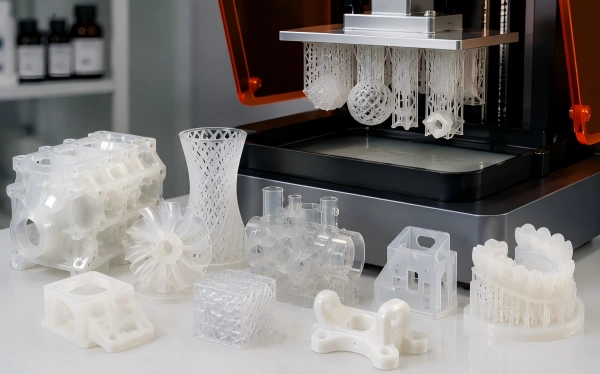
SLA is commonly used for detailed prototypes, visual models, presentation parts, form-and-fit evaluation, master patterns, and selected low-volume parts where fine features and smoother surfaces are important.

The final result depends on the resin material, 几何学, 壁厚, support placement, orientation, 表面期望, 维度优先级, post-curing requirements, and finishing route. These factors should be reviewed before production begins.

Learn more about our plastic 3D printing services.

SLA 3D Printing Application Examples

Detailed Prototypes

SLA 3D printing supports detailed prototypes, appearance models, 配合检查零件, 外壳, and design-validation samples where fine features and smoother surfaces are important.

Custom Models and Selected Low-Volume Parts

对于合适的项目, SLA can support custom models, presentation parts, design variants, and selected low-volume components without requiring traditional tooling during the early project stage.

Equipment Models and Training Aids

SLA can support equipment models, demonstration parts, training aids, visual-validation samples, and non-implant device prototypes where geometry, detail, and surface requirements must be reviewed carefully.

Jewelry and Decorative Master Patterns

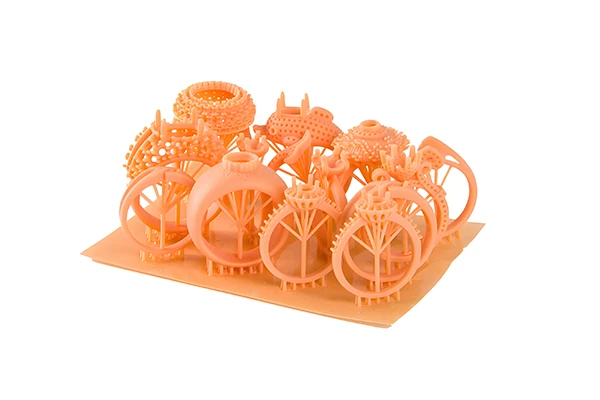
SLA can support jewelry concepts, decorative models, detailed master patterns, and presentation pieces that benefit from fine features, complex shapes, and improved surface quality.

Education and Demonstration Models

SLA printing can support classroom models, engineering demonstrations, exhibition displays, visual explanations, and custom learning aids that require clear details and refined surfaces.

Industrial Design Validation

SLA can support appearance evaluation, enclosure prototypes, interface checks, concept refinement, and design-review samples before tooling or larger-scale manufacturing decisions are made.

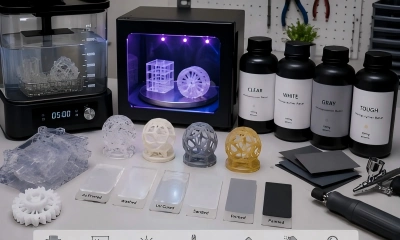
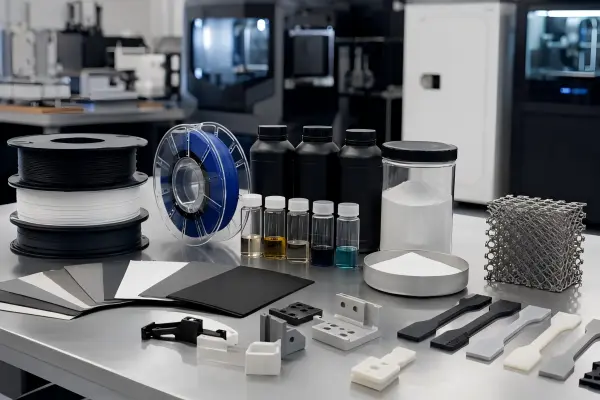
Resin Material Planning
Material review based on stiffness, 外貌, and end use
ISO
9001:2015认证
Support and Orientation Review
Build direction, support marks, and surface priorities
Post-Processing Support
Cleaning, post-curing, 精加工, 和检查计划
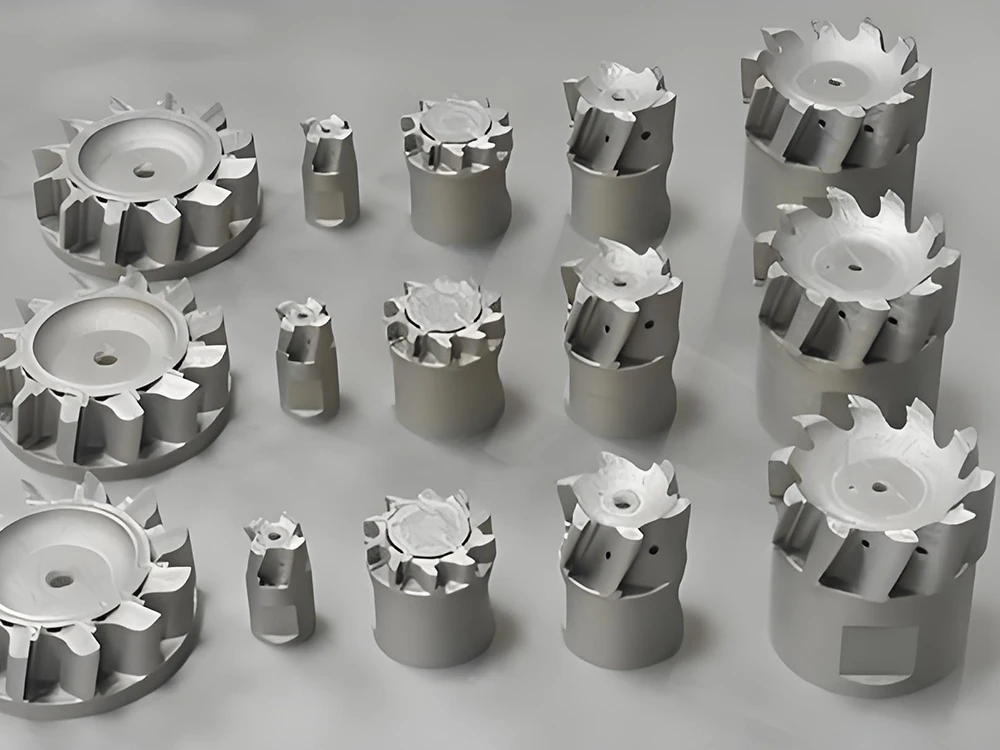
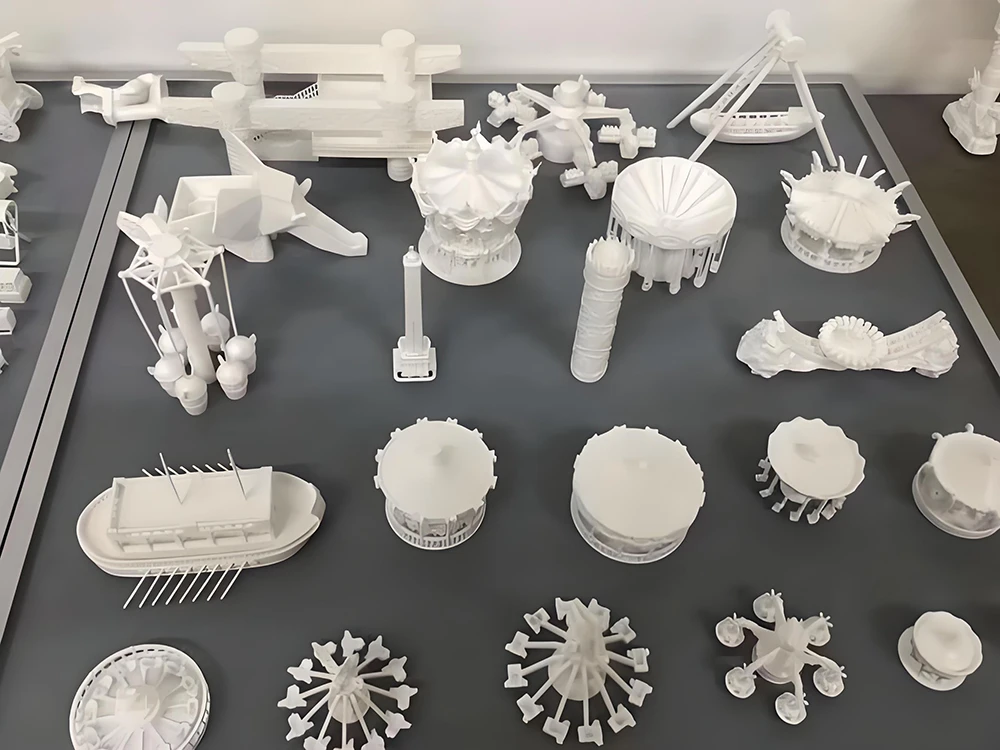
Selected SLA 3D Printed Part Examples

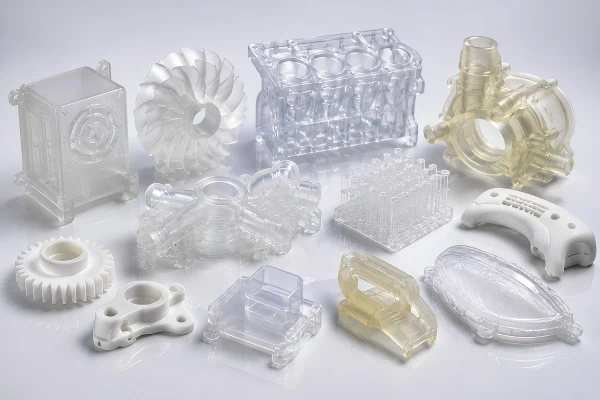
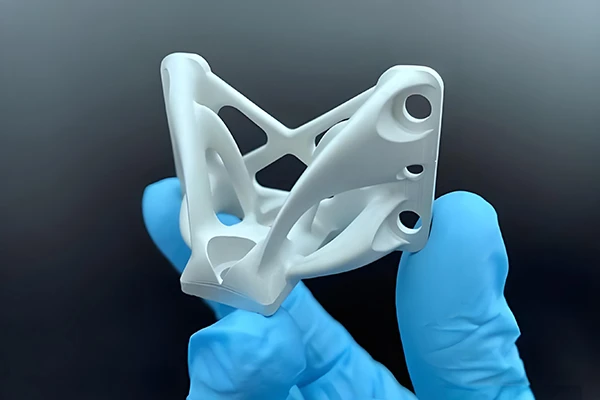
Explore selected SLA 3D printed part examples for detailed prototypes, appearance models, presentation parts, 设计验证, master patterns, and selected low-volume production needs.

Each project is reviewed according to its resin requirements, 几何学, feature detail, 壁厚, build orientation, support strategy, 表面期望, 维度优先级, post-curing needs, 终点路线, 数量, 和预期用途.

The goal is to establish a practical SLA manufacturing route that balances visual quality, feature detail, 成本, lead time, and the functional requirements of the finished part.

Key Advantages of SLA 3D Printing
Fine Details and Refined Surface Quality

SLA can produce detailed features, smooth external surfaces, thin visual elements, and appearance-focused prototypes that may require less finishing than parts produced through some other additive manufacturing routes.

The final result depends on the resin material, 几何学, 壁厚, build orientation, support placement, cleaning process, post-curing route, and surface expectations of the project.

Appearance Models and Design Validation

SLA is a practical option for presentation models, enclosure prototypes, consumer-product concepts, master patterns, form-and-fit checks, and design-review samples where visual quality is important.

对于合适的项目, updated digital models can be produced for comparison and refinement before tooling or larger-scale manufacturing decisions are made.

Resin Options and Post-Processing Flexibility

Different photopolymer resins can be reviewed according to the required appearance, 刚性, transparency, 灵活性, 耐热性, casting needs, and end-use conditions.

The manufacturing route can also include support removal, 打扫, post-curing, 打磨, 抛光, 绘画, 集会, and other suitable finishing options according to the project requirements.

Quick Guide to Planning an SLA 3D Printing Project
Project requirements and model review

1. Define the intended use:

Confirm whether the part is required for appearance evaluation, presentation, form-and-fit checking, 设计验证, master patterns, demonstration models, or selected low-volume production.

2. Review the digital model:

The 3D file is checked for geometry, 壁厚, small features, thin sections, enclosed areas, surface priorities, support-sensitive areas, and other details that may affect SLA print quality or post-processing.

1. Review the resin requirements:

The most suitable photopolymer resin should be evaluated according to the required appearance, 刚性, transparency, 灵活性, 耐热性, casting needs, 表面质量, and end-use conditions.

2. Match the resin to the project:

Material selection should be reviewed together with the geometry, 壁厚, feature detail, 维度优先级, support strategy, post-curing requirements, and finishing route.

1. Plan the build orientation:

Part orientation can influence visible support marks, 表面质量, dimensional results, build time, cleaning access, and the amount of finishing required after printing.

2. Review the support strategy:

Support placement, contact areas, 薄功能, enclosed sections, split lines, build quantity, and post-processing priorities are reviewed according to the geometry and intended use of the part.

1. Produce the resin parts:

The approved digital model, selected resin, and planned build strategy are used to manufacture the required SLA parts layer by layer.

2. Review the build results:

During and after production, the parts are checked for incomplete features, 形变, support-related marks, local surface concerns, difficult cleaning areas, and other process-specific risks.

1. Remove supports and clean the parts:

打印后, the parts are removed from the build platform, cleaned, and prepared for the required post-curing route according to the selected resin.

2. Apply suitable finishing options:

Support removal, 打磨, 抛光, 绘画, 涂层, 集会, and other suitable finishing options can be reviewed according to the appearance and functional requirements of the project.

1. Inspect the finished parts:

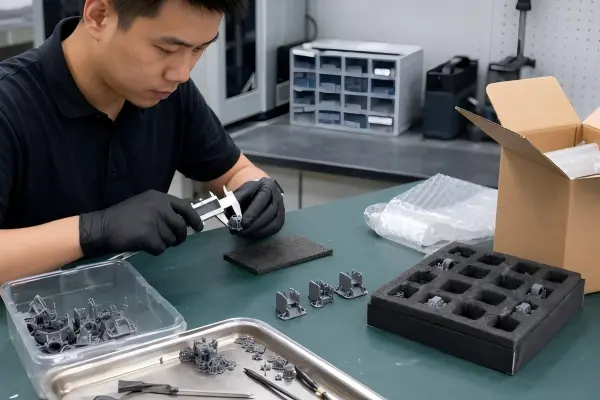
Key dimensions, 表面外观, fine features, 合身, 数量, and project-specific requirements are checked according to the intended use of the part.

2. Prepare for delivery:

Packaging is planned according to the geometry, 表面光洁度要求, 数量, and transportation needs to reduce avoidable damage during delivery.

从图纸到交货

您是否需要一次性的功能原型, 小批量, 或重复生产零件, Rapid Efficient可协调加工路线, 检查计划, 表面饰面, 包装, 以及围绕您的项目要求的交付时间表.

快速数控原型制作

通过原型 CNC 加工,更快地从图纸审查转向功能部件, 设计验证, 组装测试, 及工程评价.

对于合适的项目, 可以安排加急交货,起价至少为 3 工作日.

快速 DFM 反馈
功能原型零件
快速设计迭代
加急交付选项
小批量 CNC 生产

通过灵活的小批量 CNC 加工缩小原型批准和重复生产之间的差距.

我们协调材料选择, 加工, 尺寸检验, 表面处理, 和包装以保持每批次的稳定质量.

灵活的生产数量
受控检查计划
表面精加工协调
批次质量稳定
重复生产支持

对于重复订单, 我们专注于图纸修订控制, 材料一致性, 关键特征检查, 表面光洁度稳定性, 和实际的交付计划.

目标很简单: 可靠的零件, 响应式沟通, 和稳定的供应.

图纸修订控制
可重复的检验标准
一致的整理要求
包装和交付协调
上传您的绘图
Start Production Faster

Secure file upload. Fast quotation and machining review for your custom CNC parts.

Common SLA 3D Printing Risks and How We Address Them
Dimensional Variation and Fit Issues

Risk:

The printed part may not meet the expected dimensions, hole sizes, 壁厚, 装配配合, or interface requirements.

Common causes:

Resin behavior, 几何学, build orientation, support placement, 打扫, post-curing, and finishing steps can influence dimensional results.

How we address it:

关键尺寸, 交配特征, 装配接口, and fit requirements are reviewed during project planning. Suitable inspection priorities and practical allowances can be considered before production begins.

Risk:

The finished part may bend, twist, distort, or lose the intended geometry during printing or post-processing.

Common causes:

薄壁, large flat surfaces, local thickness changes, resin shrinkage, unsuitable orientation, limited support, 打扫, and post-curing conditions can influence dimensional stability.

How we address it:

The resin material, 壁厚, 几何学, build orientation, support strategy, cleaning route, and post-curing requirements are reviewed together. Where necessary, the part may be repositioned, split into sections, or adjusted before production.

Risk:

The printed part may crack, become brittle, or fail to provide the required stiffness, 灵活性, 耐用性, or end-use performance.

Common causes:

Resin selection, thin sections, sharp transitions, unsupported areas, local stress concentration, cleaning conditions, and the post-curing route can affect the final material performance.

How we address it:

The intended use, resin requirements, 几何学, 壁厚, critical areas, and finishing route are reviewed before production. Material selection and post-curing planning are evaluated according to the actual project needs.

Risk:

Support structures may leave visible marks, damage small features, or increase finishing work when they are placed on important appearance surfaces or difficult-to-access areas.

Common causes:

Build orientation, support contact locations, 薄功能, delicate details, enclosed areas, and limited access can affect support removal and surface quality.

How we address it:

The build orientation and support strategy are reviewed before production. Where possible, support contact areas are positioned away from critical visual surfaces, mating interfaces, and delicate details. Suitable removal, 打磨, 抛光, or finishing steps can then be planned according to the project requirements.

Risk:

Thin features, enclosed areas, unsupported sections, difficult cleaning locations, or complex local geometry may not form or finish as expected.

Common causes:

Insufficient wall thickness, delicate features, unsuitable orientation, limited support access, trapped uncured resin, and insufficient consideration of cleaning and post-processing needs can create avoidable risks.

How we address it:

The digital model is reviewed before production to identify thin sections, small features, enclosed spaces, drainage and cleaning access, support-sensitive surfaces, and details that may require practical design or build-planning adjustments.

Application Areas for FDM 3D Printing

Rapid Efficient supports custom FDM 3D printing projects across a wide range of industries. Each project is reviewed according to its intended use, thermoplastic material, 几何学, 壁厚, build orientation, support strategy, 表面期望, 数量, and delivery needs.

汽车

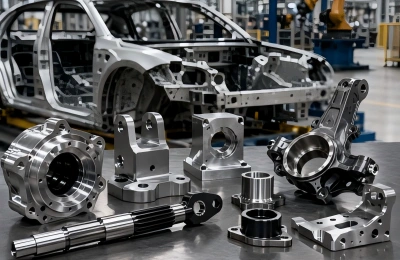
CNC加工支架支架, 外壳, 衬套, 轴, 适配器, 固定装置, 传感器组件, 以及用于汽车和移动项目的定制机械零件.

机器人与自动化

用于机械臂的精密加工部件, 自动化设备, 末端执行器, 关节, 电机相关零件, 传感器外壳, 固定装置, 和装配工具.

医疗设备

用于医疗器械设备的定制数控加工零件, 诊断仪器, 实验室系统, 外壳, 固定装置, 阀门, 适配器, 和非植入机械部件.

航天

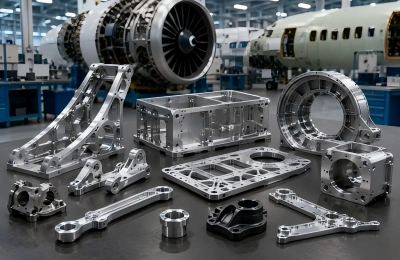
轻型外壳的加工支撑, 括号, 固定装置, 结构件, 测试件, 以及用于航空航天相关应用的复杂铝或钛部件.

消费电子产品

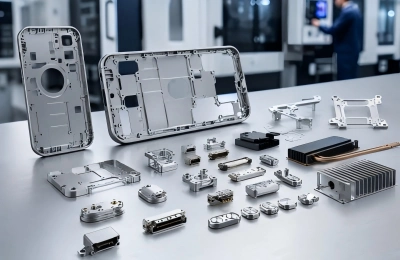
外壳 CNC 加工, 框架, 散热部件, 按钮, 括号, 固定装置, 连接器组件, 和对外观敏感的铝制零件.

新能源

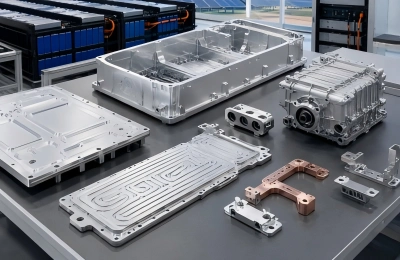
储能系统定制零件, EV相关设备, 电机外壳, 热管理组件, 括号, 连接器, 固定装置, 和机械组件.

工业设备

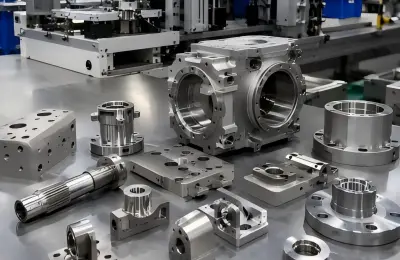
CNC 加工外壳, 轴, 袖子, 括号, 固定装置, 机器部件, 安装零件, 以及工业设备和生产系统的替换部件.

半导体设备

半导体设备精密加工零件, 自动化模块, 固定装置, 盘子, 括号, 外壳, 以及需要控制尺寸和清洁表面光洁度的组件.

滚动至顶部

获取报价

点击或拖拽文件到该区域即可上传. 您最多可以上传 10 文件.
文件格式:TXT PDF DOC DOCX XLS XLSX PPT PPTX JPG PNG ZIP RAR DWG DXF DXF DWT DWS DWS

3D文件格式: 步, STP, sldprt, IPT, prt, 坐着, IGES, IGS, catpart, X_T, OBJ, STL