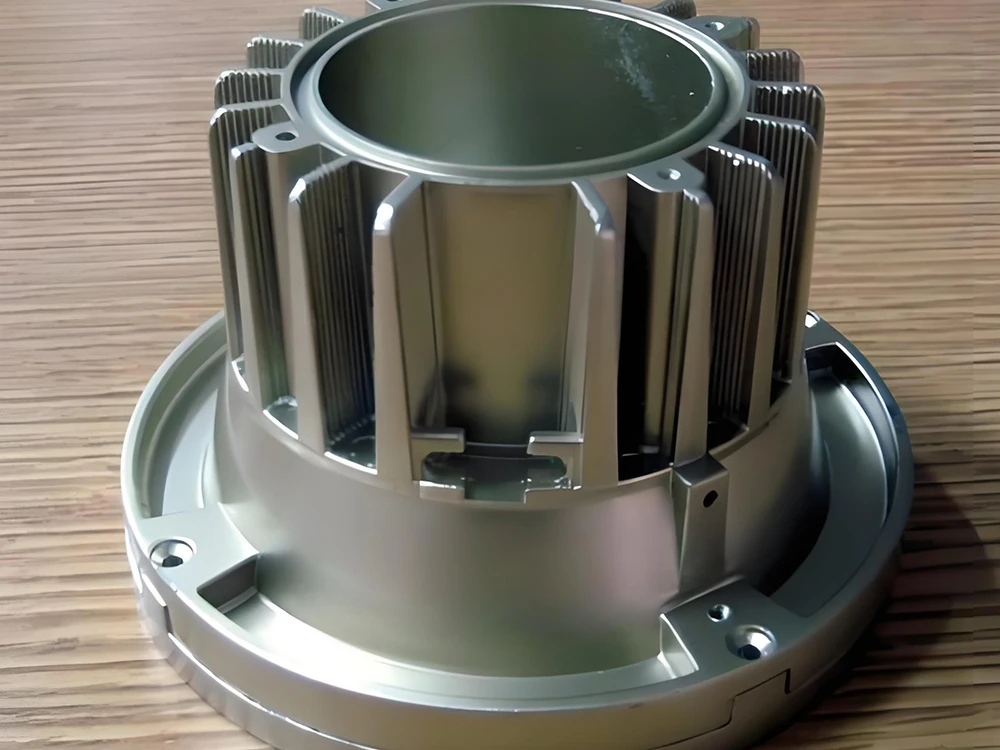
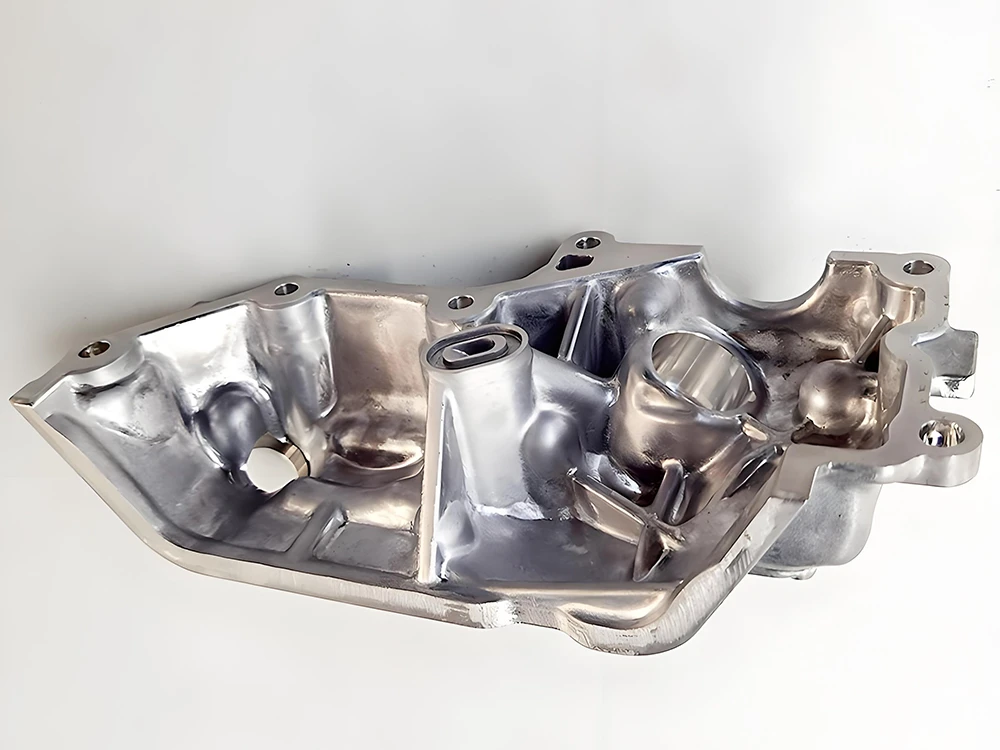
Aluminum Die Casting Services

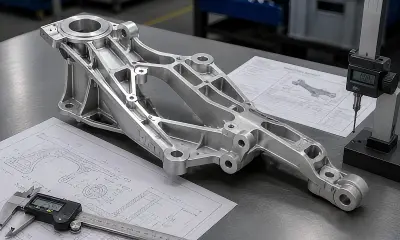
Rapid Efficient provides custom aluminum die casting services for housings, 括号, 结构件, and other parts that require efficient repeat production, complex geometry, and practical manufacturing planning.

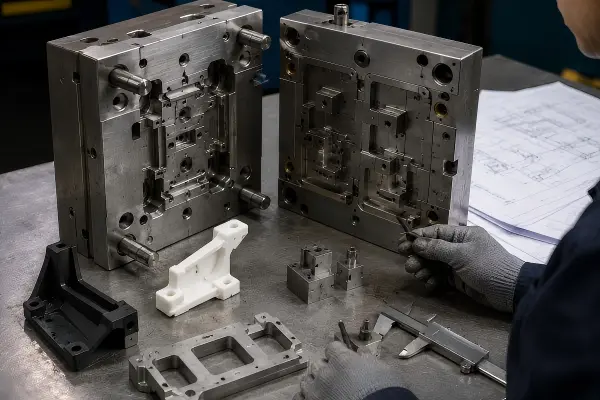
From early DFM review and tooling strategy to sampling, 检查, secondary machining, 表面精加工协调, and repeat-production readiness, each project is reviewed according to its alloy requirements, 几何学, 壁厚, 预期数量, 表面期望, and end-use priorities.

Upload Your Part Design for Die Casting Review

Accepted files: 步, STP, sldprt, IPT, prt, 坐着, IGES, IGS, catpart, X_T, OBJ, and STL
Your files are secure and treated as confidential.
DFM and Tooling Review

几何学, 壁厚, 草稿, gates, and tooling strategy

Secondary Operations Support

机械加工, 检查, and surface-finishing coordination

Repeat Production Planning

Sampling, adjustment, and stable batch-production support

Why Choose Rapid Efficient for Aluminum Die Casting?

Die Casting Support from DFM Review to Repeat Production

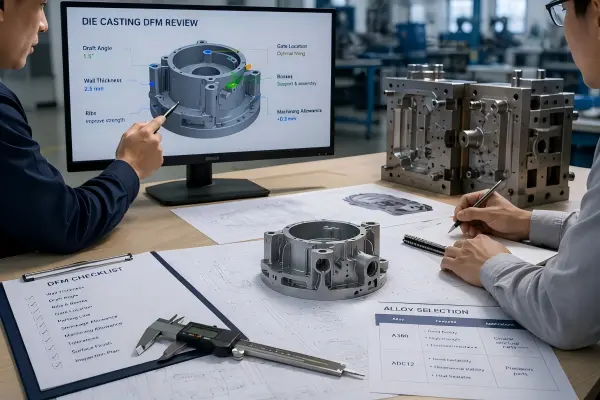
A reliable die casting project begins with a practical review of the part geometry, alloy requirements, 壁厚, 草稿角, 肋骨, bosses, 关键尺寸, 装饰表面, and expected production volume.

Rapid Efficient supports custom aluminum die casting projects from early DFM review and tooling planning to sampling, 检查, trimming, secondary machining, 表面精加工协调, and repeat-production readiness.

For features that require tighter tolerances, stable fits, or improved surface quality, secondary CNC machining and inspection planning can be reviewed according to the project requirements.

Send your part design for die casting review and fast quotation.
What Is Aluminum Die Casting?

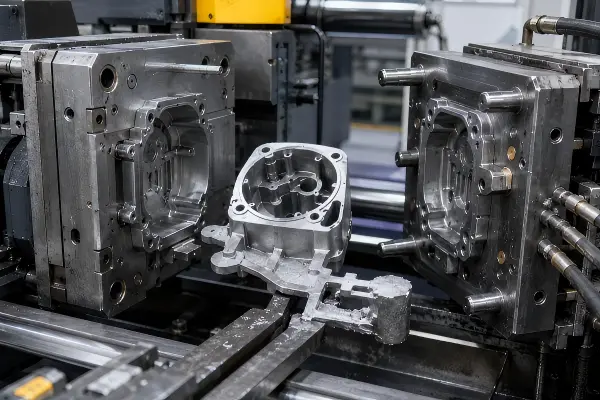
Aluminum die casting is a manufacturing process in which molten aluminum alloy is injected into a steel mold under controlled pressure to produce repeatable metal parts with complex geometry and efficient batch-production potential.

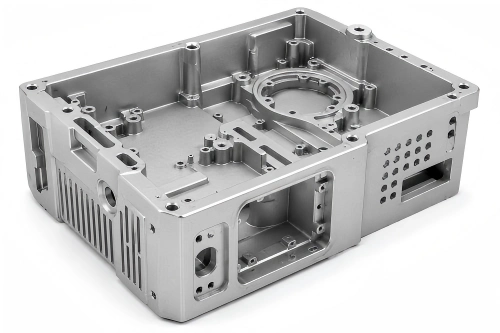
The process is commonly used for housings, 括号, 封面, 结构件, 散热部件, and other custom metal parts that benefit from integrated features, relatively thin walls, and reduced secondary assembly.

A successful die casting project requires more than selecting a part shape. 壁厚, 草稿角, 肋骨, bosses, parting lines, gate locations, overflow areas, venting, shrinkage, porosity risks, trimming requirements, 装饰表面, and critical machining features must be reviewed together.

Some dimensions and surfaces can be produced directly through die casting, while tighter-tolerance holes, sealing areas, 线程, assembly interfaces, and precision mating surfaces may require secondary CNC machining and inspection.

Aluminum alloys are widely used because they offer a practical balance of weight, 力量, 耐腐蚀性, 热性能, and manufacturing efficiency. Other suitable die casting alloys can also be reviewed according to the project requirements.

Aluminum Die Casting Application Examples

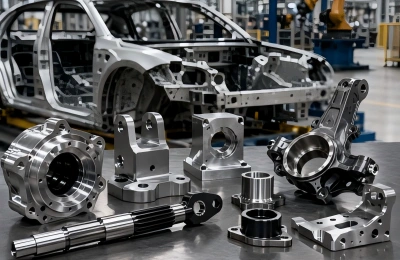
Automotive Components

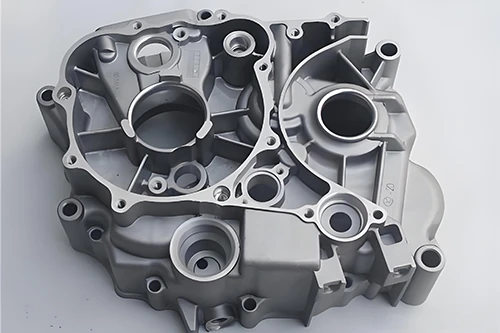
Aluminum die casting supports automotive housings, 封面, 括号, 安装组件, and structural parts that require complex geometry, repeat-production efficiency, and practical secondary-machining planning.

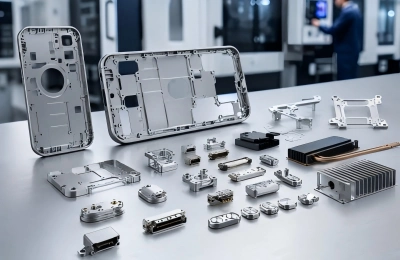
Electronics Housings

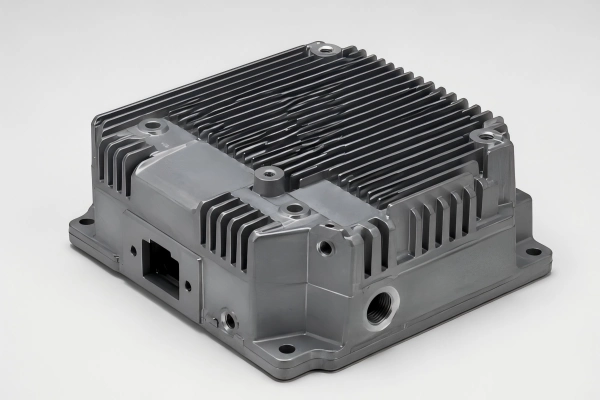
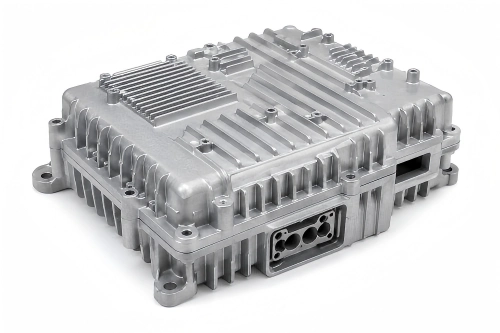
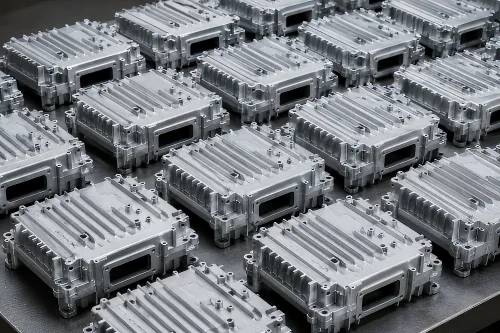
Custom aluminum die casting can be used for electronics housings, control-unit covers, heat-dissipation enclosures, and device structures that benefit from integrated features, stable assembly, and a clean external appearance.

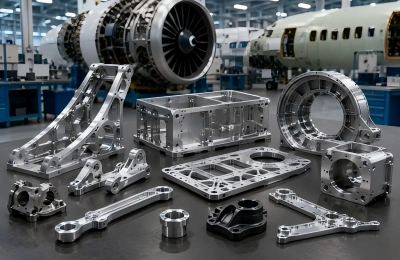
High-Performance Equipment Components

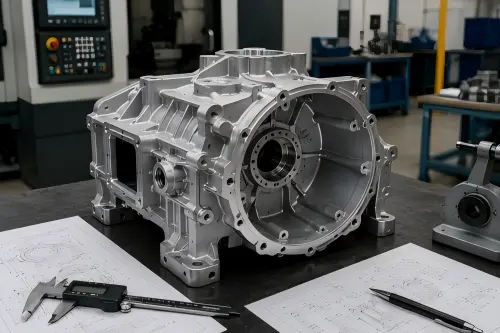
Die-cast aluminum housings, 括号, 封面, and structural components can support high-performance equipment where weight reduction, 尺寸稳定性, 装配配合, and inspection planning are important.

Communication Equipment Housings

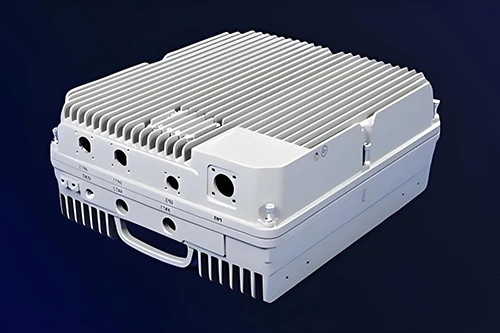
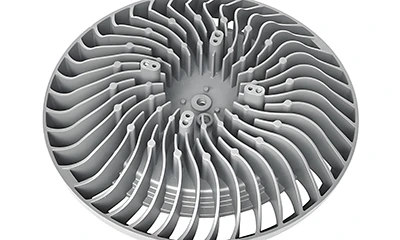
Aluminum die casting supports communication-equipment housings, 封面, mounting structures, and heat-dissipation components that require integrated geometry, practical surface finishing, and stable repeat production.

Medical-Device Equipment Components

Die-cast aluminum parts can support non-implant medical-device equipment, 诊断仪器, 外壳, 括号, and structural components where geometry, 表面质量, 装配配合, and inspection requirements must be reviewed carefully.

Hardware and Tool Components

Aluminum die casting can be used for tool housings, handles, 括号, 封面, and hardware components that require durable structures, efficient batch production, and optional secondary finishing.

DFM Review
壁厚, 草稿, 肋骨, bosses, and geometry review
ISO
9001:2015认证
Secondary Machining
Critical holes, 线程, 接口, and inspection support
Repeat Production
Sampling, adjustment, and stable batch-production planning
Selected Aluminum Die Casting Part Examples

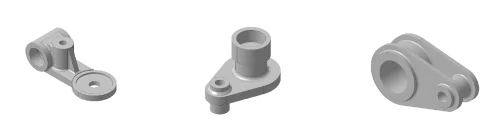
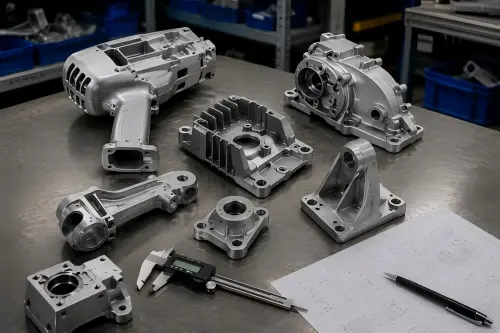
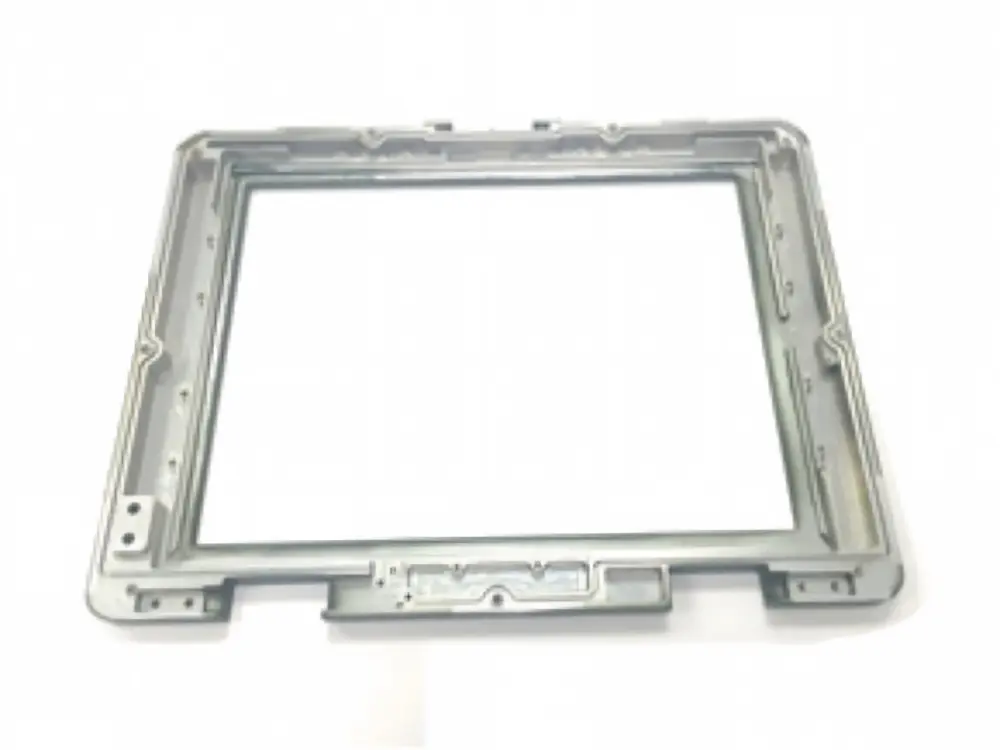
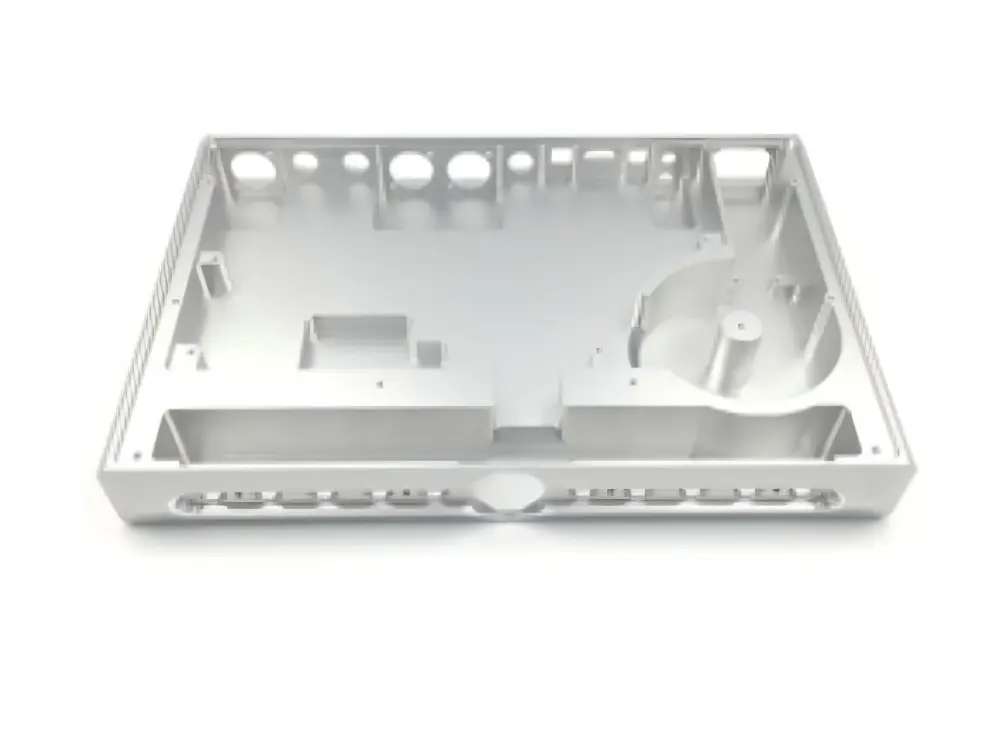
Explore selected aluminum die casting part examples for housings, 封面, 括号, 和结构部件. Each project is reviewed according to its alloy requirements, 几何学, 壁厚, 草稿角, 肋骨, bosses, porosity risks, 表面期望, critical machining features, 和预期数量.

From DFM review and tooling planning to sampling, trimming, secondary machining, 检查, and repeat-production readiness, the goal is to establish a practical manufacturing route for stable batch production.

Key Advantages of Aluminum Die Casting
Efficient Repeat Production

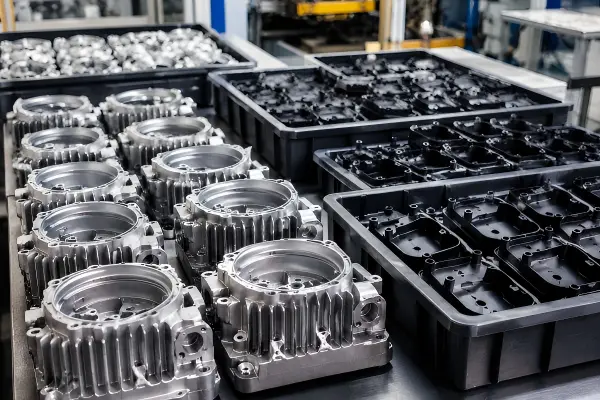
Aluminum die casting is suitable for repeat-production projects that require complex metal parts to be produced efficiently after tooling approval.

Once the mold and process route are validated, the same part geometry can be reproduced consistently across larger production runs, reducing reliance on extensive machining for every feature.

Integrated Geometry and Functional Features

Die casting can integrate ribs, bosses, mounting points, thin-wall areas, 封面, and heat-dissipation features into a single component.

This can reduce the number of separate parts, simplify assembly, and create a practical base for secondary CNC machining where tighter-tolerance holes, 线程, sealing areas, or mating surfaces are required.

Lightweight Structures with Practical Performance

Aluminum die casting offers a practical balance of weight, structural performance, 耐腐蚀性, and thermal conductivity for housings, 括号, 封面, and equipment components.

The final manufacturing route can also include trimming, secondary machining, 检查, and surface-finishing coordination according to the appearance and functional requirements of the project.

Quick Guide to Planning an Aluminum Die Casting Project
Project requirements and DFM review

1. Define the project requirements:

Confirm the part function, 预期数量, alloy requirements, 关键尺寸, assembly interfaces, 装饰表面, 运行环境, and delivery priorities.

2. Review the geometry:

壁厚, 草稿角, 肋骨, bosses, 底切, parting lines, gate areas, overflow areas, venting needs, trimming requirements, and potential porosity risks should be evaluated before tooling begins.

1. Confirm the aluminum alloy requirements:

The alloy should be reviewed according to the required weight, 力量, 耐腐蚀性, 热性能, surface-finishing needs, and end-use conditions.

2. Balance performance and manufacturability:

Material selection can influence filling behavior, shrinkage, porosity risk, 表面外观, machining performance, and the overall manufacturing route.

1. Plan the tooling route:

Cavity layout, gate locations, overflow areas, venting, 冷却, ejector positions, trimming strategy, and mold structure are reviewed according to the part geometry and expected production volume.

2. Reduce avoidable tooling adjustments:

关键特性, difficult filling areas, local thickness changes, 装饰表面, and secondary-machining allowances are considered before mold manufacturing begins.

1. Produce and review initial samples:

Trial parts are evaluated for filling quality, flash, shrinkage, porosity risks, warpage, 表面外观, trimming quality, 方面, and assembly fit.

2. Adjust the manufacturing route:

Based on the sample results, the mold, gate design, venting, 过程参数, trimming method, or machining plan may require adjustment before repeat-production approval.

1. Review critical machining features:

Tighter-tolerance holes, 线程, sealing areas, 配合面, mounting points, and assembly interfaces can be evaluated for secondary CNC machining.

2. Coordinate the finishing route:

Deburring, 抛光, shot blasting, 粉末涂料, 阳极氧化, 电镀, and other suitable finishing options can be reviewed according to the appearance and functional requirements of the project.

1. Inspect the approved parts:

Key dimensions, assembly interfaces, machined features, 表面外观, trimming quality, and project-specific requirements are checked according to the inspection plan.

2. Confirm readiness for repeat production:

After sample approval, the manufacturing route is reviewed for consistency, inspection planning, tooling maintenance, and stable batch-production support.

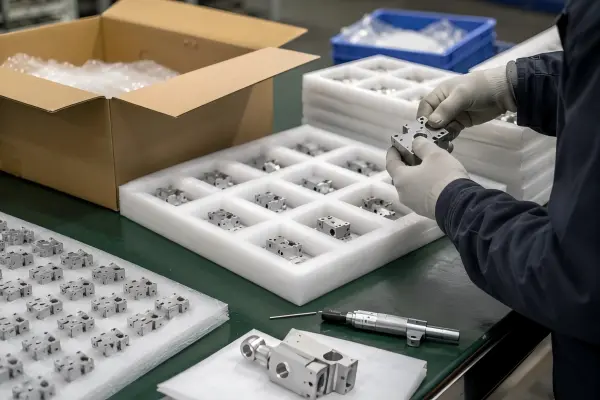
1. Protect the finished parts:

Packaging is planned according to the part geometry, 表面光洁度要求, 数量, and transportation needs to reduce avoidable damage during delivery.

2. Support future production runs:

Tooling records, 检查重点, and manufacturing requirements can be reviewed for repeat orders and long-term production planning.

从图纸到交货

您是否需要一次性的功能原型, 小批量, 或重复生产零件, Rapid Efficient可协调加工路线, 检查计划, 表面饰面, 包装, 以及围绕您的项目要求的交付时间表.

快速数控原型制作

通过原型 CNC 加工,更快地从图纸审查转向功能部件, 设计验证, 组装测试, 及工程评价.

对于合适的项目, 可以安排加急交货,起价至少为 3 工作日.

快速 DFM 反馈
功能原型零件
快速设计迭代
加急交付选项
小批量 CNC 生产

通过灵活的小批量 CNC 加工缩小原型批准和重复生产之间的差距.

我们协调材料选择, 加工, 尺寸检验, 表面处理, 和包装以保持每批次的稳定质量.

灵活的生产数量
受控检查计划
表面精加工协调
批次质量稳定
重复生产支持

对于重复订单, 我们专注于图纸修订控制, 材料一致性, 关键特征检查, 表面光洁度稳定性, 和实际的交付计划.

目标很简单: 可靠的零件, 响应式沟通, 和稳定的供应.

图纸修订控制
可重复的检验标准
一致的整理要求
包装和交付协调
上传您的绘图
Start Production Faster

Secure file upload. Fast quotation and machining review for your custom CNC parts.

Common Aluminum Die Casting Risks and How We Address Them
Porosity and Shrinkage Risks

Risk:

Internal porosity, 缩孔, or local voids may affect part strength, sealing performance, machining results, and long-term reliability.

Common causes:

Material flow, trapped gas, insufficient venting, unsuitable gate or overflow design, local thickness changes, and unstable process conditions can increase porosity and shrinkage risks.

How we address it:

壁厚, gate locations, overflow areas, venting, filling paths, and critical machining features are reviewed during DFM and tooling planning. Initial samples are evaluated according to the project requirements before repeat production begins.

Risk:

Flow marks, cold shuts, flash, surface irregularities, incomplete filling, or visible trimming areas may affect the appearance and functional performance of the finished part.

Common causes:

Gate placement, mold temperature, material flow, filling speed, venting, release conditions, 表面要求, and local geometry can all influence surface quality.

How we address it:

Gate areas, parting lines, overflow areas, venting, 装饰表面, and trimming requirements are reviewed before tooling begins. During sampling, the part appearance and filling behavior are checked to determine whether tooling or process adjustments are required.

Risk:

The finished part may not meet the expected dimensions, 装配配合, sealing requirements, or functional interfaces.

Common causes:

Material shrinkage, mold condition, uneven cooling, warpage, process variation, trimming quality, and local geometry can affect dimensional stability.

How we address it:

关键尺寸, assembly interfaces, sealing areas, mounting points, and machining allowances are reviewed during project planning. Tighter-tolerance holes, 线程, 配合面, and precision features can be evaluated for secondary CNC machining and inspection.

Risk:

The finished part may not meet the required structural performance, 耐用性, or end-use expectations.

Common causes:

Alloy selection, local wall thickness, 肋骨, bosses, 孔隙率, stress concentration, 几何学, and process stability can influence the mechanical performance of the part.

How we address it:

The alloy requirements, 结构特点, expected loads, critical areas, and end-use conditions are reviewed during the early project stage. Where specific mechanical requirements apply, the inspection and validation plan should be confirmed according to the actual project needs.

Application Areas for Aluminum Die Casting

Rapid Efficient supports custom aluminum die casting projects across a wide range of industries. Each project is reviewed according to its alloy requirements, 几何学, 壁厚, tooling strategy, 表面期望, secondary-machining needs, 预期数量, and end-use priorities.

汽车

CNC加工支架支架, 外壳, 衬套, 轴, 适配器, 固定装置, 传感器组件, 以及用于汽车和移动项目的定制机械零件.

机器人与自动化

用于机械臂的精密加工部件, 自动化设备, 末端执行器, 关节, 电机相关零件, 传感器外壳, 固定装置, 和装配工具.

医疗设备

用于医疗器械设备的定制数控加工零件, 诊断仪器, 实验室系统, 外壳, 固定装置, 阀门, 适配器, 和非植入机械部件.

航天

轻型外壳的加工支撑, 括号, 固定装置, 结构件, 测试件, 以及用于航空航天相关应用的复杂铝或钛部件.

消费电子产品

外壳 CNC 加工, 框架, 散热部件, 按钮, 括号, 固定装置, 连接器组件, 和对外观敏感的铝制零件.

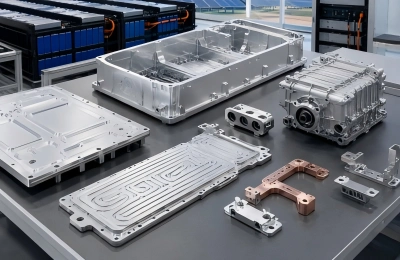
新能源

储能系统定制零件, EV相关设备, 电机外壳, 热管理组件, 括号, 连接器, 固定装置, 和机械组件.

工业设备

CNC 加工外壳, 轴, 袖子, 括号, 固定装置, 机器部件, 安装零件, 以及工业设备和生产系统的替换部件.

半导体设备

半导体设备精密加工零件, 自动化模块, 固定装置, 盘子, 括号, 外壳, 以及需要控制尺寸和清洁表面光洁度的组件.

滚动至顶部

获取报价

点击或拖拽文件到该区域即可上传. 您最多可以上传 10 文件.
文件格式:TXT PDF DOC DOCX XLS XLSX PPT PPTX JPG PNG ZIP RAR DWG DXF DXF DWT DWS DWS

3D文件格式: 步, STP, sldprt, IPT, prt, 坐着, IGES, IGS, catpart, X_T, OBJ, STL