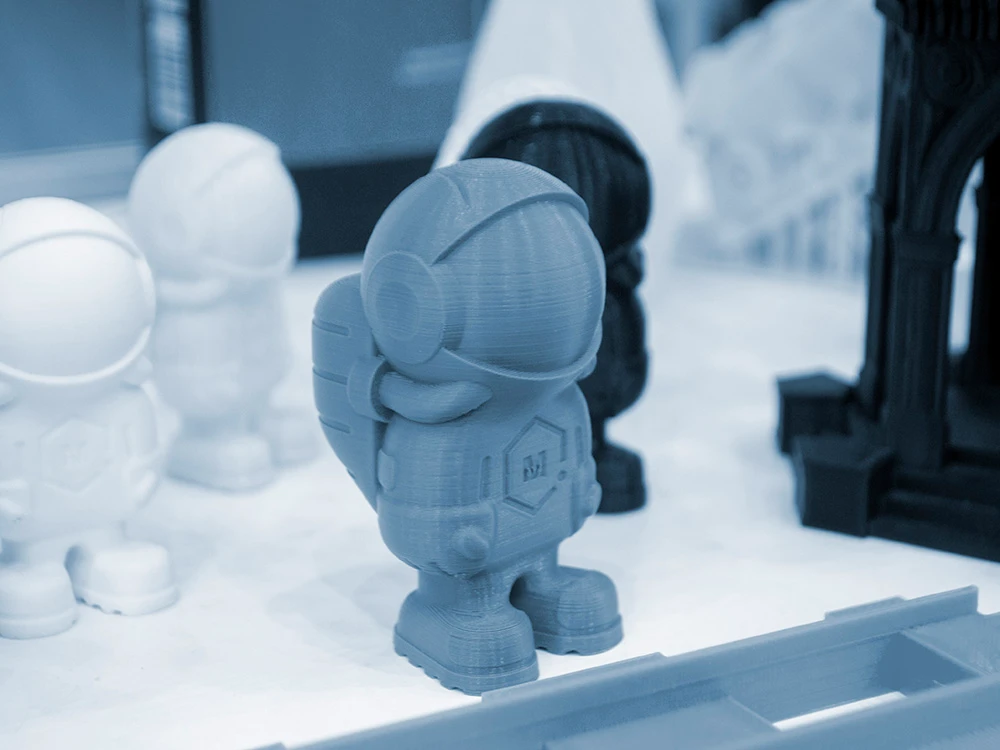
FDM 3D Printing Services
Rapid Efficient provides custom FDM 3D printing services for cost-effective prototypes, functional models, 固定装置, design validation, and selected low-volume production needs.
FDM builds parts layer by layer using thermoplastic filament. Each project is reviewed according to its material requirements, 几何学, 壁厚, functional priorities, surface expectations, 数量, and delivery needs.
Upload Your Part Design for FDM 3D Printing Review
Practical support for concept models and design validation
Material review based on strength, 刚性, and end use
几何学, orientation, 支持, and surface requirements
FDM Support for Cost-Effective Prototypes and Functional Parts
FDM is a practical choice for concept models, functional prototypes, 夹具, 固定装置, 外壳, design validation, and selected low-volume production needs where cost control and fast iteration are important.
Rapid Efficient reviews each project according to its geometry, 壁厚, feature size, 材料要求, part orientation, support strategy, surface expectations, 数量, and end-use priorities.
For suitable applications, FDM provides a cost-effective route for testing and refining a design before tooling or larger-scale manufacturing becomes necessary.
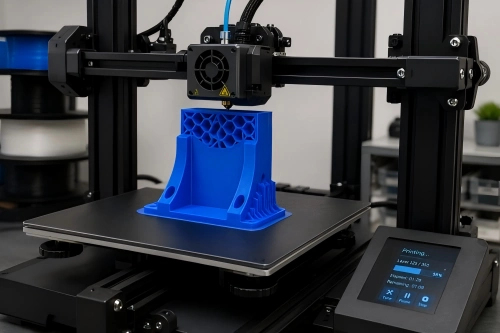
熔融沉积建模, commonly known as FDM, is an additive manufacturing process that creates plastic parts layer by layer from a digital 3D model.
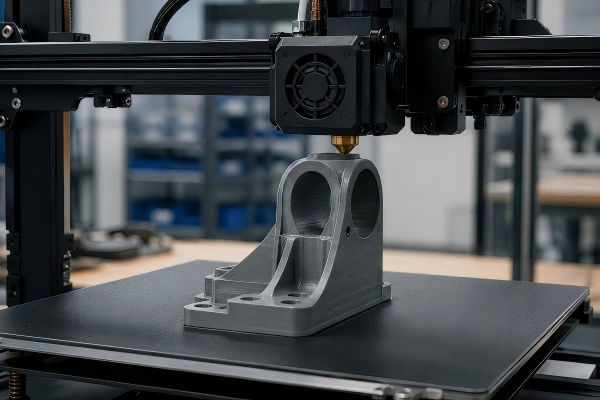
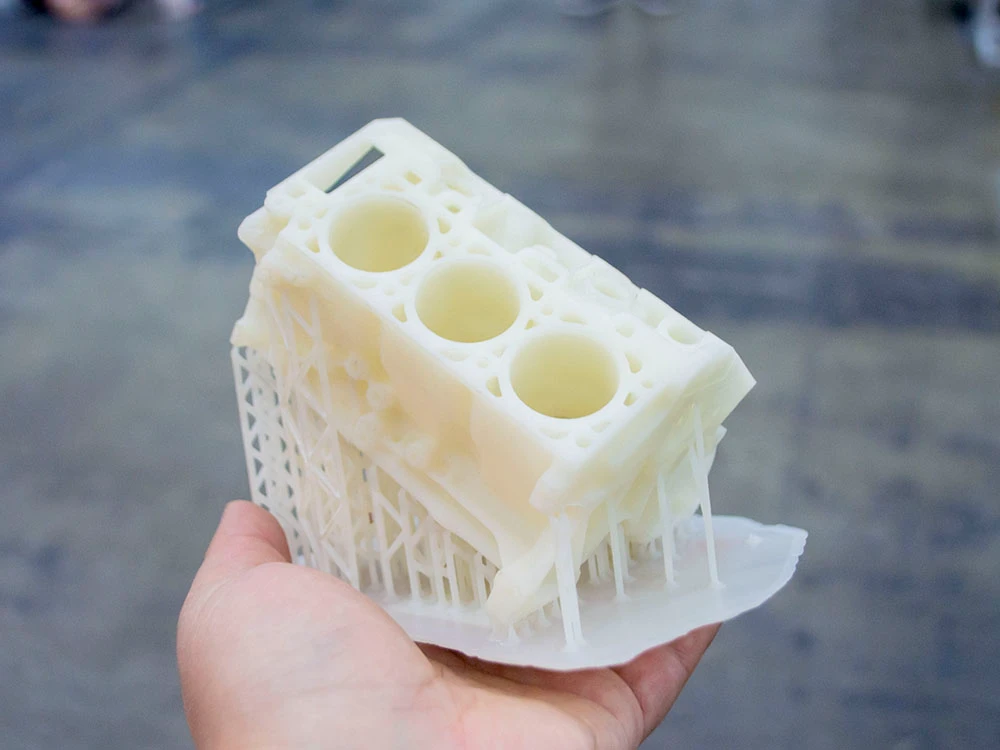
生产过程中, thermoplastic filament is fed into a heated nozzle, melted, and deposited along planned paths. The material cools and solidifies as each layer is completed, gradually forming the final part.
FDM is commonly used for concept models, functional prototypes, 夹具, 固定装置, 外壳, fit-check parts, and selected low-volume production needs. Depending on the project, suitable thermoplastic materials can be reviewed according to the required strength, 刚性, 灵活性, 耐热性, 外貌, and end-use conditions.
Because FDM parts are built layer by layer, the final result depends on the material, orientation, 壁厚, support strategy, feature size, dimensional expectations, 和表面光洁度要求. These factors should be reviewed before production begins.
Custom Prototypes
FDM 3D printing supports custom concept models, fit-check parts, 外壳, 括号, and functional prototypes for early design evaluation and iterative product development.
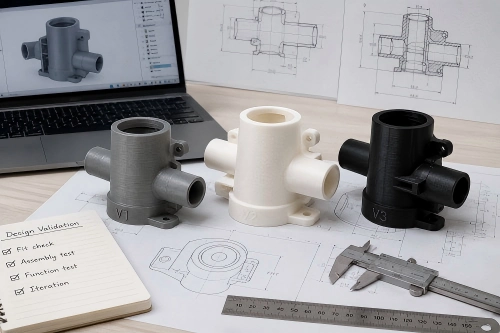
Rapid Design Validation
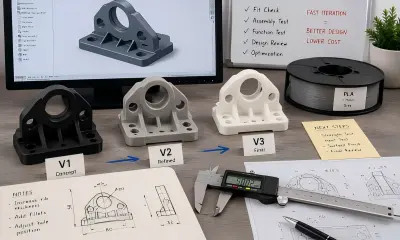
Updated 3D models can be produced for shape review, assembly checks, 功能测试, and design comparison before tooling or larger-scale manufacturing begins.
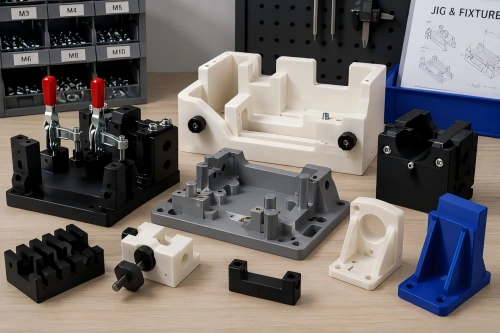
夹具, 固定装置, and Functional Parts
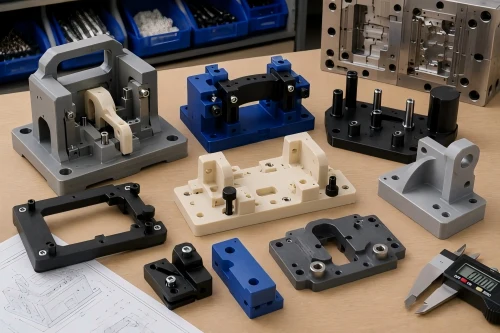
FDM can support custom jigs, 固定装置, positioning aids, protective covers, and selected functional parts where practical geometry, cost control, and fast iteration are important.
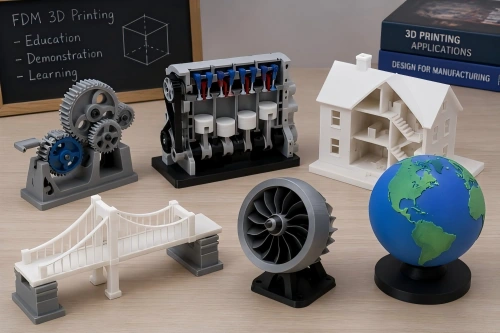
Education and Demonstration Models
FDM printing can be used for classroom models, engineering demonstrations, visual explanations, exhibition displays, and custom learning aids with clear structural features.
Creative Models and Design Studies
Designers can use FDM printing to evaluate product concepts, decorative models, form studies, personalized designs, and visual prototypes before refining the final manufacturing route.
Tooling Aids and Mold-Development Prototypes
FDM can support tooling aids, checking fixtures, assembly guides, pattern prototypes, and mold-development validation models before production tooling is finalized.
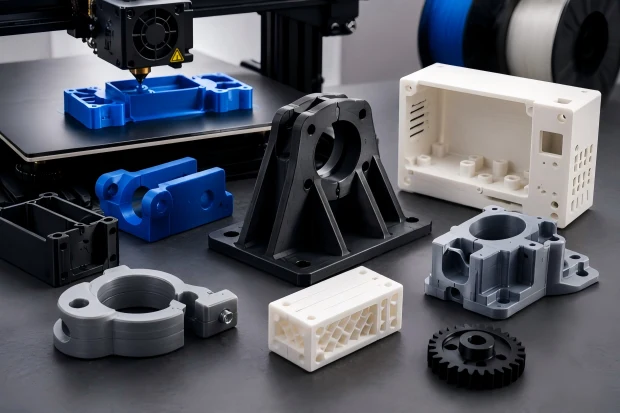
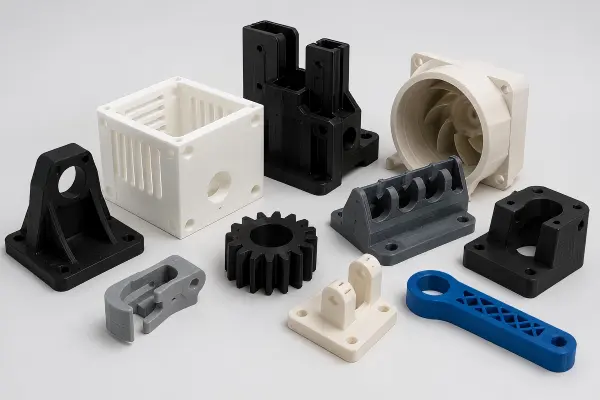
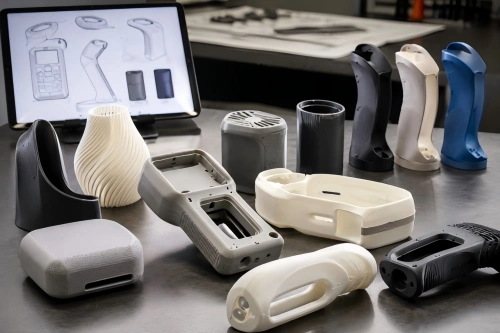
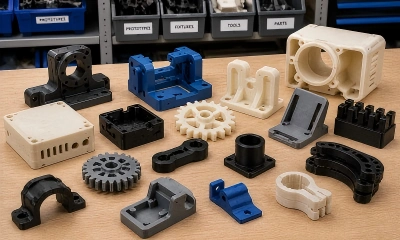
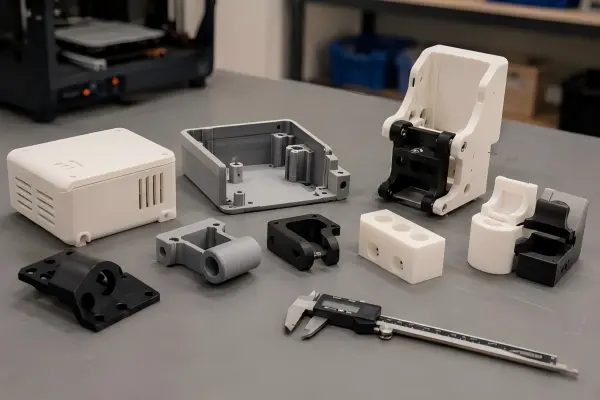
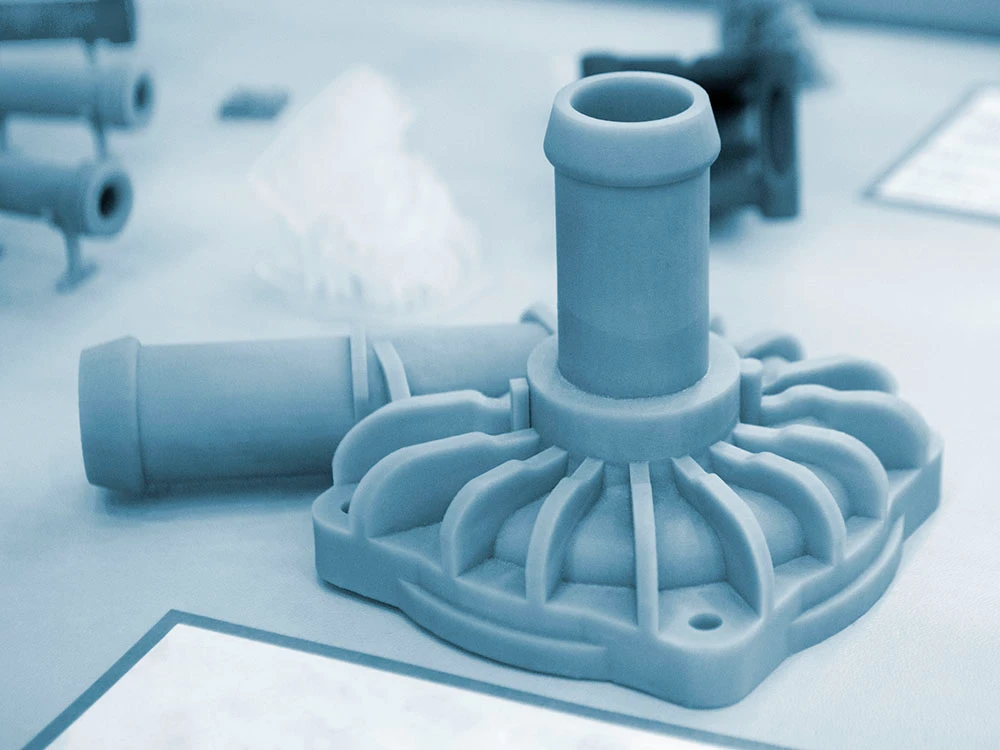
Explore selected FDM 3D printed part examples for concept models, functional prototypes, 夹具, 固定装置, 外壳, design validation, and selected low-volume production needs.
Each project is reviewed according to its geometry, thermoplastic material requirements, 壁厚, feature size, part orientation, support strategy, infill planning, surface expectations, dimensional priorities, 数量, and delivery needs.
The goal is to establish a practical manufacturing route that balances cost, 力量, 外貌, lead time, and the intended use of the finished part.
FDM can produce prototypes and functional models directly from a digital 3D file without requiring traditional tooling during the early development stage.
When a design changes, the updated model can be reviewed and printed again for fit checks, assembly evaluation, 功能测试, and visual comparison. This makes FDM a practical choice for projects that require fast iteration and careful cost control.
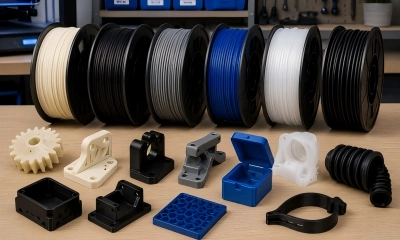
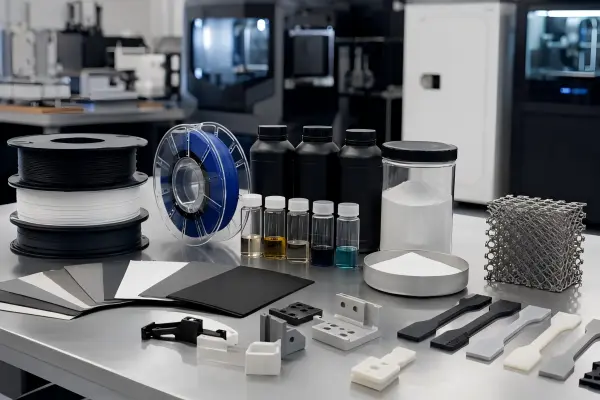
FDM uses thermoplastic filament and can support different material options according to the required strength, 刚性, 灵活性, 耐热性, 外貌, and end-use conditions.
The most suitable material should be reviewed together with the part geometry, 壁厚, orientation, support requirements, surface expectations, and functional priorities.
FDM can support housings, 括号, 夹具, 固定装置, positioning aids, protective covers, custom prototypes, and selected low-volume parts where practical geometry and fast delivery are important.
Part orientation, infill planning, support strategy, 壁厚, small features, and post-processing requirements should be reviewed before production to establish a suitable balance between cost, 力量, 外貌, 和交货时间.
Project requirements and model review
1. Define the intended use:
Confirm whether the part is required for concept evaluation, fit checking, 组装测试, functional validation, 夹具, 固定装置, 外壳, or selected low-volume production.
2. Review the digital model:
The 3D file is checked for geometry, 壁厚, thin sections, small features, 悬垂, 桥梁, enclosed areas, and other details that may affect FDM print quality or part performance.
Thermoplastic material selection
1. Review the material requirements:
The most suitable thermoplastic filament should be evaluated according to the required strength, 刚性, 灵活性, 耐热性, 外貌, and end-use conditions.
2. Match the material to the geometry:
Material behavior should be reviewed together with the wall thickness, part orientation, support strategy, dimensional expectations, 表面要求, and functional priorities of the finished part.
Build strategy and print planning
1. Plan the build orientation:
Part orientation affects strength direction, visible layer lines, support requirements, dimensional results, 表面质量, and production time.
2. Review the printing route:
Layer height, shell thickness, infill strategy, support placement, split lines, build quantity, and post-processing needs are reviewed according to the intended use of the part.
Printing and process checks
1. Produce the FDM parts:
The approved digital model, selected thermoplastic material, and planned build strategy are used to manufacture the required parts layer by layer.
2. Review the build results:
During and after production, the parts are checked for incomplete features, warpage, visible layer issues, weak local areas, support-related marks, and other process-specific concerns.
后处理, 检查, and delivery
1. Apply suitable post-processing:
Support removal, 打扫, 打磨, 抛光, 绘画, 涂层, 集会, and other suitable finishing options can be reviewed according to the project requirements.
2. Inspect and prepare the parts:
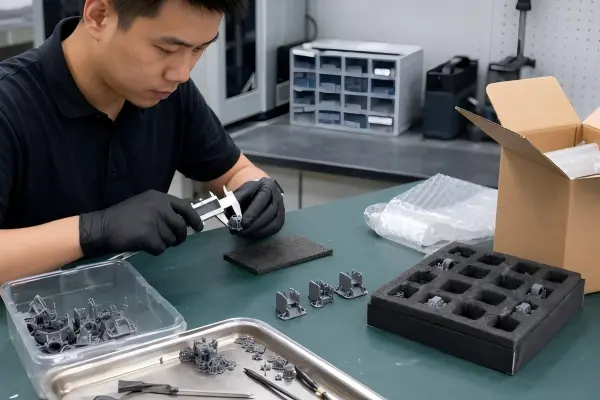
Key dimensions, 合身, 表面外观, 数量, and project-specific requirements are checked before packaging and delivery.
您是否需要一次性的功能原型, 小批量, 或重复生产零件, Rapid Efficient可协调加工路线, 检查计划, 表面饰面, 包装, 以及围绕您的项目要求的交付时间表.
通过原型 CNC 加工,更快地从图纸审查转向功能部件, 设计验证, 组装测试, 及工程评价.
对于合适的项目, 可以安排加急交货,起价至少为 3 工作日.
通过灵活的小批量 CNC 加工缩小原型批准和重复生产之间的差距.
我们协调材料选择, 加工, 尺寸检验, 表面处理, 和包装以保持每批次的稳定质量.
对于重复订单, 我们专注于图纸修订控制, 材料一致性, 关键特征检查, 表面光洁度稳定性, 和实际的交付计划.
目标很简单: 可靠的零件, 响应式沟通, 和稳定的供应.
Secure file upload. Fast quotation and machining review for your custom CNC parts.
Visible Layer Lines and Surface-Finish Variation
Risk:
Visible layer lines, uneven local areas, support marks, or rough surfaces may affect the appearance and usability of the finished part.
Common causes:
Layer height, part orientation, 几何学, support placement, thermoplastic material behavior, and the selected post-processing route can all influence surface quality.
How we address it:
Surface expectations are reviewed before production. Depending on the project, the build orientation, layer strategy, support planning, 打磨, 抛光, 绘画, or other finishing options can be evaluated.
Layer Adhesion and Mechanical-Performance Risks
Risk:
The printed part may not provide the required strength, 刚性, 灵活性, or durability for its intended use.
Common causes:
材质选择, layer direction, 壁厚, infill strategy, small features, local stress areas, and geometry can affect the mechanical performance of an FDM part.
How we address it:
The functional requirements and end-use conditions are reviewed before production. The thermoplastic material, build orientation, 壁厚, infill planning, and critical areas are evaluated according to the actual project needs.
Incomplete Features and Build-Quality Risks
Risk:
Thin features, unsupported sections, 桥梁, 悬垂, or enclosed areas may not print as expected and can affect the final result.
Common causes:
Small feature sizes, difficult geometry, unsuitable build orientation, limited support, bridging distance, and insufficient access for support removal can create manufacturing risks.
How we address it:
The digital model is reviewed before production to identify thin sections, unsupported areas, 桥梁, 悬垂, enclosed spaces, and other details that may require practical build-planning adjustments.
Dimensional Variation and Fit Issues
Risk:
The printed part may not meet the expected dimensions, hole sizes, slot widths, 装配配合, or interface requirements.
Common causes:
物质行为, build orientation, warpage, support removal, 后处理, 几何学, and feature size can affect dimensional results.
How we address it:
关键尺寸, 交配特征, assembly interfaces, and fit requirements are reviewed during project planning. Suitable inspection priorities and practical allowances can be considered before production begins.
Warpage and Deformation
Risk:
The finished part may bend, twist, distort, or lose the intended geometry during or after production.
Common causes:
Large flat surfaces, 薄壁, uneven thermal behavior, 材料收缩率, unsuitable orientation, limited support, and local geometry changes can increase deformation risks.
How we address it:
The thermoplastic material, build orientation, support strategy, 壁厚, infill planning, and part geometry are reviewed together. Where necessary, the part may be repositioned, split into sections, or adjusted before production.
Rapid Efficient supports custom FDM 3D printing projects across a wide range of industries. Each project is reviewed according to its intended use, thermoplastic material, 几何学, 壁厚, build orientation, support strategy, surface expectations, 数量, and delivery needs.