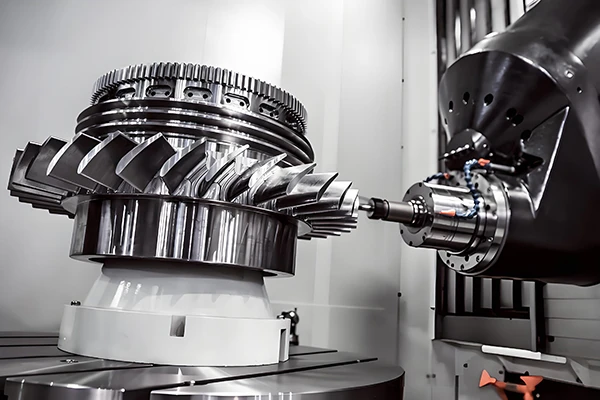
精密加工服务

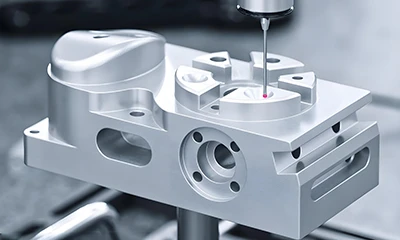
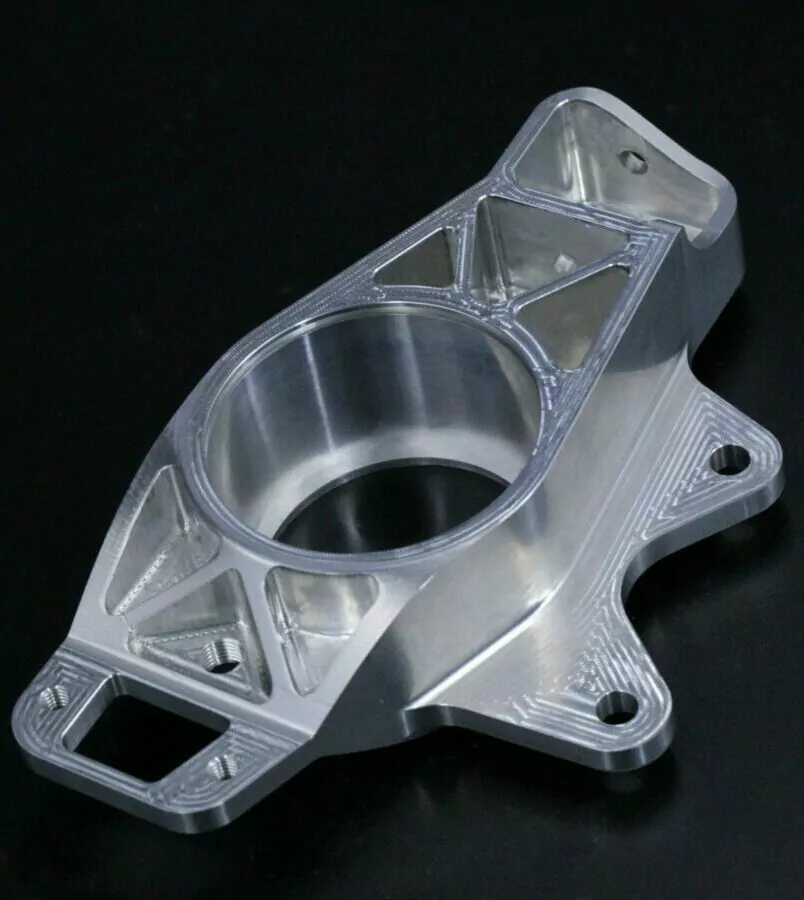
Rapid Efficient provides precision machining services for custom parts requiring controlled dimensions, critical fits, stable datum relationships, consistent surface quality, 和可靠的检验.

From functional prototypes and low-volume batches to repeat production, we review the material, 几何学, tolerance priorities, 表面饰面, 检验要求, and delivery schedule before quotation.

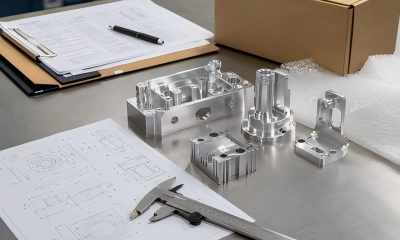
Upload Your Drawing for Precision Machining Review

Accepted files: 步, STP, IGS, IGES, X_T, PDF, 图纸, and DXF
Your files are secure and treated as confidential.
Tight-Tolerance Review

Critical features reviewed to ±0.005 mm where conditions allow

Inspection Planning

Datums, 适合, critical dimensions, and reporting needs reviewed early

Expedited Delivery

As little as 3 working days for suitable projects

Precision Machining for Critical Features and Stable Fits

Precision machining is not simply about applying the smallest possible tolerance to every dimension. The goal is to control the features that determine fit, 结盟, 密封, 运动, and assembly performance.

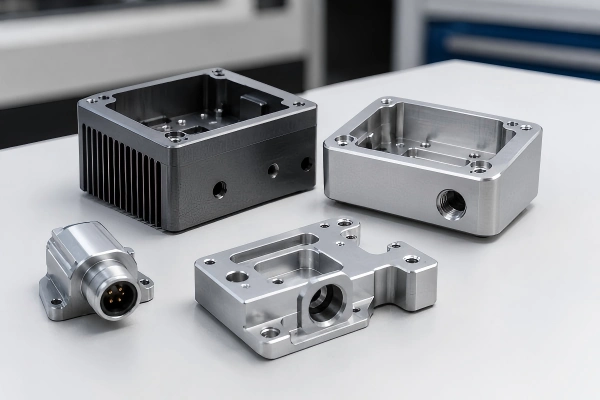
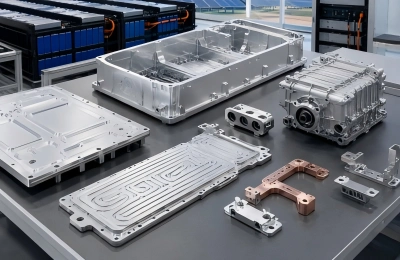
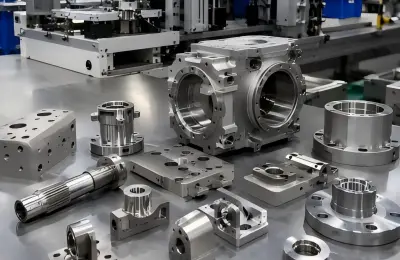
Rapid Efficient supports custom housings, 括号, 轴, 袖子, 固定装置, 适配器, mating components, and other precision parts requiring closer review of datums, critical dimensions, 位置公差, 平整度, concentric relationships, 耗尽, or surface roughness.

报价前, we review the material, 几何学, tolerance budget, datum scheme, 终点路线, inspection access, reporting requirements, and delivery priorities. Selected critical features requiring ±0.005 mm can be reviewed individually where the geometry, 材料, 加工路线, and inspection method allow.

From functional prototypes and low-volume batches to repeat production, we focus on fast response, stable process control, practical inspection planning, and consistent delivery.

Send your drawing for precision-machining review and fast quotation.
What Is Precision Machining?

Precision machining is a controlled manufacturing approach for parts where selected dimensions, 适合, geometric relationships, and surface requirements directly affect function. A part is not precision-machined simply because it was produced on a CNC machine. The machining route and inspection plan must be built around the features that matter most.

Depending on the design, precision machining may involve milling, 转动, 钻孔, 无聊的, 线程, multi-side machining, 去毛刺, 表面处理, and dimensional inspection.

Before production, the drawing should identify critical datums, functional dimensions, GD&技术要求, 适合, 配合面, 表面粗糙度, finishing allowances, and inspection expectations. Tight tolerances should be concentrated on function-critical features rather than applied blindly to every dimension.

Rapid Efficient reviews these requirements before quotation to help reduce avoidable cost, 返工, and delivery risk from functional prototypes to repeat-production orders.

Review our CNC machining tolerance chart

Precision Machining Applications for Critical Components

Rapid Efficient supports custom parts where functional dimensions, 基准关系, 表面质量, 检验要求, and repeatability must be controlled carefully.

Aerospace and High-Performance Equipment Components

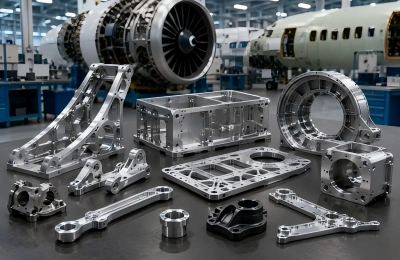
Precision machining supports lightweight brackets, 外壳, 固定装置, 适配器, 结构件, and other non-flight-critical parts for aerospace-related and high-performance equipment applications.

Projects are reviewed according to material, 几何学, 基准关系, critical dimensions, 表面质量, 检查需要, and traceability requirements.

Medical-Device and Laboratory Equipment Parts

Precision machining supports custom parts for medical-device equipment, 诊断仪器, 实验室系统, 固定装置, 外壳, 适配器, and other non-implant components.

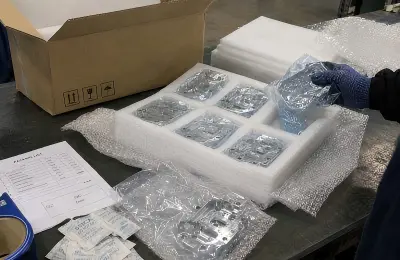
Depending on the project, we review material selection, 尺寸控制, 表面质量, cleanliness expectations, inspection planning, and packaging requirements.

Electronic, Communication, and Sensor Housings

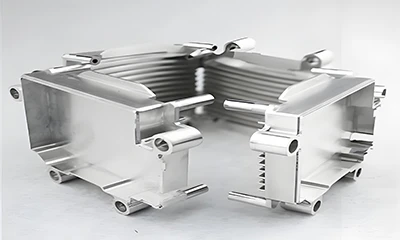
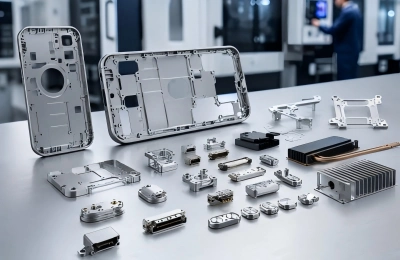
Precision machining is suitable for enclosures, 框架, heat-dissipation structures, communication-equipment housings, 传感器组件, and appearance-sensitive mechanical parts.

Critical features may include mating faces, sealing areas, hole positions, 壁厚, 平整度, 装饰表面, and assembly relationships.

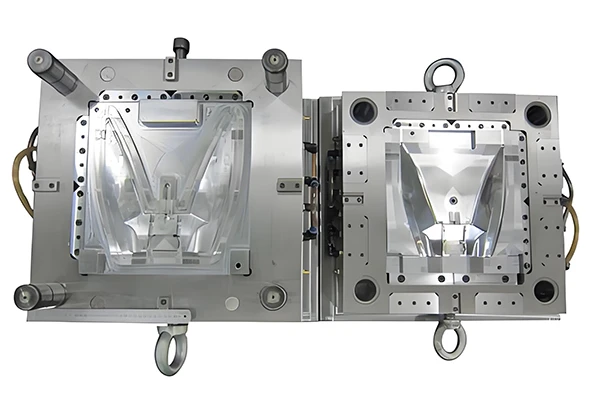
精密模具, 固定装置, and Mold Components

Precision machining supports inserts, 盘子, 固定装置, 夹具, mold components, locating features, and tooling parts requiring stable dimensions and repeatable assembly.

Before production, we review datum surfaces, hole positions, 平整度, fit requirements, wear areas, 表面饰面, and inspection methods.

Optical, Sensor, and Instrument Components

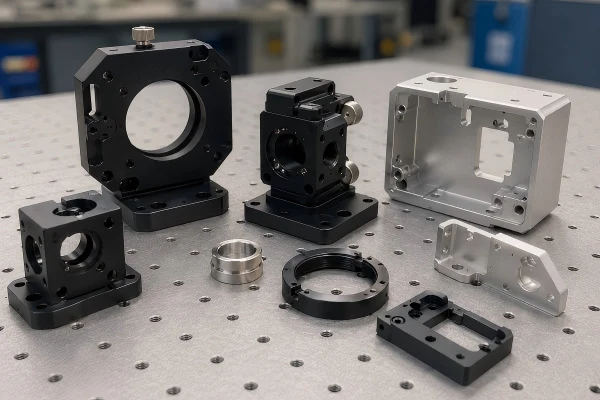
Precision machining supports custom mounts, 框架, holders, 外壳, 适配器, and structural components for optical, sensor, and precision-instrument applications.

Projects may require close review of alignment features, 配合面, hole positions, 平整度, 表面质量, cosmetic areas, and inspection access.

汽车, 机器人技术, and Industrial Components

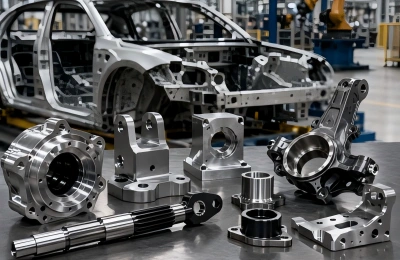
Precision machining supports custom brackets, 外壳, 固定装置, 适配器, motor-related components, automation parts, and mechanical structures for automotive, 机器人技术, and industrial-equipment applications.

The machining route is reviewed according to material, functional fits, 基准关系, critical dimensions, 表面饰面, 检验要求, 数量, and delivery priorities.

18+ Years
CNC machining experience
ISO
9001:2015认证
Inspection Planning
Datums, 适合, GD&时间, and reporting needs
从 3 Working Days
Expedited delivery for suitable projects
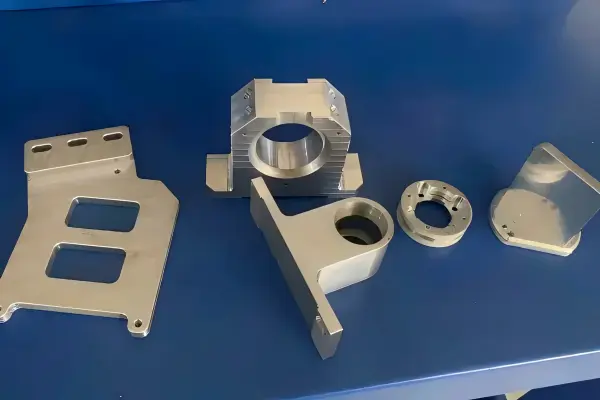
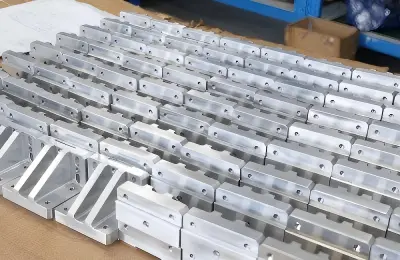
Custom Precision-Machined Parts Showcase

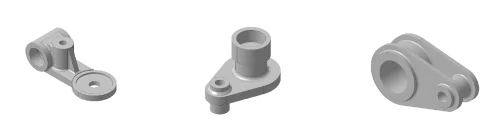
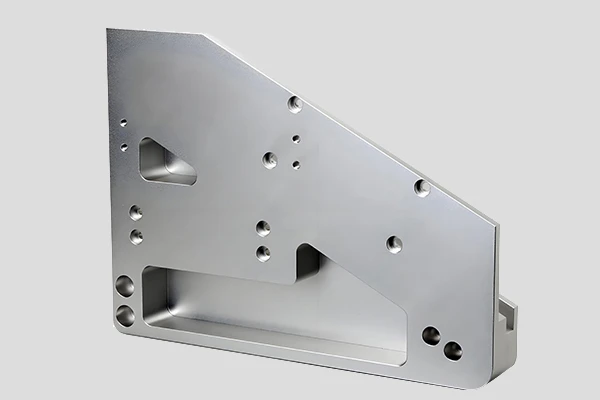
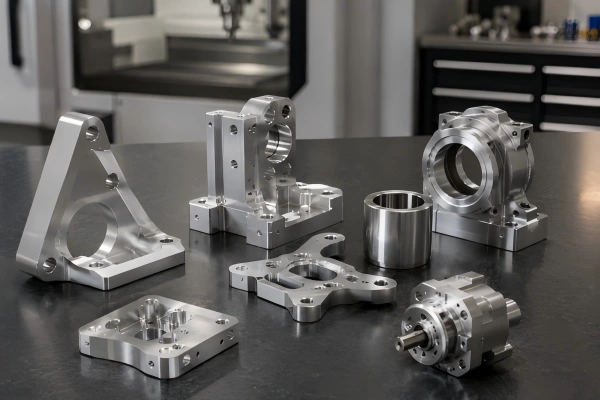
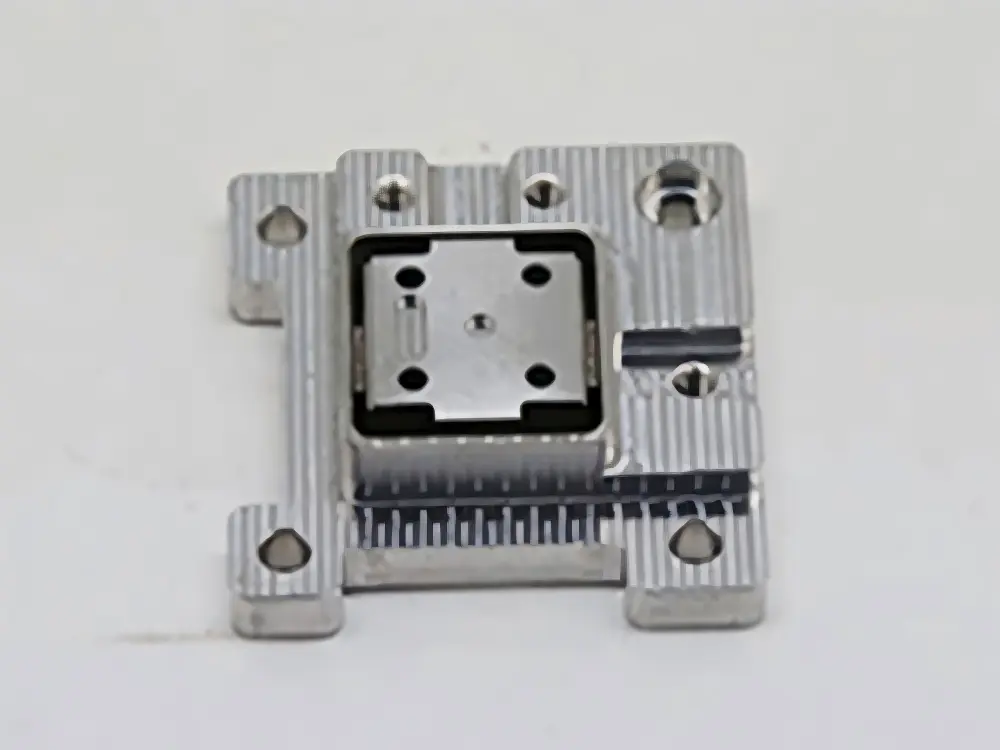
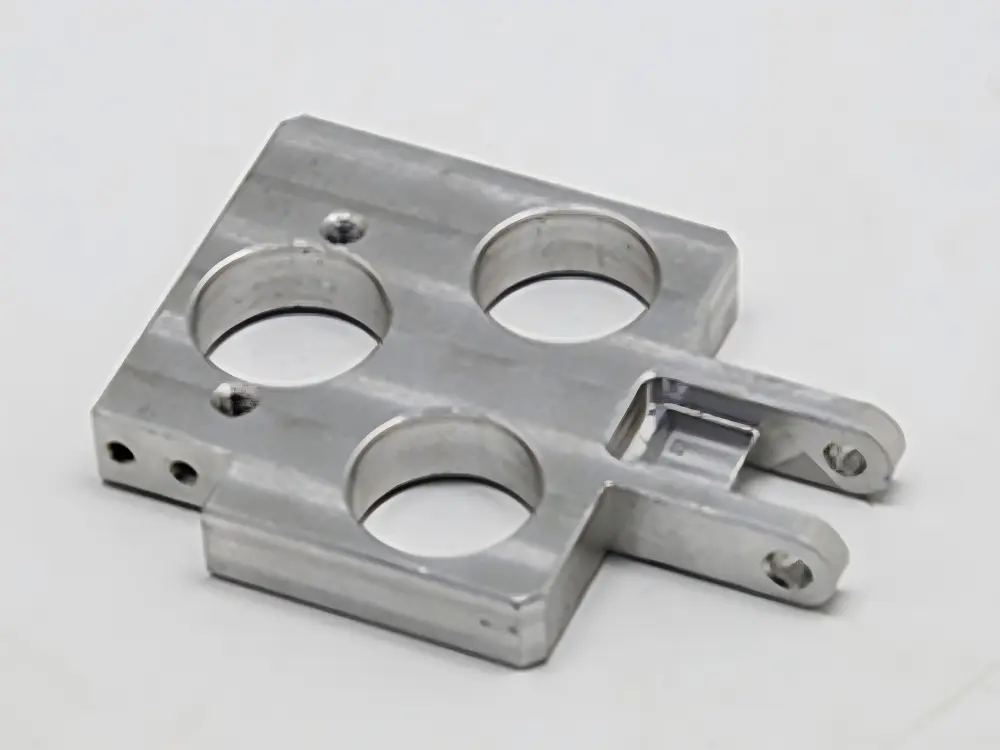
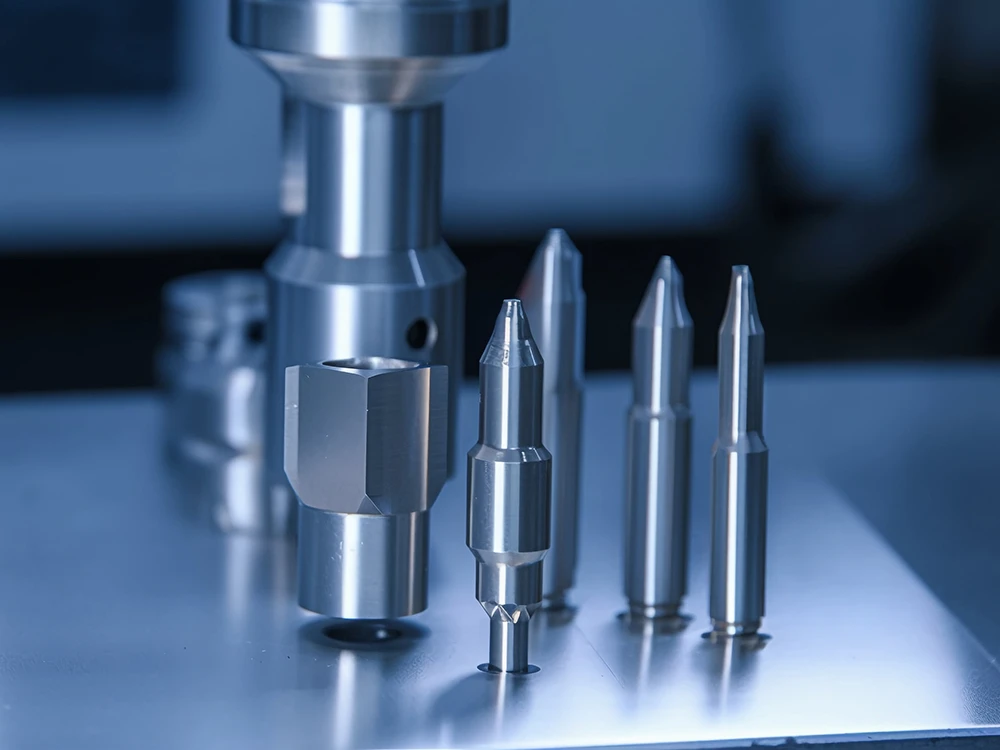
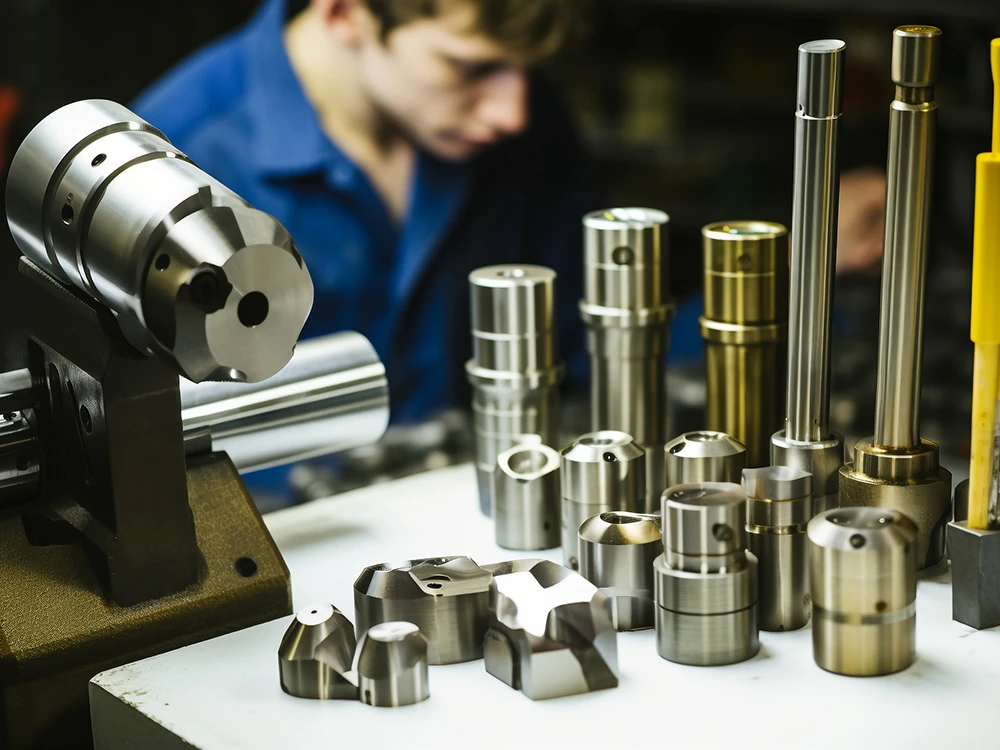
Explore a selection of custom precision-machined components supported by Rapid Efficient, including housings, 括号, 轴, 袖子, 固定装置, 适配器, mating parts, 传感器组件, and repeat-production parts.

Each project is reviewed according to its material, 几何学, datum scheme, functional fits, critical dimensions, GD&技术要求, 表面饰面, 检查方法, reporting needs, and production quantity. From prototypes to repeat orders, we focus on fast response, stable process control, reliable inspection, and consistent delivery planning.

Why Choose Rapid Efficient for Precision Machining?
Machining and Inspection Capabilities

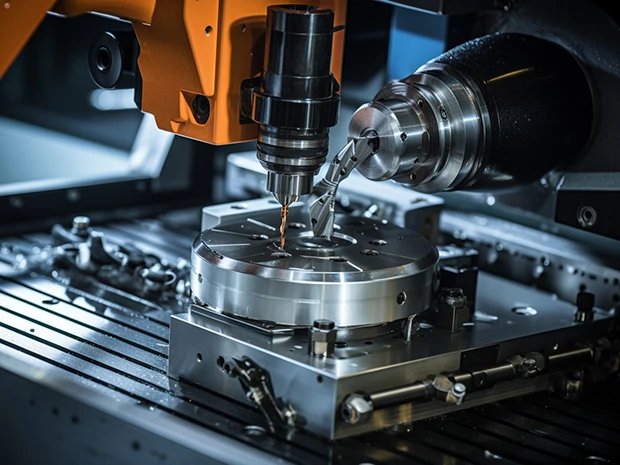
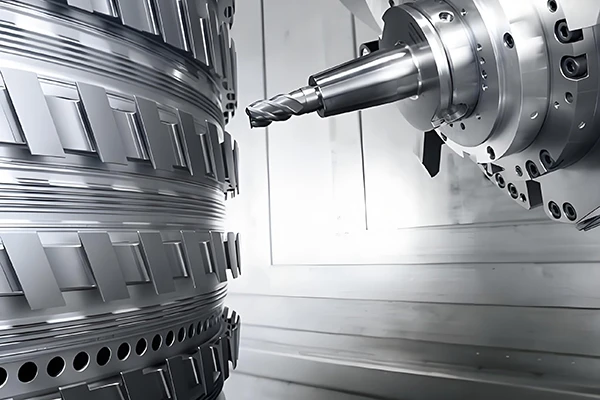
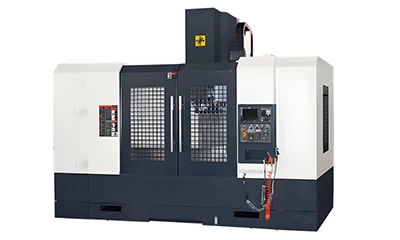
Rapid Efficient supports custom precision parts through coordinated CNC milling, 数控车削, 多轴加工, and dimensional inspection resources.

The machining route is reviewed according to the material, 几何学, datum scheme, tolerance priorities, 表面饰面, 数量, 检查方法, and reporting requirements. This helps match the process to the actual functional needs of the part instead of applying the same route to every project.

Fast Quotation and Expedited Delivery

Many quotations can be returned within 1 working day after the drawing, 材料, 数量, and finishing requirements are received.

For suitable precision-machining projects, 可以安排加急交货,起价至少为 3 工作日. The final schedule depends on the part geometry, 公差要求, 材料可用性, 检查计划, and secondary operations.

ISO 9001 Quality Management System

我们的ISO 9001 quality-management system supports structured review, 过程控制, inspection planning, and documentation coordination throughout the production process.

根据项目要求, 材料证明, dimensional inspection records, 三坐标测量机报告, and other supporting documents can be coordinated upon request.

Tight-Tolerance Review for Critical Features

Selected critical features requiring ±0.005 mm can be reviewed individually where the geometry, 材料, 加工路线, and inspection method allow.

We focus on the features that determine real performance, including datums, functional fits, hole positions, 平整度, concentric relationships, 耗尽, 配合面, 和表面粗糙度. Applying tight tolerances only where they are necessary helps control cost and lead time without compromising function.

Repeatability from Prototype to Repeat Production

Rapid Efficient supports one-off prototypes, low-volume batches, and repeat-production orders for custom precision parts.

For repeat projects, 我们专注于图纸修订控制, 材料一致性, 过程计划, 关键特征检查, finishing coordination, 包装, and delivery scheduling to maintain stable quality across batches.

How Do We Improve Precision-Machining Accuracy?

Six practical controls for improving dimensional accuracy, 重复性, and inspection reliability:

1. Define Critical Features and Datum Relationships

Precision machining begins with a clear understanding of how the part functions in the final assembly.

Before production, we review the drawing to identify the features that directly affect fit, 结盟, 密封, 运动, and assembly performance.

This includes:

1. Primary, secondary, and tertiary datums.
2. Critical dimensions and functional fits.
3. Hole positions, 配合面, and sealing areas.
4. 平整度, 垂直度, 并行性, 同心度, and run-out where applicable.
5. Inspection access for features that must be verified after machining.

A clear datum scheme helps prevent tolerance conflicts and keeps the machining route focused on the features that matter most.

Applying the smallest possible tolerance to every dimension does not automatically create a better part. It can increase machining time, 检查费用, scrap risk, and delivery pressure without improving function.

Selected critical features requiring ±0.005 mm can be reviewed individually where the material, 几何学, 加工路线, and inspection method allow.

To control cost and lead time, we recommend:

1. Prioritizing functional dimensions and mating features.
2. Using general tolerances for non-critical dimensions.
3. Separating dimensional tolerances from geometric tolerances.
4. Confirming surface-finish requirements only where they affect performance or appearance.
5. Reviewing the tolerance budget before production begins.

Material behavior can affect dimensional stability as stock is removed. 大口袋, 薄壁, flat plates, long shafts, and heavily machined structures may deform during machining or after unclamping.

Depending on the project, a more stable process may include:

1. Reviewing the material grade, 脾气, 库存形式, and residual-stress risk.
2. Using stress-relieved material where appropriate.
3. Separating roughing, 半精加工, and final finishing operations.
4. Removing material progressively and symmetrically where the geometry allows.
5. Inspecting critical dimensions after unclamping and allowing stabilization time where necessary.

Deformation control should be planned before machining, not treated as a correction step after the part is finished.

A precision part can still fail inspection if the workpiece is distorted during clamping or repeatedly repositioned without a stable datum strategy.

To improve repeatability, we review:

1. Datum surfaces and fixture-contact areas.
2. Clamping pressure and support locations.
3. 薄壁, unsupported features, and lightweight structures.
4. The number of required setups and repositioning operations.
5. Whether multi-axis machining can protect feature-to-feature relationships more effectively.

The goal is to secure the part without forcing it into a temporary shape that changes after machining.

Tool selection directly affects dimensional accuracy, 表面质量, cycle time, and process stability.

For tight-tolerance features, 深腔, narrow slots, tall ribs, and appearance-sensitive surfaces, we review:

1. 刀具直径, 几何学, sharpness, 涂层, and reach.
2. Spindle speed, 进给率, 和切削深度.
3. Finishing allowance and the number of finishing passes.
4. 刀具偏转, 振动, 排屑, and coolant access.
5. Tool-wear monitoring before critical finishing operations.

Stable cutting conditions help reduce avoidable variation and maintain consistent results across prototypes and repeat-production batches.

Inspection should be planned before machining begins, especially for parts with tight tolerances, complex datum relationships, or multiple functional surfaces.

Depending on the drawing requirements, the inspection plan may include:

1. 卡尺, 千分尺, 高度计, 螺纹量规, and pin gauges.
2. CMM inspection for critical geometric relationships and position tolerances.
3. Surface-roughness checks for functional or cosmetic areas.
4. Dimensional records, inspection reports, and material certificates where requested.
5. Final verification after unclamping, 精加工, and any required secondary operations.

Early inspection planning helps reduce rework, protect delivery schedules, and ensure that the reported measurements reflect the final condition of the part.

从图纸到交货

您是否需要一次性的功能原型, 小批量, 或重复生产零件, Rapid Efficient可协调加工路线, 检查计划, 表面饰面, 包装, 以及围绕您的项目要求的交付时间表.

快速数控原型制作

通过原型 CNC 加工,更快地从图纸审查转向功能部件, 设计验证, 组装测试, 及工程评价.

对于合适的项目, 可以安排加急交货,起价至少为 3 工作日.

快速 DFM 反馈
功能原型零件
快速设计迭代
加急交付选项
小批量 CNC 生产

通过灵活的小批量 CNC 加工缩小原型批准和重复生产之间的差距.

我们协调材料选择, 加工, 尺寸检验, 表面处理, 和包装以保持每批次的稳定质量.

灵活的生产数量
受控检查计划
表面精加工协调
批次质量稳定
重复生产支持

对于重复订单, 我们专注于图纸修订控制, 材料一致性, 关键特征检查, 表面光洁度稳定性, 和实际的交付计划.

目标很简单: 可靠的零件, 响应式沟通, 和稳定的供应.

图纸修订控制
可重复的检验标准
一致的整理要求
包装和交付协调
上传您的绘图
Start Production Faster

Secure file upload. Fast quotation and machining review for your custom CNC parts.

您需要了解的CNC精密加工常见问题
What Tolerances Can You Achieve for Precision-Machined Parts?

Achievable tolerances depend on the material, 零件尺寸, 几何学, 壁厚, datum scheme, 加工路线, 表面饰面, 及检验方法.

For selected critical features, tolerances down to ±0.005 mm can be reviewed individually where the conditions allow. These may include functional fits, 配合面, 精密孔, hole positions, flatness-sensitive areas, concentric relationships, and run-out requirements.

Tight tolerances should be applied where they protect fit, 结盟, 密封, 运动, or assembly performance. Applying the smallest possible tolerance to every dimension can increase cost, inspection time, and delivery risk without improving the final part.

Quality planning begins before machining. We review the drawing, 基准关系, functional fits, GD&技术要求, 表面饰面, 终点路线, and inspection expectations before production.

根据项目要求, inspection may include calipers, 千分尺, 高度计, 螺纹量规, 针规, 表面检查, and CMM inspection for critical geometric relationships.

材料证书, dimensional records, 三坐标测量机报告, and other supporting documents can be coordinated upon request. The inspection plan is matched to the functional risk and reporting requirements of the part.

The cost of a precision-machined part depends on more than its material and overall size.

The main cost drivers include:

1. 零件几何形状, number of setups, and tool-access difficulty.
2. 材质等级, 库存形式, and material-removal volume.
3. 严格公差特征, GD&技术要求, and inspection workload.
4. 深洞, 薄壁, narrow slots, small internal radii, and complex datum relationships.
5. Surface-finishing, 掩蔽, 热处理, 电镀, 钝化, and other secondary operations.
6. 数量, packaging requirements, documentation needs, and delivery schedule.

The most cost-effective approach is to apply tight tolerances and detailed inspection only where they create real functional value.

To prepare a fast and meaningful quotation, please provide as much of the following information as possible:

1. A 3D CAD file, such as STEP, STP, IGS, IGES, or X_T.
2. A 2D drawing with critical dimensions, 公差, GD&时间, and inspection notes where applicable.
3. Material grade and any traceability requirements.
4. Required quantity, including prototype and repeat-order expectations.
5. Surface-finish, heat-treatment, 涂层, 电镀, 钝化, or masking requirements.
6. Functional fits, 装饰表面, mating faces, sealing areas, and other critical features.
7. Required inspection reports, 材料证明, or supporting documents.
8. Target delivery date and any expedited-production requirements.

Many quotations can be returned within 1 working day after the key project details are received.

CNC加工的优势与挑战
精密加工: Advantages and Engineering Considerations

(1) Controlled Critical Dimensions and Functional Fits

Precision machining is most valuable when selected dimensions, geometric relationships, and surface requirements directly affect fit, 结盟, 密封, 运动, or assembly performance.

For critical features, tolerances down to ±0.005 mm can be reviewed individually where the material, 几何学, 加工路线, and inspection method allow.

(2) Better Control of Datum Relationships

A stable datum scheme helps protect hole positions, mating faces, 平整度, 垂直度, 并行性, concentric relationships, 耗尽, and other functional requirements.

By reviewing the drawing before production, the machining route can be focused on the features that matter most instead of applying unnecessary tight tolerances to every dimension.

(3) Flexible Support from Prototype to Repeat Production

Precision machining supports one-off functional prototypes, low-volume batches, design iterations, and repeat-production orders without dedicated molds or long tooling lead times.

For repeat projects, 我们专注于图纸修订控制, 材料一致性, 过程计划, 关键特征检查, finishing coordination, 包装, and delivery scheduling.

(4) Inspection Planning Built into the Process

Inspection should be planned before machining begins, especially for parts with tight tolerances, complex datum relationships, or multiple functional surfaces.

根据项目要求, dimensional records, 三坐标测量机报告, 材料证明, 表面检查, and other supporting documents can be coordinated upon request.

(1) Tight Tolerances Must Be Applied Selectively

The smallest possible tolerance is not always the best choice. Applying unnecessary tight tolerances to every dimension can increase machining time, inspection workload, scrap risk, and delivery pressure without improving function.

The most effective approach is to prioritize functional fits, 配合面, sealing areas, critical bores, hole positions, flatness-sensitive regions, concentric relationships, and run-out requirements.

(2) Material Stress and Part Geometry Affect Stability

大口袋, 薄壁, flat plates, long shafts, and heavily machined structures can deform as material is removed or after the part is released from the fixture.

Depending on the geometry, a more stable route may include material-condition review, controlled clamping pressure, staged roughing, 半精加工, final finishing, 平衡材料去除, and inspection after unclamping.

(3) Inspection Access Must Be Planned Early

A dimension cannot be controlled reliably if it cannot be inspected properly.

Before production, we review the datum scheme, critical dimensions, GD&技术要求, 深腔, internal features, multi-surface geometry, measuring access, reporting needs, and final-part condition after finishing.

(4) Surface Finish and Secondary Operations Can Affect Dimensions

阳极氧化, 电镀, 钝化, 抛光, blasting, 热处理, 掩蔽, and other finishing routes can affect dimensions, 线程, mating faces, sealing areas, 外貌, and packaging requirements.

These requirements should be confirmed before machining so the process and inspection plan reflect the final condition of the part.

(5) Cost and Lead Time Depend on the Tolerance Budget

The cost of precision machining depends on the material, 几何学, number of setups, tolerance concentration, GD&技术要求, inspection workload, 表面处理, documentation needs, 数量, and delivery schedule.

Applying detailed control only where it creates real functional value helps balance accuracy, 成本, 和交货时间.
CNC加工的应用领域

我们的CNC加工服务受到全球不同领域客户的好评. 我们为各行业提供数控加工部件, 涵盖以下内容及更多内容.

汽车

CNC加工支架支架, 外壳, 衬套, 轴, 适配器, 固定装置, 传感器组件, 以及用于汽车和移动项目的定制机械零件.

机器人与自动化

用于机械臂的精密加工部件, 自动化设备, 末端执行器, 关节, 电机相关零件, 传感器外壳, 固定装置, 和装配工具.

医疗设备

用于医疗器械设备的定制数控加工零件, 诊断仪器, 实验室系统, 外壳, 固定装置, 阀门, 适配器, 和非植入机械部件.

航天

轻型外壳的加工支撑, 括号, 固定装置, 结构件, 测试件, 以及用于航空航天相关应用的复杂铝或钛部件.

消费电子产品

外壳 CNC 加工, 框架, 散热部件, 按钮, 括号, 固定装置, 连接器组件, 和对外观敏感的铝制零件.

新能源

储能系统定制零件, EV相关设备, 电机外壳, 热管理组件, 括号, 连接器, 固定装置, 和机械组件.

工业设备

CNC 加工外壳, 轴, 袖子, 括号, 固定装置, 机器部件, 安装零件, 以及工业设备和生产系统的替换部件.

半导体设备

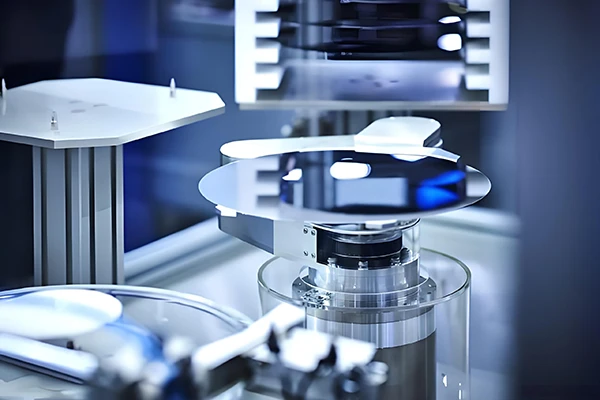
半导体设备精密加工零件, 自动化模块, 固定装置, 盘子, 括号, 外壳, 以及需要控制尺寸和清洁表面光洁度的组件.

滚动至顶部

获取报价

点击或拖拽文件到该区域即可上传. 您最多可以上传 10 文件.
文件格式:TXT PDF DOC DOCX XLS XLSX PPT PPTX JPG PNG ZIP RAR DWG DXF DXF DWT DWS DWS

3D文件格式: 步, STP, sldprt, IPT, prt, 坐着, IGES, IGS, catpart, X_T, OBJ, STL