
Introduction
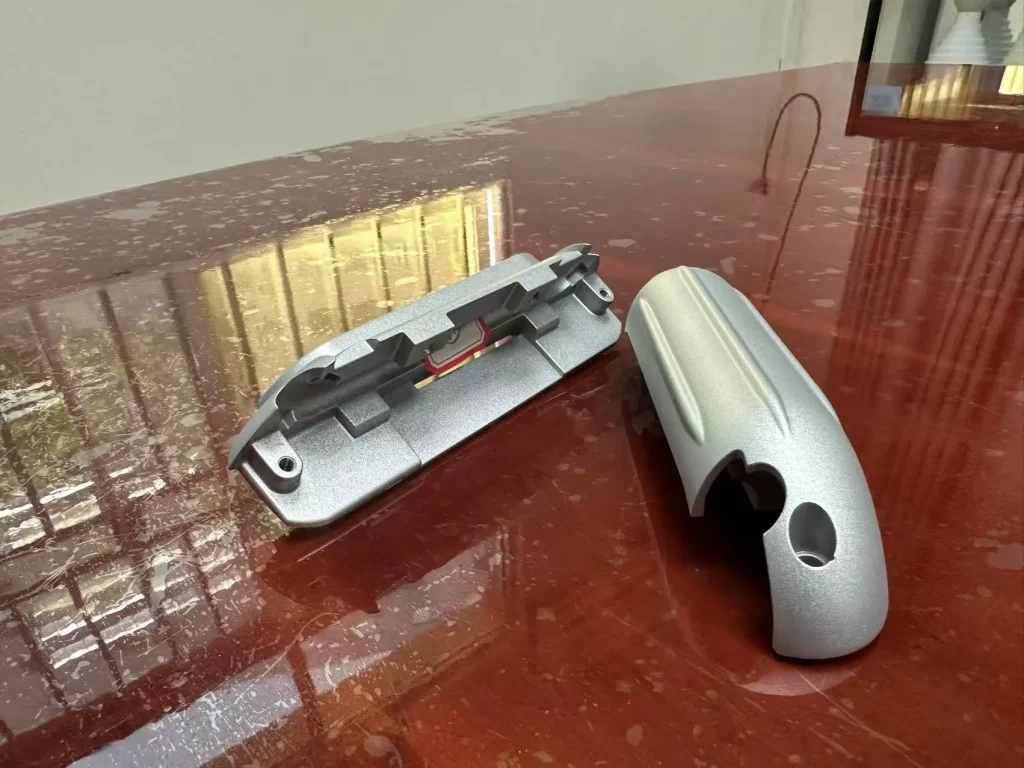
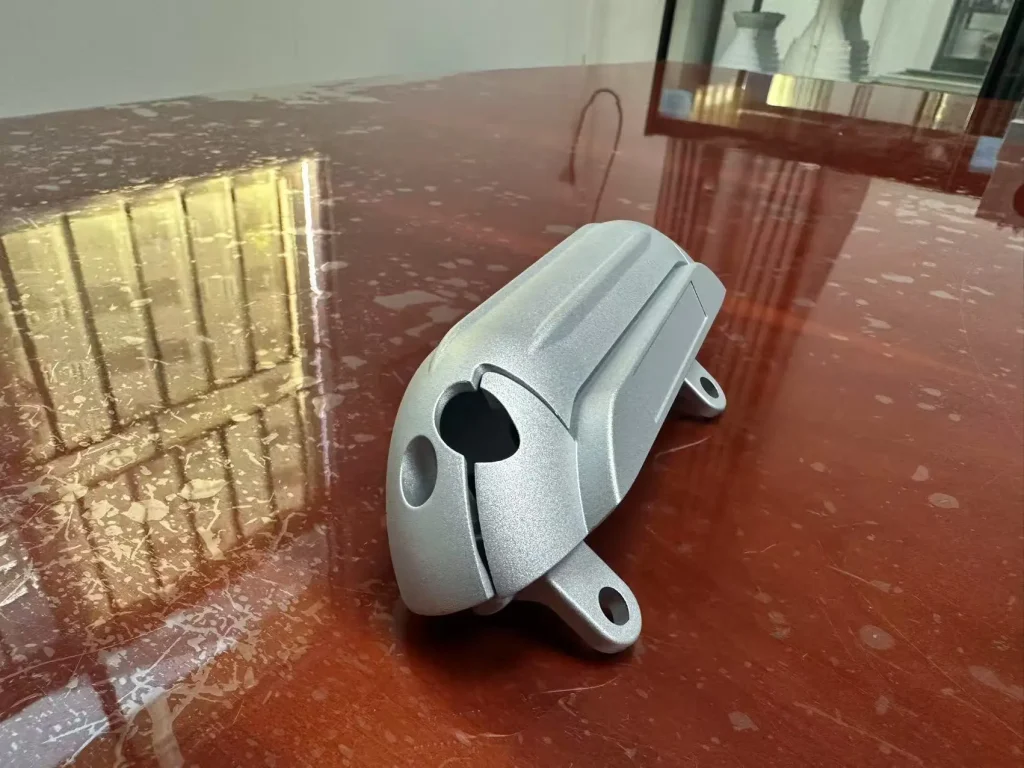
In modern automotive design, rearview mirror brackets are no longer simple structural components. They integrate cameras, heating systems, and folding mechanisms, requiring high precision, strength, and stability.
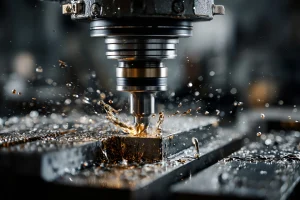
At Rapidefficient, we specialize in high-precision CNC machining for complex automotive components, including rearview mirror brackets. This guide shares our engineering experience—from material selection and machining strategies to deformation control and quality assurance.
Key Challenges in Machining Mirror Brackets
Rearview mirror brackets typically feature:
- Multi-angle geometries
- Tight tolerance holes
- Thin-wall structures
- High cosmetic requirements
These characteristics make them one of the more challenging automotive CNC components.
1. Material Selection for Strength & Lightweight Design
Aluminum alloys are widely used due to their excellent strength-to-weight ratio.
Common Materials
- AL6061 → good machinability, cost-effective
- AL7075 → high strength, suitable for structural parts
Our Approach
- Strict supplier qualification
- Batch material inspection
- Pre-anodizing testing to avoid color inconsistency
2. DFM Optimization for Better Manufacturability
Before machining, our engineers provide DFM (Design for Manufacturability) analysis.
Key Improvements
- Optimize fillet radius to extend tool life
- Reduce machining time without affecting function
- Improve overall production efficiency
👉 This helps customers reduce cost while maintaining performance.
3. Precision Machining Technology
To meet automotive requirements, we use advanced CNC capabilities:
Our Equipment
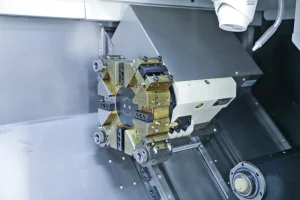
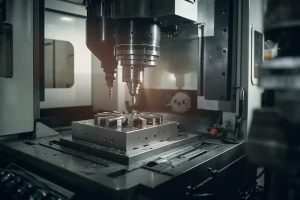
- Multi-axis CNC machining centers
- Turn-mill combined machines
Key Technology
- 3+2 axis machining for multi-angle features
Advantages
- Reduced re-clamping errors
- Improved positional accuracy
- ~15% higher efficiency vs traditional methods
4. Thin-Wall Deformation Control
Thin-wall structures are highly prone to deformation during machining.
Our Solution
Process Flow:
- Rough Machining
- Stress Relief (Aging)
- Finish Machining
Additional Measures
- Custom vacuum fixtures
- Hydraulic clamping systems
- Uniform force distribution
👉 Effectively minimizes deformation and ensures dimensional stability.
5. Surface Finishing & Corrosion Resistance
Surface treatment is critical for both appearance and durability.
Key Process
- Hard anodizing
Control Standards
- Thickness control: 0.008–0.012 mm (single side)
- Salt spray resistance compliance
Engineering Advantage
We compensate dimensions during design to ensure:
- Thread accuracy
- Bearing fit (H7 tolerance)
after anodizing
6. Automotive Quality Control System
Quality is critical for automotive safety components.
Our System
- IATF 16949-based quality management
- Full traceability from material to delivery
Inspection Equipment
- CMM (Coordinate Measuring Machine)
- Spectrometers for material verification
Process Control
- IPQC inspection every 2 hours
- Multi-stage quality checkpoints
7. Flexible Production & Lead Time
We understand the fast development cycles in automotive projects.
Our Capability
- Prototype lead time: 3–7 days
- No MOQ for small batch production
- Scalable to mass production
8. Cost Optimization Strategy
Instead of competing on low price, we focus on:
- Process optimization
- Yield improvement
- Stable production
👉 Typically achieving 5%+ efficiency improvement vs industry average
9. Reliable Partnership & After-Sales Support
Choosing a supplier means choosing a long-term partner.
Our Commitment
- NDA protection for all projects
- 24-hour response for quality issues
- Full responsibility for quality deviations
Conclusion
Manufacturing automotive rearview mirror brackets is a complex engineering process that requires:
- Advanced CNC machining technology
- Deep understanding of materials
- Strict quality control systems
At Rapidefficient, we combine engineering expertise with production capability to deliver high-precision, reliable automotive components.