
介绍
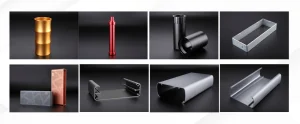
Aluminum alloys are widely used in industries such as aerospace, 汽车, 电子产品, and industrial equipment due to their excellent strength-to-weight ratio and machinability.
然而, the performance and appearance of CNC machined aluminum parts depend heavily on the surface finishing process. Choosing the right finishing method not only enhances aesthetics but also improves durability, 耐腐蚀性, and overall product quality.
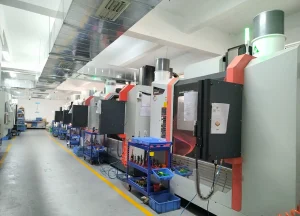
At 快速高效, we provide a wide range of surface finishing solutions tailored to different applications. Below is a practical guide to the most commonly used finishing processes for aluminum CNC parts.
1. Sandblasting (Matte Surface Finish)
Sandblasting uses high-speed abrasive particles to impact the aluminum surface, creating a uniform matte texture.
Key Benefits
- Removes machining marks
- Creates consistent surface roughness
- Improves coating adhesion (例如。, 阳极氧化, 绘画)
- Provides a modern, industrial appearance
Typical Applications
- 外壳
- Panels
- Structural frames
2. 打磨和抛光 (Smooth & 镜面处理)
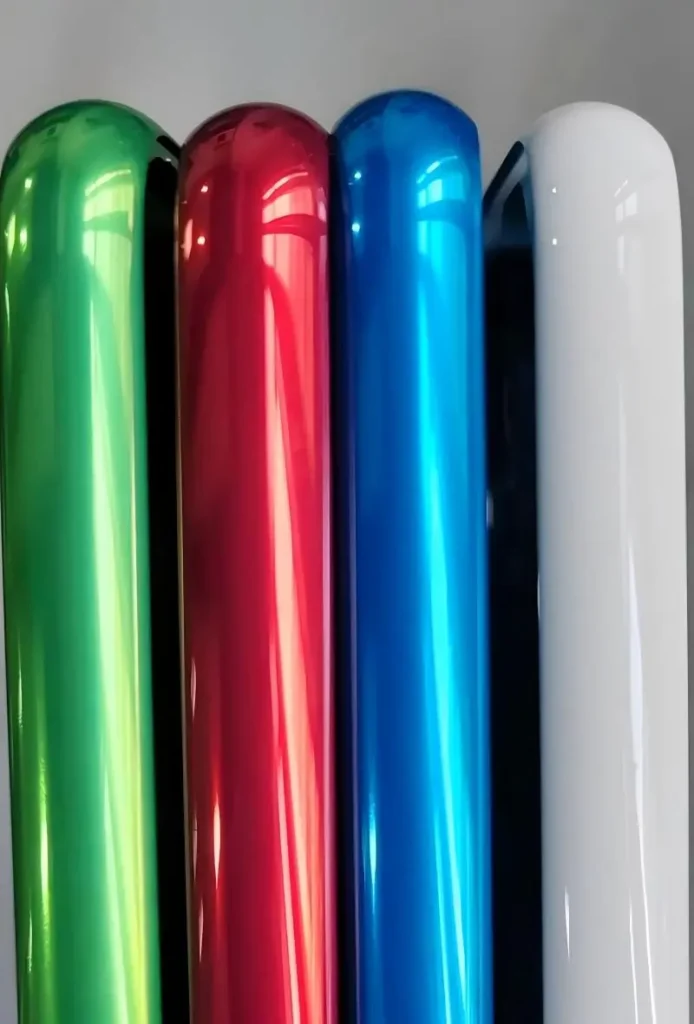
Grinding and polishing reduce surface roughness and can achieve a smooth or even mirror-like finish.
Key Benefits
- High surface smoothness
- Premium appearance
- Reduced friction
Typical Applications
- Decorative components
- Consumer electronics parts
- High-end aluminum products
3. Brushing (Wire Drawing Finish)
Brushing creates a linear texture by mechanically abrading the surface in one direction.
Key Benefits
- Distinctive linear grain
- Modern, aesthetic look
- Hides minor surface imperfections
Typical Applications
- Aluminum panels
- Consumer electronics housings
- Architectural components
4. High-Gloss CNC Machining (Highlight Finish)
High-gloss machining uses precision CNC tools to create bright, reflective edges or localized glossy areas.
Key Benefits
- Sharp visual contrast
- Premium design details
- Enhanced product aesthetics
Typical Applications
- Aluminum frames
- Decorative edges
- High-end product housings
5. 阳极氧化 (Functional & Protective Finish)
Anodizing is an electrochemical process that forms a durable oxide layer on the aluminum surface.
Key Benefits
- Improved corrosion resistance
- Increased surface hardness
- Long-lasting color stability
- Enhanced wear resistance
Typical Applications
- Functional components
- Outdoor equipment
- Industrial parts
How to Choose the Right Surface Finish
Selecting the right finishing process depends on your product requirements:
✅ Choose Sandblasting
- When you need a matte texture
- As a pre-treatment before anodizing
✅ Choose 抛光
- For high-end, mirror-like appearance
✅ Choose Brushing
- For modern, textured design
✅ Choose High-Gloss Machining
- For premium visual highlights
✅ Choose 阳极氧化
- For durability and corrosion resistance
Rapidefficient Surface Finishing Capabilities
快速地, we support both prototype and mass production with consistent finishing quality.
What We Offer
- Multiple finishing options in-house
- DFM support for surface treatment compatibility
- Strict quality control for cosmetic parts
- Reliable global delivery
We ensure that surface finishing is not just an afterthought—but an integrated part of the manufacturing process.
结论
Surface finishing plays a critical role in both the functionality and appearance of CNC machined aluminum parts.
By selecting the right process early in the design stage, you can:
- Improve product performance
- Reduce manufacturing risks
- Achieve the desired visual effect
If you’re unsure which finishing method best suits your project, our engineering team is ready to provide professional recommendations.