
介绍
In aerospace and defense applications, aluminum CNC machined parts must meet strict requirements for 轻量级设计, 耐腐蚀性, and long-term reliability.
然而, aluminum components used in outdoor environments are highly susceptible to oxidation and corrosion, which can directly impact performance and lifespan.
At 快速高效, we conducted a series of process optimization experiments to improve the salt spray resistance of custom CNC machined aluminum parts. This article shares our findings and practical solutions.
The Challenge: Failing Salt Spray Tests
During initial production, some aluminum components failed standard salt spray testing, showing:
- Surface blackening
- Local corrosion spots
- Reduced surface integrity
These issues posed risks for aerospace applications where durability is critical.
Key Factors Affecting Salt Spray Performance
1. Cutting Fluid Composition
在CNC加工期间, certain additives in cutting fluids can react with aluminum surfaces.
Findings
- Chemical residues caused micro-corrosion
- Formation of microscopic pinholes after anodizing
- Early failure in salt spray testing (之内 24 小时)
解决方案
- Use low-corrosion or aluminum-compatible cutting fluids
- Improve cleaning process before anodizing
2. Anodizing Oxide Film Thickness
The thickness of the anodized oxide layer directly affects corrosion resistance.
Test Results
- 5µm thickness → blackening after ~24 hours
- 7µm thickness → failure after ~36 hours
结论
Thin oxide layers cannot provide sufficient protection for outdoor aerospace applications.
3. Post-Anodizing Sealing Process
Even with sufficient oxide thickness, sealing quality is critical.
Optimization
- High-temperature sealing
- 温度: ≥ 65°C
- Duration: ≥ 25 分钟
Result
- Improved surface stability
- Reduced porosity
- 增强耐腐蚀性
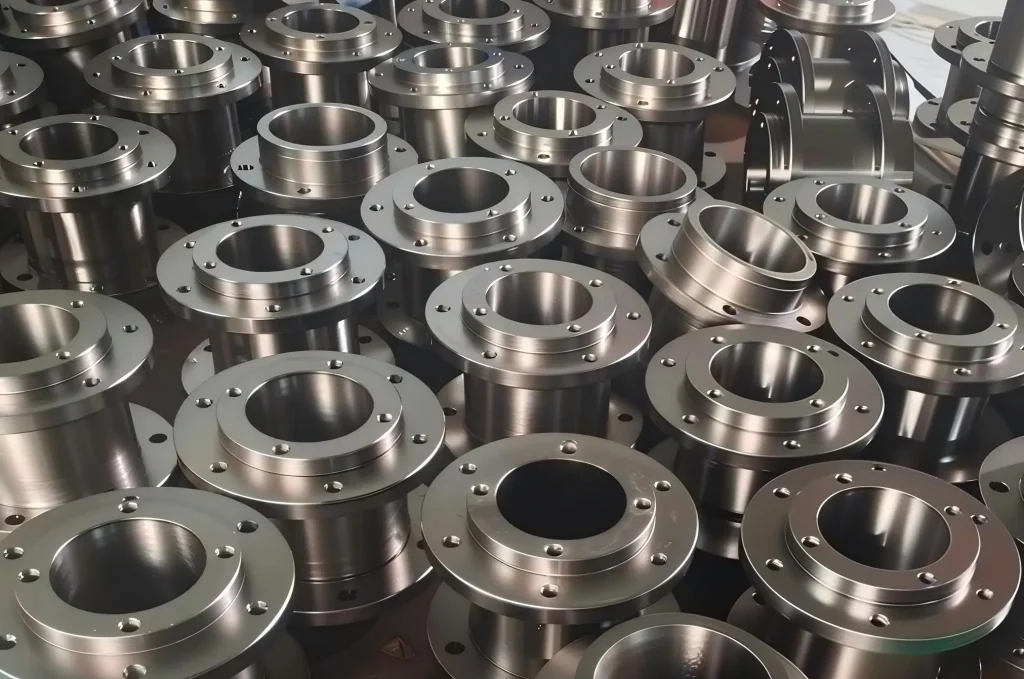
Final Result
After process optimization:
✅ Salt spray resistance improved to 96+ 小时
✅ Surface defects significantly reduced
✅ Product reliability meets aerospace requirements
Key Takeaways for CNC Aluminum Parts
To achieve high salt spray resistance:
- Select low-corrosion cutting fluids
- Ensure sufficient anodizing thickness (≥ 8µm recommended)
- Apply proper sealing treatment
- Control the entire process chain, not just anodizing
Why This Matters
For industries such as aerospace, 防御, and outdoor equipment:
- Corrosion can lead to performance failure
- Surface defects impact product lifespan
- Poor finishing increases maintenance costs
A properly optimized process ensures long-term durability and consistent quality.
Rapidefficient Capability
快速地, we provide:
- CNC加工 + surface treatment integration
- Process optimization for corrosion resistance
- Stable quality for international projects
- Engineering support for aerospace-grade components
结论
Salt spray resistance is not determined by a single process—it is the result of a fully controlled manufacturing system.
By optimizing machining, 阳极氧化, and sealing processes together, we successfully improved the durability of aluminum CNC parts for demanding environments.