Rapid Efficient provides custom plastic 3D printing services for prototypes, Funktionsteile, visual models, Vorrichtungen, design validation, and low-volume production.
Depending on the project requirements, we can review suitable FDM, SLA, and SLS printing routes according to the material, Geometrie, Oberflächenbeschaffenheit, feature detail, functional priorities, expected quantity, and delivery needs.
Upload Your Part Design for Plastic 3D Printing Review
Accepted files: SCHRITT, STP, Sldprt, IPT, Prt, Sa, IGES, IGs, Catpart, X_t, Obj, and STL
Your files are secure and treated as confidential.
Process Selection Support
FDM, SLA, and SLS review based on your project needs
Prototype and Low-Volume Support
Design validation, Funktionsteile, and iterative testing
Material and Finish Review
Material, Geometrie, detail, and surface requirements
Why Choose Rapid Efficient for Plastic 3D Printing?
Plastic 3D Printing Support for Prototypes and Low-Volume Parts
Plastic 3D printing offers a practical route for prototypes, visual models, Funktionsteile, Vorrichtungen, design validation, and selected low-volume production needs.
Rapid Efficient reviews each project according to its geometry, feature detail, surface-finish expectations, functional priorities, material requirements, expected quantity, and delivery needs.
Abhängig von der Anwendung, FDM can support cost-effective concept and functional prototypes, SLA can provide finer details and smoother surfaces, and SLS can be considered for durable nylon parts with complex geometry.
Send your 3D model for process review and fast quotation.
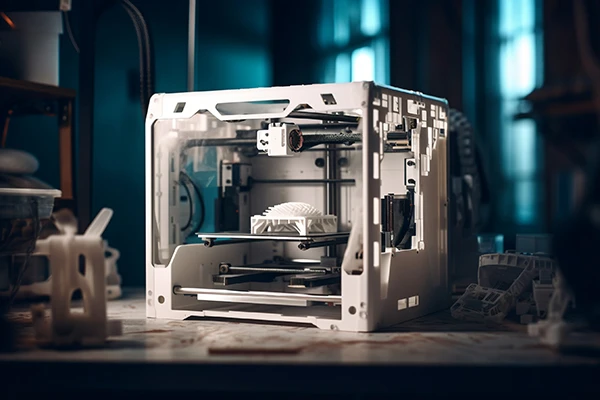
Plastic 3D printing is an additive manufacturing process that creates parts layer by layer from a digital 3D model. Unlike subtractive machining, which removes material from a larger workpiece, 3D printing builds the required geometry only where material is needed.
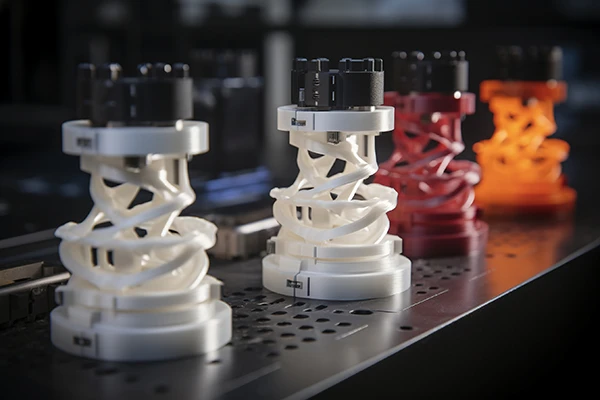
Different plastic 3D printing processes serve different purposes. FDM commonly uses thermoplastic filament for cost-effective prototypes and functional models. SLA uses liquid resin to produce finer details and smoother surfaces. SLS uses polymer powder, often nylon-based materials, to create durable parts with complex geometry without traditional support structures.
Plastic 3D printing is commonly used for concept models, design verification, fit checks, functional prototypes, jigs, Vorrichtungen, presentation models, and selected low-volume parts.
The most suitable process depends on the required material, Geometrie, Stärke, Oberflächenbeschaffenheit, feature detail, dimensional expectations, Menge, and end-use conditions.
Plastic 3D Printing Application Examples
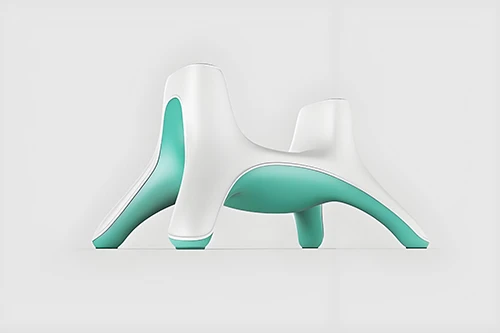
Industriedesign und Prototyping
Plastic 3D printing supports concept models, design validation, fit checks, functional prototypes, and iterative testing before a project moves into tooling or larger-scale production.
Medical-Device Equipment Models
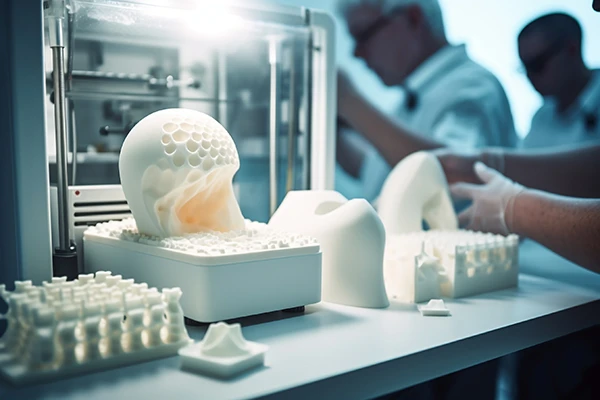
Plastic 3D printing can support non-implant medical-device equipment models, diagnostic-instrument prototypes, training models, Gehäuse, Vorrichtungen, and visual validation parts where geometry and surface requirements must be reviewed carefully.
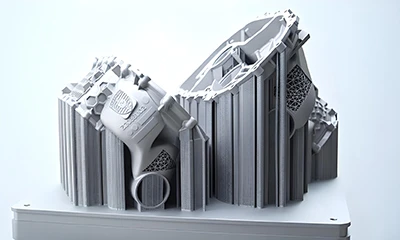
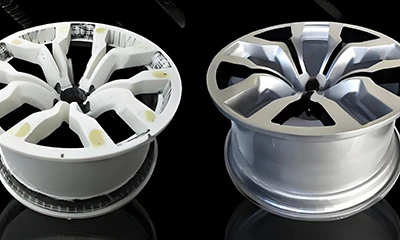
Automotive Design Validation
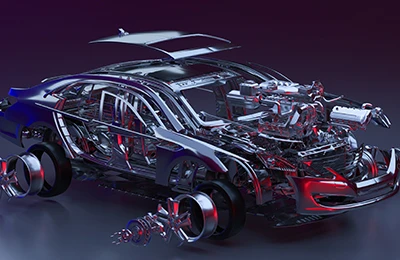
Plastic 3D printing can be used for automotive concept models, interior-component prototypes, covers, Klammern, clips, fit-check parts, and design-review samples before final manufacturing decisions are made.
Education and Demonstration Models
3D printed plastic models can support classroom demonstrations, engineering education, visual explanations, exhibition displays, and custom learning aids with complex shapes and clear structural details.
Architectural Models
Plastic 3D printing supports architectural scale models, design-presentation models, building components, interior-layout studies, and complex visual structures for communication and project review.
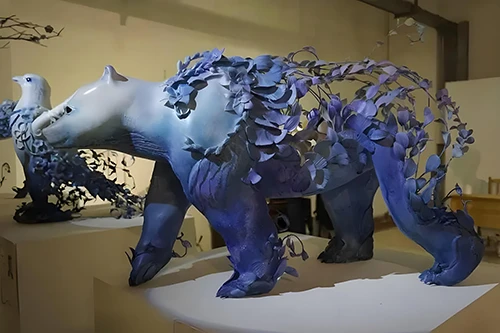
Consumer Products and Creative Models
Plastic 3D printing can support consumer-product prototypes, decorative models, lighting concepts, household accessories, personalized designs, and creative products that require fast visual evaluation.
FDM Review
Cost-effective prototypes and functional models
ISO
9001:2015Zertifizierung
SLA Review
Fine details, smooth surfaces, and visual models
SLS Review
Durable nylon parts and complex geometry
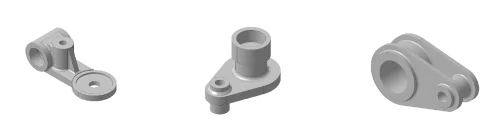
Selected Plastic 3D Printed Part Examples
Explore selected plastic 3D printed part examples for prototypes, functional models, Vorrichtungen, design validation, visual presentations, and selected low-volume production needs.
Each project is reviewed according to its geometry, material requirements, feature detail, surface-finish expectations, functional priorities, Menge, and delivery needs.
Abhängig von der Anwendung, FDM, SLA, and SLS printing routes can be evaluated to establish a practical balance between cost, Aussehen, Stärke, Komplexität, und Vorlaufzeit.
Die Hauptvorteile des Kunststoff-3D-Drucks
Key Advantages of Plastic 3D Printing
Plastic 3D printing is not limited to a single manufacturing route. FDM, SLA, and SLS each offer different advantages depending on the required geometry, Material, feature detail, Oberflächenbeschaffenheit, functional priorities, und Budget.
Selecting the most suitable process early helps create a practical balance between appearance, Stärke, Komplexität, lead time, and project cost.
Complex Geometry and Design Freedom
Plastic 3D printing can produce complex shapes, internal features, lightweight structures, custom fixtures, and design details that may be difficult or inefficient to manufacture through conventional methods during the early development stage.
The most suitable route depends on the part geometry, Wandstärke, support requirements, orientation, dimensional expectations, Oberflächenanforderungen, and end-use conditions.
Fast Iteration and Low-Volume Efficiency
Plastic 3D printing supports faster design validation without requiring traditional tooling at the early project stage. Updated models can be reviewed and produced for concept evaluation, fit checks, functional testing, and presentation needs.
For suitable projects, the same approach can also support fixtures, custom parts, and selected low-volume production before larger-scale manufacturing becomes necessary.
Quick Guide to Planning a Plastic 3D Printing Project
Project requirements
1. Define the intended use:
Confirm whether the part is required for concept evaluation, visual presentation, fit checking, functional testing, Vorrichtungen, design validation, or selected low-volume production.
2. Clarify the project priorities:
The required material, Geometrie, feature detail, Oberflächenbeschaffenheit, dimensional expectations, Menge, end-use conditions, and delivery priorities should be reviewed before selecting the printing route.
3D model review
1. Check the digital model:
The 3D file is reviewed for geometry, Wandstärke, small features, enclosed areas, thin sections, unsupported structures, and other details that may affect print quality.
2. Identify practical adjustments:
Depending on the process, the part orientation, support requirements, split lines, assembly approach, and post-processing allowances may need to be considered before production begins.
Process and material selection
1. Select a suitable printing process:
FDM can support cost-effective concept models and functional prototypes. SLA can be reviewed for fine details and smoother surfaces. SLS can be considered for durable nylon parts with complex geometry and no traditional support structures.
2. Review the material requirements:
Material selection depends on the required strength, Steifheit, Flexibilität, Hitzebeständigkeit, Oberflächenqualität, dimensional expectations, and end-use conditions.
Build planning
1. Plan the printing route:
Part orientation, layer thickness, support strategy, nesting arrangement, build quantity, and post-processing requirements are reviewed according to the selected process.
2. Balance quality, kosten, und Vorlaufzeit:
The manufacturing route should be planned according to the required appearance, Stärke, Komplexität, Menge, and delivery priorities rather than applying the same settings to every part.
Printing and process checks
1. Produce the parts:
The approved digital model and selected process route are used to manufacture the required plastic 3D printed parts.
2. Review the build results:
During and after production, the parts are checked for incomplete features, warpage, visible layer issues, support-related marks, dimensional concerns, and other process-specific risks.
Nachbearbeitung, inspection, and delivery
1. Apply suitable post-processing:
Support removal, Reinigung, sanding, Polieren, Malerei, Beschichtung, Montage, and other suitable finishing options can be reviewed according to the selected process and project requirements.
2. Inspect and prepare the parts:
Key dimensions, surface appearance, fit, Menge, and project-specific requirements are checked before packaging and delivery.
From Drawing to Delivery
Whether you need a one-off functional prototype, a low-volume batch, or repeat production parts, Rapid Efficient can coordinate the machining route, inspection plan, Oberflächenbeschaffenheit, Verpackung, and delivery schedule around your project requirements.
Rapid CNC Prototyping
Move from drawing review to functional parts faster with CNC machining for prototypes, design verification, assembly testing, and engineering evaluation.
For suitable projects, expedited delivery can be arranged from as little as 3 Arbeitstage.
Fast DFM feedback
Functional prototype parts
Quick design iterations
Expedited delivery options
Low-Volume CNC Production
Bridge the gap between prototype approval and repeat production with flexible low-volume CNC machining.
We coordinate material selection, Bearbeitung, Maßprüfung, Oberflächenveredelung, and packaging to maintain stable quality across each batch.
Flexible production quantities
Controlled inspection planning
Surface-finishing coordination
Stable batch quality
Repeat Production Support
For repeat orders, we focus on drawing-revision control, material consistency, critical-feature inspection, surface-finish stability, and practical delivery planning.
The goal is simple: reliable parts, responsive communication, and consistent supply.
Drawing-revision control
Repeatable inspection standards
Consistent finishing requirements
Packaging and delivery coordination
Upload Your Drawing
Start Production Faste
Secure file upload. Fast quotation and machining review for your custom CNC parts.
Common Plastic 3D Printing Risks and How We Address Them
Surface-Finish Variation
Risk:
Visible layer lines, grainy surfaces, support marks, or uneven local areas may affect the appearance and usability of the finished part.
Common causes:
The selected printing process, part orientation, layer resolution, support strategy, Geometrie, Materialverhalten, and post-processing route can all influence the final surface quality.
How we address it:
Surface-finish expectations are reviewed before production. Depending on the project, FDM, SLA, or SLS may be evaluated together with suitable orientation, support planning, sanding, Polieren, Malerei, or other finishing options.
Mechanical-Performance Limitations
Risk:
The printed part may not provide the required strength, Steifheit, Flexibilität, Schlagfestigkeit, or durability for its intended use.
Common causes:
The material, printing process, part orientation, Wandstärke, small features, local stress areas, and geometry can all affect the mechanical performance of a plastic 3D printed part.
How we address it:
The functional requirements and end-use conditions are reviewed before selecting the process and material. Critical areas, Wandstärke, Geometrie, and testing priorities can be evaluated according to the actual project needs.
Process-Specific Build Risks
Risk:
Incomplete features, trapped powder or resin, support-related marks, difficult cleaning areas, or local print defects may affect the final result.
Common causes:
Enclosed cavities, insufficient drainage or escape areas, unsupported sections, thin features, difficult geometry, and unsuitable orientation can create process-specific manufacturing risks.
How we address it:
The 3D model is reviewed before production to identify enclosed areas, support requirements, thin sections, cleaning access, and other features that may require practical design or build-planning adjustments.
Dimensional Variation and Fit Issues
Risk:
The printed part may not meet the expected dimensions, assembly fit, hole sizes, slot widths, or interface requirements.
Common causes:
Materialverhalten, process selection, part orientation, warpage, support removal, post-processing, and geometry can affect dimensional results.
How we address it:
Critical dimensions, mating features, assembly interfaces, and fit requirements are reviewed during project planning. Suitable inspection priorities and practical allowances can be considered before production begins.
Warpage and Deformation
Risk:
The finished part may bend, twist, distort, or lose the intended geometry during or after production.
Common causes:
Large flat surfaces, dünne Wände, uneven thermal behavior, material shrinkage, unsuitable orientation, limited support, and local geometry changes can increase deformation risks.
How we address it:
The material, process route, orientation, support strategy, Wandstärke, and part geometry are reviewed together. Where necessary, the part may be repositioned, split into sections, or adjusted before production.
Application Areas for Plastic 3D Printing
Rapid Efficient supports custom plastic 3D printing projects across a wide range of industries. Each project is reviewed according to its intended use, printing process, Material, Geometrie, surface-finish expectations, dimensional priorities, Menge, and delivery needs.
Automobil
CNC machining support for brackets, Gehäuse, bushings, Wellen, adapters, Vorrichtungen, sensor components, and custom mechanical parts used in automotive and mobility projects.
Machining support for lightweight housings, Klammern, Vorrichtungen, structural components, test parts, and complex aluminum or titanium components for aerospace-related applications.
CNC machined housings, Wellen, sleeves, Klammern, Vorrichtungen, machine components, mounting parts, and replacement components for industrial equipment and production systems.
Precision-machined parts for semiconductor equipment, automation modules, Vorrichtungen, Teller, Klammern, Gehäuse, and components requiring controlled dimensions and clean surface finishes.