
Einführung
When developing CNC-machined prototypes, Bei der Oberflächenveredelung geht es nicht nur um das Aussehen – sie wirkt sich direkt auf die Haltbarkeit aus, Leistung, und Produktpositionierung.
Among the most commonly used finishing methods, Eloxieren Und spray painting are often compared. While both processes are used to add color, their underlying principles, visual effects, and long-term performance differ significantly.
Bei Schnell, we help clients select the most suitable surface treatment based on material, function, and application requirements. Below is a practical comparison to help you make the right choice.
1. Visual Appearance: Metallic vs Coated Finish
One of the most noticeable differences is the final appearance.
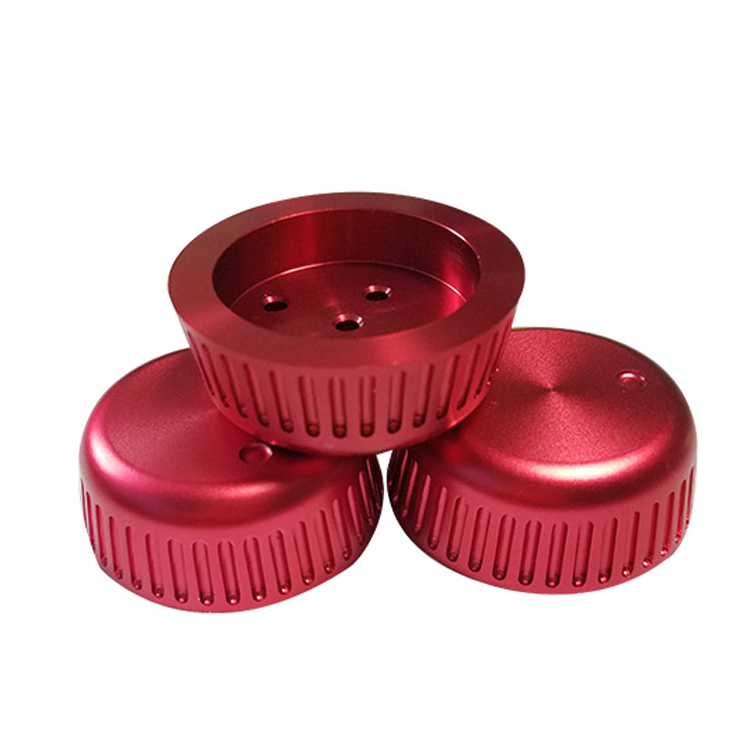
- Anodisierung creates a metallic, premium-looking finish that retains the natural texture of the aluminum. It is commonly used for high-end products where a refined, technical aesthetic is required.
- Spray painting produces a glatt, uniform coating with a wide range of color options, including matte, gloss, and textured finishes. Jedoch, it forms a surface layer that lacks the natural metallic feel.
👉 Even when using similar colors, spray painting typically cannot fully replicate the metallic depth of anodizing.
2. Material Compatibility
The choice between anodizing and spray painting often depends on the base material.
- Sprühlackierung
- Suitable for almost all materials
- Works on metals, Kunststoffe, und Verbundwerkstoffe
- Ideal for mixed-material prototypes
- Anodisierung
- Limited to specific metals, mainly:
- Aluminium (6061, 7075, usw.)
- Some titanium alloys
- Not applicable to plastics
- Limited to specific metals, mainly:
👉 If your prototype includes plastic components, spray painting is usually the only option.
3. Haltbarkeit & Wear Resistance
Durability is a critical factor, especially for functional prototypes.
- Sprühlackierung
- Forms a coating layer on the surface
- Can be prone to:
- Kratzer
- Peeling (over time or under stress)
- Better suited for visual models or short-term use
- Anodisierung
- Forms a hard oxide layer integrated with the metal
- Offers:
- Hervorragende Verschleißfestigkeit
- Corrosion protection
- Long-term color stability
👉 Anodized parts are much more durable in real-use conditions.
4. Leistung & Functional Impact
Beyond appearance, surface finishing can affect part performance.
- Anodisierung
- Erhöht die Oberflächenhärte
- Verbessert die Korrosionsbeständigkeit
- Reduces light reflection (important for optical or electronic parts)
- Sprühlackierung
- Provides basic protection
- Mainly used for aesthetic purposes
- Minimal impact on mechanical properties
5. Kosten & Application Scenarios
Choosing the right process also depends on budget and use case.
✅ Choose Anodisierung if:
- You need high durability
- The part is made of aluminum
- The product is functional or end-use
- You want a premium metallic appearance
✅ Choose Sprühlackierung if:
- You need flexible color options
- The part includes plastic or mixed materials
- The prototype is for visual presentation
- Cost needs to be controlled
Rapidefficient Recommendation
In real-world CNC prototyping, the choice is rarely just about color.
Bei Schnell, we evaluate:
- Material type
- Functional requirements
- Environmental conditions
- Cost and production stage
We also provide DFM feedback to ensure the selected finishing process aligns with your final product goals.
Abschluss
Although anodizing and spray painting may seem similar at first glance, they serve very different purposes.
- Anodisierung = durability + Leistung + premium metal finish
- Spray painting = flexibility + color variety + visual appeal
Choosing the right process early can help avoid rework, Kosten senken, and improve product quality.
FAQ
Can spray painting replace anodizing?
Not completely. Spray painting cannot match the durability and metallic finish of anodizing.
Does anodizing change part dimensions?
Ja. Typically adds 0.008–0,012 mm pro Seite, which should be considered during machining.
Which is better for prototypes?
- Visual prototype → Spray painting
- Functional prototype → Anodizing