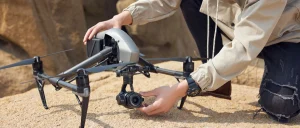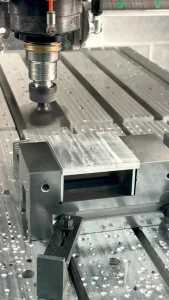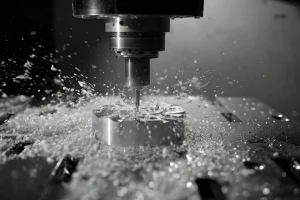

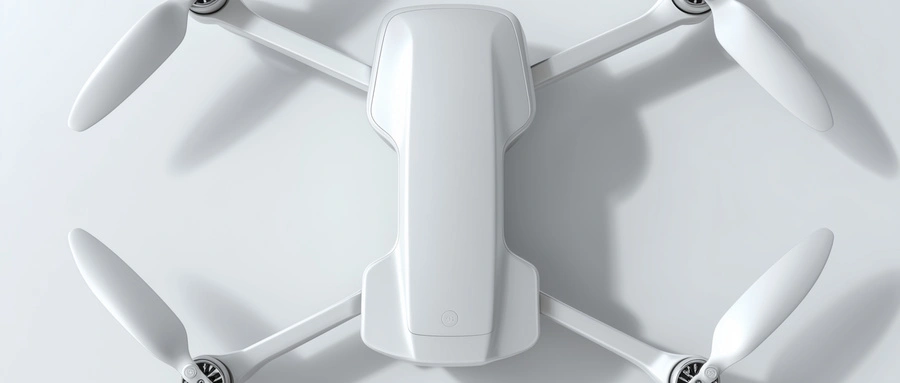
In the world of FPV drone racing, weight is a critical factor—every gram affects flight agility, motor response, and overall performance. At RapidEfficient, with over 20 years of CNC machining experience, we specialize in creating ultralight motor protective covers that are both durable and precise, meeting the rigorous demands of competitive drone pilots worldwide.
We understand that high-performance drone parts require not only precision machining but also engineering expertise, reliable materials, and optimized production processes.
1. Premium Material Selection for Consistent Strength
Motor protective covers are commonly made from AL7075-T6 aluminum alloy, known for its high strength-to-weight ratio. However, improper material handling can lead to warping or cracking. At RapidEfficient:
- Only certified AL7075-T6 from trusted suppliers is used
- Each batch undergoes re-inspection with a HITACHI X-MET800 spectrometer to verify alloy composition
- For applications requiring extreme strength, we can also machine titanium alloys (Ti-6Al-4V) or nickel-chromium alloys
This ensures each part meets design requirements and remains reliable under high-speed flight conditions.
2. Controlled Anodizing and Surface Finish
High-quality anodizing enhances corrosion resistance and aesthetics but can alter part dimensions. To ensure fit and finish:
- Trial anodizing is performed on sample parts to verify color consistency
- Dimensional compensation is calculated in advance for changes during anodizing
- Cutting fluids and toolpaths are optimized to maintain surface finishes at Ra 0.8 μm or better
These steps prevent scratches, burrs, and uneven finishes, ensuring parts are ready for assembly without additional rework.
3. Thin-Wall Machining with Stress-Relief Strategy
Ultralight protective covers often feature wall thicknesses of 0.5–0.8 mm, which are highly sensitive to deformation. Our stress-relief machining process includes:
- Roughing with margin to release internal stresses
- Stress-relief or natural aging treatment
- High-speed, low-depth finishing for final dimensions
This workflow ensures parts remain ultra-light while achieving tight tolerances and high structural integrity.
4. Efficient CNC Machining Processes
RapidEfficient operates 30 high-precision CNC centers, including advanced 3+2 machining capabilities. Key advantages for FPV drone parts:
- Multi-angle features completed in a single setup, reducing cumulative errors
- Concentricity between protective cover and motor mounting maintained within ±0.005 mm
- Verified toolpaths and golden parameter libraries allow rapid and reliable machining
This combination of equipment and expertise supports fast prototyping and small-batch production, with typical lead times of 3–7 days for urgent orders.
5. Case Example: Engineering Challenge
For thin-walled, ultralight motor covers, small adjustments can prevent failure in high-speed flight. RapidEfficient engineers optimize:
- Load-bearing ribs and corner radii for strength and weight reduction
- Non-critical areas for material removal to achieve minimal weight
- Toolpaths and fixture design to minimize deformation
This ensures parts meet the structural and performance requirements of competitive FPV drones.
6. End-to-End Quality Control
Quality is integrated into every stage of production:
- IPQC checks are performed at key stages
- Custom packaging prevents damage during handling
- Strong partnerships with surface treatment suppliers enable sandblasting, polishing, and laser engraving
- Final inspection guarantees parts meet dimensional, strength, and surface finish standards
Every part delivered by RapidEfficient is ready for assembly and flight.
7. Transparent Pricing and Customer Focus
RapidEfficient provides detailed cost breakdowns for prototypes and mass production. Whether producing a single prototype or 10,000 parts:
- All drawings receive full technical attention
- Costs are clear and predictable
- Parts are shipped ready to install, free from defects
FAQs
Q: How do you ensure material authenticity?
A: Each batch of aluminum or titanium is re-inspected using a HITACHI X-MET800 spectrometer, with full certificates of origin and composition provided.
Q: How is thin-wall deformation controlled?
A: We use stress-relief machining, optimized toolpaths, and custom fixtures, ensuring parts remain within design tolerances.
Q: What is the typical lead time for prototyping?
A: For urgent orders, RapidEfficient can typically complete prototyping in 3–7 days, depending on complexity and batch size.
Conclusion: Why Choose RapidEfficient
At RapidEfficient, we deliver ultralight, high-precision motor protective covers for FPV drones. With optimized materials, advanced CNC processes, stress-relief strategies, and strict quality control, our parts are designed to maximize performance and reliability.
Contact us today to request a quote or engineering support for your next FPV drone project.