

Blog List
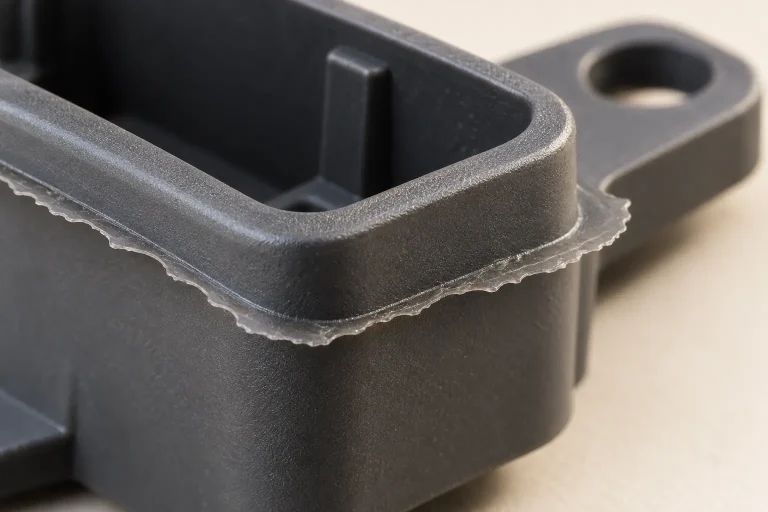
Injection Molding Flash: Find the Cause Before Adjusting
Injection molding flash is a thin fin or film of unwanted plastic that forms when molten resin enters a gap…
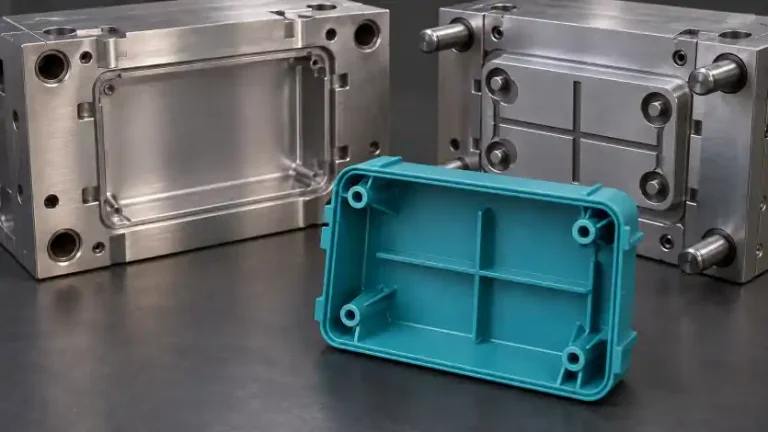
CNC Machining vs Injection Molding for Plastic Parts
A plastic housing milled from plate may have a thick mounting rim, solid screw bosses, and a precision bore. Sending…
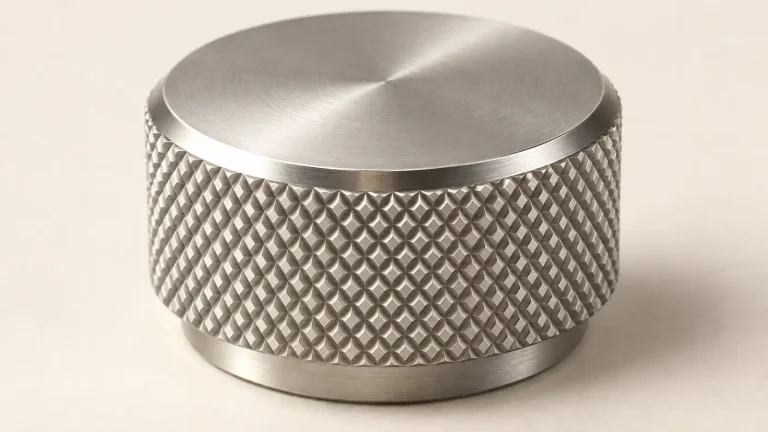
Knurling: Patterns, Processes, and Finished Diameter
Knurling creates a repeating pattern of ridges on a part, commonly to improve hand grip or help retain the part…
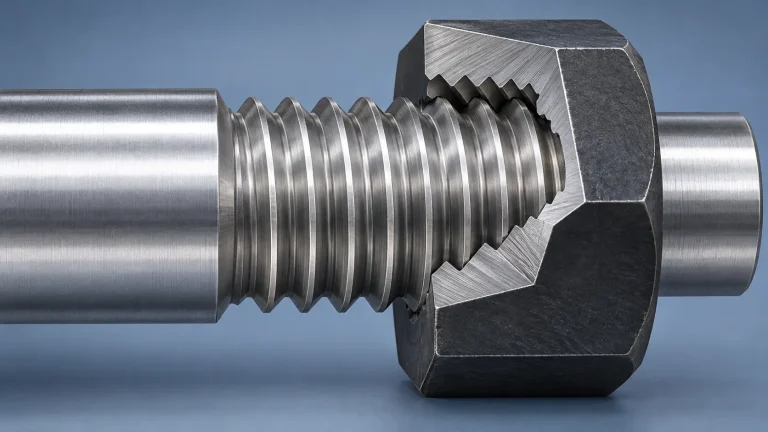
Thread Classes Explained: 2A/2B, 3A/3B, and 6H/6g
Thread classes define the permitted dimensional variation and, where applicable, allowance of a screw thread. They help establish how mating…
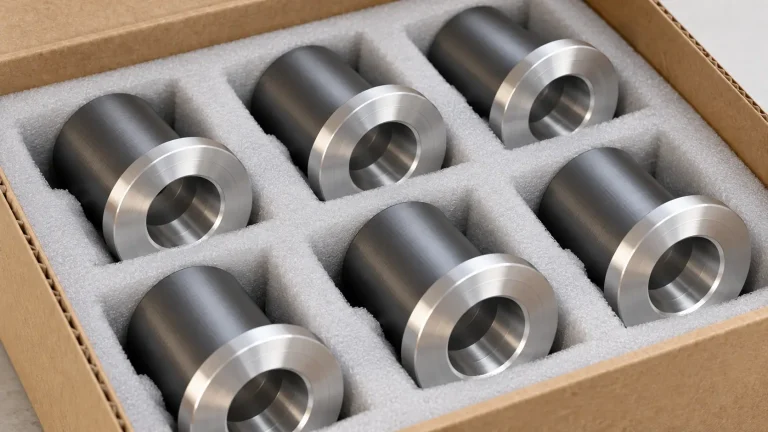
CNC Machining Outsourcing: Control the First Order
CNC machining outsourcing means assigning machining work to an external supplier. The order may cover one operation on buyer-supplied blanks…
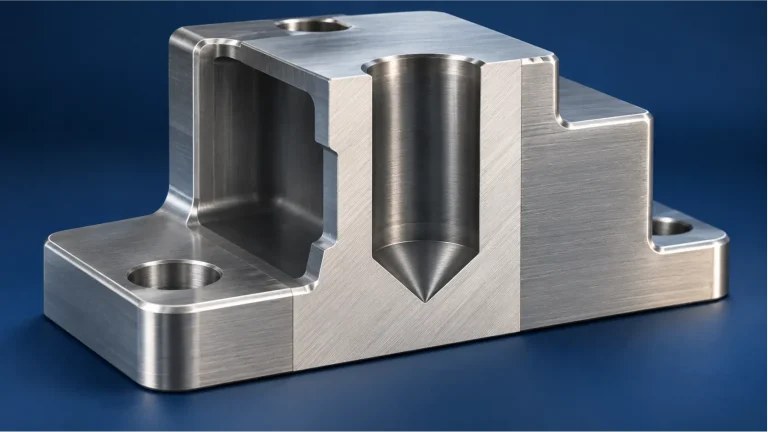
Blind Hole Design: Specify the Usable Depth
A blind hole stops inside a part without breaking through the opposite surface. Unlike a through hole, it leaves material…
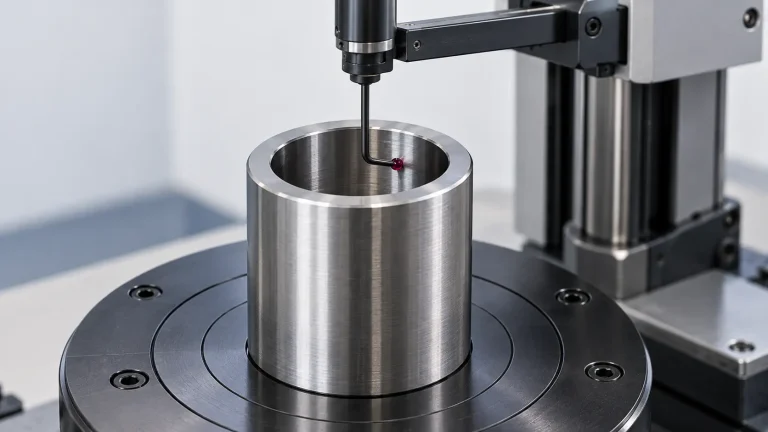
Cylindricity: Why Round Sections Can Still Fail
A machined sleeve can have round cross-sections and acceptable bore diameters while still failing its cylindricity requirement. The missing information…
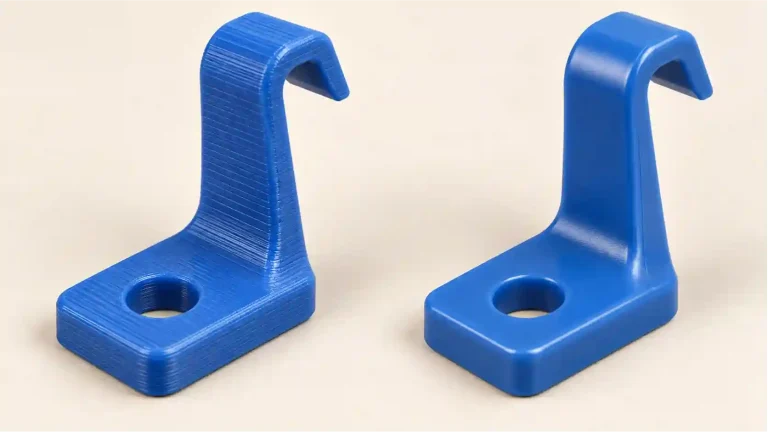
Injection Molding vs 3D Printing: Before You Buy a Mold
Injection molding becomes attractive when a stable plastic part can justify tooling through repeat production. 3D printing often fits changing…
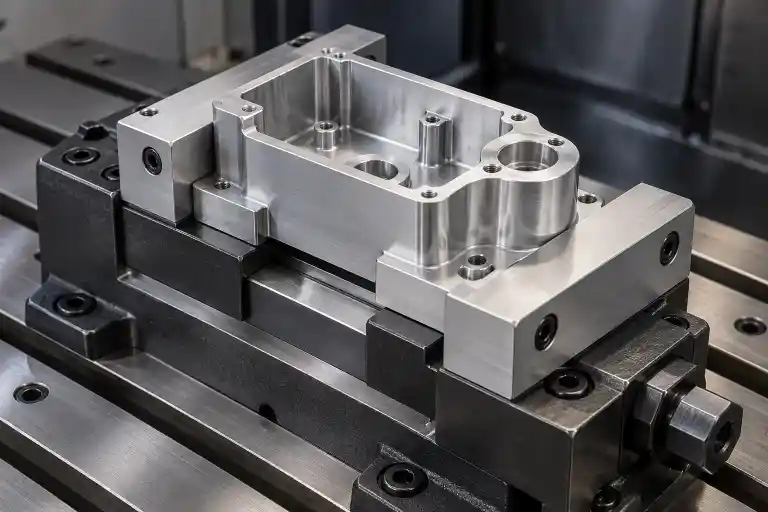
Choosing CNC Machining Fixtures for Repeatable Setups
CNC machining fixtures must accommodate the dimensional variation in the parts they hold. A second-operation fixture needs to accept the…