
快速解答: 您应该选择铝还是黄铜?
对于重量敏感的外壳,选择铝(通常为 6061-T6 或 6061-T651), 括号, 散热器, 固定装置, and structural parts where a high strength-to-weight ratio, 阳极氧化选项, 降低运输质量很重要.
Choose brass—often C360 for free machining or a lead-free grade when required—for compact fittings, 阀门组件, 螺纹嵌件, 接触硬件, 和装饰部件,切屑形成干净, 螺纹质量, 电镀, 抛光, 或小的转动特征很重要.
不要单从金属名称来选择. 铝和黄铜都是合金族, and their properties change significantly by grade, 脾气, 库存形式, 和组成.
还, brass is not automatically more electrically conductive than aluminum. 例如, 6061-T6 的典型电导率约为 43% 国际化学学会, 而C360易切削黄铜则约为 26% 国际化学学会. Brass is still widely used for connector hardware because machinability, 线程, 接触几何形状, 穿, 腐蚀行为, and plating can matter as much as bulk conductivity.
RFQ 应指定确切的合金, 脾气, 铅或 RoHS 要求, 库存形式, 线程, 表面饰面, service environment, 数量, 及检验要求.
Hydro 列出 6061-T6 的价格约为 43% 国际化学学会, 而铜发展协会将 C360 列为 26% 国际化学学会. C360 仍保持高度可加工性, 但这并不意味着它本质上比所有铝合金都具有更高的导电性.
铝与黄铜快速比较
| Comparison Item | 铝 | 黄铜 | 买家应检查 |
|---|---|---|---|
| Common CNC grades | 6061, 7075, 2024, 5052, 6262 | C360, C260, C464, C693和其他无铅牌号 | 始终指定准确的合金和条件 |
| 密度 | 大约 2.70 g/cm³ 对于普通铝合金 | 对于许多加工黄铜而言,约为 8.3–8.5 g/cm3 | 相同的黄铜零件大约重三倍 |
| 强度重量比 | Usually better | 由于密度较高而较低 | 对于便携式和移动组件很重要 |
| CNC machinability | 好的, 但切屑控制因合金而异 | C360 具有出色的加工性能; other brass grades vary | 不要对所有黄铜或铝牌号一视同仁 |
| 小螺纹 | 可以通过合适的接合或插入件实现 | C360经常产生干净的, compact threads | Define torque, 订婚, and assembly cycles |
| 电导率 | Alloy-dependent; 6061-T6 is about 43% 国际化学学会 | Alloy-dependent; C360 is about 26% IACS 和 C693 关于 8% 国际化学学会 | 不要单独按金属族来选择 |
| 耐腐蚀 | 适用于多种环境; 阳极氧化或涂层可能有帮助 | 年级- 和环境依赖 | 检查电接触和脱锌风险 |
| 表面光洁度 | 阳极氧化, 转化涂层, 绘画, 抛光, 和粉末涂料 | 抛光, 电镀, 钝化, 漆, 或天然黄铜外观 | 定义可见表面并完成验收 |
| 铅含量 | 常见的 6061 不含有意加工的铅, 但一些易加工等级需要审查 | C360 含铅 2.5–3.0%; 有无铅替代品可供选择 | 确认RoHS, 饮用水, 食品接触, 或客户要求 |
| 成本 | 较大的通常较低, 轻量化零件 | 更高的材料质量, 但较短的循环时间可以帮助小型车削零件 | 比较成品零件总成本, 不仅仅是原材料 |
| 常见配合 | 外壳, 括号, 散热器, 盘子, 固定装置, 及结构件 | 配件, 螺纹嵌件, 阀体, 终端, 和装饰五金件 | 从功能和制造路线中选择 |
C360 的铜发展协会可加工性评级为 100 密度相当于比重约 8.5. 无铅 C693 的机械加工性能等级为 85, 表明合规替代品仍然可以很好地加工,但不应假定与 C360 相同.
体重很重要
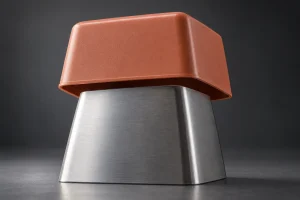
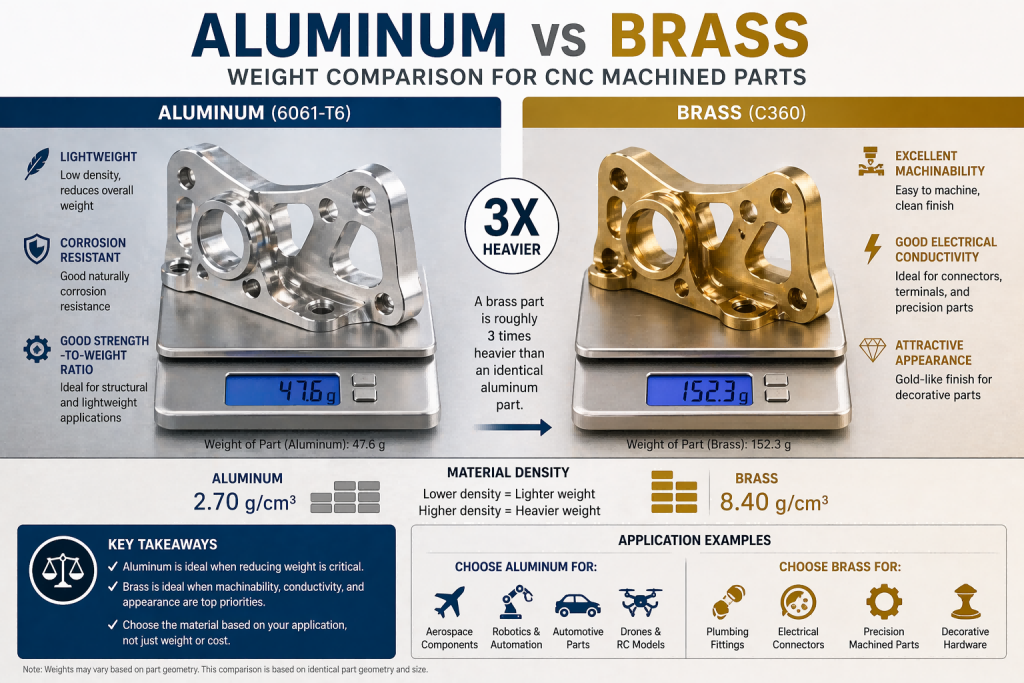
A重量是铝和黄铜之间最明显的区别之一.
典型的密度示例是:
- 6061 铝: 大约 2.70 克/立方厘米
- C360易切削黄铜: 大约 8.5 克/立方厘米
- C693无铅黄铜: 大约 8.3 克/立方厘米
对于相同的零件几何形状和体积, 黄铜零件的重量通常是金属零件的三倍多一点 6061 铝件.
这影响的不仅仅是成品重量. 也可以改变:
- 运费
- 移动质量
- 电机和执行器负载
- 支撑结构要求
- 人体工学
- 旋转或机器人组件中的惯性
- 按重量计算的原材料用量
对于大型外壳来说,铝通常是更实用的选择, 括号, 盘子, 固定装置, 以及在低质量时移动组件.
黄铜对于小型配件仍然很实用, 插入物, 连接器, and valve components where the absolute part weight is limited and compact geometry or machining efficiency matters more.
海德鲁给出 6061 密度为 0.098 磅/立方英寸, 而 Copper.org 列出的比重约为 8.5 对于 C360 和 8.3 适用于C693.
机械加工性和表面光洁度
可加工性取决于具体的合金而不仅仅是金属族.
黄铜的机械加工性
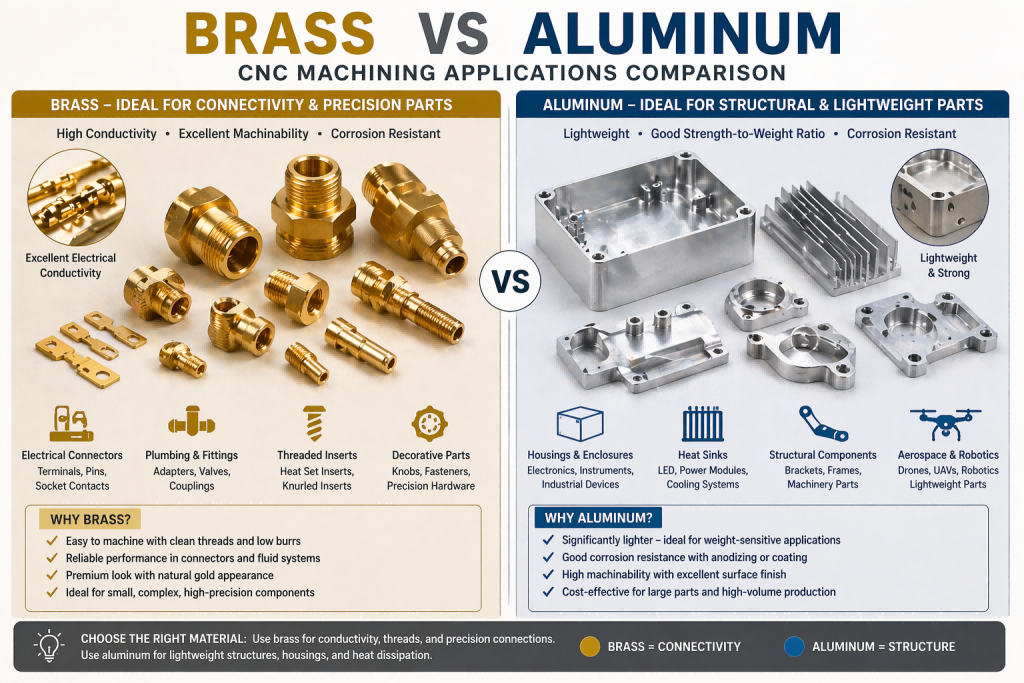
C360易切削黄铜是螺丝机标杆材料. 其含铅量有助于产生短切屑, 低切削力, 清洁表面, 和明确的小特征.
它通常被选择用于:
- 车削配件
- 螺纹嵌件
- 阀体
- 适配器
- 小螺母和紧固件
- 精密接触五金件
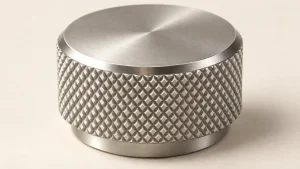
- Knurled components
然而, 并非所有黄铜级机器都像 C360 一样.
Lead-free brass grades can still machine efficiently, 但他们可能需要不同的工具, 切屑控制策略, 速度, 饲料, 和刀具寿命预期. 例如, C693 的机械加工性能等级为 85 与C360的参考评级相比 100.
铝的机械加工性
6061-T6对于一般CNC零件具有足够的切削加工性, but turning and drilling chips may be more difficult to break than C360 brass chips.
专为机械加工而开发的铝牌号, 例如 6262, can provide improved chip formation compared with general structural grades.
加工性能还取决于:
- 刀具几何形状
- 尖端锐度
- 排屑
- 刀具跳动
- 冷却液或空气喷射
- 零件刚性
- 合金状态
- 表面光洁度要求
表面外观
黄铜可以生产抛光的, 镀, 拉丝的, 或自然金色外观. 铝可以阳极氧化, 转化涂层, 喷珠, 抛光的, 绘, 或粉末涂层.
所选饰面应在报价前定义,因为它可能会影响:
- 尺寸余量
- 掩蔽
- 外观检验
- 操作保护
- 颜色一致性
- 最终成本
用于铝饰面选择, 回顾我们的 铝阳极氧化与粉末涂层指南.
铜发展协会给予 C360 的切削加工性评级为 100 和 C693 的评级 85. Hydro 将 6061-T6/T6511 的切削加工性描述为足够,但指出在车削和钻孔过程中切屑很难断裂; 6262 专为改进加工应用而开发.
线程数, 刀片, 和重复组装
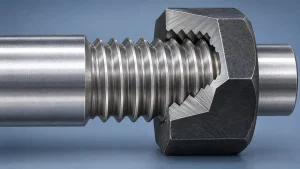
小型螺纹零件通常选择黄铜,因为易加工材质可以产生干净的螺纹轮廓,且毛刺形成相对较少.
典型例子包括:
- 螺纹嵌件
- 软管接头
- 阀门组件
- 传感器本体
- 电接触硬件
- 小适配器
- 精密螺母
然而, 黄铜并不能自动保证螺纹更坚固. 线程性能仍然取决于:
- 合金及状态
- 螺纹尺寸
- 壁厚
- 啮合长度
- 拧紧扭矩
- 装配频率
- 工作温度
- 振动
- 腐蚀环境
当啮合长度和扭矩合适时,铝也可以支撑可靠的螺纹.
用于重复组装的铝制零件, 设计师可以考虑:
- 更长的螺纹啮合
- 更大的螺纹尺寸
- 螺旋线嵌件
- 实心螺纹嵌件
- 贯穿螺栓和螺母
- 局部壁厚增加
- 定义的拧紧扭矩
如果图纸包含小螺纹或经常组装的螺纹, RFQ 应指定螺纹尺寸, 深度, 公差等级, 扭矩, 和预期的装配周期.
用于绘制术语和线程标注风险, 看看我们的 螺纹孔与螺纹孔导轨.
Copper.org 列出了螺纹嵌件, C360 典型用途中的配件和螺丝机产品, but the finished thread still depends on geometry, 接合和装配条件.
电导率和接触硬件
导电率必须通过精确的合金进行比较.
典型例子包括:
- 6061-T6铝: 大约 43% 国际化学学会
- C360易切削黄铜: 大约 26% 国际化学学会
- C693无铅黄铜: 大约 8% 国际化学学会
这意味着黄铜不会自动比铝更导电.
黄铜仍常用于连接器, 终端, 针脚, 螺纹接触, 开关硬件, 和配件,因为材料选择也可能取决于:
- 机械加工性
- 小螺纹质量
- 接触几何形状
- 耐磨性
- 电镀
- 锡焊或钎焊
- 机械保持力
- 腐蚀行为
- 零件尺寸紧凑
对于较大的导电结构,铝可能是首选, 外壳, 散热部件, 或重量敏感的电气组件. 电工铝牌号如 6101 专门用于导体应用.
对于功能性电气部件, 图纸或规范应定义:
- 所需的电导率
- 接触电阻
- 电镀
- 接地表面
- 电流和温度
- 螺纹要求
- 腐蚀环境
- 适用材料标准
不要仅指定“黄铜用于导电”或“铝用于轻质”。电气和机械要求应一起审查.
Hydro 报告了大约 6061-T6 的典型电导率 43% 国际化学学会, 而 Copper.org 报道称 26% 对于 C360 和 8% 适用于C693. 海德鲁还指出 6101 作为导电合金.
无铅黄铜和 RoHS 要求
C360 是一种含铅易切削黄铜.
其指定成分包含约 2.5–3.0% 的铅, 所以它不应该被描述为无铅.
如果应用需要低铅或无铅黄铜, 图纸和询价应指定确切的合金或合规要求. C693 就是一个例子, 其最大铅含量约为 0.09% 和可加工性等级 85.
可能的要求可能包括:
- 有害物质限制指令
- REACH 声明
- 饮用水要求
- 客户限用物质清单
- 食品接触要求
- 汽车材料声明
- 材料证书
- XRF 或实验室测试
不应仅根据合金名称来假定符合 RoHS 标准.
根据委员会委托指令 (欧盟) 2025/2364, 当前 RoHS 附件 III 豁免 6(c) 涵盖含有高达 4% 领先并于六月到期 30, 2027, 符合豁免条件.
这并不意味着每个 C360 部件都可以简单地以“符合 RoHS 标准”进行销售。买家和供应商仍需确认:
- 最终设备是否在RoHS范围内
- 是否豁免 6(c) 适用
- 当前的豁免措辞和有效期
- 产品特定限制
- 客户申报要求
- 涂料和其他均质材料
用于饮用水, 食品接触, 医疗的, 或儿童可访问的应用程序, 单独确认相关材料标准及认证.
Copper.org identifies C360 as containing 2.5–3.0% lead and C693 as containing no more than 0.09% 带领. The current EU delegated directive extends RoHS exemption 6(c), 适用于铜合金,最高可达 4% 带领, 至六月 30, 2027 在规定的条件下.
成本和产量
There is no fixed rule that aluminum or brass always produces the cheaper finished part.
铝可能更经济:
- 零件比较大
- 重量和运输成本很重要
- 盘子, 酒吧, 或挤压很容易获得
- 高速铣削可去除大量材料
- Anodizing or another standard aluminum finish is required
- 该设计是轻量级组件的一部分
当以下情况时,黄铜可能是经济的::
- 元件较小
- 几何形状主要是车削
- C360 可生产短切屑和短周期时间
- 线程数, 滚花, 配件, 或紧凑的细节主导设计
- A polished or plated brass appearance is required
- Reduced deburring offsets the higher raw-material cost
报价时应考虑:
- Exact alloy
- 原材料价格及最小起订量
- 零件体积和材料重量
- 材料利用率
- 铣削或车削循环时间
- 工具寿命
- 去毛刺
- Threading
- 表面处理
- 无铅或法规要求
- 检查
- 装运重量
- Scrap and rework risk
Compare the complete finished-part cost rather than the price per kilogram alone.
耐腐蚀和混合金属组件
耐腐蚀性取决于具体的合金, 表面饰面, 环境, 水化学, 温度, 以及与其他金属的接触.
6061 aluminum provides good atmospheric corrosion resistance and responds well to anodizing. Coatings may provide additional protection or cosmetic control when correctly specified.
黄铜性能因等级而异.
A brass alloy suitable for indoor fittings may not automatically be suitable for:
- 海水
- 侵蚀性水化学
- Ammonia exposure
- 高氯环境
- Potable-water systems
- Outdoor cosmetic use
- 需要抗脱锌的应用
当黄铜和铝在湿气或其他电解质存在的情况下组装在一起时, 铝可能发生电偶腐蚀.
The design may require:
- Electrical isolation
- 合适的垫圈或套筒
- 密封剂
- 涂料
- Controlled drainage
- Compatible fasteners
- 避免滞留水分
- Environmental testing
询价应说明黄铜和铝部件是否会相互接触并描述使用环境.
Hydro 具有良好的耐大气和海水腐蚀性能 6061 但警告直接接触异种金属可能会导致电偶腐蚀. 铜合金的选择也很重要,因为特定的黄铜牌号是针对脱锌或耐盐水性而确定的,而不是这些特性同样适用于每种黄铜.
常见应用
选择铝用于:
- Housings and enclosures
- 结构支架和安装板
- 散热器和热外壳
- Lightweight fixtures
- 自动化和机器人组件
- 重量敏感移动组件
- 需要阳极氧化的零件
- Larger milled components
- 原型和小批量结构件
为了更广泛地比较加工等级, 请参阅我们的指南 最适合 CNC 加工的铝材.
选择黄铜用于:
- 车削配件
- Valve bodies and stems
- Threaded adapters
- 螺纹嵌件
- 电接触硬件
- 端子和引脚
- Small precision nuts
- Knurled parts
- 装饰旋钮和五金件
- 需要抛光或电镀的零件
Before selecting brass, 确认C360是否含铅黄铜, a lead-free brass, 抗脱锌等级, 或需要其他受控合金.
工程师注意事项
较重或较昂贵的材料并不一定是更好的工程材料.
当重量增加时,铝可以提供更好的结果, 大零件尺寸, 结构效率, 散热, 阳极氧化, 或运费问题.
当紧凑车削几何形状时,黄铜可以提供更好的结果, 小螺纹, 配件, 电镀, 抛光, 或短切屑加工问题.
然而, 买家应避免两个常见假设:
- 黄铜并不自动比铝更导电.
- C360易切削黄铜并非无铅.
正确的选择必须基于确切的合金, 功能, 制造路线, 规定, 表面饰面, 环境, 和零件总成本.
铝和黄铜 CNC 零件的询价说明
| 询价项目 | 需要指定什么 | 为什么它很重要 |
|---|---|---|
| 合金及状态 | 6061-T6, 6061-T651, 7075-T6, C360, C693, 或另一个受控等级 | 铝和黄铜是材料系列, 不是单一规格 |
| 库存形式 | 盘子, 酒吧, 杆, 管子, 挤压, 或锻造 | 变更成本, 晶粒结构, 设置, 和材料利用 |
| 铅要求 | 可接受含铅黄铜, 低铅, 无铅, 有害物质限制指令, 或客户特定的限制 | 防止合规性和材料替代纠纷 |
| 体重目标 | 最大零件或装配体质量 | 帮助确定黄铜是否实用 |
| 线程数 | 尺寸, 深度, 班级, 订婚, 扭矩, and assembly cycles | 影响合金选择和刀片要求 |
| 电导率 | 必需的 % 国际化学学会, 接触电阻, 当前的, 或热要求 | 防止根据假设选择黄铜或铝 |
| 结束 | 阳极氧化, 电镀, 抛光, 钝化, 漆, 画, 或加工后的 | 影响美观, 方面, 掩蔽, 和成本 |
| 腐蚀环境 | 室内的, 户外的, 海军陆战队, 饮用水, 化学物质, 和混合金属接触 | 确定合金和保护要求 |
| 数量 | 原型和预期重复量 | 影响设置, 材料采购, 和工具 |
| 检查 | 关键尺寸, 螺纹量规, 电导率, 涂层, 或材料报告 | 定义报价前的接受 |
Rapid Efficient 可审查合金, 重量, 线程, 电导率, 铅要求, 表面饰面, 腐蚀风险, 检查点, 以及报价前的生产数量.
常问问题: CNC 零件的铝与黄铜
黄铜比铝坚固吗?
这取决于所比较的确切合金和状态.
一些黄铜牌号提供更高的刚度, 硬度, 或拉伸强度高于普通铝牌号, 而高强度铝,例如 7075 在强度重量比性能方面可以超过许多黄铜合金.
零件的几何形状和重量限制必须与材料特性一起考虑.
哪个更容易加工: 铝或黄铜?
C360 易切削黄铜通常比普通黄铜更容易加工 6061 铝, 特别适用于小型车削零件和螺纹.
然而, 无铅黄铜牌号, 成型黄铜, 船用黄铜可能无法像 C360 那样加工. 不同等级的铝加工也有所不同,例如 6061, 7075, 2011, 6042, 和 6262.
黄铜比铝导电吗?
并不总是.
典型的 6061-T6 铝约为 43% 国际化学学会, 而C360黄铜大约是 26% 国际化学学会. 通常选择黄铜作为连接器硬件,因为机加工, 电镀, 螺纹质量, 接触几何形状, 穿, 腐蚀行为可能与电导率一起重要.
哪种材料更适合小螺纹?
C360 brass often produces clean small threads with low burr formation.
Aluminum can also support reliable threads when engagement, 壁厚, 扭矩, 和装配频率合适. Thread inserts may be useful for repeated assembly or higher torque.
C360黄铜是否无铅?
福田街道. C360 normally contains approximately 2.5–3.0% lead.
当低铅时, 无铅, 有害物质限制指令, 饮用水, 或需要客户特定的合规性, specify the exact brass alloy and required documentation.
C360 黄铜是否符合 RoHS 标准?
Do not assume compliance from the alloy name alone.
目前欧盟 RoHS 豁免 6(c) 允许含有高达 4% 六月之前在指定条件下领先 30, 2027. 产品范围, 豁免, 客户要求, 且声明仍需审核.
哪种材料的耐腐蚀性能更好?
这取决于合金和环境.
6061 铝在许多大气环境中表现良好,并且可以进行阳极氧化处理. 黄铜的性能因合金而异, 一些水或海洋应用需要抗脱锌或特殊黄铜牌号.
铝和黄铜可以一起使用吗?
是的, 但在潮湿或导电环境中直接接触可能会对铝造成电偶腐蚀风险.
隔离垫圈, 涂料, 密封剂, 引流, 兼容紧固件, 或可能需要其他控制.
哪个更贵?
黄铜通常具有更高的材料成本和相同体积的更高质量.
然而, C360 的加工周期短、切屑形成干净,对于小型车削零件来说非常经济. 比较原材料, 周期, 工装, 精加工, 检查, 遵守, 和运输.
结论
重量轻时选择铝, 大零件尺寸, 结构效率, 散热, 阳极氧化, 或较低的运输质量很重要.
紧凑车削几何形状时选择黄铜, clean small threads, 配件, 插入物, 电镀, 抛光, 或短切屑加工问题.
最终选择应基于:
- Exact alloy and temper
- 体重目标
- Machining route
- 螺纹要求
- 电气和热要求
- 铅和监管要求
- 表面光洁度
- 腐蚀环境
- Mixed-metal contact
- 数量
- Total finished-part cost
不要仅仅因为黄铜看起来优质而选择黄铜, 并且不要仅仅因为铝更轻而选择铝. 正确的材料是满足功能和制造要求且实际项目风险最低的材料.
需要帮助选择铝或黄铜?
Send the STEP file, 2D图, 数量, alloy requirement, 线程, conductivity target, 表面饰面, 铅或 RoHS 要求, corrosion environment, 和检查记录.
Rapid Efficient 可以在报价前审查铝或黄铜是否更实用,并帮助识别涉及重量的风险, 加工, 线程, 电导率, 表面饰面, 电偶腐蚀, regulatory requirements, 和零件总成本.
适用于小型车削配件, 适配器, 螺纹嵌件, 针脚, 和旋转部件, 回顾我们的 数控车削服务.