
Schnelle Antwort
Oil leakage in CNC machining centers is usually caused by worn seals, unsachgemäße Installation, zu hoher Öldruck, Vibration, or contaminated oil. Proper preventive maintenance and timely inspection can reduce downtime, maintain part accuracy, and ensure stable production.
Einführung
Oil leakage in CNC machining centers is common and often overlooked until it impacts lubrication, spindle stability, guideway performance, coolant cleanliness, and workpiece quality. For precision CNC machined parts, oil leakage is more than a maintenance problem—it’s a key process risk indicator. Poor maintenance increases the likelihood of dimensional deviation, surface contamination, and delayed delivery.
Schneller Vergleich: Causes, Effects, and Prevention
| Cause of Oil Leakage | Effect on CNC Production | Prevention & Control |
|---|---|---|
| Worn seals & Dichtungen | Oil seepage, Kontamination, unstable lubrication | Inspect & replace seals, O-rings, gaskets regularly |
| Improper installation | Uneven sealing, early failure | Correct torque, proper mounting |
| Excessive oil pressure | Over-lubrication, seal stress | Check pump/pressure relief settings |
| Vibration & stress | Loose fittings, part deviation | Inspect machine alignment & Vibration |
| Contaminated oil | Accelerated wear, blocked lines | Filtration, oil change, chip control |
| Blocked lubrication lines | Poor lubrication, overheating, stress | Clean channels, monitor flow |
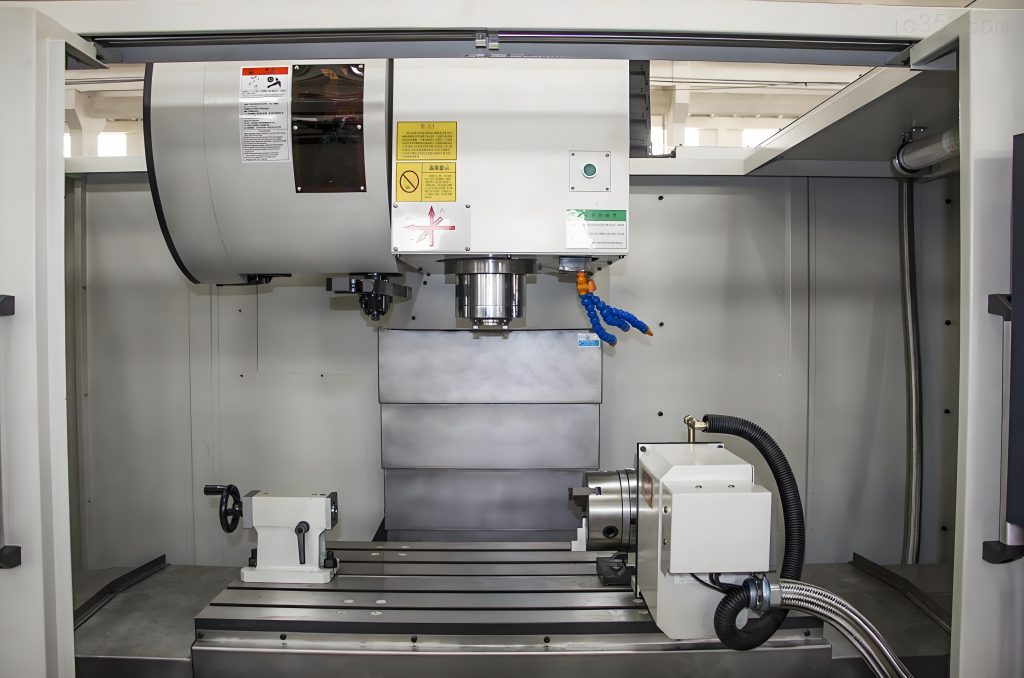
Häufige Ursachen für Öllecks
1. Verschlissene Dichtungen und Dichtungen
Seals degrade due to heat, Vibration, und tragen. Oil easily leaks from joints, fittings, or moving interfaces.
2. Unsachgemäße Installation
Incorrect torque or misaligned mating surfaces reduce sealing efficiency, causing early leakage.
3. Übermäßiger Öldruck
High pump pressure or faulty pressure relief valves can stress seals and cause leaks.
4. Vibration and Mechanical Stress
Misaligned or worn bearings transfer vibration to seals, creating gaps for oil escape.
5. Contaminated or Blocked Oil Lines
Debris or coolant contamination obstructs oil flow, increasing leakage risk.
Impact of Oil Leakage on CNC Machining
- Reduzierte Bearbeitungsgenauigkeit – Insufficient lubrication affects spindles, bearings, and slides.
- Increased Downtime & Maintenance Costs – Production may halt for repairs.
- Mögliche Schäden an elektrischen Komponenten – Oil can infiltrate motor housings and control cabinets.
How RapidEfficient Addresses Oil Leakage
- Hochwertige Komponenten und präzise Installation – Use of trusted seals and professional installation reduces leaks.
- Regular Maintenance & Monitoring – Technicians inspect seals, oil levels, and system health; use ultrasonic leak detectors.
- Maßgeschneiderte Lösungen – Tailored retrofitting, upgraded seals, vibration damping, and preventive measures for older machines.
FAQ: CNC Machine Oil Leakage
Q1: What are common causes of oil leakage in CNC machining centers?
A: Worn seals, unsachgemäße Installation, zu hoher Öldruck, Vibration, contaminated oil, or blocked lubrication lines.
Q2: How can operators prevent oil leakage?
A: Regular inspection, preventive maintenance, correct installation, proper torque, and filtration.
Q3: How does oil leakage affect CNC machining?
A: Reduces machining accuracy, increases downtime, damages electrical components, and affects part quality.
Abschluss
Oil leakage in CNC machining centers is a multifaceted issue. Understanding the root causes and implementing preventive maintenance can reduce downtime, maintain consistent part quality, and safeguard production efficiency. RapidEfficient helps clients minimize risks through high-quality components, proactive maintenance, und maßgeschneiderte Lösungen.