

Blog List
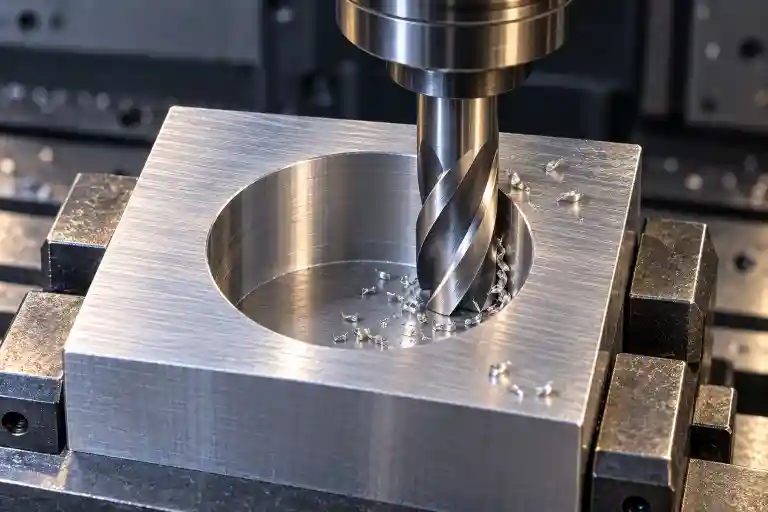
Helical Milling: Hole Diameter, Pitch, and Feed
Helical milling uses a rotating milling cutter that travels around a hole while moving along its axis. The combined circular…
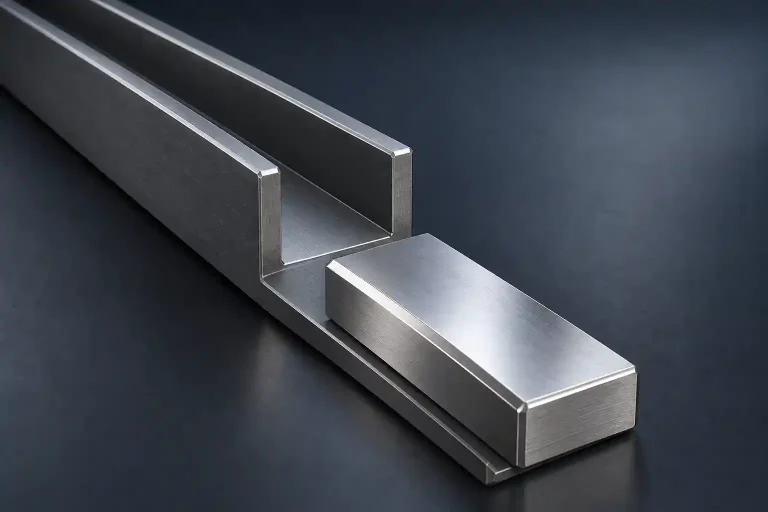
Type II vs Type III Anodize: Fit, Wear, and Sealing
Type II anodize is commonly chosen for appearance and general corrosion protection. Type III, often called hardcoat anodizing, is a…
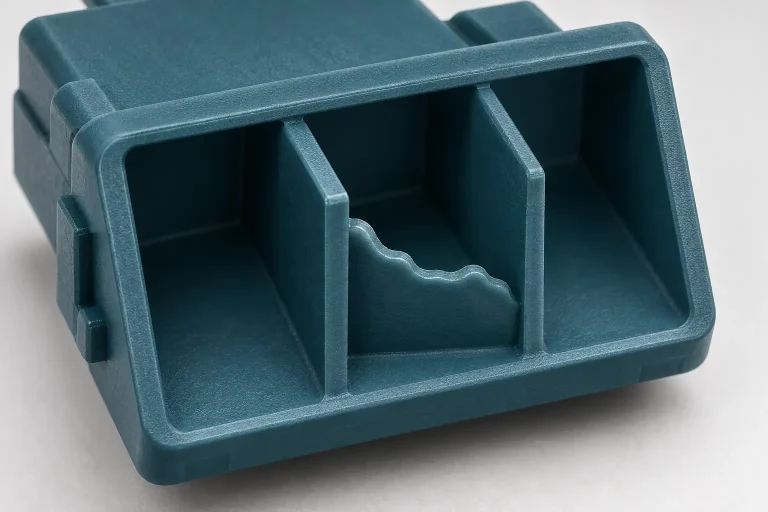
Short Shots in Injection Molding: Where Filling Stops
A connector housing can have a complete outer frame while one thin internal partition remains unfinished. Adding more material to…
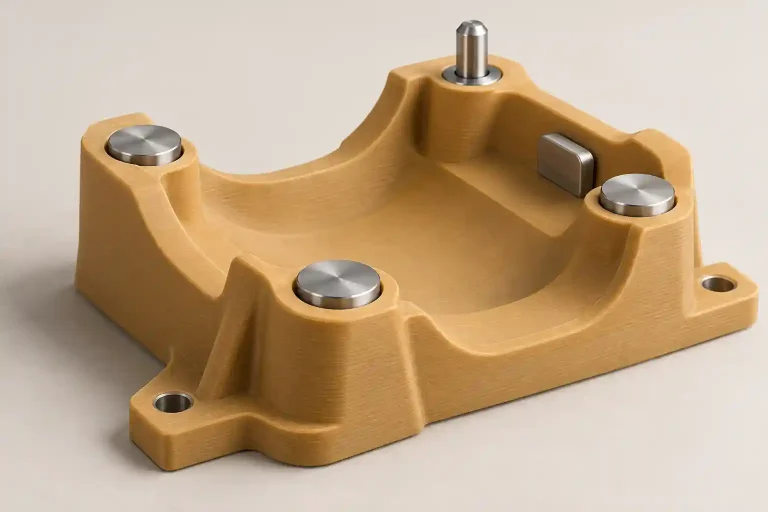
CNC vs 3D Printing for Functional Parts
CNC machining removes material from stock; 3D printing builds a part layer by layer. For a functional component, the useful…
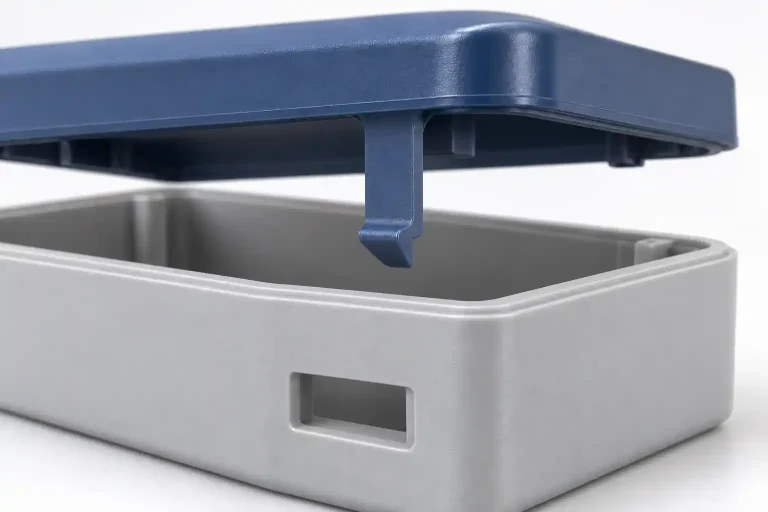
Snap-Fit Design: Deflection, Retention, and Release
A plastic lid can click into place yet remain too loose in service, require excessive force to open, or lose…
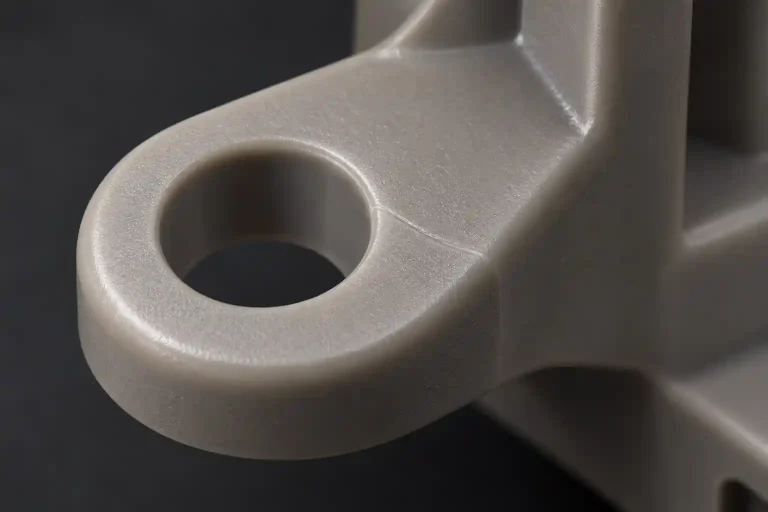
Knit Lines in Injection Molding: Strength and Appearance
Knit lines in injection molding form where separated melt fronts meet and join. Also called weld lines, these regions may…

Injection Molding Cost: From Shot to Finished Part
Injection molding cost includes the tool, the production runs, and the work needed to deliver acceptable parts. A quoted piece…
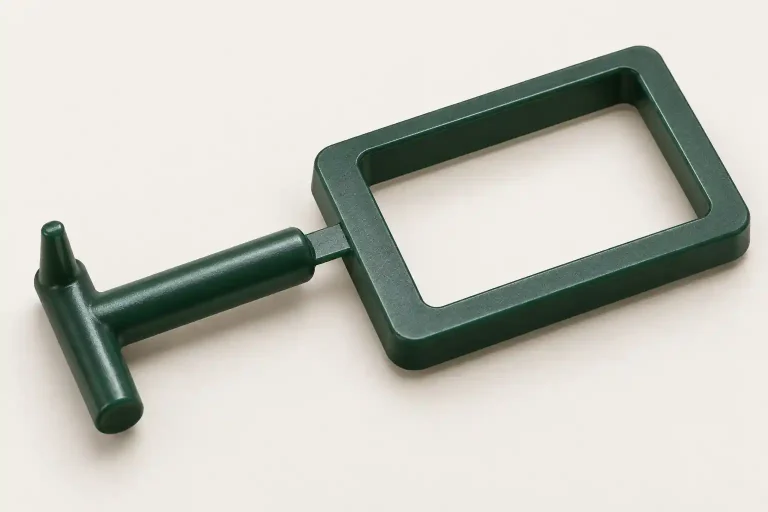
Injection Molding Gate: Types, Location, and Vestige
An injection molding gate is the opening through which molten resin enters the mold cavity. Its location must support filling…
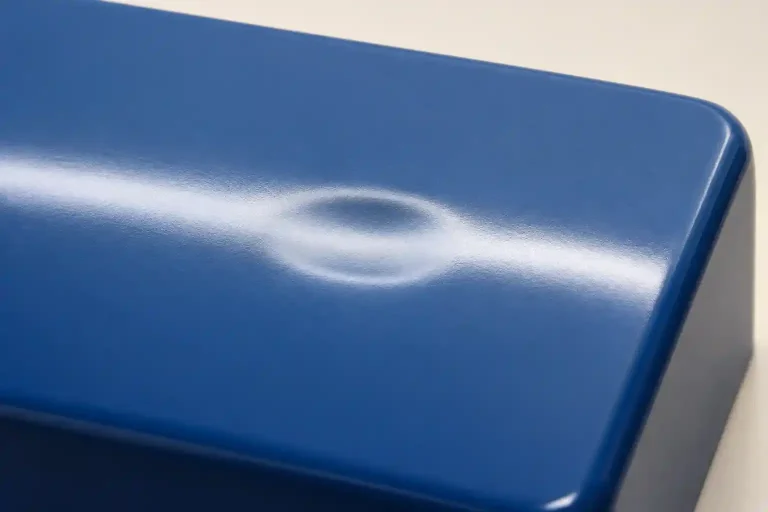
Sink Marks in Injection Molding: Packing, Ribs, and Voids
Sink marks in injection molding are local depressions that develop when a cooling section shrinks without enough material compensation. They…